





Antique Walnut Chiffonier
An antique walnut chiffonier is a low sideboard for the living room or dining room, offering enclosed storage and display space.
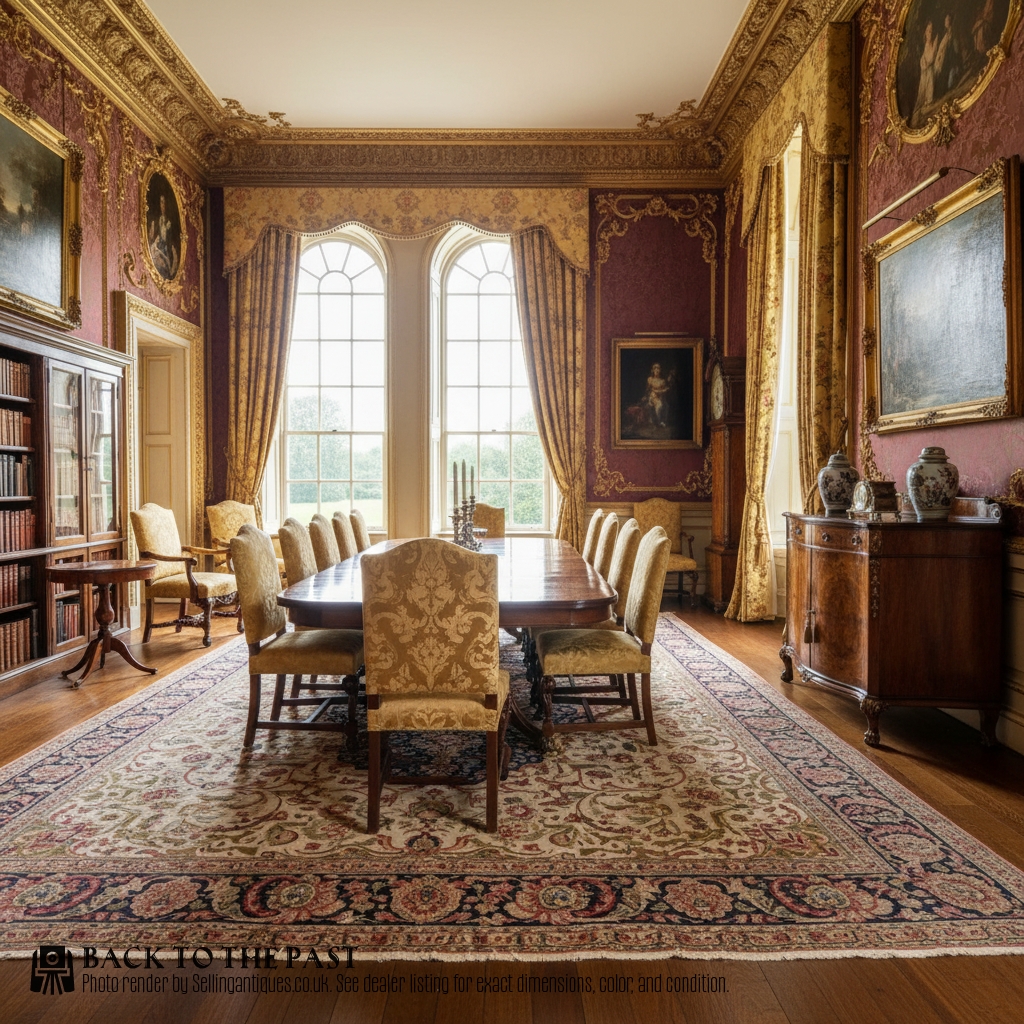
Antique Walnut Chiffonier
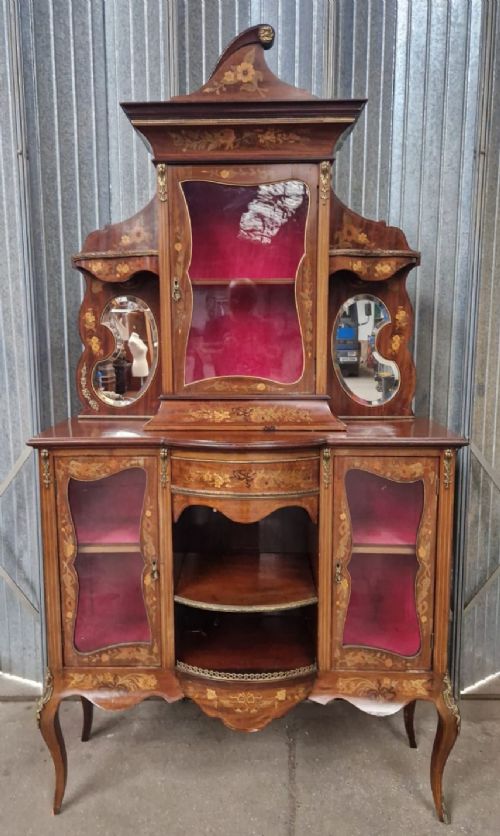
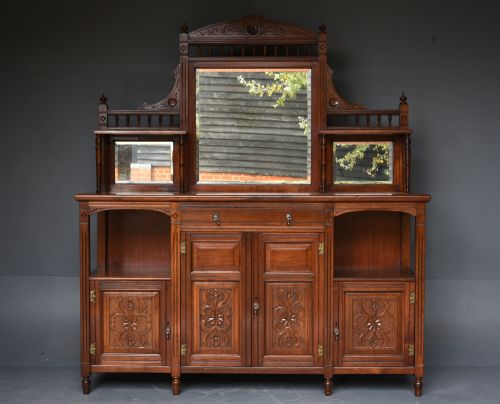
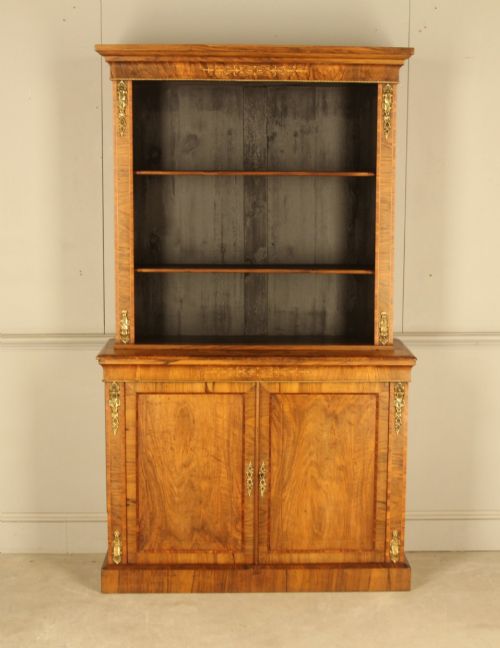
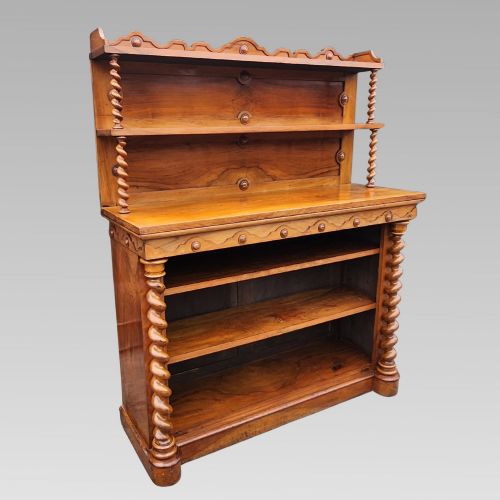
An antique walnut chiffonier brings together the practical enclosed storage of a low cabinet and the display surface of a sideboard or credenza. These pieces emerge predominantly from the Victorian period, alongside later interpretations from the early twentieth century.
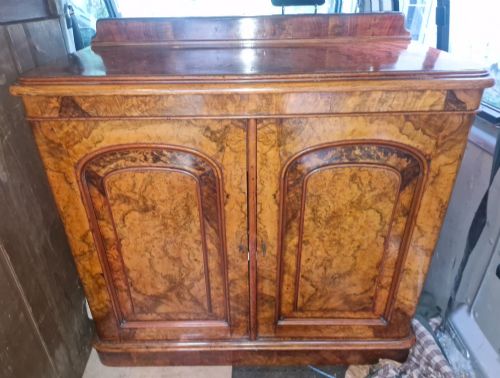
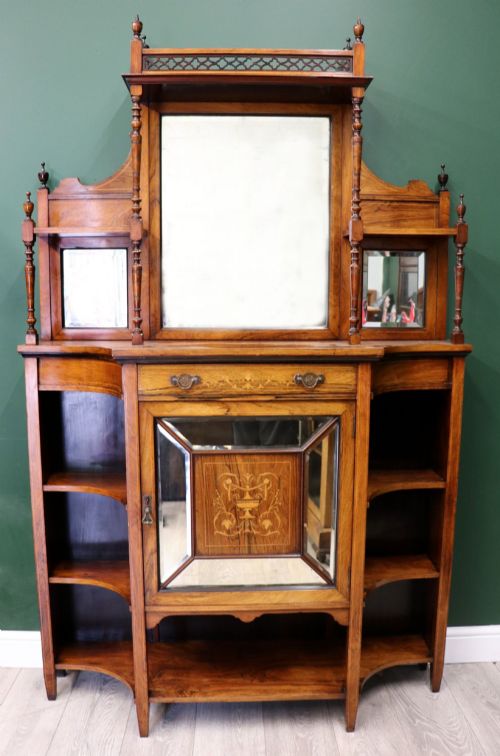
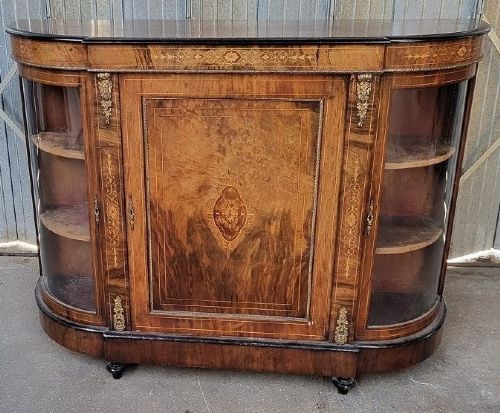
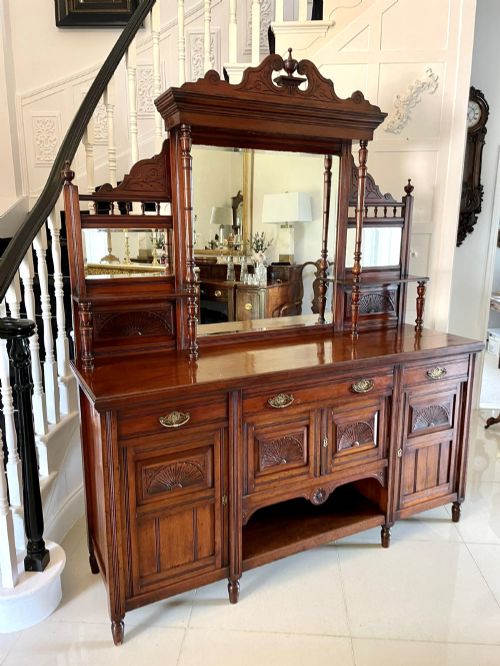
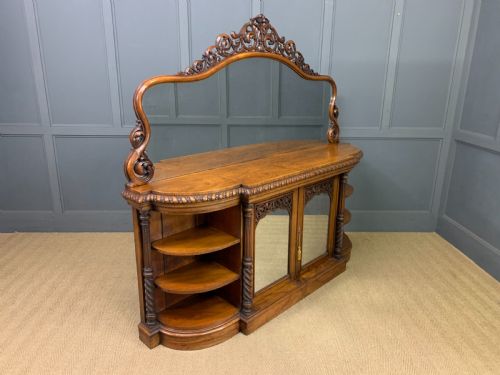
The form frequently incorporates burr walnut veneers, carved details, and mirrored backs that reflect light into a room. Variations include serpentine fronts, bow fronts, and pieces fitted with glass doors or marble tops.
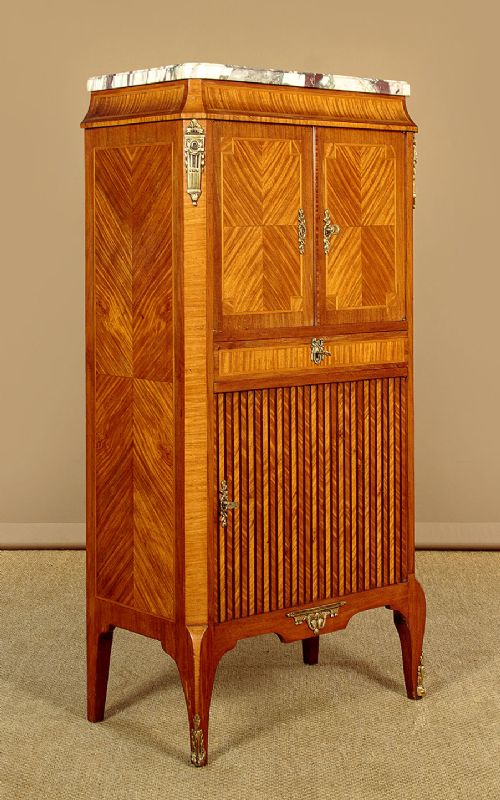
While many carry the label of chiffonier, related forms such as side cabinets, credenzas, and bookcase combinations appear regularly across the selection. The primary function remains the same across these variations: a compact, timber-built storage unit for domestic interiors.
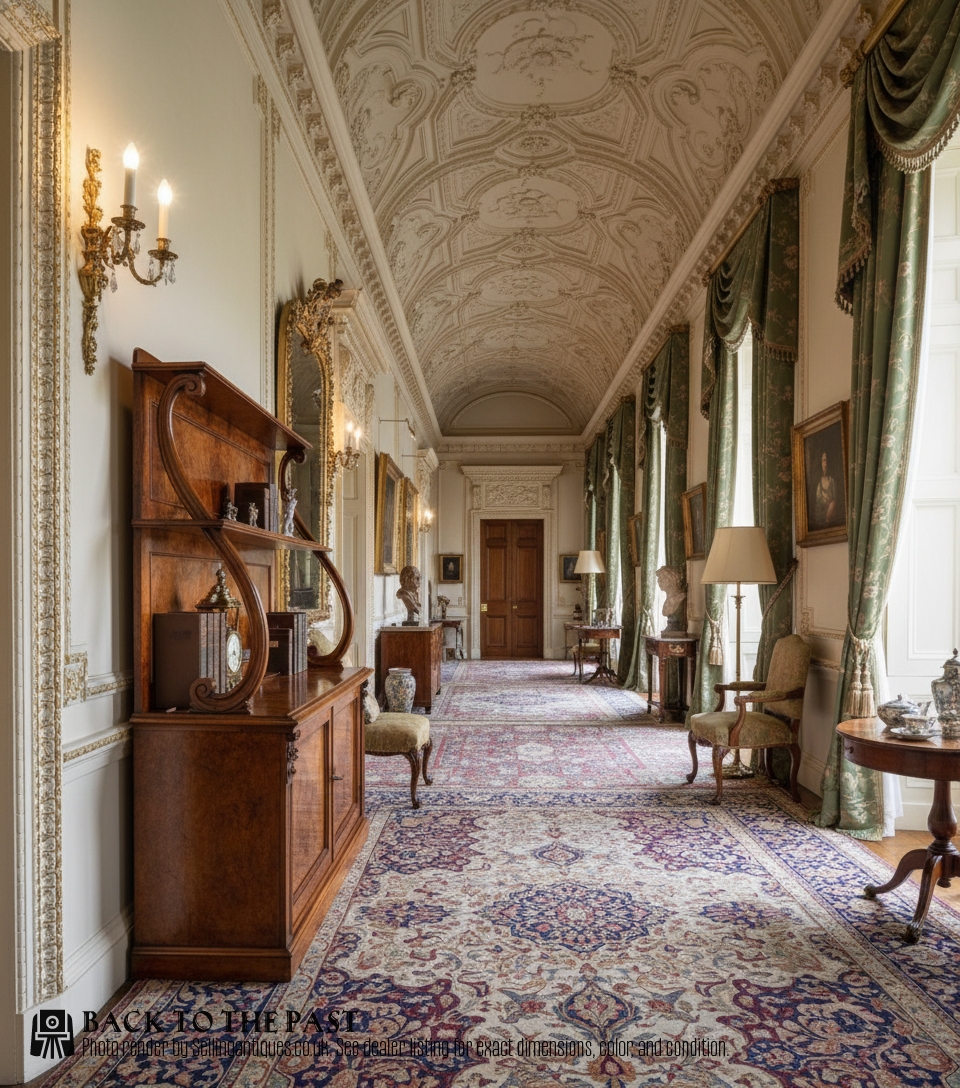
How they were made
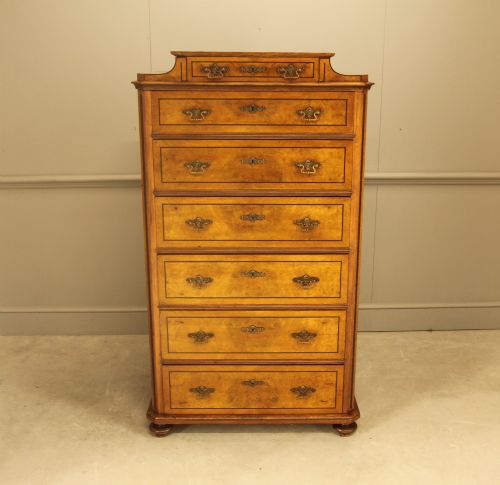
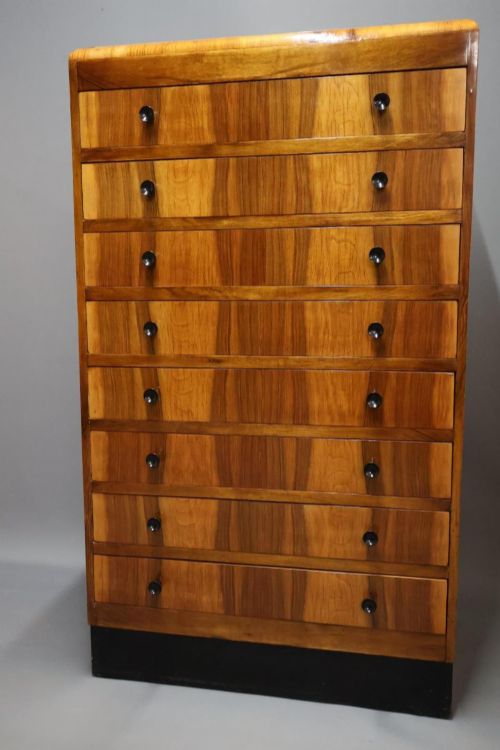
Construction relies upon solid timber carcases overlaid with decorative veneers, particularly burr walnut, which provides a figured and swirling grain pattern. Cabinet makers utilised walnut veneer alongside solid walnut frames to achieve rich surface textures.
Details include inlaid marquetry, ebonised accents, and bookmatched panels where timber grain is mirrored symmetrically. Hardware consists of brass mounts, glass inserts, and fitted marble tops sourced to finish the upper surfaces.
Antique Walnut Chiffonier Retail Price Guide 2026
Typical asking prices for walnut chiffonier among the pieces listed under this phrase on Sellingantiques today, from the lower quarter to the upper quarter. They describe what is for sale here now, not the wider market.
Listings feature Victorian, Edwardian, and Art Deco periods, utilising walnut, burr walnut, marble, glass, and brass.
What varies in quality
Quality rests in the selection of the timber veneer and the precision of its application across the carcase. Exhibition pieces display carefully matched burr walnut figures and intricate marquetry inlay that demand considerable skill.
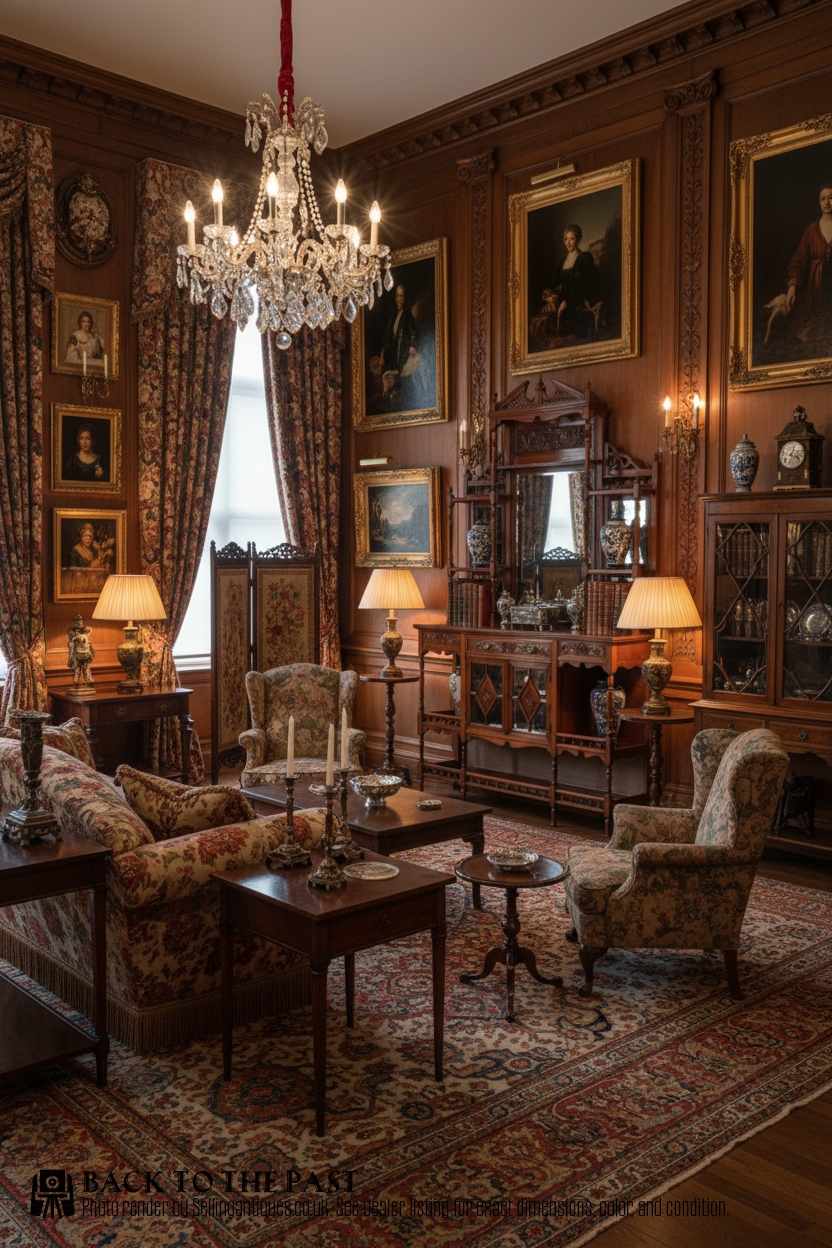
Gillows·James Plunckett Art Furniture Makers
The Antique Walnut Chiffonier Glossary
- Burr walnut
- A figured timber veneer taken from the growth excrescences of the walnut tree, yielding complex, swirling patterns.
- Chiffonier
- A low sideboard or cabinet featuring cupboards, drawers, or shelving, developed during the nineteenth century.
- Credenza
- A low cabinet, frequently featuring glass doors or curved ends, designed for display and storage.
- Marquetry
- Decorative patterns formed by fitting together thin veneers of different coloured woods.
- Ormolu
- Gilded bronze mounts applied as decorative ornaments to furniture carcases.
Antique Walnut Chiffonier: Frequently Asked Questions
What is an antique walnut chiffonier used for?
These cabinets served primarily as practical storage furniture for dining rooms and parlours, holding table linens, cutlery, or ceramics inside enclosed lower cupboards.
The upper surface or attached mirror back provided a dedicated space for displaying decorative porcelain, glassware, or small ornaments.
How do I date an antique chiffonier?
Dating relies upon observing stylistic indicators such as carved mouldings, timber types, and hardware associated with specific decades of the nineteenth and early twentieth centuries.
Victorian examples often feature heavier carved walnut frames and mirrored backs, whereas Edwardian or later pieces tend to show cleaner lines or revival styles.
Where should I place a chiffonier at home?
A chiffonier fits well against a dining room or living room wall where its low profile allows paintings or mirrors to hang comfortably above it.
Pieces with mirrored backs help to bounce natural light around darker corners of a room while providing functional surface space.
What is the difference between a chiffonier and a sideboard?
A chiffonier is typically smaller and more compact than a traditional dining sideboard, often incorporating a raised shelf or a mirror back.
While sideboards focused heavily on serving food and storing large dining items, chiffoniers were designed more for general parlour storage and display.