


French Style Side Cabinet
A french style side cabinet brings continental elegance to a room, offering practical storage through serpentine fronts, marble tops, and delicate marquetry.
French Style Side Cabinet
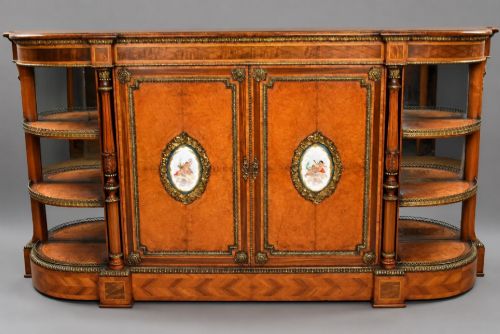
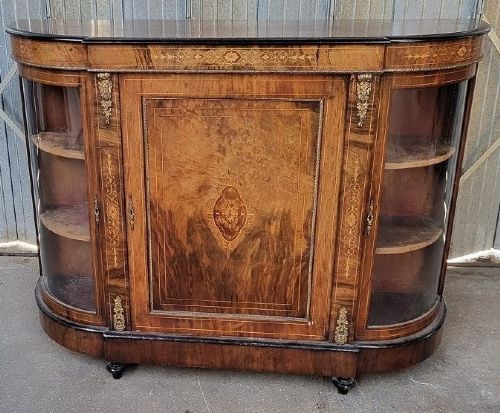
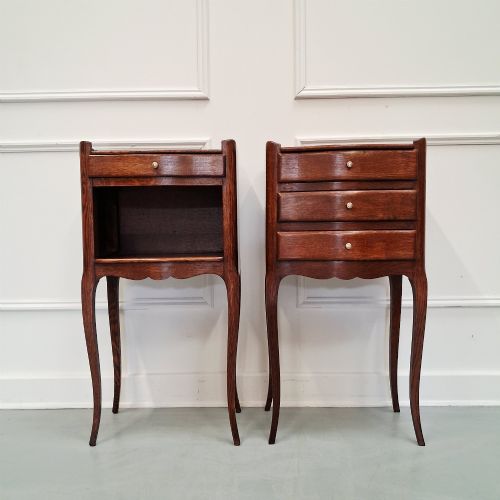
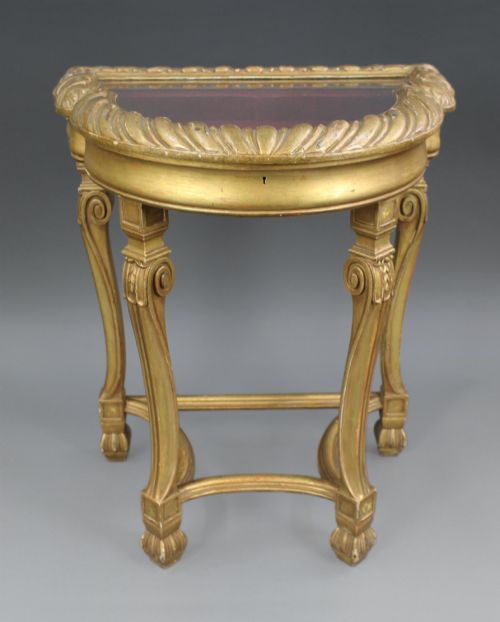
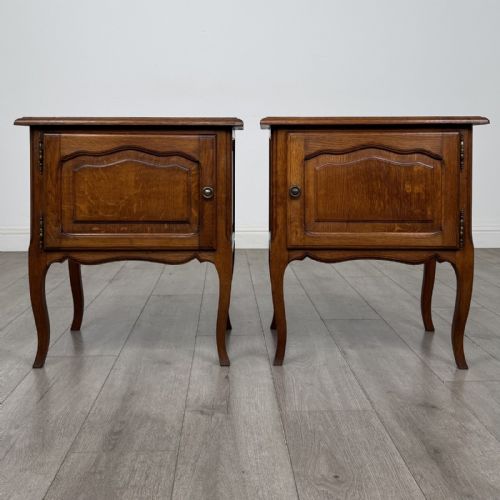
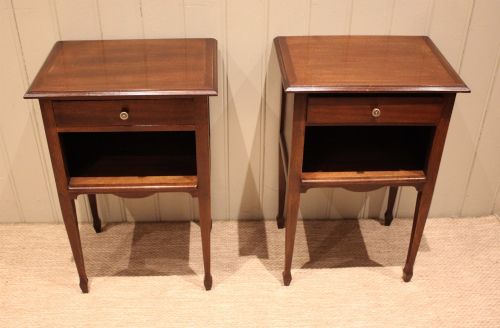
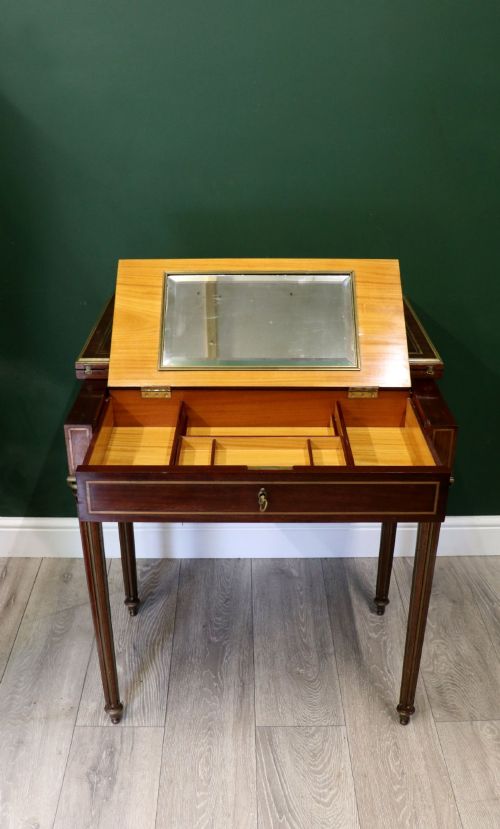
A french style side cabinet encompasses a variety of continental storage furniture, ranging from compact bedside tables and nightstands to larger commodes, vitrines, and credenzas.
Buyers seeking this look will most frequently encounter Louis XV and Louis XVI revival pieces dating from the nineteenth century up to the 1930s.
These items serve multifaceted roles in contemporary interiors, functioning as lamp tables, bedside chests, or statement display pieces in reception spaces.
How they were made
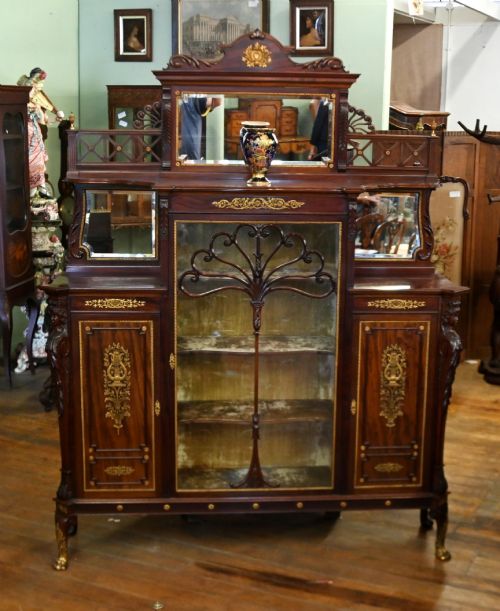
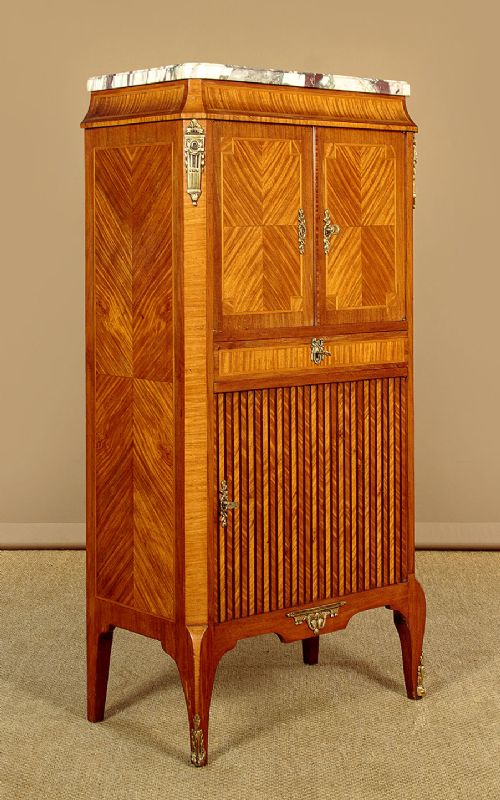
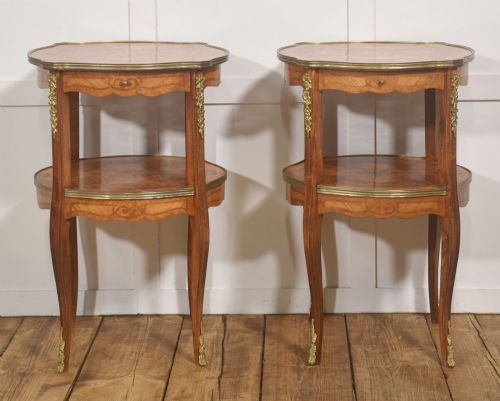
Cabinet makers utilised a rich palette of timber veneers, including burr walnut, kingwood, mahogany, and rosewood, often laid in intricate marquetry patterns across curved surfaces.
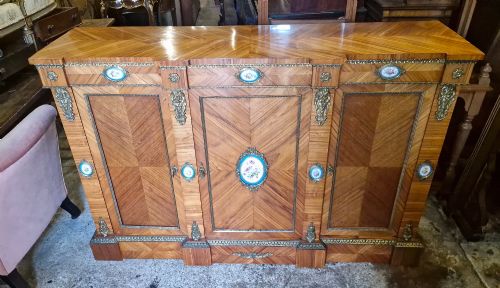
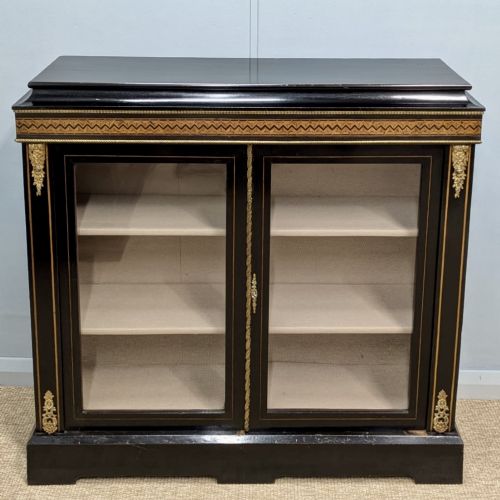
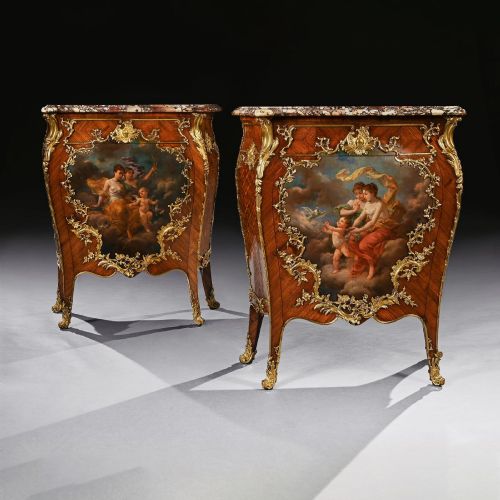
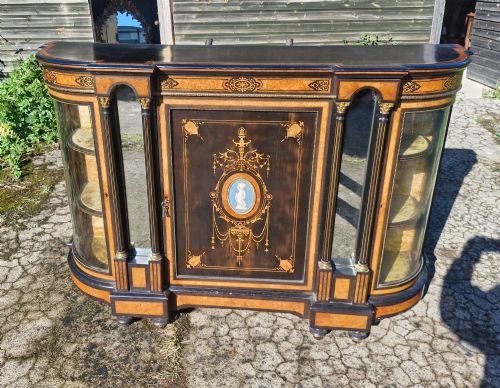
Structural designs frequently incorporated polished marble tops, brass or gilt ormolu mounts, and hand-painted porcelain plaques set into ebonised or mahogany carcases.
French Style Side Cabinet Retail Price Guide 2026
Typical asking prices for french style side cabinet among the pieces listed under this phrase on Sellingantiques today, from the lower quarter to the upper quarter. They describe what is for sale here now, not the wider market.
Listings feature items spanning the Victorian era through to the 1930s, incorporating materials such as ormolu, marble, and burr walnut.
What varies in quality
The standard of execution in the ormolu mounts and the precision of the floral marquetry inlay distinguish finer workshops from standard production items.
Superior examples exhibit substantial weight in their marble tops, refined secondary timbers inside drawers, and fluid, well-proportioned serpentine or bombé shaping.
François Linke·Edward Holmes Baldock
The French Style Side Cabinet Glossary
- Ormolu
- Gilt-bronze mounts applied to furniture for decorative accent. This technique was widely utilised on nineteenth-century revival pieces.
- Marquetry
- Decorative patterns formed by fitting together thin slices of wood veneer. It creates intricate pictorial designs on cabinet doors and tabletops.
- Bombé
- A swelling, outward-curved shape characteristic of rococo case furniture. It requires considerable skill in carpentry to construct accurately.
- Vitrine
- A glass-fronted cabinet designed for displaying delicate porcelain or collectables. These pieces often feature slender cabriole legs and glazed sides.
- Commode
- A low chest of drawers or cabinet originating in France. They frequently feature marble tops and elaborate gilt metal mounts.
French Style Side Cabinet: Frequently Asked Questions
Where should I place a side cabinet?
These versatile items sit comfortably in drawing rooms as lamp tables, or beside a bed for concealed night storage. Their decorative facades allow them to function independently as focal points in hallways.
Matching pairs work exceptionally well flanking a fireplace or framing a larger piece of furniture. Their varied heights and proportions suit spaces where bulkier storage would overwhelm the room.
How do I identify Louis XV style?
Louis XV revival pieces rely heavily on asymmetric curves, cabriole legs, and floral marquetry. The overall aesthetic feels organic and flowing, avoiding rigid symmetry.
Ormolu mounts on these items usually trace the contours of drawers and aprons, emphasising the undulating wood forms characteristic of the rococo revival.
What is the difference between Louis XV and Louis XVI?
Louis XV designs feature curved lines, cabriole legs, and rich rococo ornamentation. The forms are soft, dynamic, and heavily serpentine.
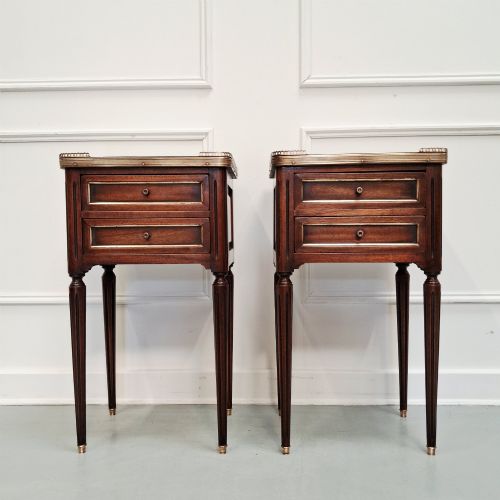
Louis XVI style pivots toward neoclassical restraint, introducing straight tapered legs, fluted columns, and geometric symmetry. The silhouettes become considerably more rectilinear.
How do I care for marble tops?
Marble surfaces require gentle cleaning with a damp cloth and mild soap. Avoid acidic liquids like citrus juice or wine, which can etch the polished stone finish.
Using coasters and protective mats preserves the vintage gloss. Periodic waxing of the wooden carcase beneath keeps the veneer nourished.