


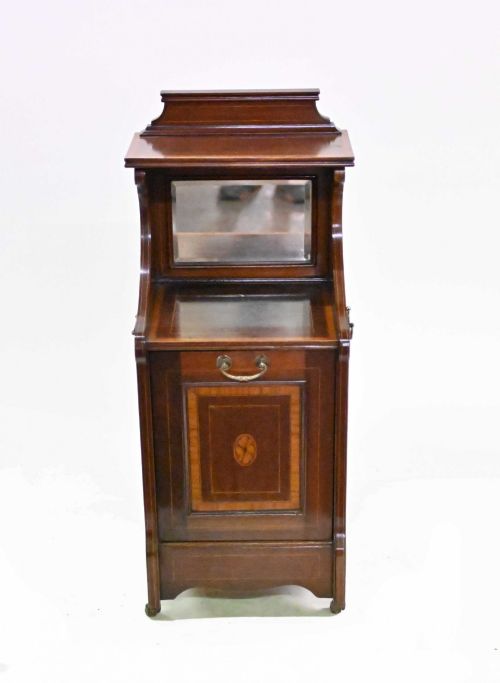
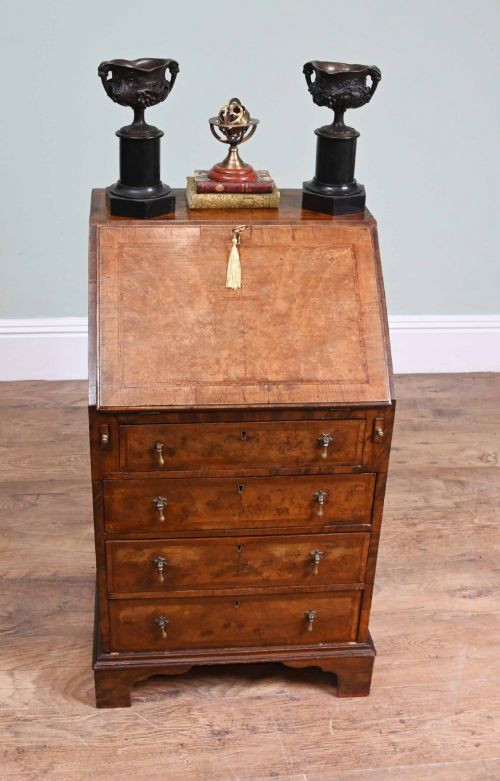
Late Victorian Cabinet
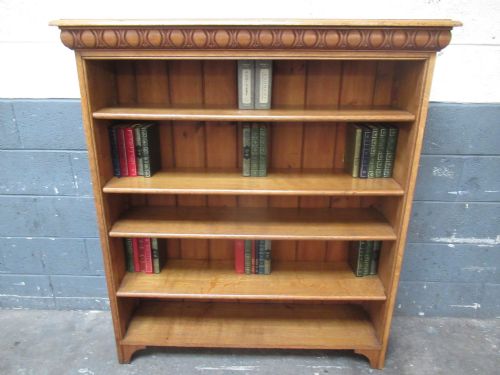
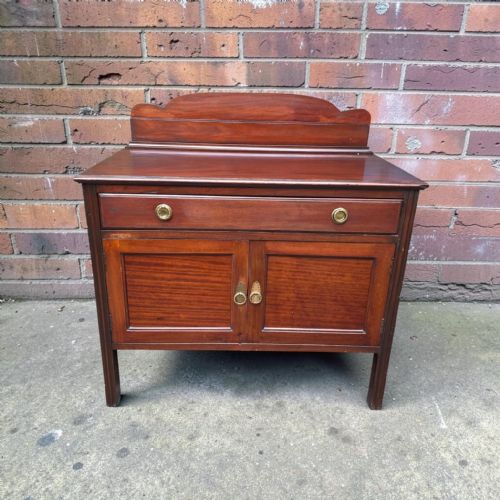
A late victorian cabinet brings domestic storage and display together in forms ranging from compact bedside cupboards to breakfront bookcases.
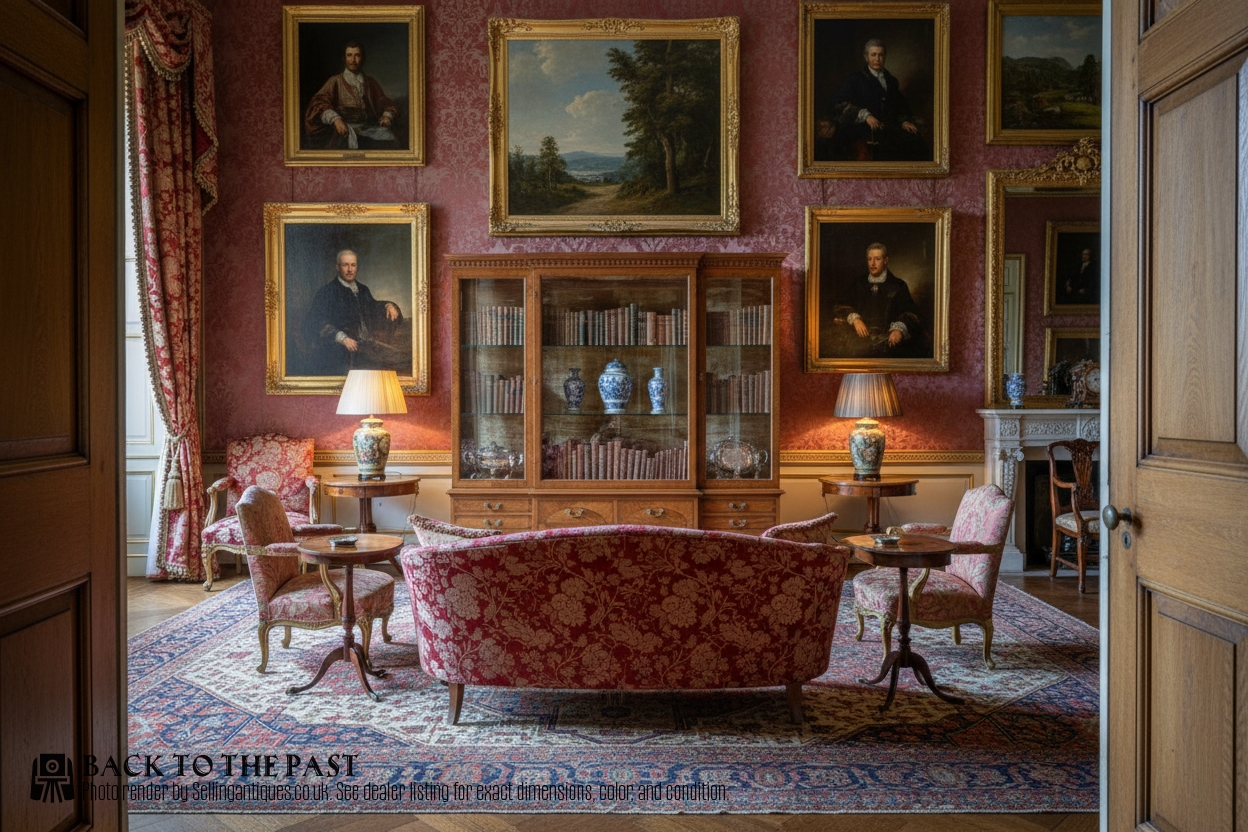
Late Victorian Cabinet
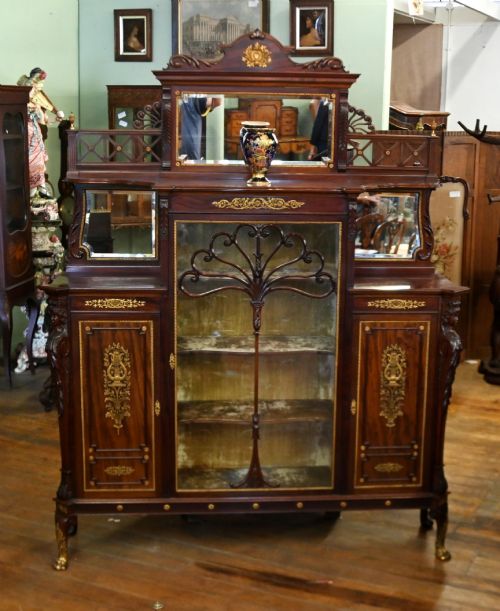
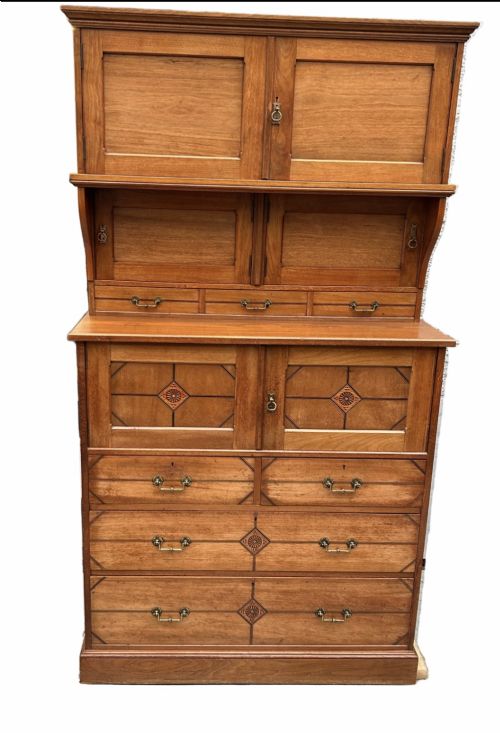
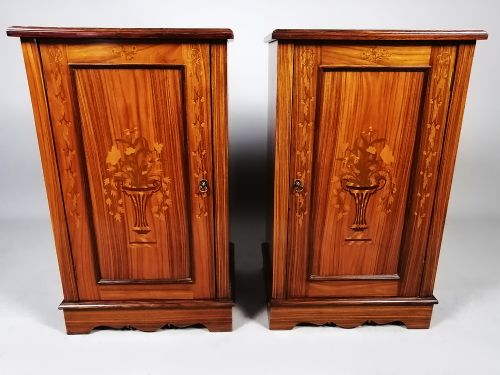
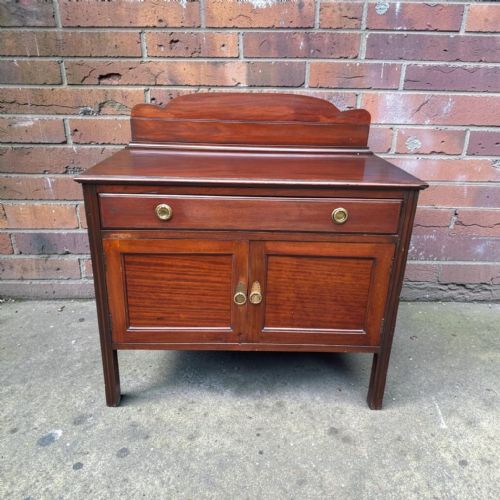
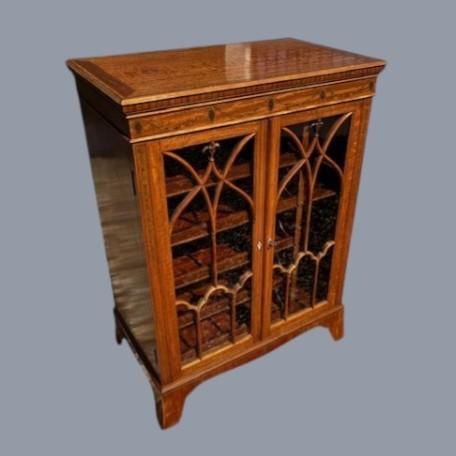
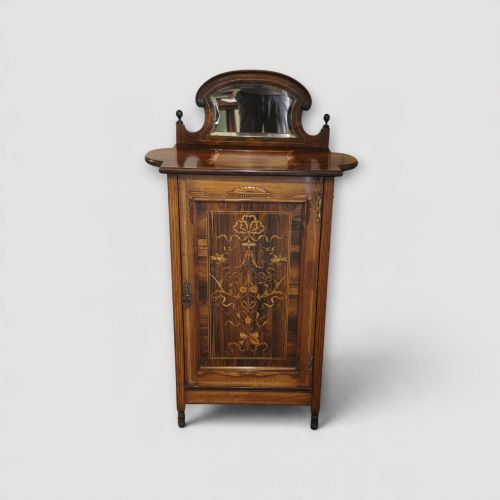
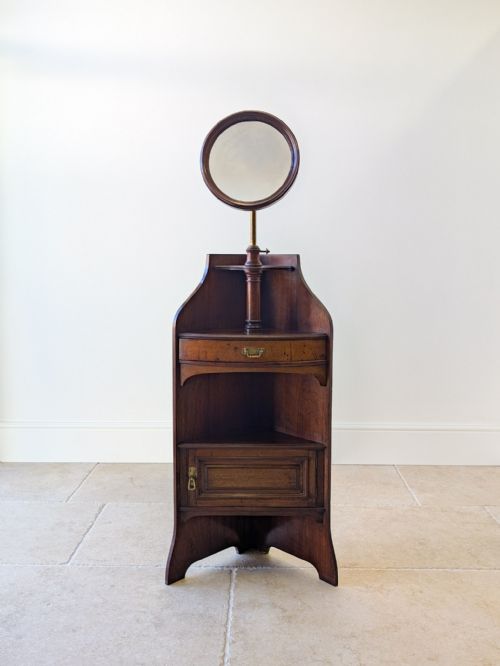
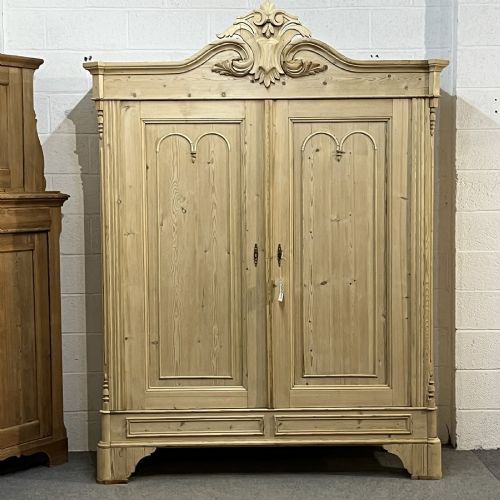
A late victorian cabinet encompasses a wide domestic vocabulary, frequently appearing as bedside cupboards, bookcases, display pieces, corner units, and wall-mounted storage.
The materials span from dense hardwoods like mahogany, walnut, and rosewood to lighter pine and ash, often enriched with marquetry, satinwood inlay, or glass panels.
These items reflect the diverse stylistic revivals of the late nineteenth century, taking cues from Sheraton, Chinese Chippendale, Arts and Crafts, and Gothic designs.
Materials and Construction
Makers utilised solid timbers alongside veneers, applying mahogany, walnut, satinwood, and rosewood over secondary woods for stability and decorative contrast.
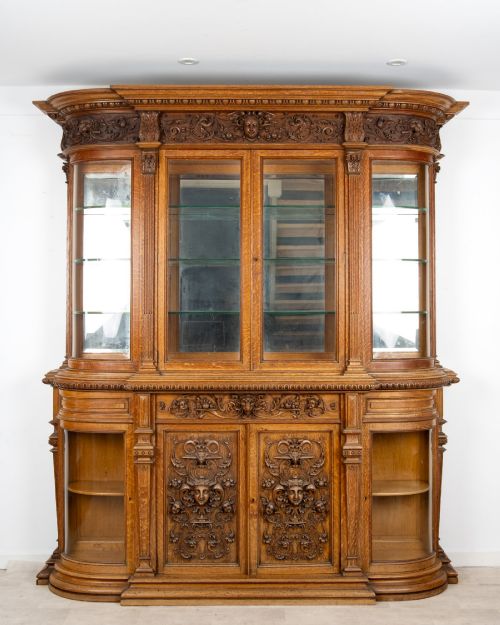
Glazing, carved details, brass castors, and marquetry inlay provide the primary decorative punctuation across bookcases, display cabinets, and bedside tables.
Structural integrity relies on traditional joinery, housing shelves, drawers, and panelled doors within carcases built from oak, pine, or mahogany.
Late Victorian Cabinet Retail Price Guide 2026
Typical asking prices for late victorian cabinet among the pieces listed under this phrase on Sellingantiques today, from the lower quarter to the upper quarter. They describe what is for sale here now, not the wider market.
Several former shop display cabinets and cupboards bear later hand-painted sign-writing for chocolate and cocoa brands.
Assessing the Standard
The standard of a piece rests upon the crispness of its hand-carved elements, the precision of its marquetry or string inlay, and the selection of figured wood veneers.
Structural refinements such as adjustable shelving, solid brass hardware, dovetailed drawer construction, and intact glass panes distinguish finer examples from utilitarian storage.
Collinson & Lock·Edwards & Roberts·Maple & Co.·Trapnell & Gane·Shoolbred·Gillows·Liberty & Co.
The Late Victorian Cabinet Glossary
- Marquetry
- Decorative veneer work forming pictures or patterns by assembling small pieces of wood, shell, or ivory. This technique frequently decorates the doors and friezes of rosewood and mahogany pieces.
- Breakfront
- A piece of furniture whose central section projects forward from the flanking wings. Large bookcases often employ this format to create visual depth.
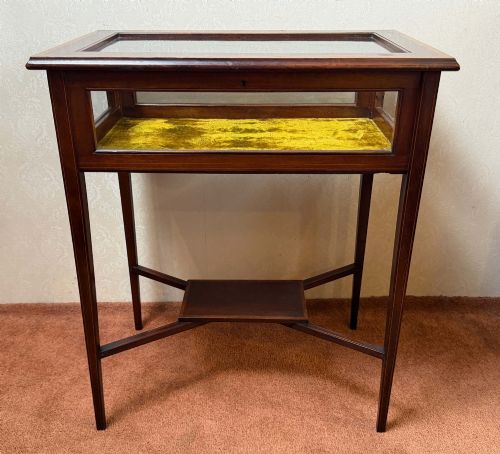
- Bijouterie table
- A glass-topped display table designed for small valuables, curiosities, or jewellery. These tables share the period's taste for public display within private rooms.
- Tantalus
- A small wooden cabinet holding decanters securely behind a locking bar while keeping them visible. Late nineteenth-century examples are commonly framed in oak.
- Pot cupboard
- A small bedside cabinet originally built to house a chamber pot. They frequently feature a single door and a marble top.
Late Victorian Cabinet: Frequently Asked Questions
Where should I put a bedside cabinet?
These compact cupboards suit small spaces beside low beds, offering discreet storage behind panelled or glazed doors.
Pairs frequently appear in the listings, making them practical for matching tables on either side of a bed.
How do I use a display cabinet safely?
Glass-fronted units protect porcelain, books, and collections from dust while allowing full visibility.
Shelves in these cabinets are sometimes adjustable, accommodating items of varying heights.
Can I use a corner cabinet in a modern room?
Corner cupboards and wall cabinets utilise neglected angles in small rooms without taking up floor space.
They offer display space or enclosed shelving while keeping circulation paths clear.
How do I identify Arts and Crafts pieces?
Arts and Crafts examples emphasise plain timber surfaces, honest construction, and minimal ornamentation.
Pine and oak are common in this group, reflecting a shift away from heavily polished revival styles.