



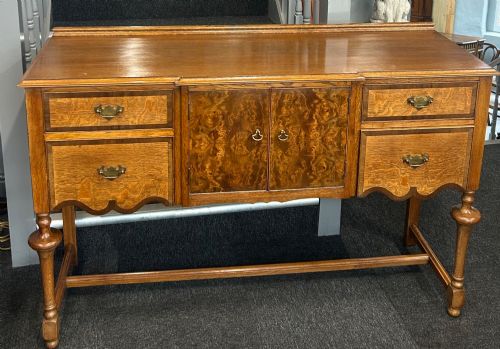
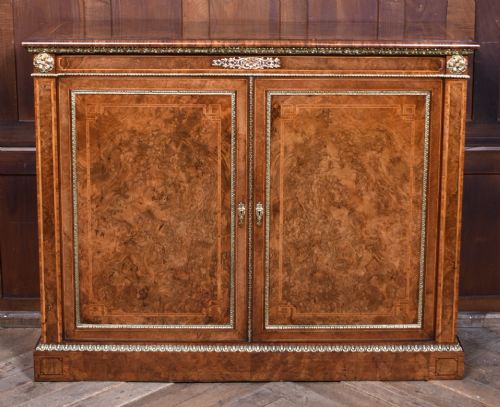


Golden Walnut Credenza
A golden walnut credenza brings warm timber and polished brass into a room, offering both display space and substantial storage.
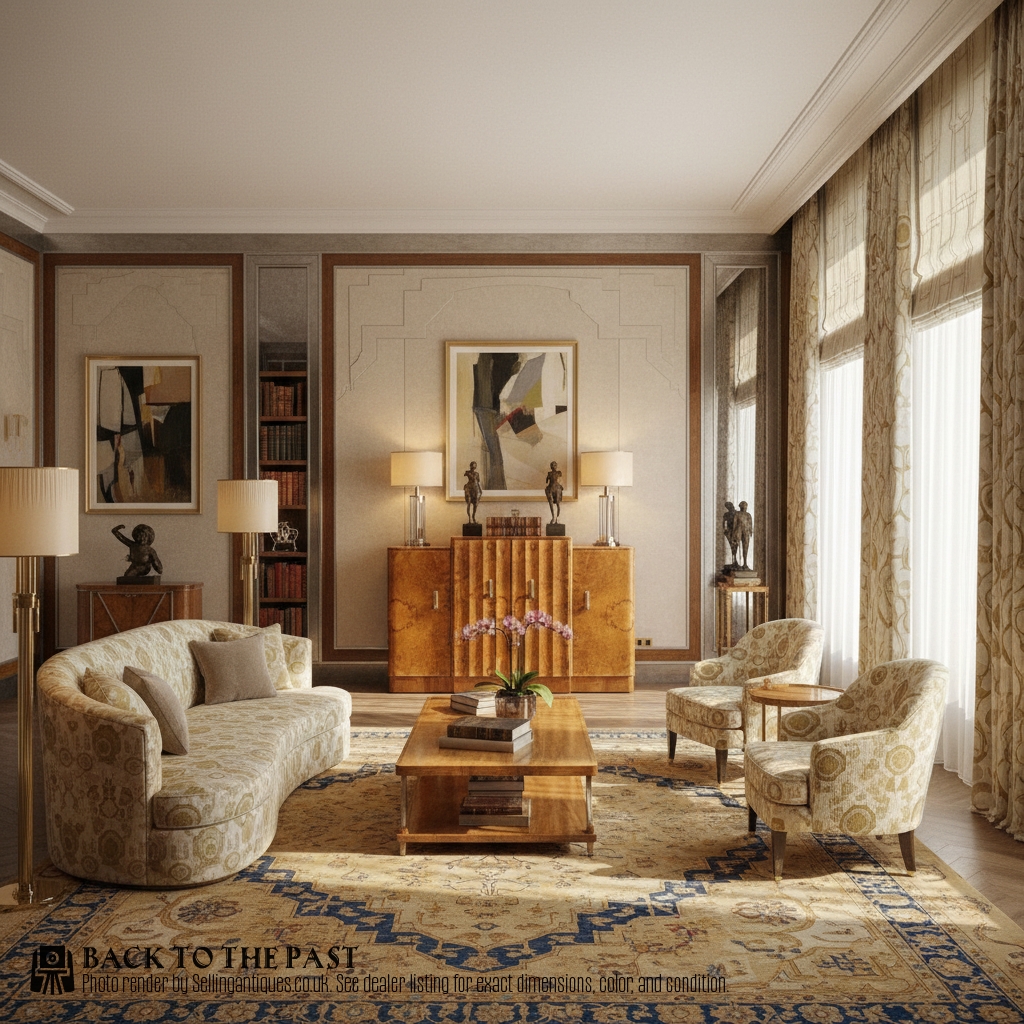
Golden Walnut Credenza
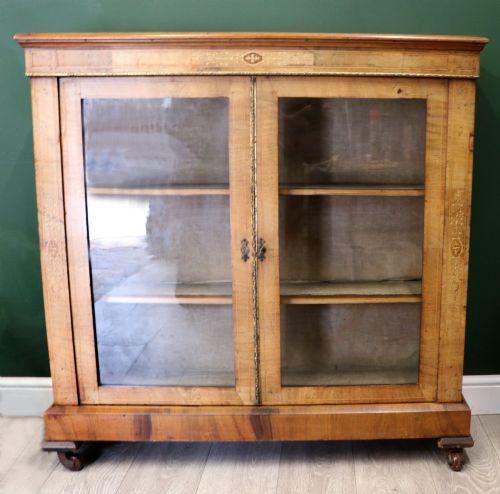
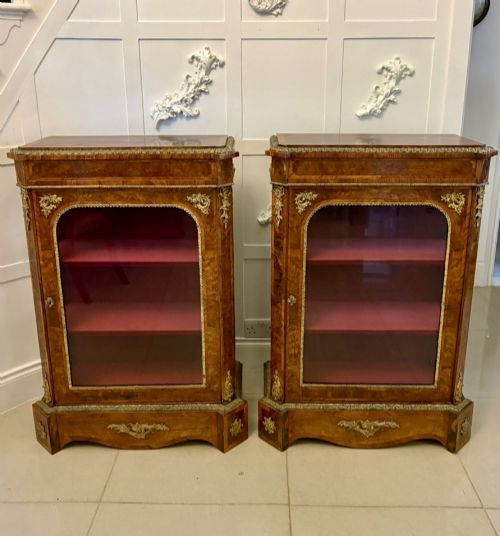
When you search for a golden walnut credenza, you encounter a variety of substantial storage furniture designed for formal rooms. These pieces function primarily as credenzas, sideboards, and side cabinets, serving both display and storage purposes.
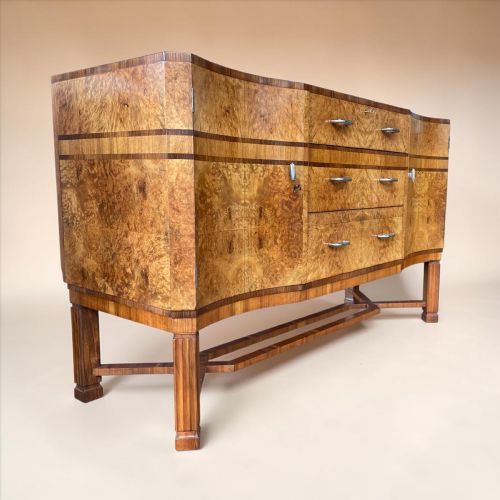
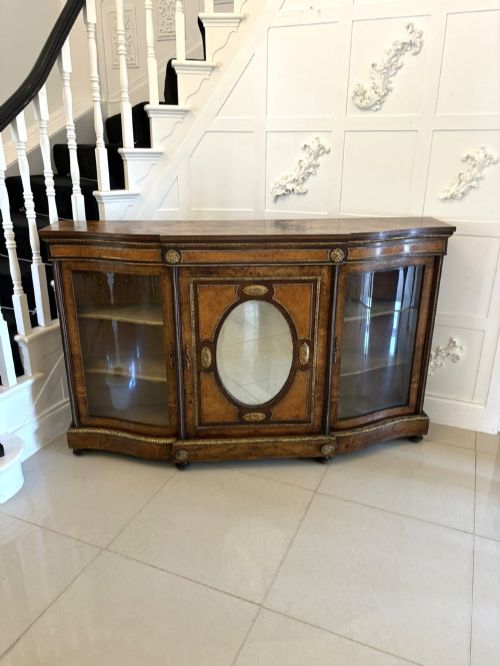
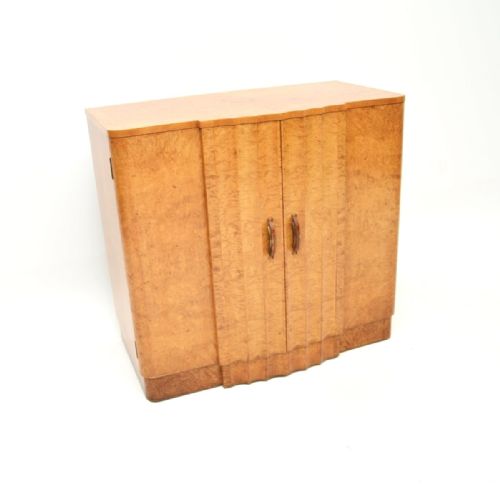
The selections span distinct periods, moving from nineteenth-century Victorian and Edwardian examples through to the clean lines of 1930s Art Deco pieces. Victorian iterations often feature serpentine shapes, mirror backs, and glazed doors, whereas Art Deco designs favour geometric forms and striking veneer patterns.
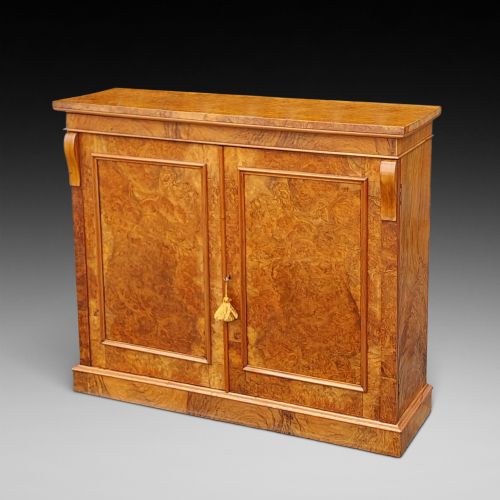
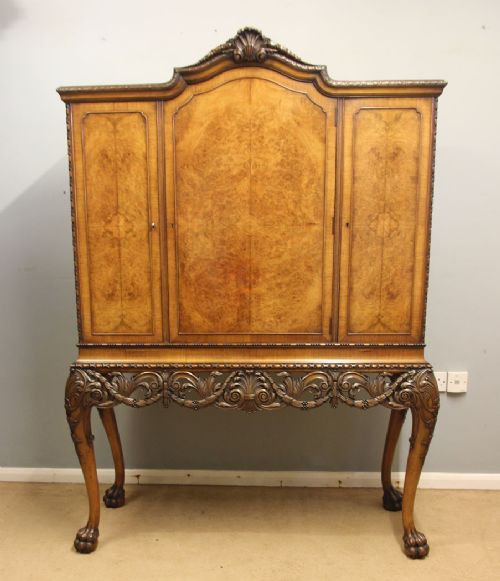
Most items rely on burr walnut timber, showing rich figuring that creates the characteristic golden tone. Alongside traditional sideboards, the range includes pier cabinets, console tables, and cocktail cabinets constructed in walnut.

Materials and Construction
Cabinet makers utilised solid walnut and burr walnut veneer applied over secondary woods to achieve rich grain patterns across large surfaces. This technique highlights the natural figure of the timber, creating warm golden hues.
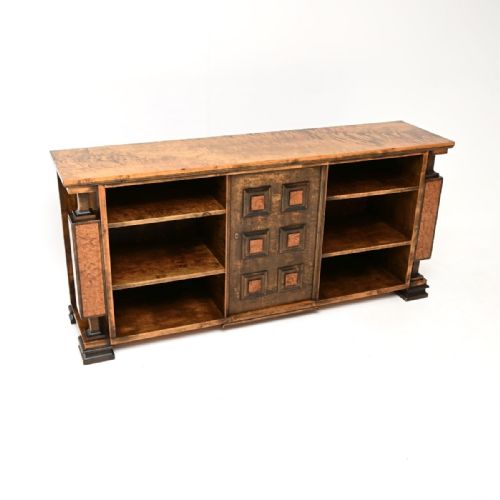
Many nineteenth-century examples incorporate gilt bronze or ormolu mounts, porcelain plaques, and glass panels to enhance the decorative scheme. Later twentieth-century pieces often integrate brass hardware and contrasting woods such as satin birch, amboyna, and kingwood.
Internal structures involve traditional joinery methods, supporting heavy doors and fitted shelving designed to hold china, glassware, or linens.
Golden Walnut Credenza Retail Price Guide 2026
Typical asking prices for golden walnut credenza among the pieces listed under this phrase on Sellingantiques today, from the lower quarter to the upper quarter. They describe what is for sale here now, not the wider market.
Listings feature burr walnut, glass, brass, ormolu, porcelain, and bakelite across Victorian, Edwardian, and Art Deco periods.
Assessing Craftsmanship and Finish
The distinction between standard production and exhibition-quality pieces lies in the selection of the burr walnut veneer and the precision of its book-matching. Finer examples display symmetrical grain patterns that flow seamlessly across doors and drawer fronts.
The intricacy of the secondary decorative elements also dictates distinction, separating simpler sideboards from heavily embellished credenzas featuring detailed ormolu mounts, hand-painted porcelain plaques, and substantial brass hardware.
Structural integrity, original glass panels, and the condition of the polished finish determine the enduring appeal of each cabinet across both Victorian and Art Deco eras.

Harry and Lou Epstein·Hille
The Golden Walnut Credenza Glossary
- Credenza
- A low cabinet, typically featuring central doors flanked by curved glass display sections, designed for dining rooms and salons.
- Burr Walnut
- Timber taken from the warted growth of a walnut tree, yielding complex, swirling grain patterns highly prized for decorative veneer.
- Ormolu
- Gilded bronze mounts applied to furniture to accent corners, friezes, and feet, frequently seen on mid-nineteenth-century pieces.
- Pier Cabinet
- A narrow cabinet specifically built to stand against the wall space between windows, often incorporating glazed doors for display.
- Demi-Lune
- A half-moon shape characteristic of console tables and small cabinets designed to sit flush against a flat wall.
Golden Walnut Credenza: Frequently Asked Questions
Where did people put a credenza?
Victorian households placed credenzas in formal dining rooms and drawing rooms to display fine porcelain and store silver.
Later Art Deco iterations served similar functions in reception rooms, often acting as serving tables or dedicated cocktail cabinets.
How do I clean walnut veneer?
Dust the surface regularly with a soft, dry cloth to prevent the accumulation of grit that might scratch the delicate polished timber.
Apply a traditional beeswax polish sparingly when the wood appears dry, buffing it gently to maintain the warm lustre.
What is the difference between a sideboard and a credenza?
A sideboard generally stands taller and acts primarily as a serving station with drawers and cupboards for dining room storage.
A credenza historically incorporates curved glazed display sections flanking central doors, placing greater emphasis on visual presentation.