




Fluted Walnut Cabinet
A fluted walnut cabinet brings tactile linear rhythm and rich grain into a room, spanning periods from the eighteenth century to Art Deco.

Fluted Walnut Cabinet
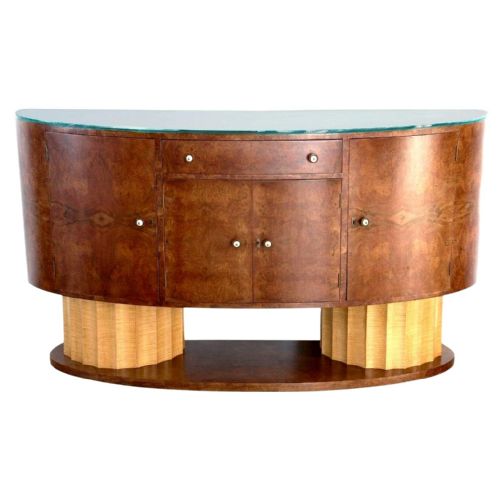
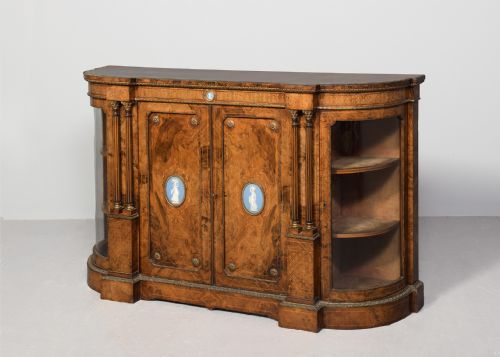
When you search for a fluted walnut cabinet, you are looking at functional storage pieces dressed in rich timber with distinctive vertical channelling. The selection ranges from Victorian bookcases and credenzas to Art Deco cocktail cabinets and sideboards.
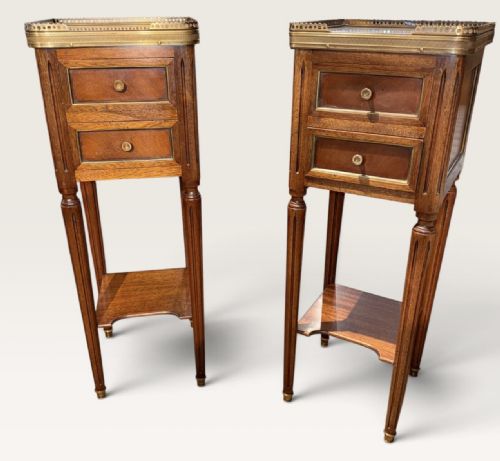
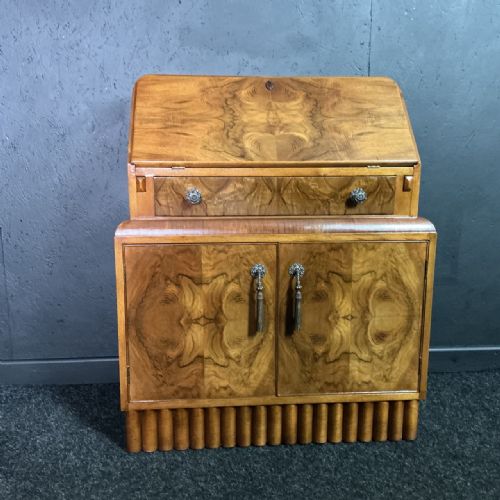
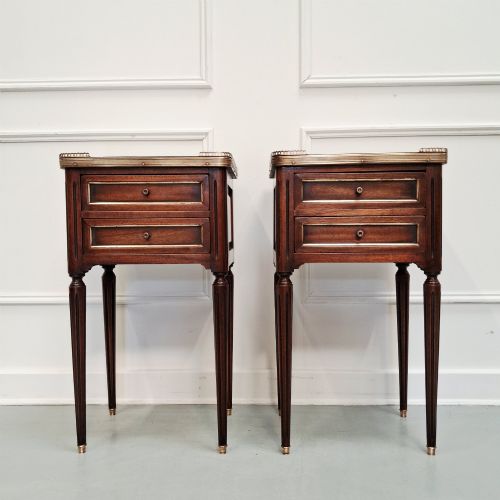
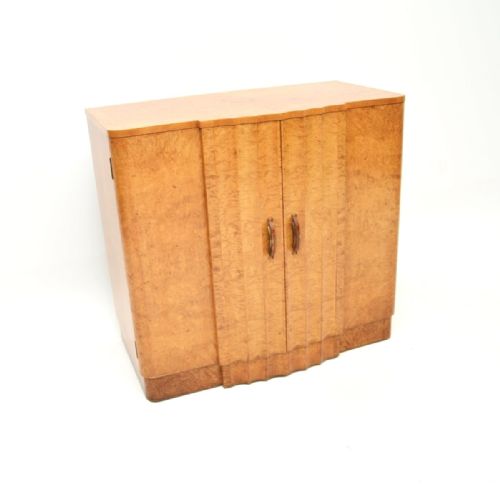
The version you are most likely to meet on this page is an Art Deco piece from nineteen thirty, often executed in burr walnut veneer by makers such as Harry and Lou Epstein or Hille. Earlier nineteenth-century examples in plain walnut also appear frequently, alongside French bedside cabinets and Italian sideboards.
How they were made
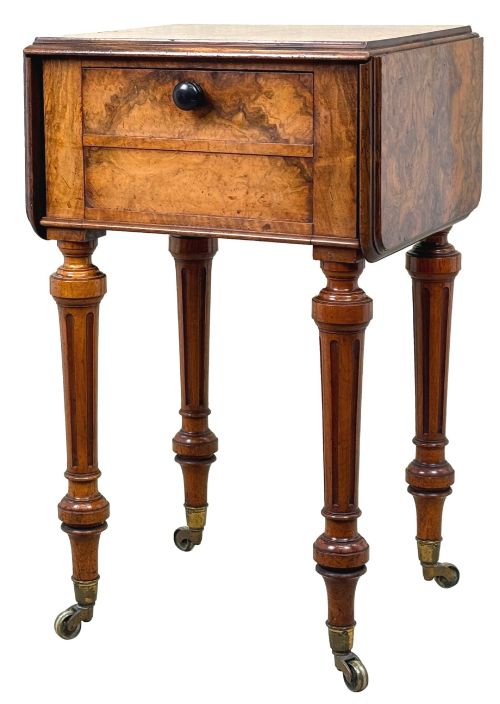
Maker's hands shaped these pieces using solid walnut and decorative walnut veneer over sturdy hardwood carcases. Burr walnut sections were selected for their swirling grain patterns, laid carefully across doors and drawer fronts to catch the light.
Details like brass fittings, glass doors and marble tops completed the construction. The characteristic fluting was carved or moulded directly into the timber or veneer to create rhythmic shadow lines across the surface.
Fluted Walnut Cabinet Retail Price Guide 2026
Typical asking prices for fluted walnut cabinet among the pieces listed under this phrase on Sellingantiques today, from the lower quarter to the upper quarter. They describe what is for sale here now, not the wider market.
Art Deco cocktail cabinets hide mirrors and glass shelves inside, ready to host an evening gin.
What varies in quality
The standard of execution separates everyday storage from exhibition-quality works. Superior examples show meticulous book-matching in the burr walnut veneer and crisp, even depth in the carved fluting.
Hardware choice and timber selection dictate the final presence of the piece. Heavy brass mounts, thick marble slabs and flawless timber joints elevate an ordinary sideboard or cabinet into a striking focal point.
Harry and Lou Epstein·Hille
The Fluted Walnut Cabinet Glossary
- Fluting
- Parallel vertical grooves cut into the surface of wood. This classical detail adds texture and linear structure to the facade of a cabinet.
- Credenza
- A low storage unit originating in Italy, often featuring multiple doors and used for serving or display. Victorian and later makers adopted the form for refined drawing rooms.
Fluted Walnut Cabinet: Frequently Asked Questions
What is a fluted walnut cabinet?
A fluted walnut cabinet is a storage piece defined by vertical carved grooves and rich walnut or burr walnut timber. These items span styles from Victorian bookcases to Art Deco cocktail cabinets.
They serve as practical storage while adding distinct architectural texture and warm timber tones to an interior space.
How do I date a walnut cabinet?
Dating relies on observing construction methods, hardware styles and overall design characteristics. Pieces from the eighteen sixties often display heavy Victorian proportions, whereas nineteen thirty items show streamlined Art Deco geometry.
Material combinations, such as the use of blonde burr walnut paired with sycamore, also point toward specific twentieth-century design movements.
Where should I place a walnut cabinet?
A walnut cabinet suits living rooms, dining spaces or hallways depending on its specific form. Sideboards and credenzas work well in dining areas for storing tableware, while bedside cabinets fit smaller domestic corners.
Keep wooden furniture away from direct heat sources and strong sunlight to protect the walnut veneer from drying out.
What is burr walnut?
Burr walnut comes from an excrescence on the walnut tree where the grain grew in a deformed manner. When sliced into veneer, it reveals complex, swirling circular patterns.
Cabinet makers utilise this figured wood on prominent surfaces like doors to create striking visual contrast against plainer timber borders.