


Art Deco Buffet
An art deco buffet brings strong geometric lines and rich wood veneers directly into a dining room.

Art Deco Buffet
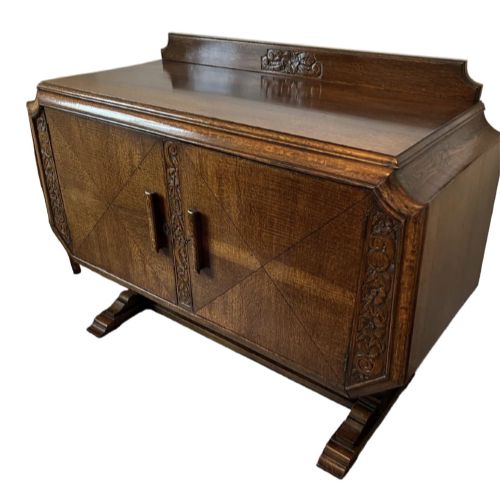
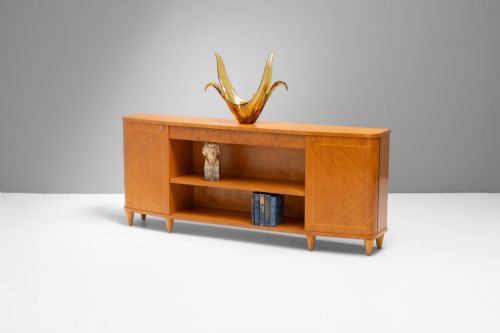
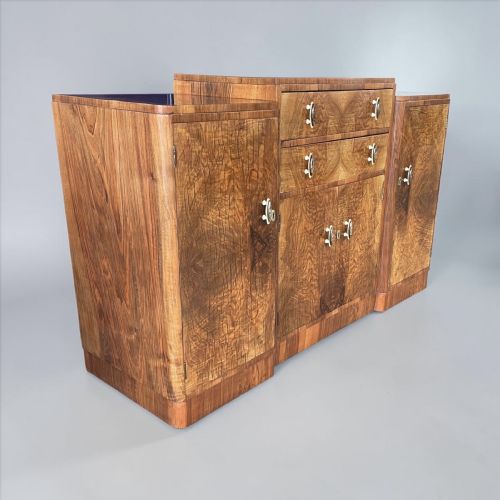
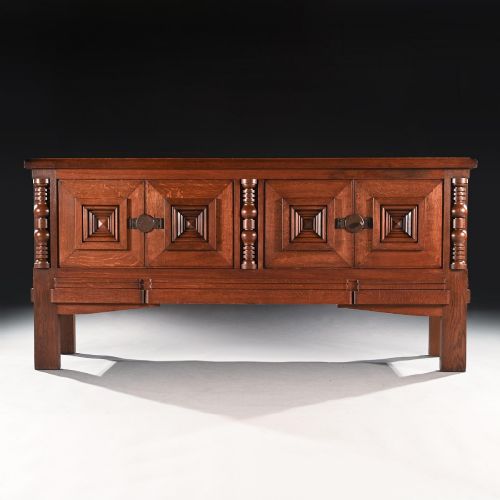
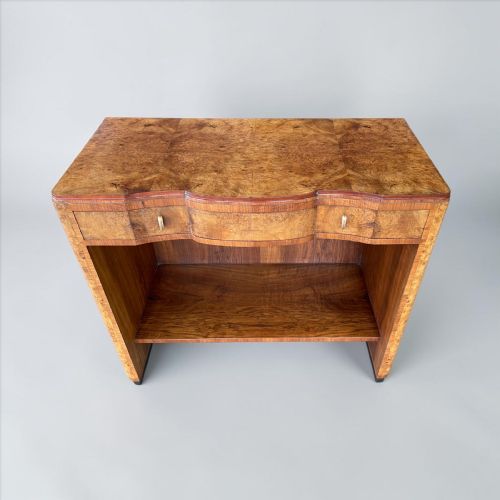
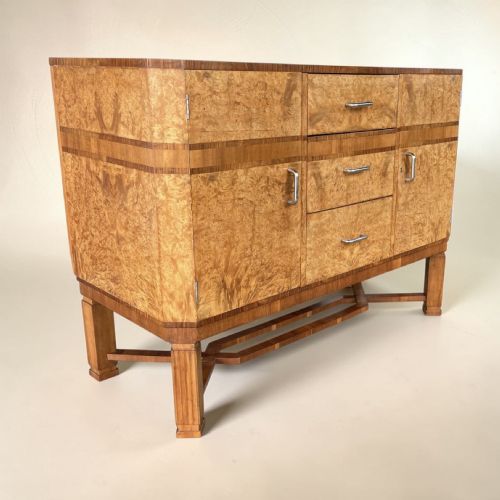
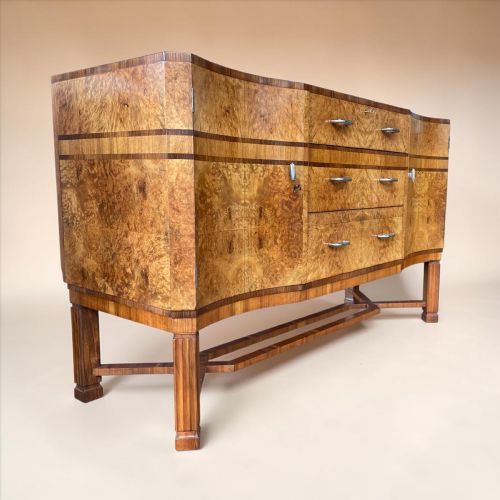
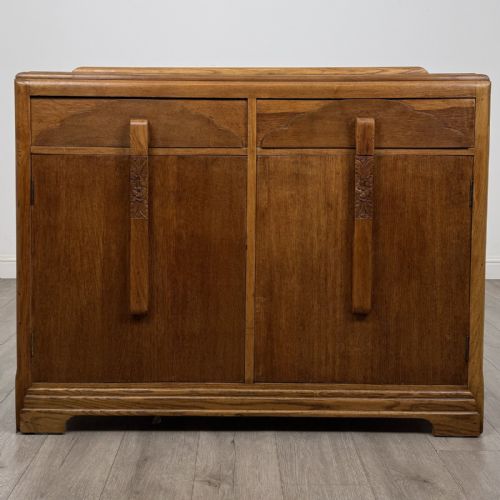
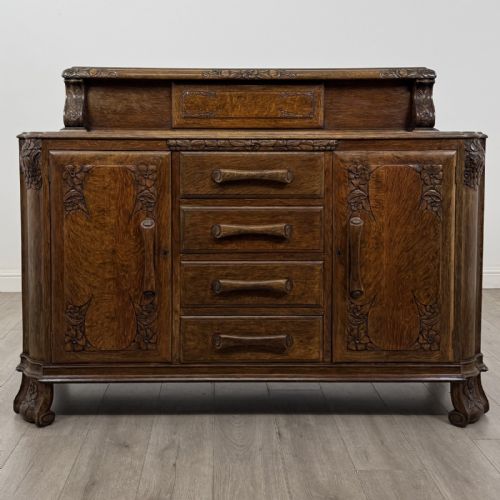
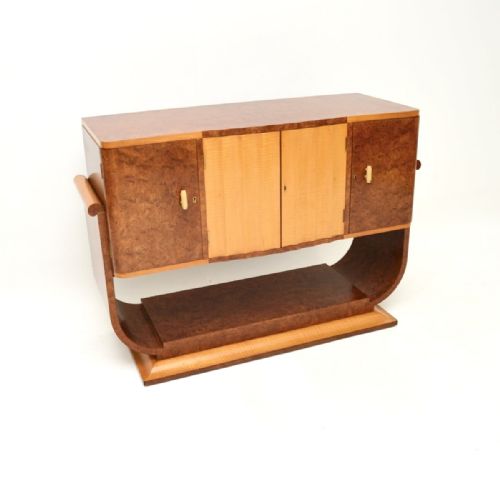
An art deco buffet serves as a substantial dining room storage piece, frequently appearing alongside sideboards and credenzas from the nineteen-thirties and nineteen-twenties. These cabinets provide deep internal shelving and compartmentalised drawers intended for dining silver and glassware.
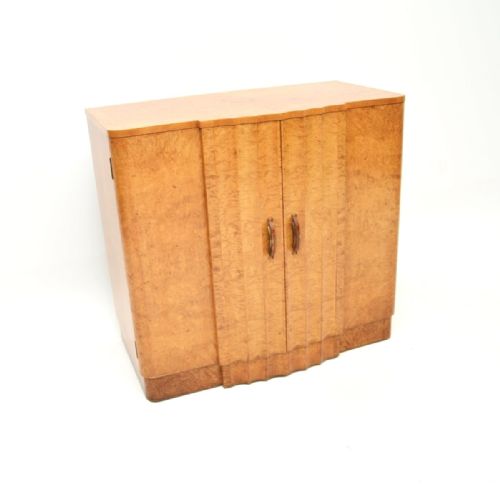
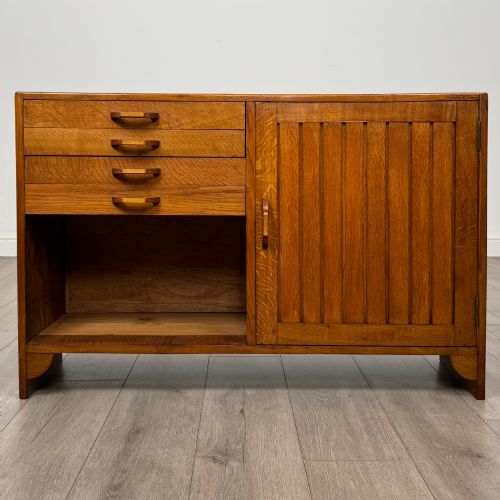
The versions met most often on this page take the form of substantial wooden carcasses, spanning both English workshops and continental makers from France and Italy. They sit low and broad on the floor, trading Victorian verticality for sweeping horizontal proportions.
Materials and construction
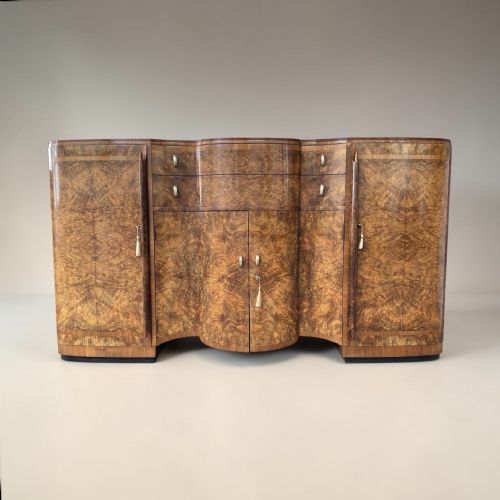
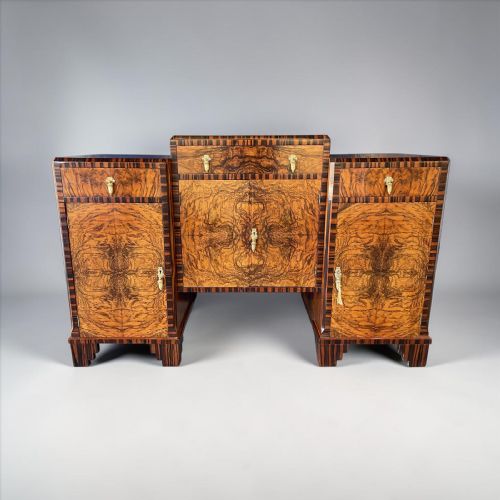
Cabinet makers relied heavily on timber frames dressed in decorative wood veneers, selecting burr walnut, plain walnut, oak, and sycamore to create striking grain patterns across the front doors. Selected examples incorporate contrasting banding or parquetry to accentuate the geometric geometry of the period.
Art Deco Buffet Retail Price Guide 2026
Typical asking prices for art deco buffet among the pieces listed under this phrase on Sellingantiques today, from the lower quarter to the upper quarter. They describe what is for sale here now, not the wider market.
The documented pieces span four distinct decades ranging from Edwardian productions through to nineteen-forties French designs.
Assessing build and design
The distinction between standard production and top tier work rests on the selection of the veneer and the skill of the matching across the drawer fronts and doors. Superior pieces display book-matched grain that flows symmetrically across the entire face of the cabinet.
Maker attribution and documented origin elevate the standing of a piece, particularly when bearing the mark of notable London and Parisian firms. Hardware quality also marks the grade, with heavy cast brass or specialised metalwork outperforming simple commercial fittings.
Maurice Adams·Harry and Lou Epstein·Gomme·Hille·Charles Dudouyt·Heals of London·Hamptons of Pall Mall London·Bowman Brothers·Gaston Poisson·Jules Leleu
The Art Deco Buffet Glossary
- Veneer
- A thin slice of figured wood applied over a secondary timber core. This technique allowed cabinet makers to display complex grain patterns without using solid costly lumber.
- Book-matching
- A method of arranging veneer sheets adjacent to each other so that the grain mirrors the other, creating symmetrical patterns across cabinet doors.
- Parquetry
- Geometric mosaic woodwork used for decorative inlay on furniture surfaces. It forms repeating patterns using contrasting wood species.
- Credenza
- A dining room storage cabinet without legs, sitting directly on the floor or on a low plinth. It shares its primary function with the buffet and sideboard.
- Serpentine
- A furniture front that curves inward centrally and bows outward at the ends. This contour gives movement and depth to heavy storage pieces.
Art Deco Buffet: Frequently Asked Questions
What is the difference between a buffet and a sideboard?
A buffet is traditionally dedicated to serving food and storing dining accessories, often standing slightly lower or possessing specialised serving trays. Sideboards share a nearly identical form and purpose within dining spaces.
Cabinet makers of the period used both terms interchangeably depending on whether the piece originated in English workshops or continental studios.
How do I care for burr walnut veneer?
Burr walnut requires stable humidity and protection from direct sunlight to prevent the thin decorative wood from drying out or fading. Regular dusting with a soft dry cloth maintains the polished finish.
Avoid placing damp items or hot serving dishes directly onto the wooden surface without protective mats.
Where were these pieces manufactured?
Production centred around major design hubs in London and Paris, with significant contributions from Italian and regional French workshops. English makers favoured figured oak and walnut while Parisian studios embraced exotic woods and mirrored glass.
Regional variations appear in the choice of hardware and the boldness of the geometric curves.
How do I identify the period of an art deco buffet?
Dating relies on examining the carcass construction, handles, and timber choices typical of the nineteen-twenties and nineteen-thirties. Pieces from this era combine traditional joinery with modernist architectural silhouettes.
Maker stamps inside drawers or paper labels on the backboards offer the clearest confirmation of origin.