
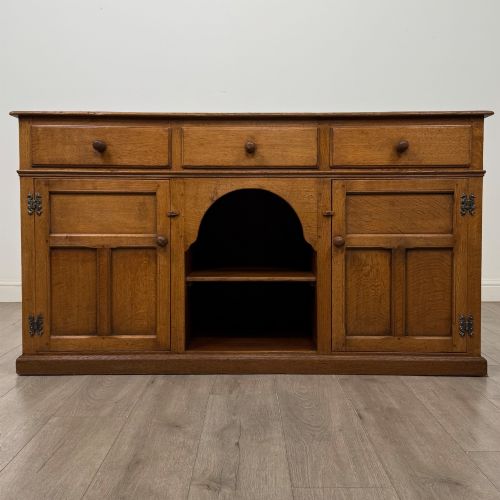
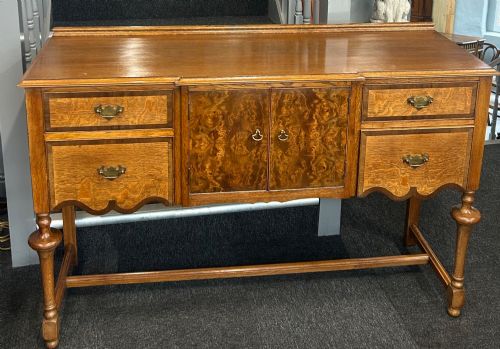


Golden Oak Sideboard
A golden oak sideboard brings warmth and substantial storage to a dining room or hallway.

Golden Oak Sideboard
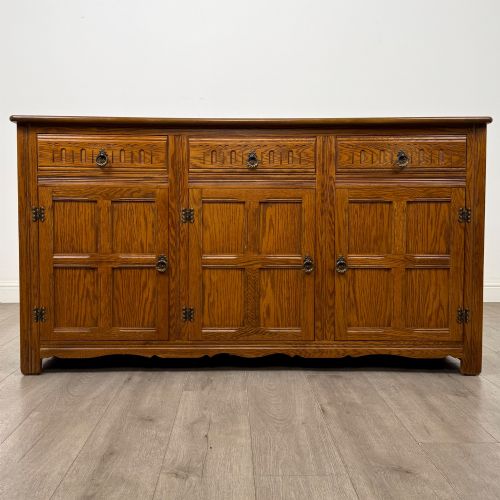
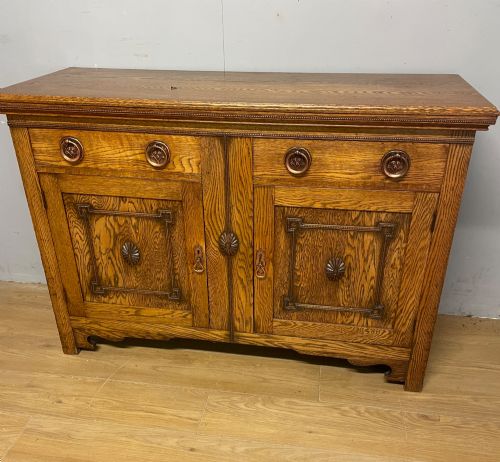
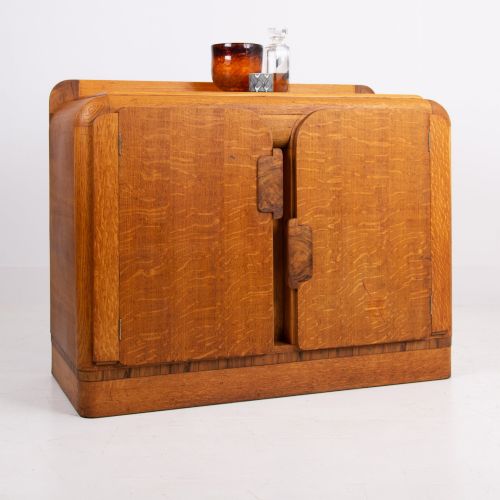
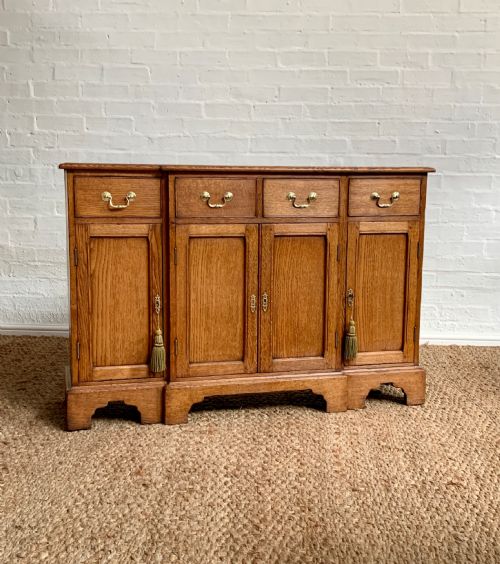
A golden oak sideboard is a sturdy storage cabinet designed for dining rooms, often featuring a combination of cupboards and drawers. When you search for a golden oak sideboard, you encounter pieces spanning from the Victorian and Edwardian eras through to the Arts and Crafts and Art Deco movements.
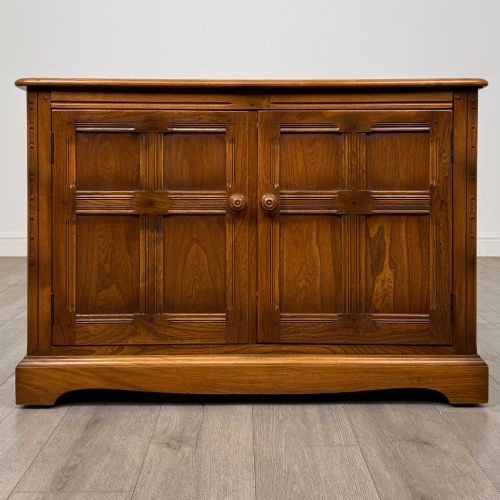
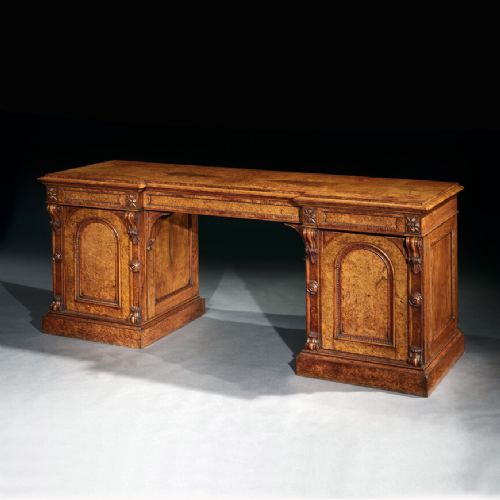
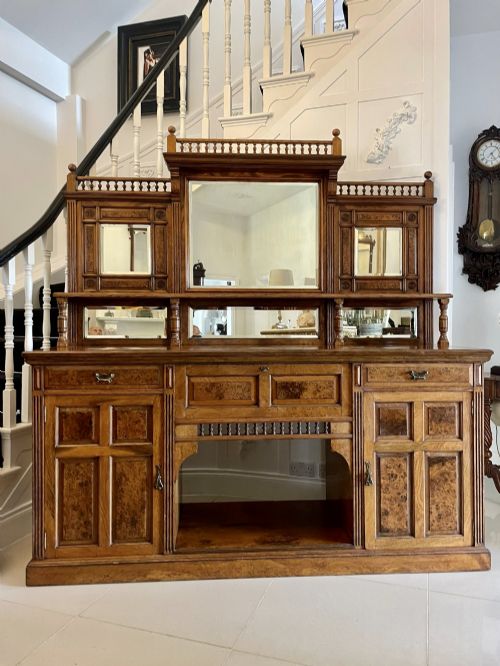
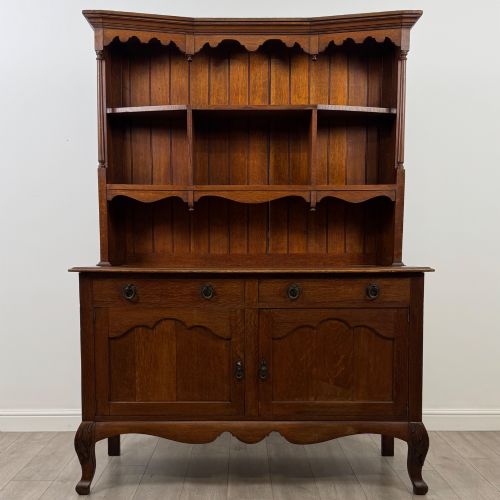
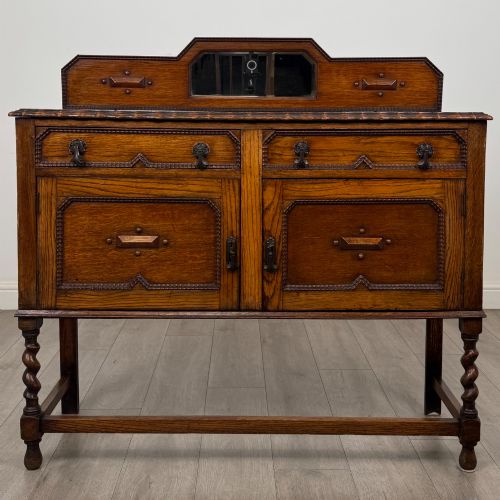
The pieces on this page appear in various formats, including pedestal sideboards, dresser bases, and mirrored back buffets. Edwardian and 20th-century examples frequently showcase the bright, honeyed tones of golden oak.
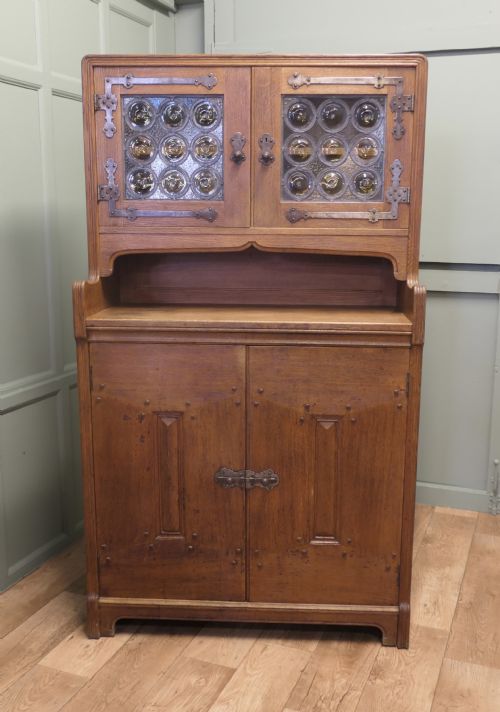
Makers and designers from Liberty, James Schoolbred, Gomme, and Gillows shaped this category. Buyers also find substantial country pieces and Jacobean revival designs alongside Cotswold School cabinets.
Materials and Construction
Makers utilised solid oak, often selected for its distinct grain, complemented by pollard oak and burr walnut veneers to create rich surface patterns. Cabinetmakers incorporated brass handles, copper details, and iron hardware to accent the timber.
Structural elements frequently feature carved ornamentation, mirror glass panels in backboards, and panelled doors. Construction methods range from traditional hand-carved Gothic motifs to clean-lined Arts and Crafts joinery.
Golden Oak Sideboard Retail Price Guide 2026
Typical asking prices for golden oak sideboard among the pieces listed under this phrase on Sellingantiques today, from the lower quarter to the upper quarter. They describe what is for sale here now, not the wider market.
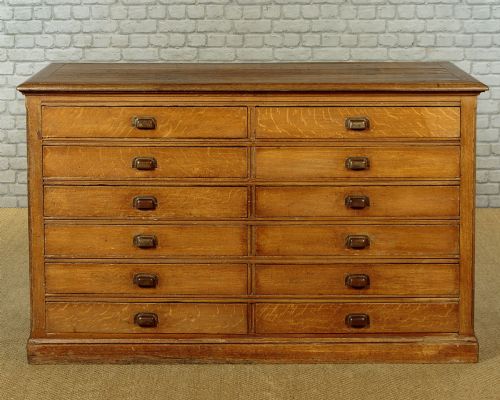
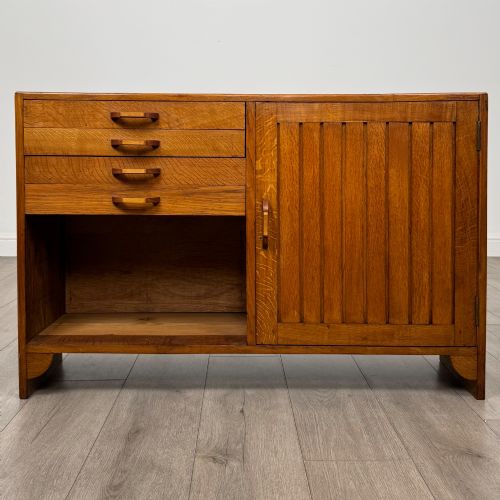
Cabinets range from massive mirrored credenzas to compact 20th-century cupboards and multi-drawer banks.
Assessing Quality and Craftsmanship
Quality in these sideboards rests on the selection of timber and the depth of the carving. Finer pieces display carefully matched oak and pollard oak grain across large surfaces rather than random board selection.
Superior execution shows in the weight of the brass and copper mounts and the crispness of Gothic or Arts and Crafts carved details. Maker attribution, such as work originating from Liberty or Gillows, also distinguishes exceptional examples.
Liberty and Co·Gomme·Gillows·Waring and Gillows
The Golden Oak Sideboard Glossary
- Golden oak
- A bright, warm shade of oak timber popular in Edwardian and late Victorian furniture. It highlights the natural medullary rays in the wood.
- Pollard oak
- Timber taken from trees that have been pollarded, producing a dense, highly figured grain full of small knots. Makers used it as a decorative veneer on statement sideboards.
- Dresser base
- A low cabinet with drawers and cupboards, originally used in kitchens or dining rooms for serving food and storing tableware. They form a significant portion of this category.
- Mirror back
- An upright wooden superstructure attached to the rear of a sideboard, holding a bevelled mirror glass plate. This feature reflects light and displays decorative objects.
- Arts and Crafts
- A design movement focusing on traditional craftsmanship, simple forms, and honest construction. Pieces from this style often feature hand-beaten copper or brass hardware.
Golden Oak Sideboard: Frequently Asked Questions
What rooms suit a golden oak sideboard?
These sideboards work well in dining spaces for storing tableware and serving food. Their substantial storage capacity also makes them practical for hallways and living rooms.
Selecting a piece with a mirror back adds light to smaller rooms, while low dresser bases function well beneath artwork.
How do I care for golden oak furniture?
Keep wooden surfaces clean with a soft, dry cloth to remove dust. Avoid placing the timber in direct sunlight or near heat sources to prevent the grain from drying.
Applying a traditional beeswax occasionally helps nourish the oak and maintain its warm tone.
How do I date a sideboard?
Examine the hardware, joinery, and overall style to determine the period. Edwardian pieces often display lighter golden tones and simpler Arts and Crafts influences.
Victorian and earlier examples frequently feature heavier carvings, darker panel work, or maker stamps inside drawer boxes.