

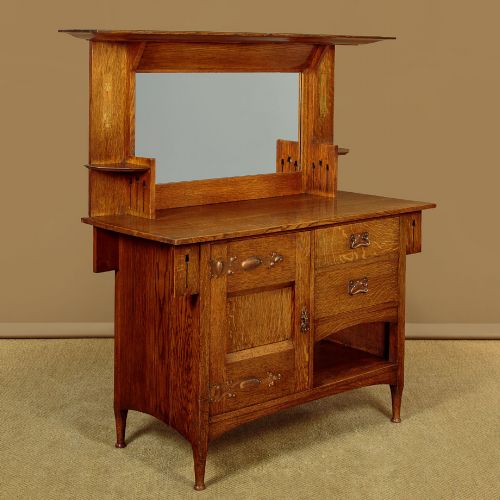


Arts and Crafts Buffet
An arts and crafts buffet brings honest timber and utility together, offering substantial storage built for daily use in domestic spaces.
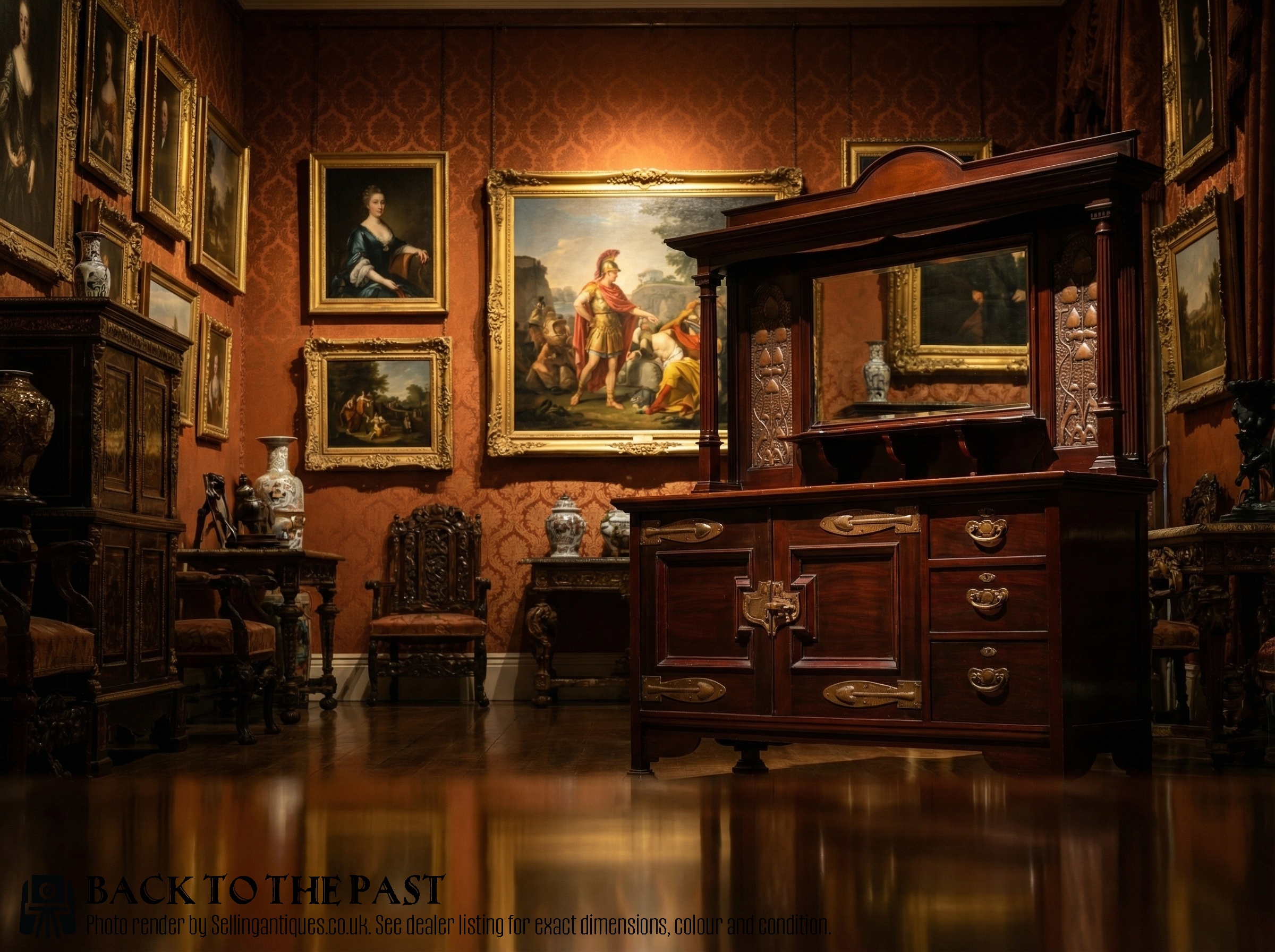
Arts and Crafts Buffet
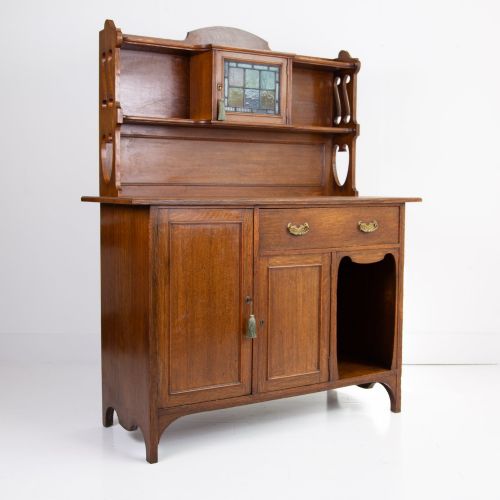
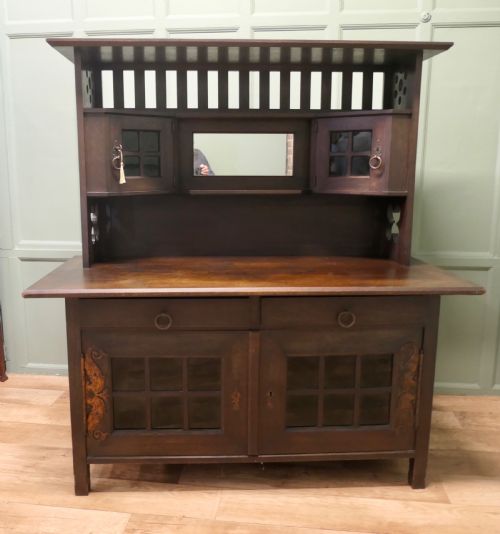
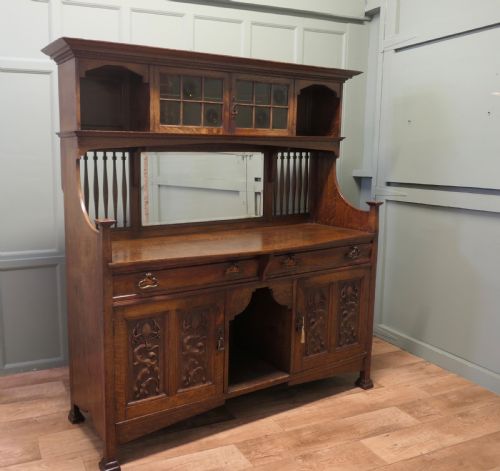
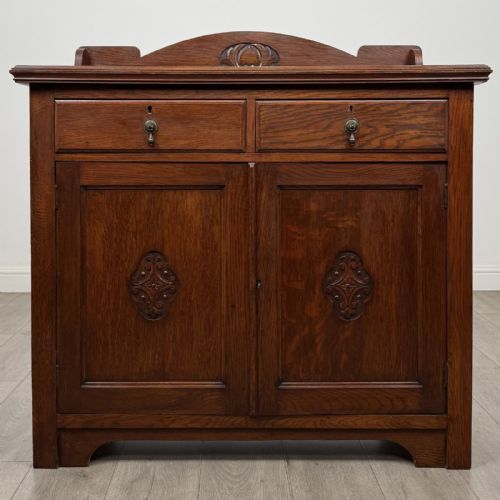
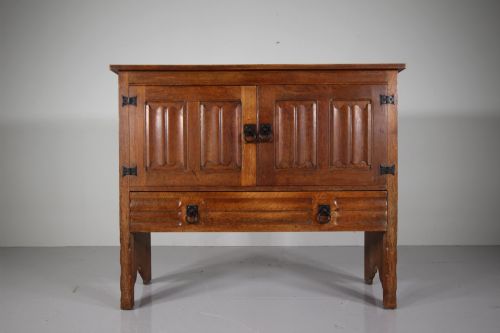
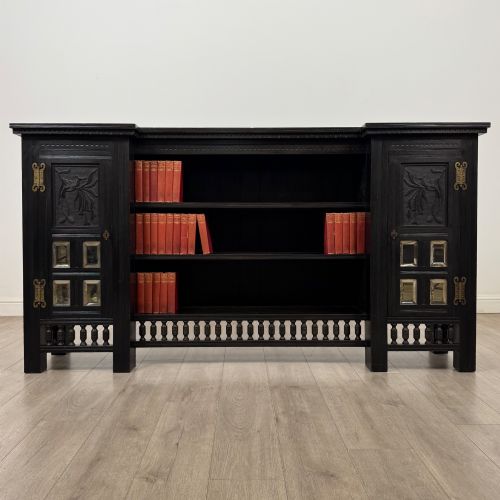
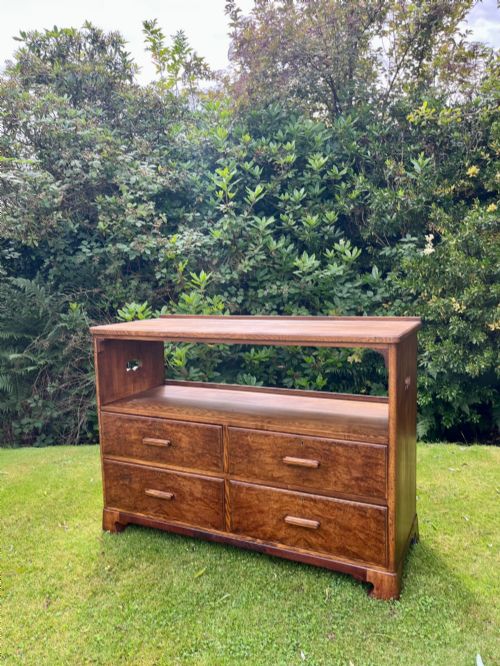
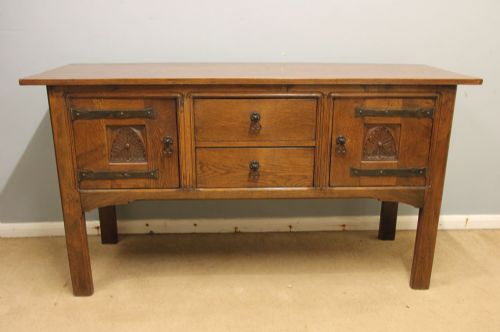
An arts and crafts buffet represents the domestic storage furniture produced during the movement's flourishing through the late nineteenth and early twentieth centuries. Buyers seeking this phrase encounter sideboards, dresser bases, and side cabinets primarily constructed in solid oak. These forms range from simple utilitarian storage pieces to detailed designs associated with specific retail houses and makers.
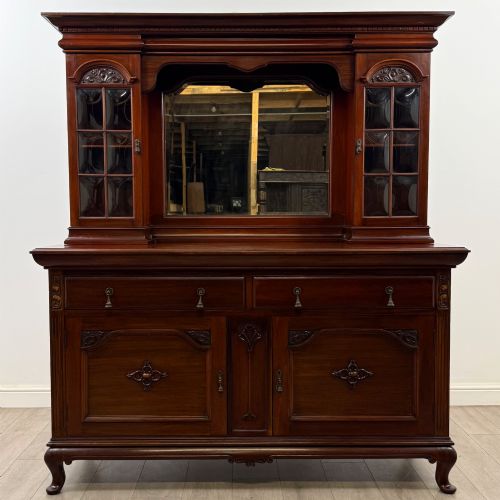
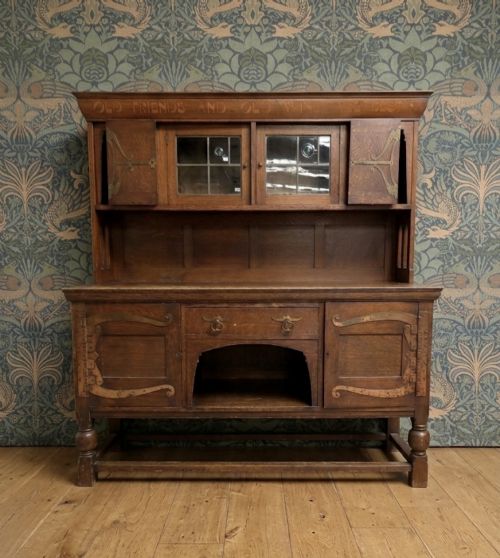
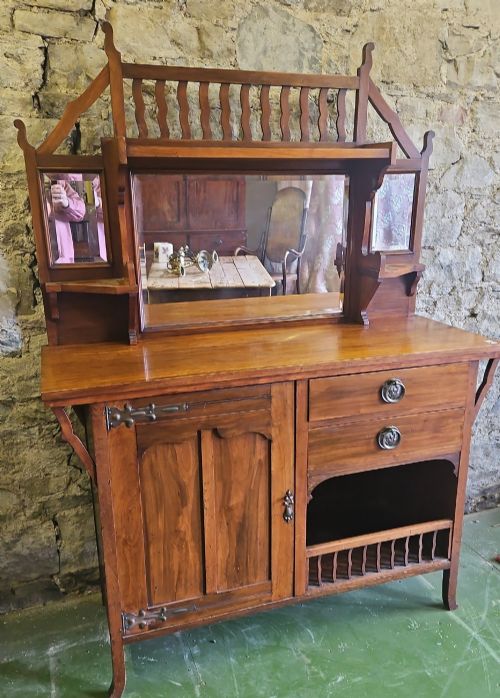
The pieces appearing most frequently originate from the Edwardian period and the decades spanning eighteen eighty to nineteen thirty. Oak dominates the surviving examples, often finished simply to show the natural grain rather than heavy varnishes. Alongside standard sideboards, variations include mirrorback designs, tiered buffets, and pieces incorporating leaded glass doors.
Geographic origins span English workshops, including pieces influenced by the Cotswold School and metropolitan retailers. Continental examples also surface, demonstrating how the movement crossed national boundaries while retaining a focus on sturdy construction and functional design. Each form provides surface space for serving alongside enclosed shelving for dining utensils.

Materials and construction methods
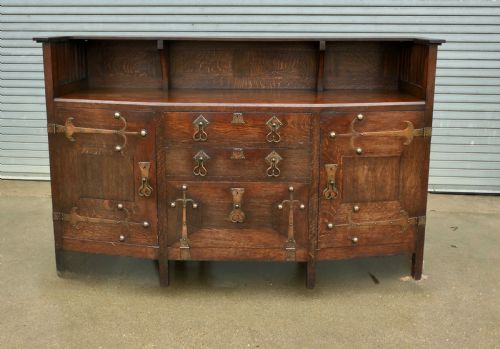
Cabinet makers relied primarily on solid oak, supplemented occasionally by mahogany, walnut, elm, and pine. Timber selection prioritised visible grain and structural strength, allowing the natural properties of the wood to form the main decorative element. Metal hardware played a functional role, utilising hammered brass, iron, and copper for handles, hinges, and strapwork.
Construction techniques favoured traditional joinery methods such as mortise and tenon joints to ensure durability without excessive reliance on metal fasteners. Doors frequently featured leaded or mirrored glass panels, while decorative touches relied on hand carving or subtle geometric inlays rather than applied ornamentation. Surfaces were typically waxed or polished to protect the wood while maintaining a tactile finish.
Arts and Crafts Buffet Retail Price Guide 2026
Typical asking prices for arts and crafts buffet among the pieces listed under this phrase on Sellingantiques today, from the lower quarter to the upper quarter. They describe what is for sale here now, not the wider market.
Listings for this phrase feature oak predominantly, alongside mahogany, walnut, elm, and pine, spanning periods from Victorian to the nineteen thirties.
Distinctions in quality and execution
The standard of an arts and crafts buffet rests upon the integrity of its timber selection and the precision of its joinery. Superior examples demonstrate careful matching of oak boards across large surfaces and seamless integration of hand-forged hardware. Lower tiers of the range often substitute simpler construction methods or utilise secondary timbers internally.
Attribution to documented makers or retail houses elevates a piece through evidence of specific design vision. Workshop provenance, whether from established London firms or regional cabinet makers, reflects higher standards of planning and execution. The balance between utilitarian strength and thoughtful proportion ultimately separates standard production furniture from masterworks.
Edward Barnsley·Heal and Son·Whytock and Reid·Leonard Wyburd·Shapland and Petter·Liberty and Co·T Simpson and Son·Gillow and Co
The Arts and Crafts Buffet Glossary
- Buffet
- A sideboard or low cabinet used for storing and serving food. These pieces typically feature a flat top surface above enclosed cupboards or drawers.
- Dresser base
- The lower section of a kitchen or dining dresser containing drawers and cupboards without the upper plate rack. They function effectively as independent sideboards.
- Leaded glass
- Small panes of glass held together by strips of lead to form geometric or stylistic patterns. This technique frequently appears on cabinet doors of the period.
- Mirrorback
- A sideboard featuring an integrated wooden frame holding a mirror above the main surface. This addition reflects light and displays decorative objects placed on the top board.
- Cotswold School
- A twentieth-century design movement focused on handcrafted furniture made from local woods using traditional woodworking tools. Pieces associated with this style emphasise simplicity and visible construction.
Arts and Crafts Buffet: Frequently Asked Questions
What is an arts and crafts buffet?
An arts and crafts buffet is a heavy storage cabinet designed for dining rooms during the late nineteenth and early twentieth centuries. These pieces emphasise solid timber construction and functional utility over excessive ornamentation.
Most examples utilise oak as the primary material, featuring cupboards, drawers, and sometimes stepped tiers for serving food or displaying ceramics. They remain practical additions to modern dining spaces needing robust storage.
How do I care for an oak buffet?
Maintaining an antique oak buffet requires keeping the timber away from direct heat sources and sudden temperature fluctuations. Regular dusting with a dry cloth prevents particle buildup on the waxed or polished surface.
Applying a traditional beeswax periodically nourishes the wood and helps maintain its natural lustre without sealing the pores. Avoid using modern silicone sprays or abrasive chemical cleaners.
Where were these buffets made?
These pieces originated primarily in English workshops, ranging from large London retail houses to regional cabinet makers. Some examples reflect continental European influences or the specific ethos of the Cotswold School.
Production often centred around urban workshops equipped for quality joinery or smaller regional studios focusing on handcrafted domestic furniture.
Are these buffets suitable for daily use?
These sturdy items were originally built to withstand generations of domestic service and handle heavy dining loads. Their deep cupboards and wide drawers offer practical storage for modern crockery and linens.
Placing felt pads under heavy items on the top surface helps protect the historic timber from scratches during daily service.