
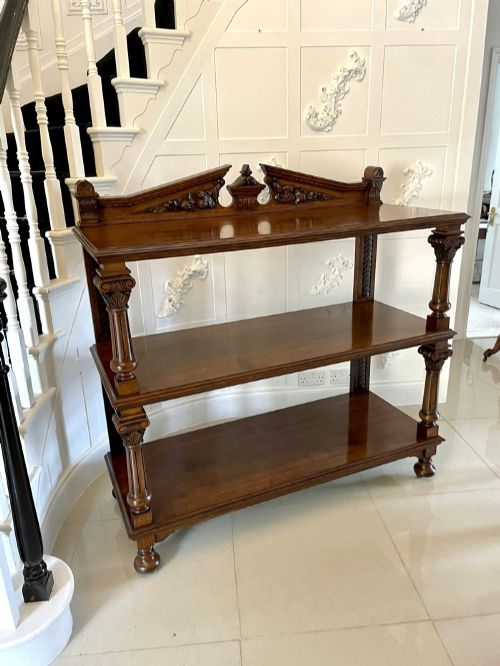
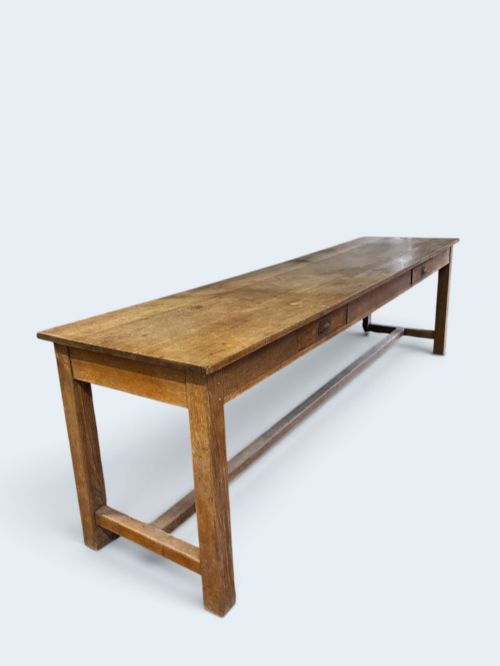
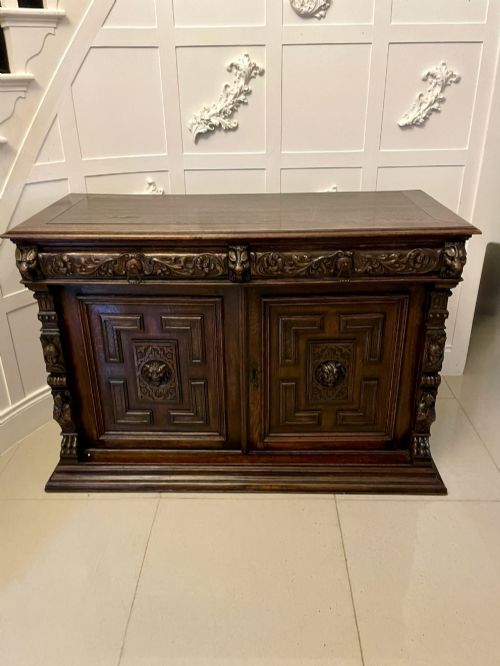
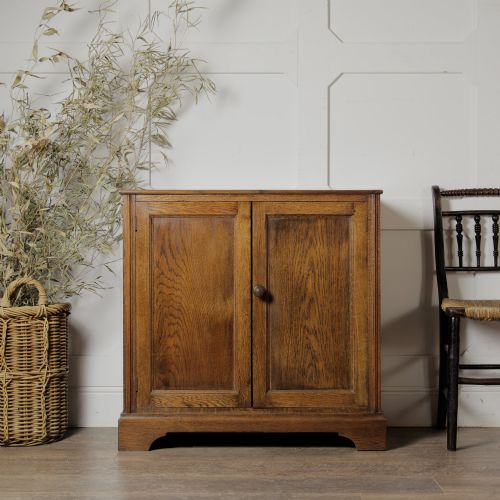
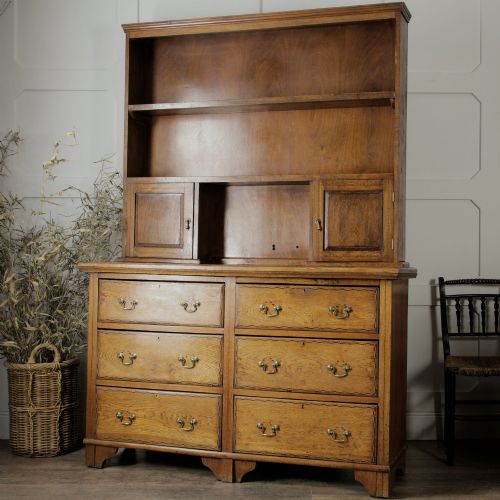
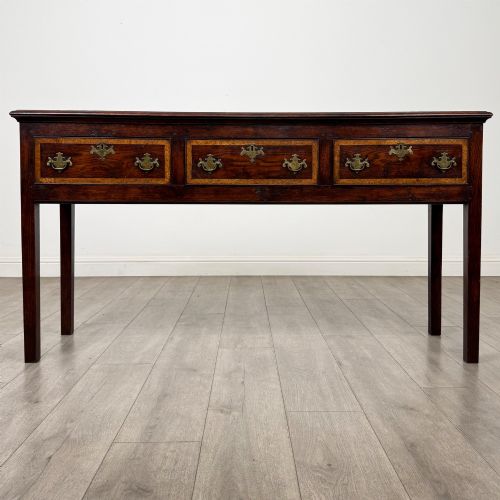
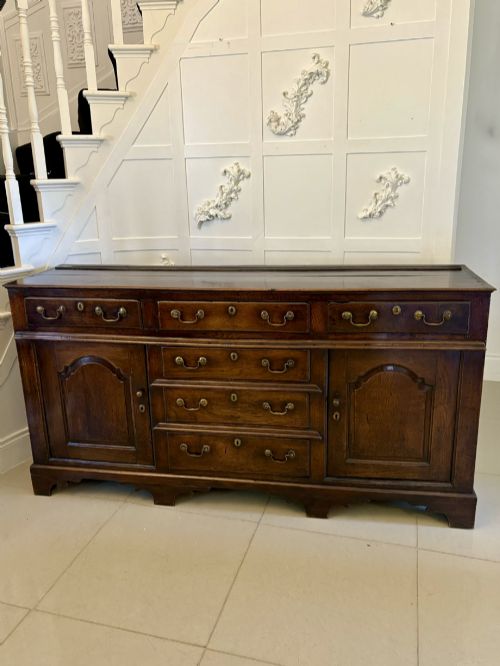
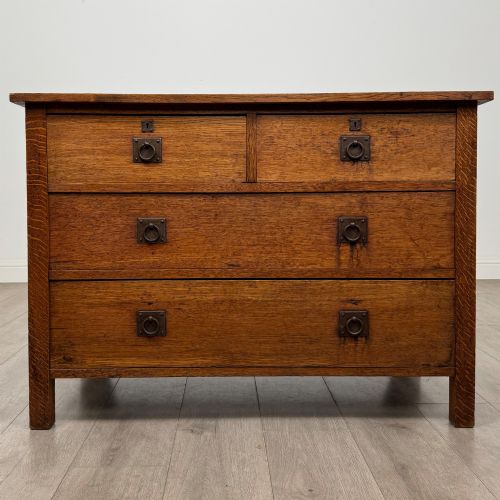
Vintage Oak Sideboard
A vintage oak sideboard brings solid timber, generous storage and historic character straight into a modern dining room.
Vintage Oak Sideboard
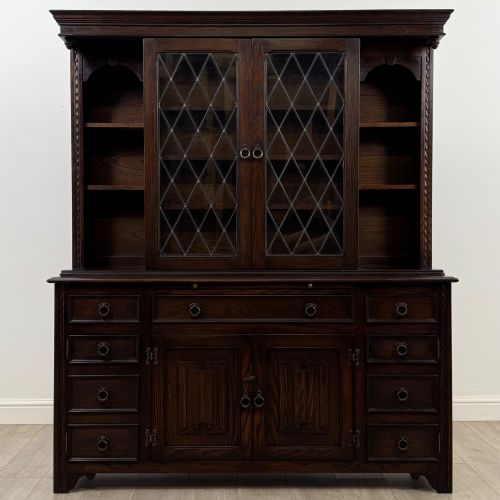
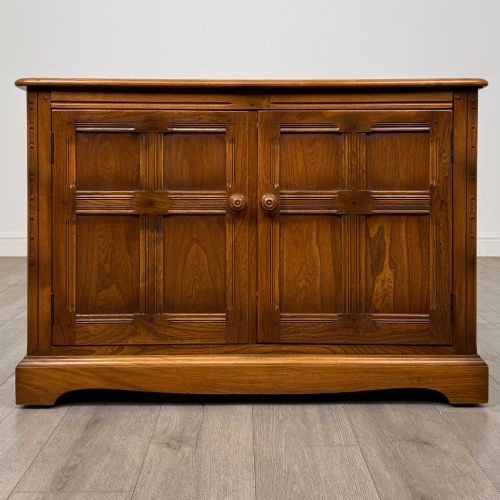
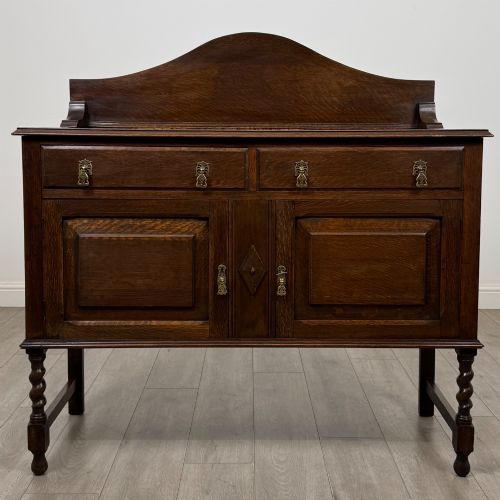
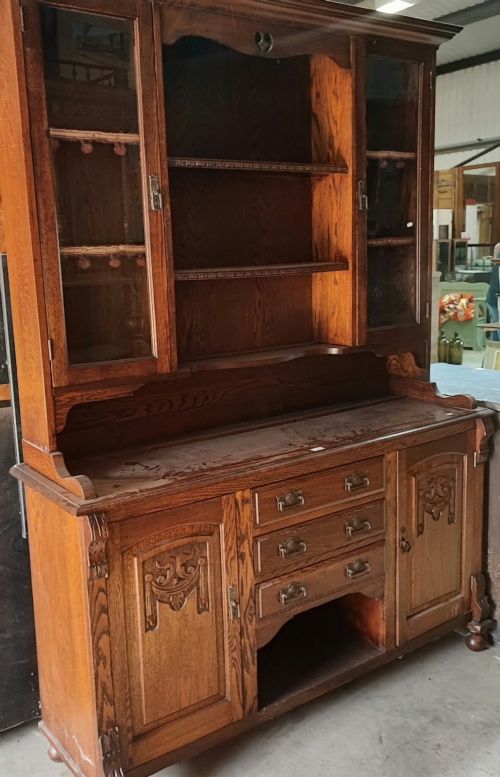
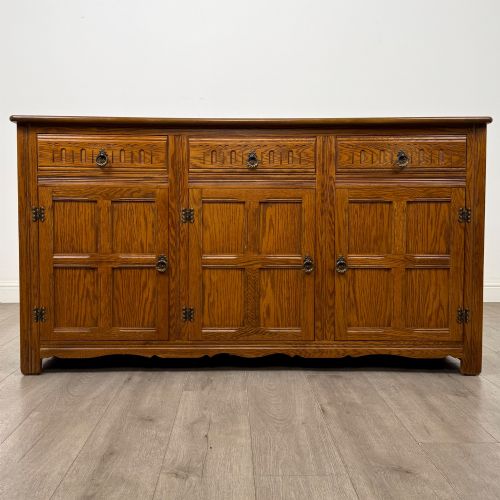
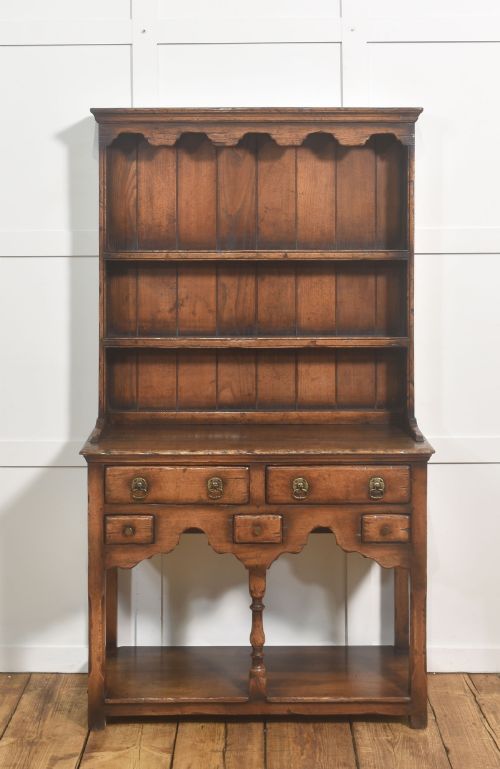
A vintage oak sideboard serves as a practical dining room or kitchen storage piece, encompassing low cupboards, serving tables, and tall dressers with plate racks. When searching for a vintage oak sideboard, buyers encounter numerous Edwardian examples alongside pieces from the nineteenth and early twentieth centuries.
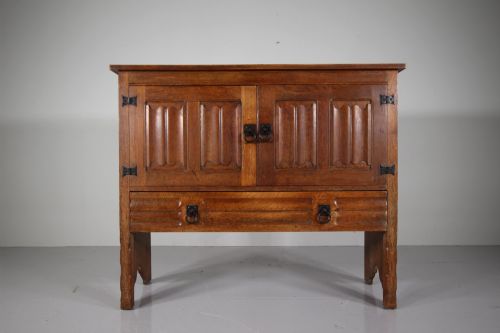
The forms vary from simple country dresser bases and low chests of drawers to elaborate court cupboards and carved revival sideboards. Many incorporate functional additions such as glazed display cabinets, cocktail sections, or banks of multiple drawers.
Origins span vernacular English country workshops to specific regional traditions like Welsh and Lancashire cabinet making. Stylistic influences draw heavily on Jacobean, Gothic, Arts and Crafts, and Georgian designs adapted for twentieth-century homes.
How they were made
Construction relies primarily on solid oak, frequently finished in golden or honey tones, alongside occasional tiger oak and contrasting mahogany details. Workshops utilised durable timber to build heavy frames, panelled doors, and sturdy drawer structures.
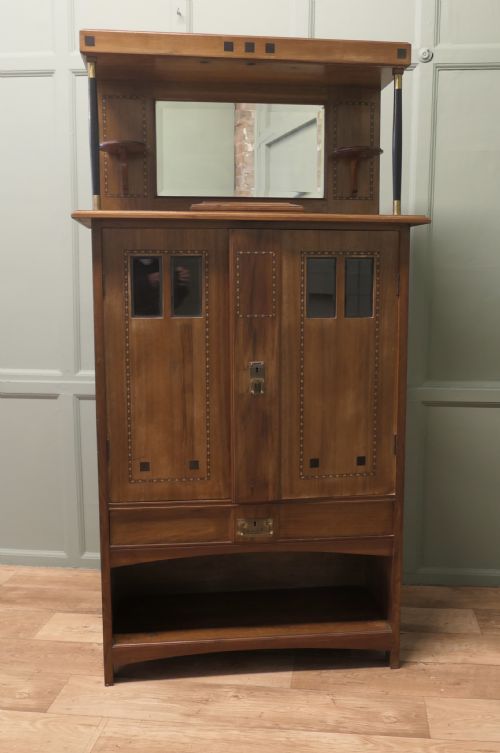
Hardware elements incorporate brass and iron for hinges, handles, and drawer pulls, while glass appears in glazed cupboard doors and display sections. Selected pieces feature painted surfaces, carved ornamentation, and integrated mirrors or leaded details.
Vintage Oak Sideboard Retail Price Guide 2026
Typical asking prices for vintage oak sideboard among the pieces listed under this phrase on Sellingantiques today, from the lower quarter to the upper quarter. They describe what is for sale here now, not the wider market.
Several sideboards secretly double as cocktail cabinets, proving that previous generations knew how to store their gin with proper architectural dignity.
What varies in quality
The caliber of a piece rests heavily on the selection of timber and the depth of carving, moving from plain utilitarian boards to richly figured golden oak with detailed relief work. The integrity of the original construction, including the weight of the timber and the neatness of panel joints, separates standard utility cupboards from finer cabinet work.
Hardware originality and secondary materials dictate refinement, where matching brass fittings, cleanly glazed doors, and well-fitted drawers elevate a functional sideboard into a superior example of period craftsmanship.
Gomme
The Vintage Oak Sideboard Glossary
- Dresser base
- A low wooden storage unit featuring drawers and cupboards, traditionally used in kitchens before plate racks were added above. These versatile pieces function well as sideboards in modern dining spaces.
- Court cupboard
- An enclosed antique cabinet featuring a recessed upper section supported by pillars. This traditional form provides substantial storage behind panelled doors.
- Barley twist
- A decorative turning technique resembling a twisted rope, commonly found on the legs and supports of Edwardian furniture. It adds a sculptural quality to the upright members.
- Golden oak
- A warm, light honey-coloured timber finish popular during the Edwardian period. This treatment highlights the natural grain and medullary rays of the wood.
- Linenfold
- A style of carved wooden panelling designed to imitate vertical folds of fabric. This decorative motif appears frequently on cupboard doors and revival pieces.
Vintage Oak Sideboard: Frequently Asked Questions
How do I choose the right size?
Measure your available wall space carefully, keeping in mind that these timber pieces have substantial physical presence and weight. Consider the clearance needed for opening cupboard doors and pulling out drawers in a dining room.
Shorter dresser bases or low cupboards suit compact areas, while tall dressers with plate racks require adequate ceiling height and create a dominant visual anchor in a room.
Where did these pieces originate?
The listings include regional examples from English workshops, Lancashire, and Welsh valleys, alongside urban cabinet makers. Many reflect vernacular traditions passed down through generations of local joiners.
Revival pieces often drew inspiration from earlier Georgian and Jacobean aesthetics, reinterpreting historical forms for Edwardian and interwar households.
How do I care for solid oak?
Keep wooden surfaces away from direct heat sources and strong sunlight to prevent the timber from drying out or splitting. Dust regularly with a dry cloth and apply a quality beeswax periodically to nourish the grain.
Avoid using harsh chemical sprays or excess water, which can damage the historic polish and lift glued joints over time.
Can I use a dresser without the rack?
Many traditional pieces were constructed as separate dresser bases, while others had detachable plate racks fitted to the top surface. Removing a heavy rack can transform a tall unit into a low sideboard suited for modern placement.
Check how the upper section is secured to the base before attempting any separation to avoid damaging the historic timber.