



Art Deco Wooden Buffet
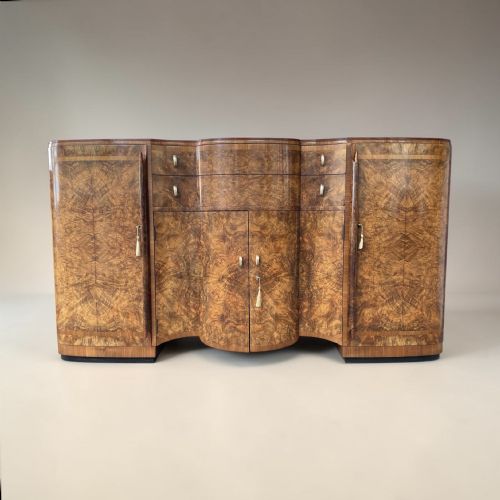
An art deco wooden buffet brings strong geometric lines and rich figuring into a dining room, offering serious storage with unmistakable period style.
Art Deco Wooden Buffet
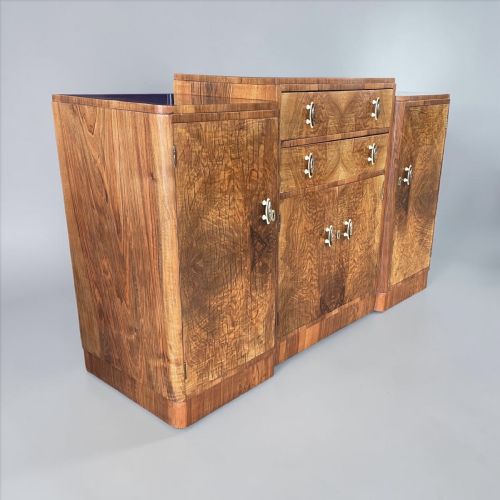
When buyers search for an art deco wooden buffet, they are looking at sideboards, serving tables, and credenzas dating primarily from the nineteen twenties and nineteen thirties. These pieces combine practical storage capacity with the clean, streamlined aesthetic characteristic of the period.
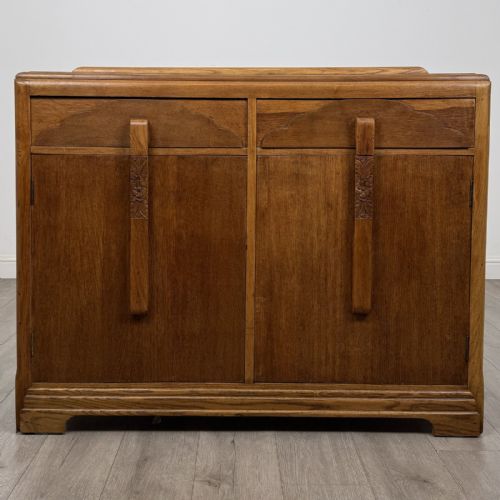
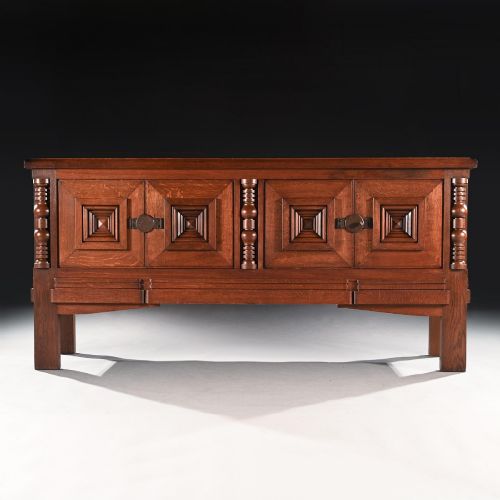
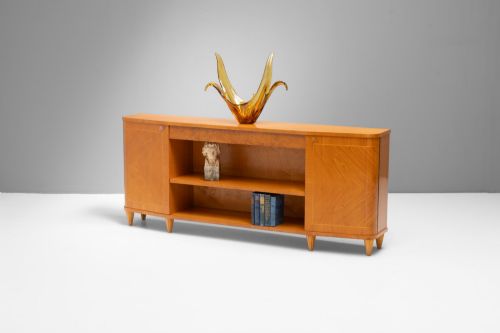
The versions met most frequently on this page originate from the nineteen twenties and nineteen thirties, often taking the form of sideboards or cabinets designed for dining rooms. They draw upon Art Deco and Swedish Grace styles to create a commanding presence in an interior.
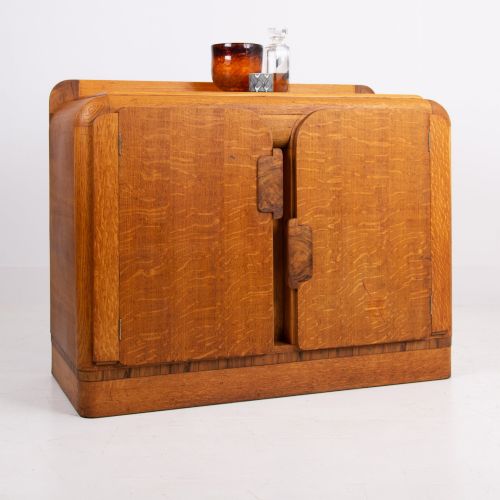
Makers working during this era utilised specific architectural silhouettes, ranging from compact cabinets to long serving tables. Each example demonstrates how period cabinet makers balanced generous interior space with decorative exterior veneers.
Materials and construction
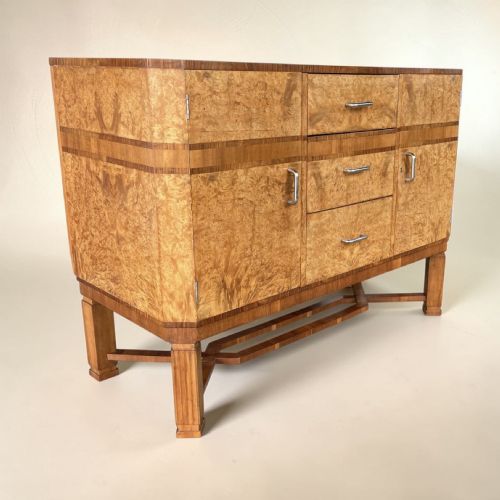
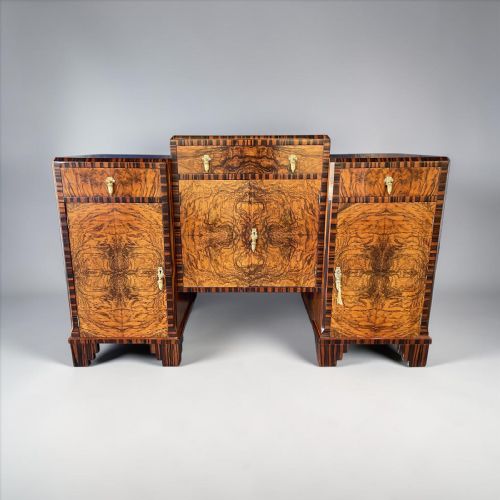
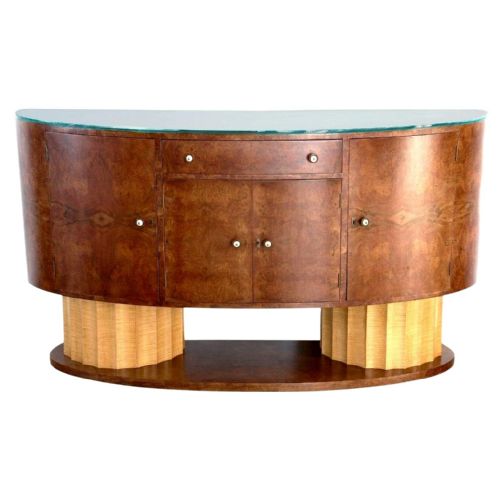
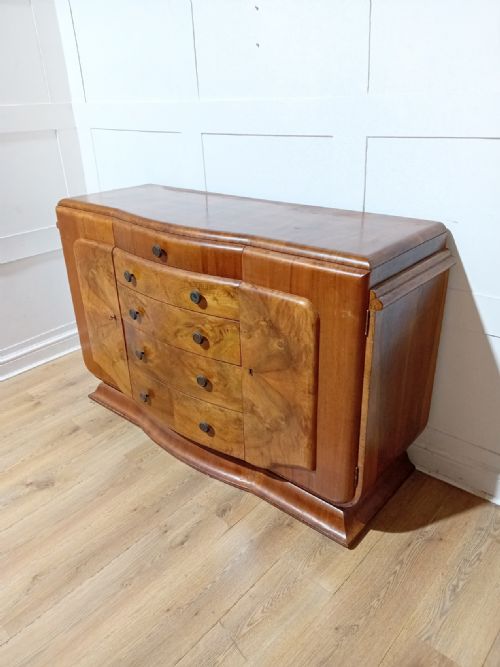
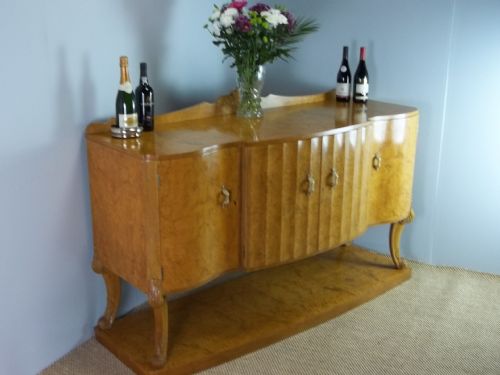
Construction relies heavily on select timbers and decorative veneers applied to sturdy carcases. Walnut and burr walnut dominate the selection, frequently paired with contrasting veneers such as sycamore, birch, flame birch, and satinwood to create striking visual patterns on the front doors and drawers.
Metal and brass components appear as functional hardware and decorative accents, defining handles, feet, and key escutcheons. These metallic details contrast sharply against the warm tones of the polished wood surfaces.
Listings span the nineteen twenties and nineteen thirties, predominantly featuring walnut, burr walnut, and oak alongside contrasting birch and satinwood.
Assessing quality and craftsmanship
Quality rests upon the selection and matching of wood veneers across the main facade. Finer pieces display symmetrical grain patterns, such as book-matched burr walnut, which require considerable skill from the artisan to align correctly.
The integration of contrasting timbers and the precision of the hardware define the upper tier of the range. Master workshops invested heavily in clean joinery and subtle geometric inlays that elevate a functional storage cabinet into a sculptural centrepiece.
Maurice Adams·Gomme·Hille·Bowman Brothers·Epstein
The Art Deco Wooden Buffet Glossary
- Veneer
- A thin layer of choice wood applied to a base timber to provide an ornamental surface. This technique allows cabinet makers to utilise striking grain figures like burr walnut without constructing the entire piece from solid luxury wood.
- Swedish Grace
- A transitional architectural and design style bridging neoclassical and modern forms during the nineteen twenties. It is characterised by refined proportions, restrained ornamentation, and elegant classical influences.
- Escutcheon
- A protective plate surrounding a keyhole. On these pieces, brass or metal escutcheons often double as geometric design elements integral to the door layout.
- Book-matching
- A technique of laying down adjacent veneer slices so that they mirror each other. This creates symmetrical patterns that resemble an open book across the front of a sideboard.
Art Deco Wooden Buffet: Frequently Asked Questions
What is an art deco wooden buffet?
An art deco wooden buffet is a large storage cabinet or sideboard produced during the nineteen twenties or nineteen thirties, featuring the characteristic geometric styling of the period.
These items were designed primarily for dining rooms to store tableware, cutlery, and serving dishes while providing a flat surface for serving food.
How do I identify a nineteen thirties sideboard?
Nineteen thirties sideboards are identified by their streamlined silhouettes, absence of heavy Victorian carving, and emphasis on clean architectural lines.
They rely on figured wood veneers and minimal metal hardware rather than applied ornamentation to create visual interest.
What woods were used in these buffets?
Cabinet makers utilised walnut, burr walnut, oak, and birch as primary timbers, often enhanced with lighter contrasting veneers like satinwood and sycamore.
These materials were chosen specifically for their grain patterns and ability to take a high polish.
How do I live with a vintage sideboard?
Living with a vintage sideboard involves placing it in a room where its scale and polished wood grain can act as a focal point.
Regular dusting and occasional polishing with appropriate wax maintain the finish of the delicate burr walnut or oak surfaces.