


Vintage Walnut Buffet
A vintage walnut buffet brings warmth and utility to a room, offering rich grain and substantial storage for modern living.
What a Vintage Walnut Buffet Is
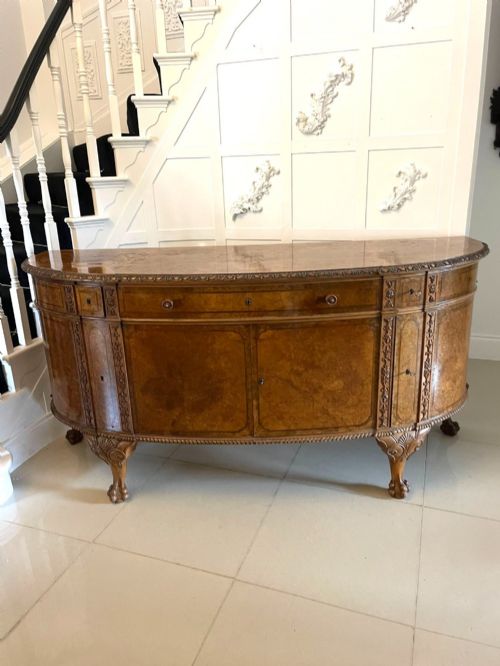
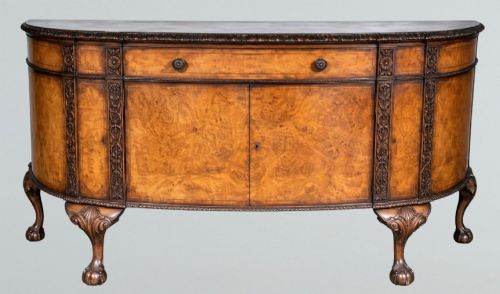
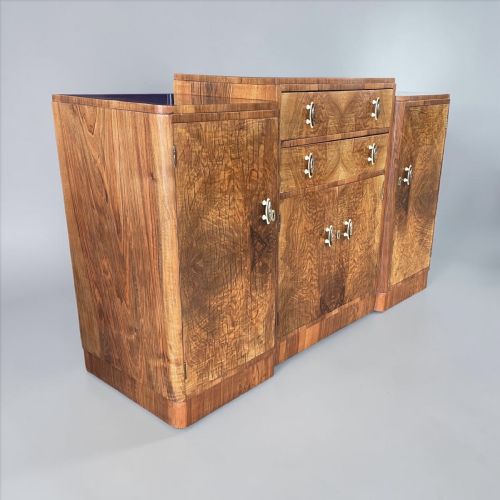
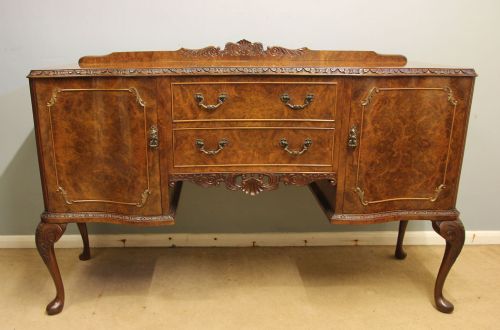
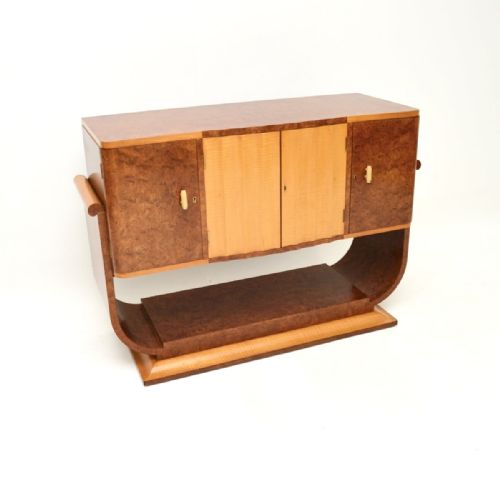
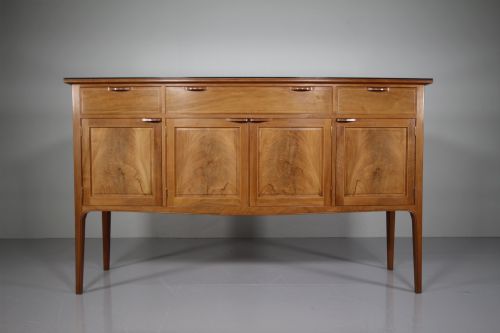
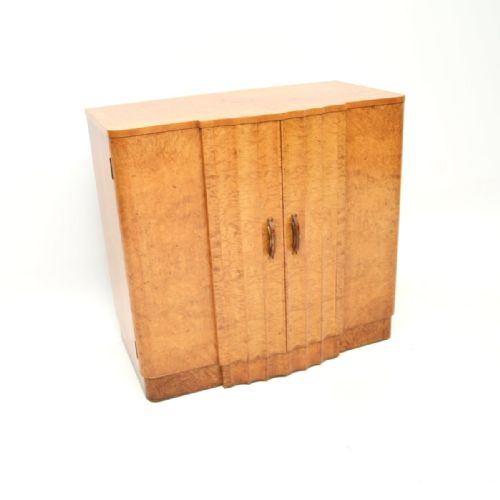
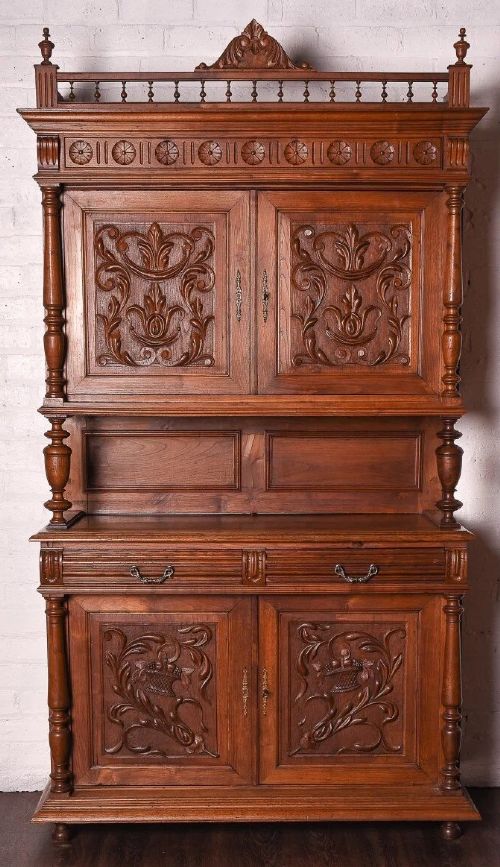
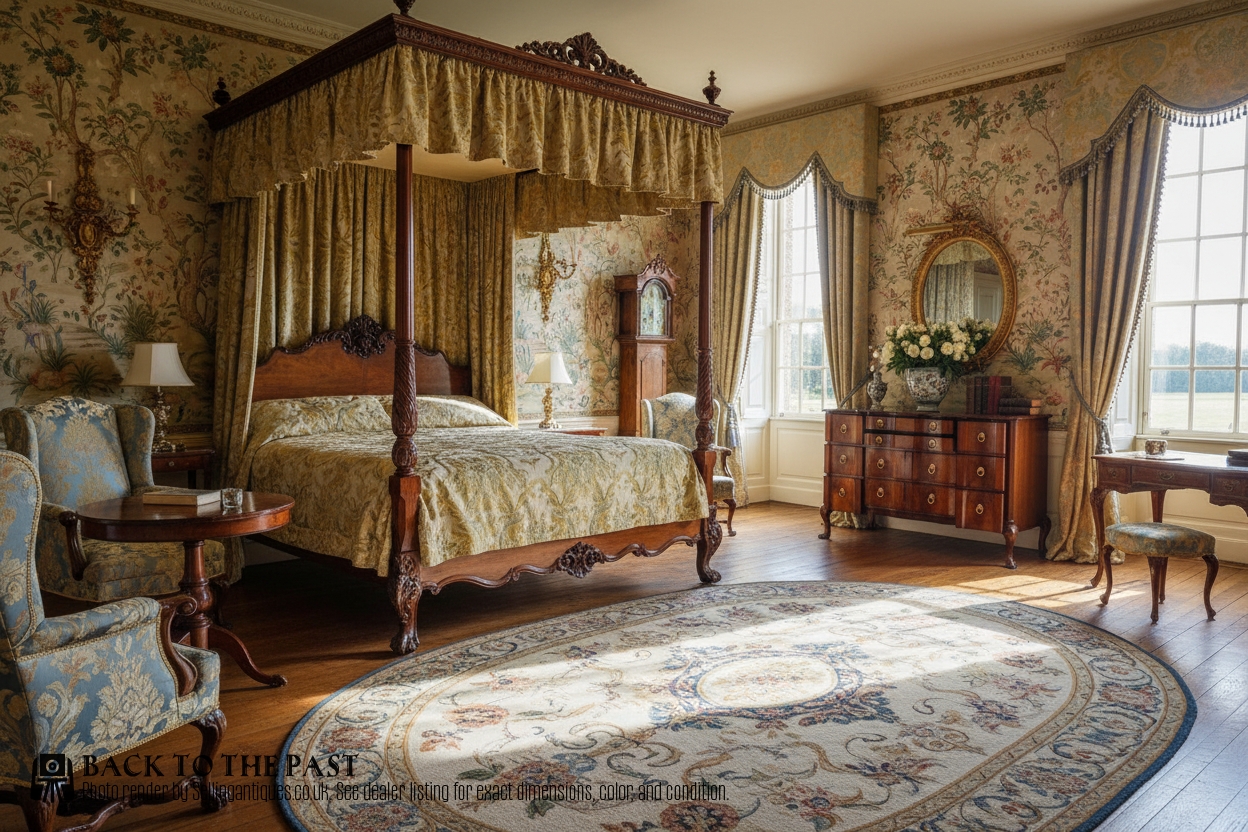
A vintage walnut buffet serves as a substantial storage piece and display surface, appearing in dining rooms and living spaces alike. The pieces collected under the vintage walnut buffet search span the Victorian era, the nineteen-twenties, and the nineteen-thirties.
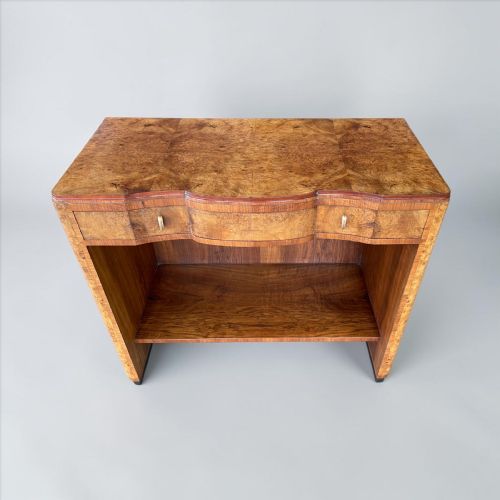
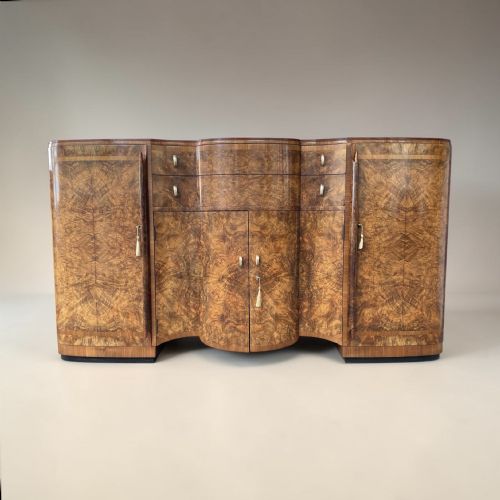
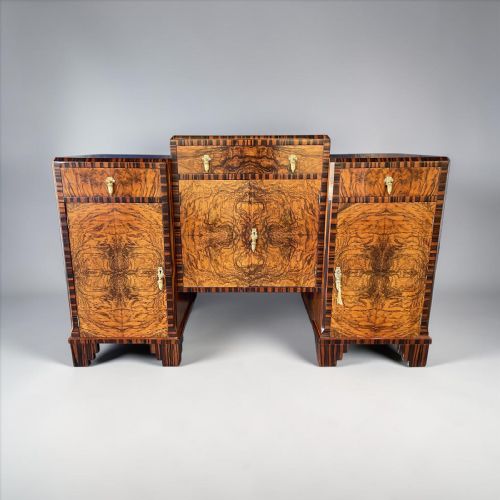
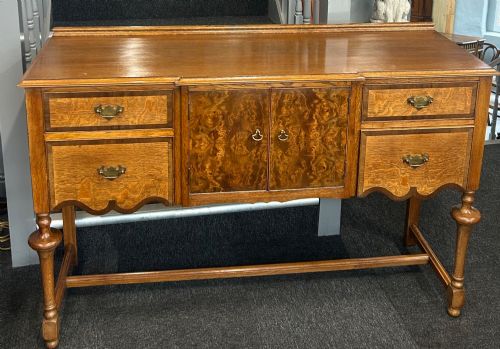
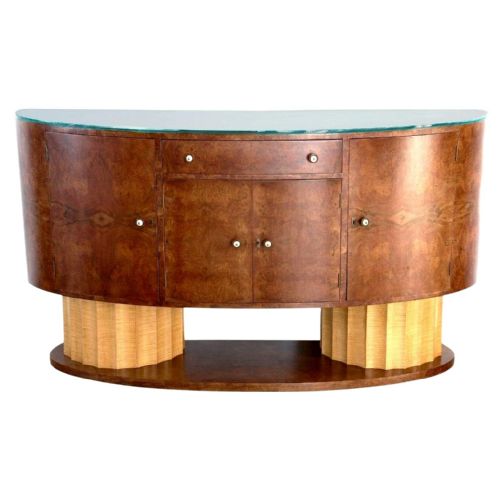
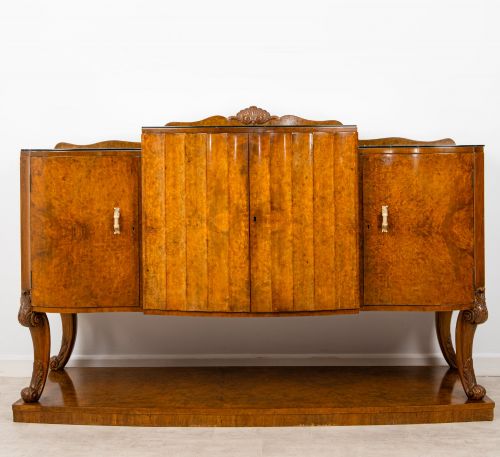
The forms vary from Victorian burr walnut credenzas to Queen Anne style side cabinets and bold Art Deco sideboards. The nineteen-thirty examples appear most frequently, showing streamlined silhouettes and striking timber figures.
Makers such as Maurice Adams contributed to the Art Deco selection, while earlier pieces display the revival tastes of the nineteenth and early twentieth centuries. Each version provides a surface for serving or display alongside enclosed shelving.
Materials and Construction
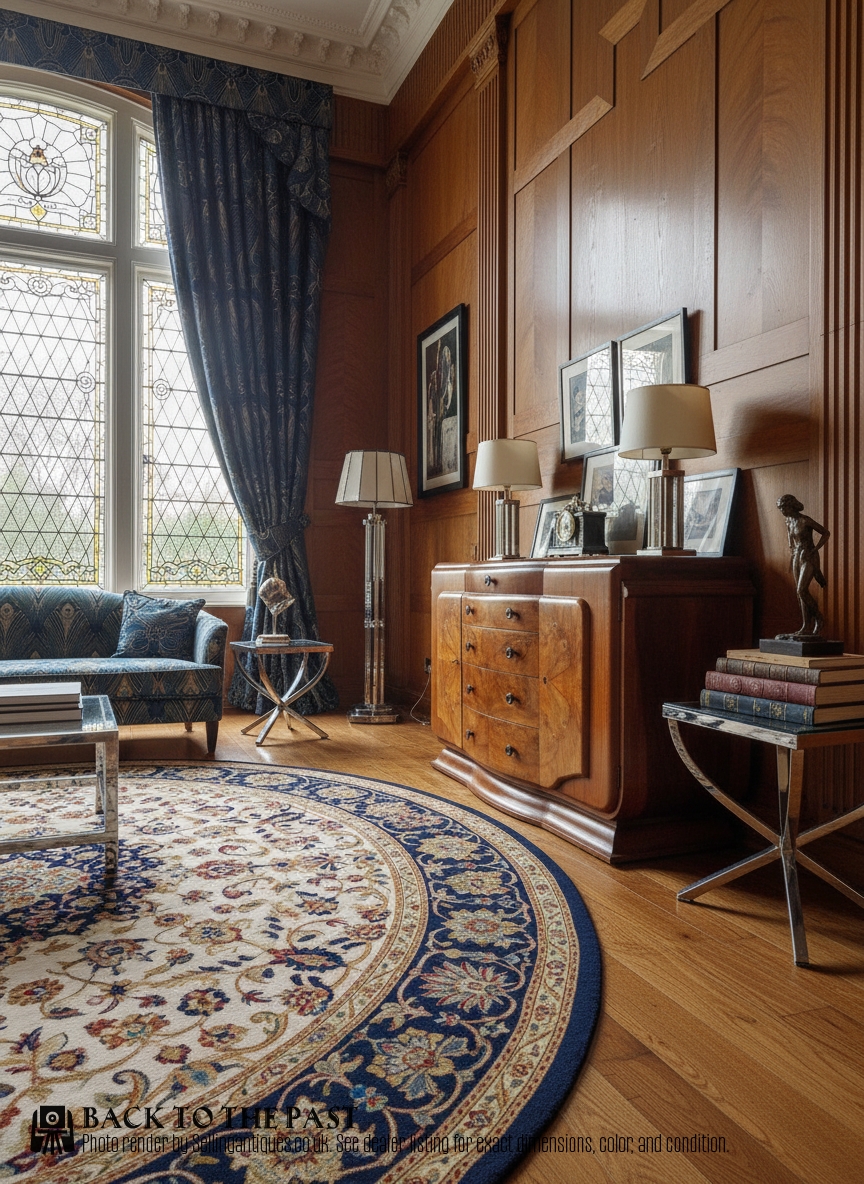
The makers build these pieces using solid walnut and burr walnut veneer, which showcases the natural swirling patterns of the wood. Metal, brass, ebony, glass, and ormolu appear as secondary materials for handles, inlays, and decorative mounts.
The construction relies on traditional cabinet-making techniques suited to heavy hardwoods and delicate veneers. Polished finishes protect the timber while deepening the natural colour of the walnut.
Retail Price Guide 2026
Typical UK retail prices for vintage walnut buffet, calculated from the Sellingantiques database of over a million retail prices indexed since 2003. This retail price guide relies exclusively on Sellingantiques data; no external sources or auction records are used, so the figures do not describe the wider market.
Listings feature three distinct periods: Victorian, the nineteen-twenties, and the nineteen-thirties.
Distinctions in Quality
The calibre of a piece rests largely on the selection and matching of the walnut veneer across the front doors and top surface. Superior examples demonstrate thoughtful grain continuity and crisp execution of period details.
Makers who signed their work or adhered to high design standards during the Art Deco and earlier periods achieve greater distinction. The integration of secondary materials like ormolu and ebony further separates standard production from exceptional work.
Maurice Adams
The Vintage Walnut Buffet Glossary
- Burr walnut
- A figured wood grain taken from the growth excrescences on walnut trees, prized for its swirling patterns. It forms the primary decorative surface on many high-end cabinet doors.
- Credenza
- A sideboard or dining room cabinet originally used for holding food or plate. Victorian examples frequently feature glass doors and elaborate mounts.
- Ormolu
- Gilded bronze applied to furniture as decorative mounts and feet. It provides a bright metallic contrast to dark walnut timber.
- Art Deco
- A design style spanning the nineteen-twenties and thirties characterised by geometric shapes and streamlined forms. Sideboards from this period utilise clean lines and book-matched veneers.
Frequently Asked Questions
How do I clean a walnut buffet?
Dust the surface regularly with a soft, dry cloth to prevent dirt accumulation. Avoid harsh chemical cleaners that can strip the polished finish.
Apply a quality beeswax occasionally to nourish the walnut timber and maintain its natural lustre. Keep the piece away from direct heat sources to prevent the wood from drying out.
Where should I place a buffet?
A buffet traditionally sits in a dining room to hold tableware, serving dishes, and linens. It functions equally well in a living room or hallway as a display surface.
Ensure the placement avoids prolonged direct sunlight to protect the walnut veneer from fading. Allow adequate clearance around doors and drawers for comfortable daily use.
How do I date a walnut buffet?
Examine the overall silhouette and decorative details to match them against known historical periods. Victorian pieces display revival motifs, whereas nineteen-thirties examples favour geometric Art Deco lines.
Look for construction methods and material choices typical of specific decades. Maker signatures or stamps provide definitive chronological markers.
What is burr walnut?
Burr walnut comes from a tree growth that produces intricate, swirling grain patterns. Cabinet makers slice this wood into thin veneers for decorative panels.
Because of its unique appearance, burr walnut typically appears on the most prominent surfaces of fine furniture. It contrasts sharply with the straight grain of standard walnut timber.