


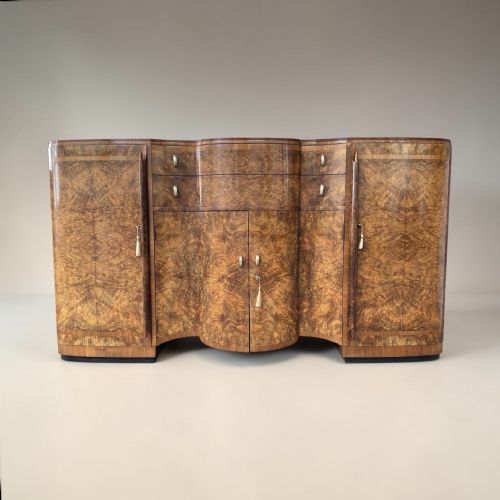
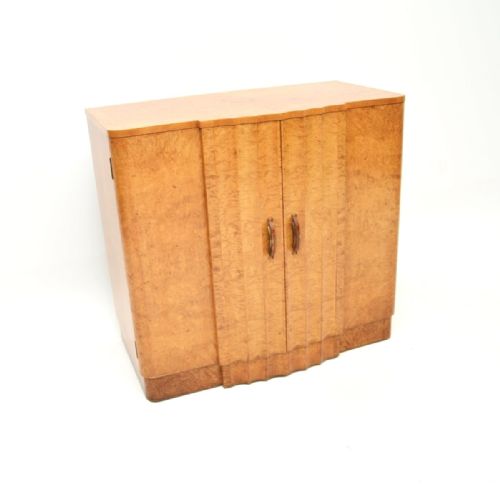
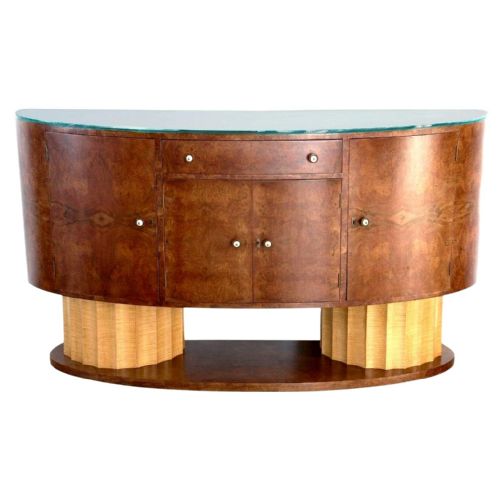


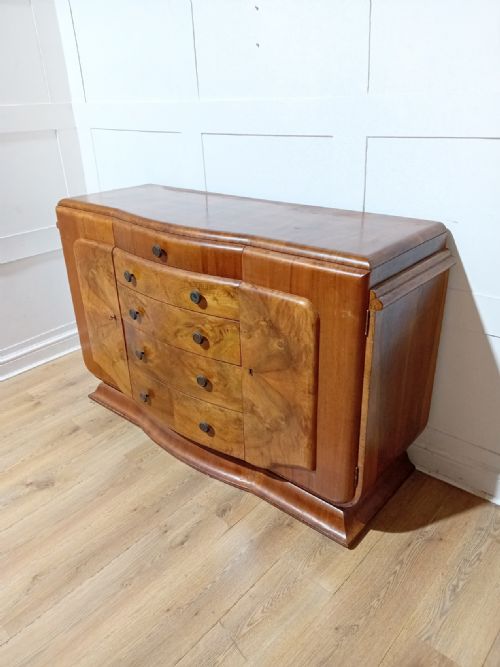
Streamline Moderne Sideboard
A streamline moderne sideboard brings the sleek, aerodynamic curves of the 1930s directly into your dining room.
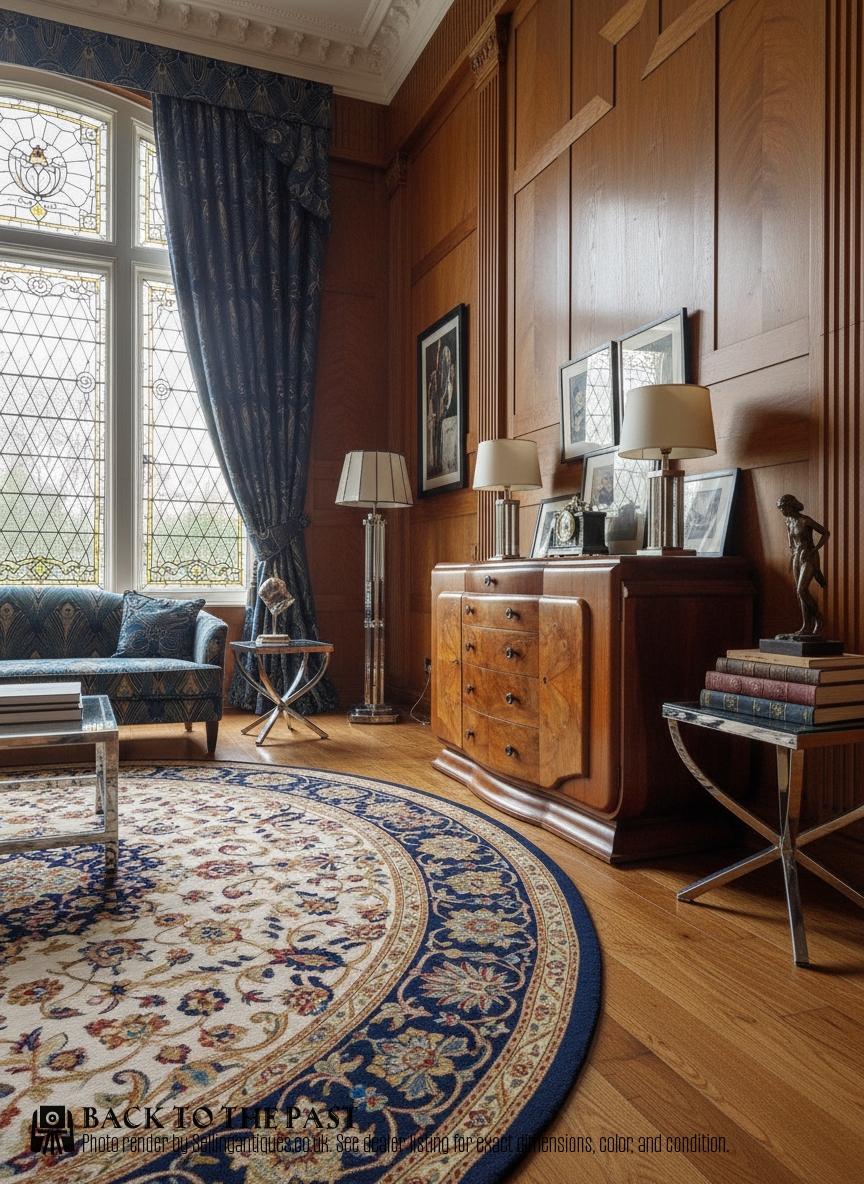
Streamline Moderne Sideboard
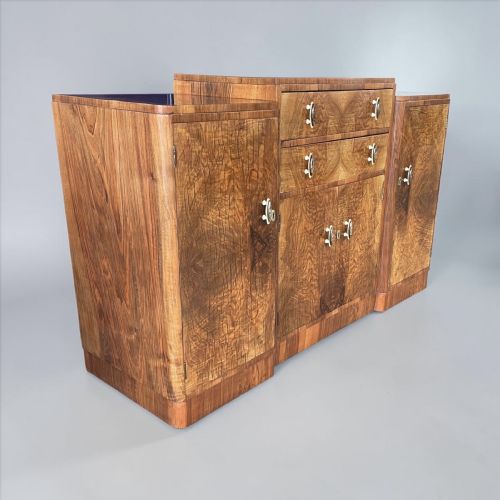
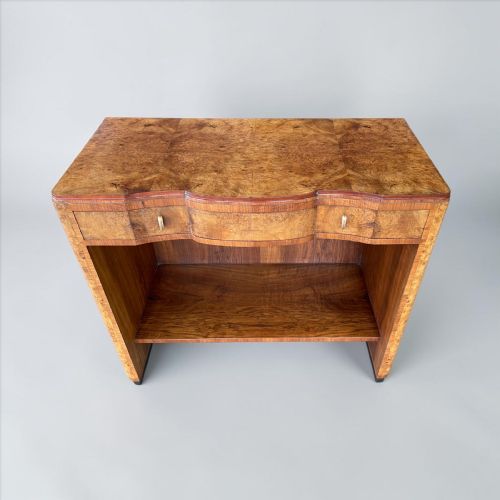
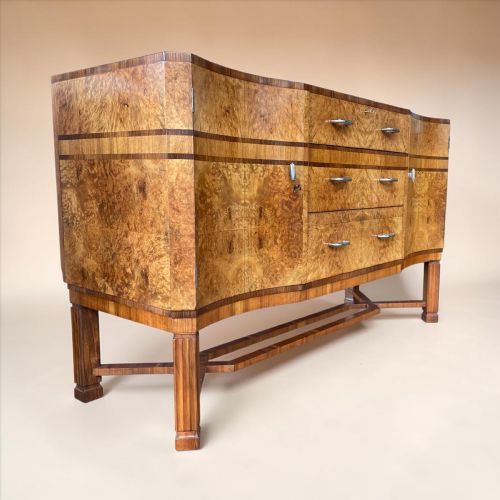
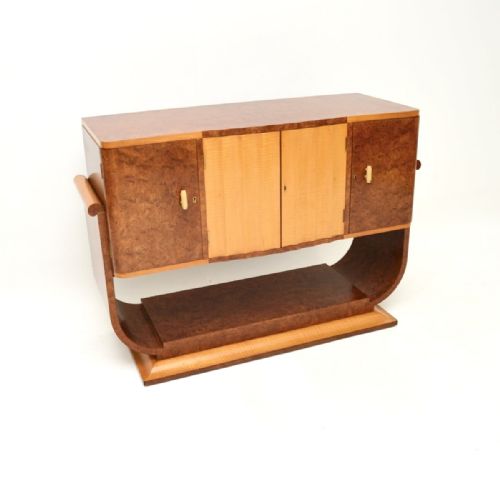
A streamline moderne sideboard is a storage piece defined by the geometric and curved vocabulary of Art Deco design. The listings on this page consist largely of sideboards, serving tables, and cabinets dating from the 1920s and 1930s.
Most examples take the form of sideboards and buffets, alongside cocktail cabinets, commodes, and chests of drawers. These forms originated from major makers and departmental stores of the period, reflecting the luxurious domestic interiors of the interwar years.
Makers represented in the current selection include Maurice Adams, Harry and Lou Epstein, Gomme, Hille, and Hamptons of Pall Mall London. Buyers searching for a streamline moderne sideboard will encounter works employing rich veneers and streamlined silhouettes typical of this decade.
How they were made
Cabinet makers constructed these pieces using solid woods and intricate surface veneers such as burr walnut, walnut, sycamore, oak, and palisander. The decorative grain patterns were carefully arranged to create striking geometric surface designs across the doors and drawers.
Metal and brass components were integrated for handles, mounts, and decorative trims to emphasise the industrial yet luxurious aesthetic of the period. Specialised treatments such as parchment-covered drawers also appear on select high-end commissions.
Streamline Moderne Sideboard Retail Price Guide 2026
Typical asking prices for streamline moderne sideboard among the pieces listed under this phrase on Sellingantiques today, from the lower quarter to the upper quarter. They describe what is for sale here now, not the wider market.
Makers represented include Maurice Adams, Harry and Lou Epstein, Gomme, Hille, and Hamptons of Pall Mall London.
What varies in quality
Quality in a sideboard is determined by the selection and matching of cabinet veneers, particularly figured timbers like burr walnut and sycamore. The sophistication of the overall silhouette and the integration of contrasting wood tones distinguish standard production from major commissions.
The reputation of the workshop or maker, such as Hille or Harry and Lou Epstein, plays a significant role in establishing the distinction of a piece. Superior examples exhibit refined joinery, original brass or metal hardware, and distinctive detailing like parchment panels.
Maurice Adams·Harry and Lou Epstein·Gomme·Hille·Hamptons of Pall Mall London
The Streamline Moderne Sideboard Glossary
- Veneer
- A thin layer of finely figured wood applied over a secondary timber base. This technique allowed cabinet makers to display rich grain patterns like burr walnut across large flat surfaces.
- Commode
- A low decorative chest of drawers or cabinet. In interwar furniture, these pieces often featured curved forms and luxurious wood finishes.
- Palisander
- A dense, richly coloured exotic hardwood used for high-end cabinetry. Its dark grain provides a dramatic contrast when paired with lighter timbers.
- Sycamore
- A light-coloured hardwood utilised by interwar cabinet makers for contrasting stringing and interior details. It frequently accompanies darker walnut veneers in Art Deco designs.
- Cocktail cabinet
- A specialised piece of furniture designed for the storage and preparation of drinks. These cabinets often feature mirrored interiors and specialised compartments.
Streamline Moderne Sideboard: Frequently Asked Questions
What is a streamline moderne sideboard?
A streamline moderne sideboard is a 1930s storage unit characterised by smooth curves, horizontal emphasis, and luxurious wood veneers. These pieces reflect the advanced design movements of the interwar period.
They serve as both functional dining room storage and sculptural statements, frequently incorporating materials like walnut, sycamore, and brass.
How do I identify Art Deco furniture?
Art Deco furniture is recognised by its geometric symmetry, stylized motifs, and use of contrasting exotic veneers. Pieces from this era often feature rounded corners and streamlined profiles.
Makers of the period utilised high-gloss finishes and metal accents to project modernity and elegance in domestic interiors.
Where were these sideboards made?
These sideboards were produced primarily in British workshops and major London furniture firms during the 1920s and 1930s. Prominent retailers and cabinet makers shaped the market during this era.
Pieces often bear attribution to renowned workshops like Hille or individual designers such as Maurice Adams.
How do I care for burr walnut?
Burr walnut veneer requires protection from direct sunlight and excessive humidity to prevent fading and veneer lifting. Regular dusting with a soft, dry cloth maintains the polished finish.
Avoid using silicone-based polishes, opting instead for traditional furniture wax applied sparingly by hand.