


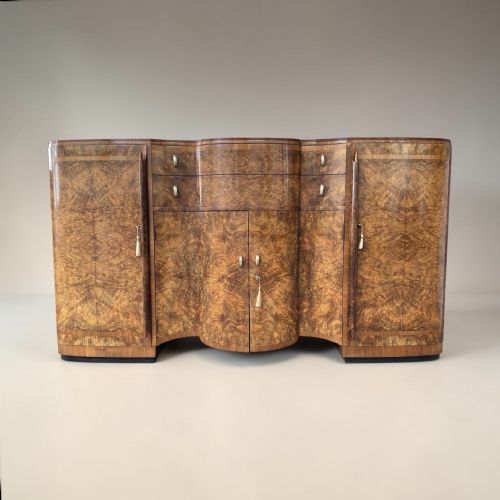
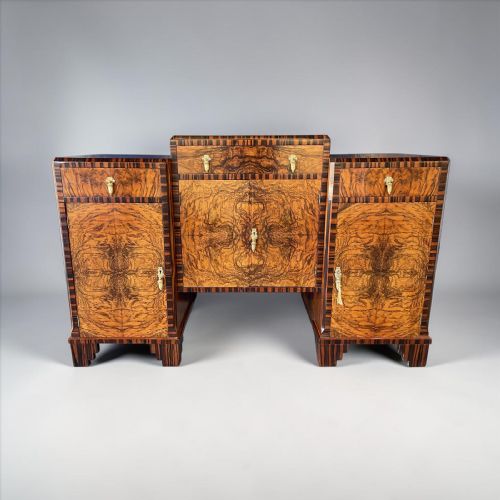
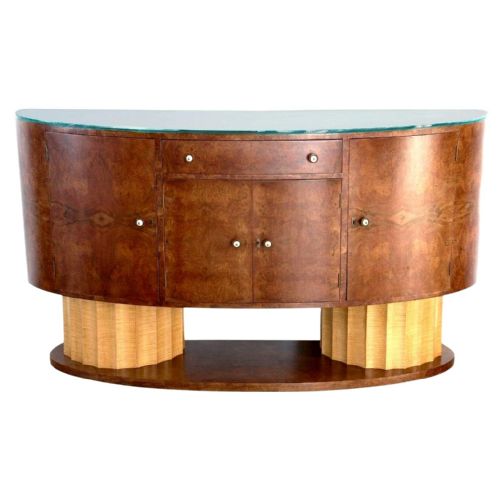


Art Deco Dining Buffet
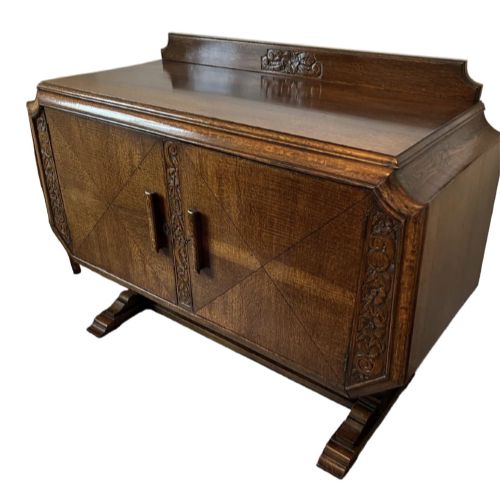
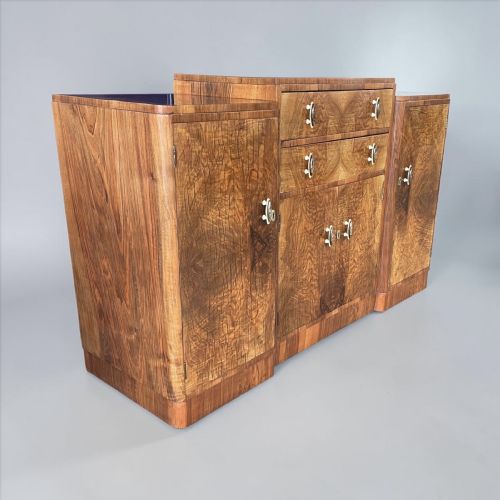
An art deco dining buffet brings geometric elegance and serious storage to a room, uniting walnut veneers with striking brass and glass details.
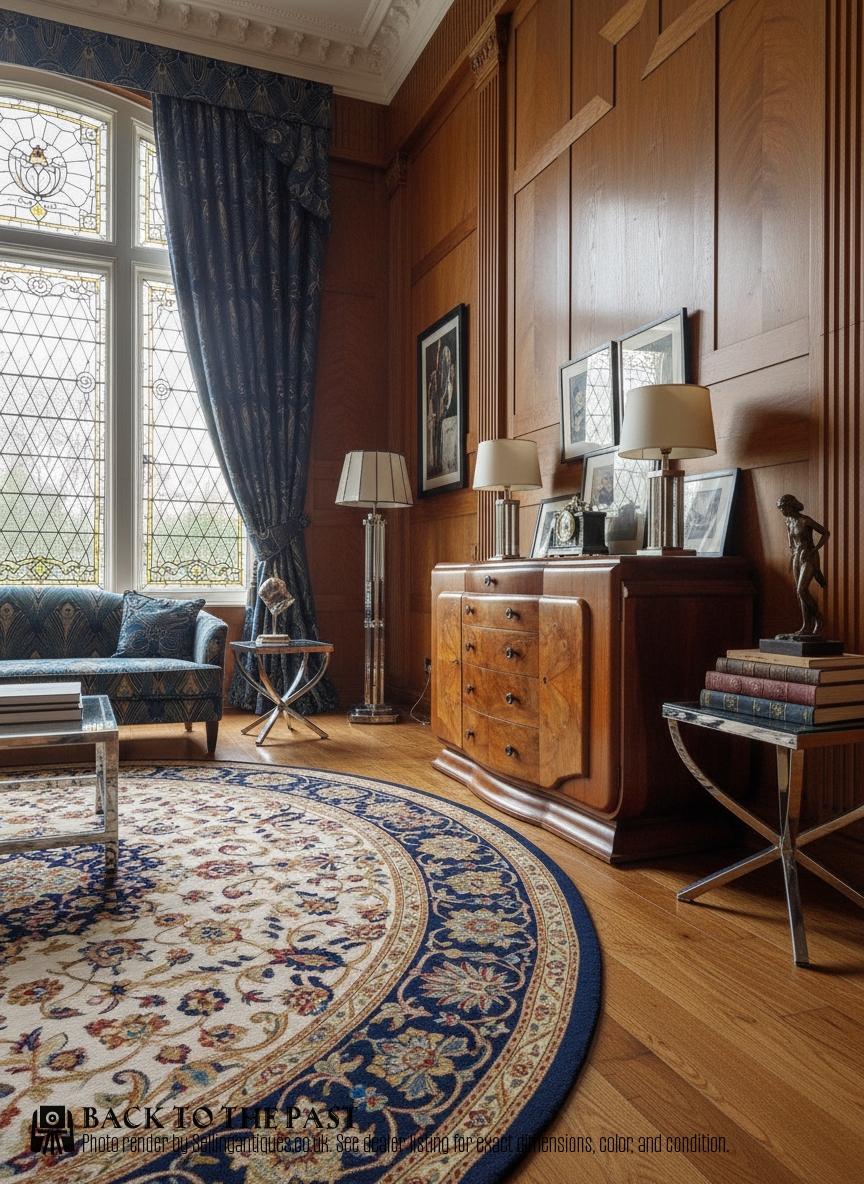
Art Deco Dining Buffet
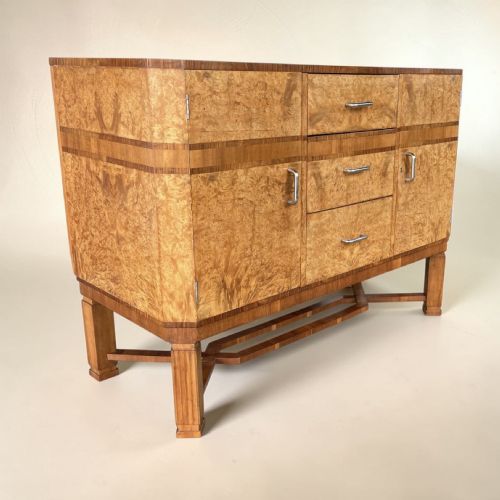
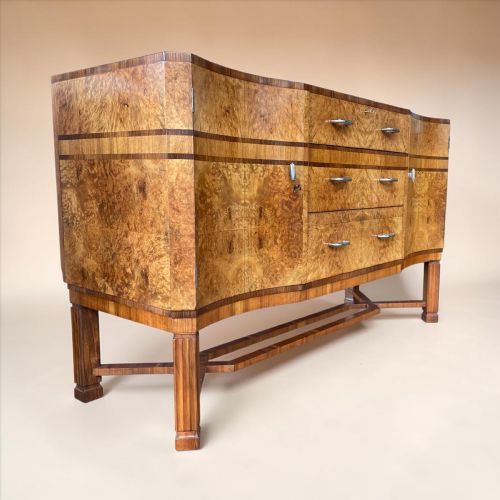
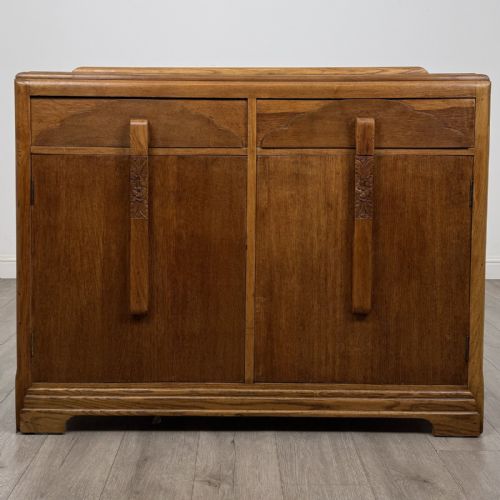
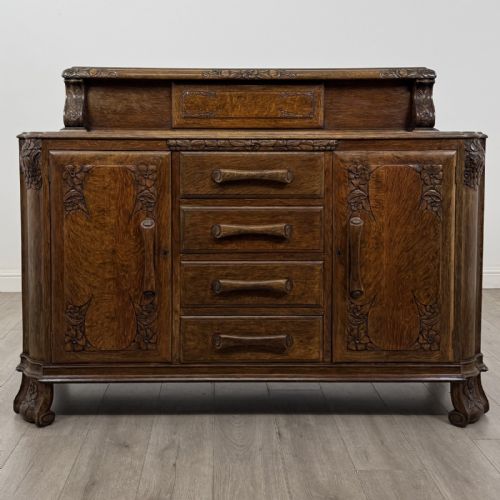
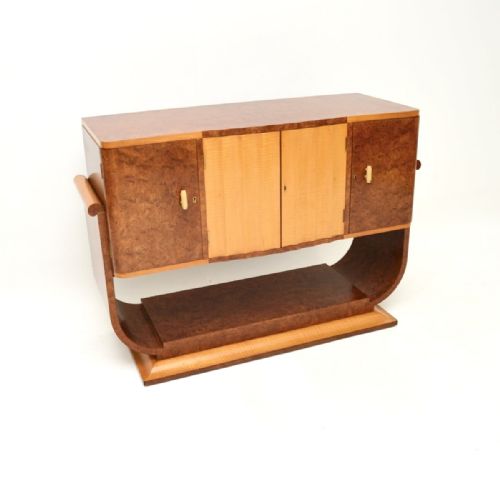
An art deco dining buffet is a substantial serving and storage piece designed for the dining room, most frequently encountered here as an art deco sideboard dating from the nineteen-thirties.
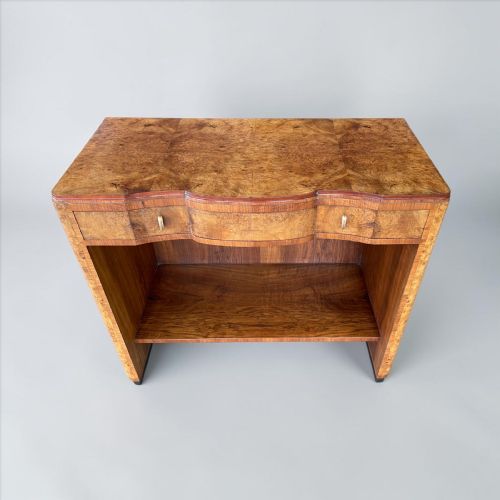
The form encompasses sideboards, credenzas, and serving tables that share the characteristic clean lines and decorative veneers of the period.
Originating largely from British and French workshops, these pieces combine practical cupboard and drawer space with the distinct stylistic flair of the nineteen-twenties and nineteen-thirties.
How They Were Made
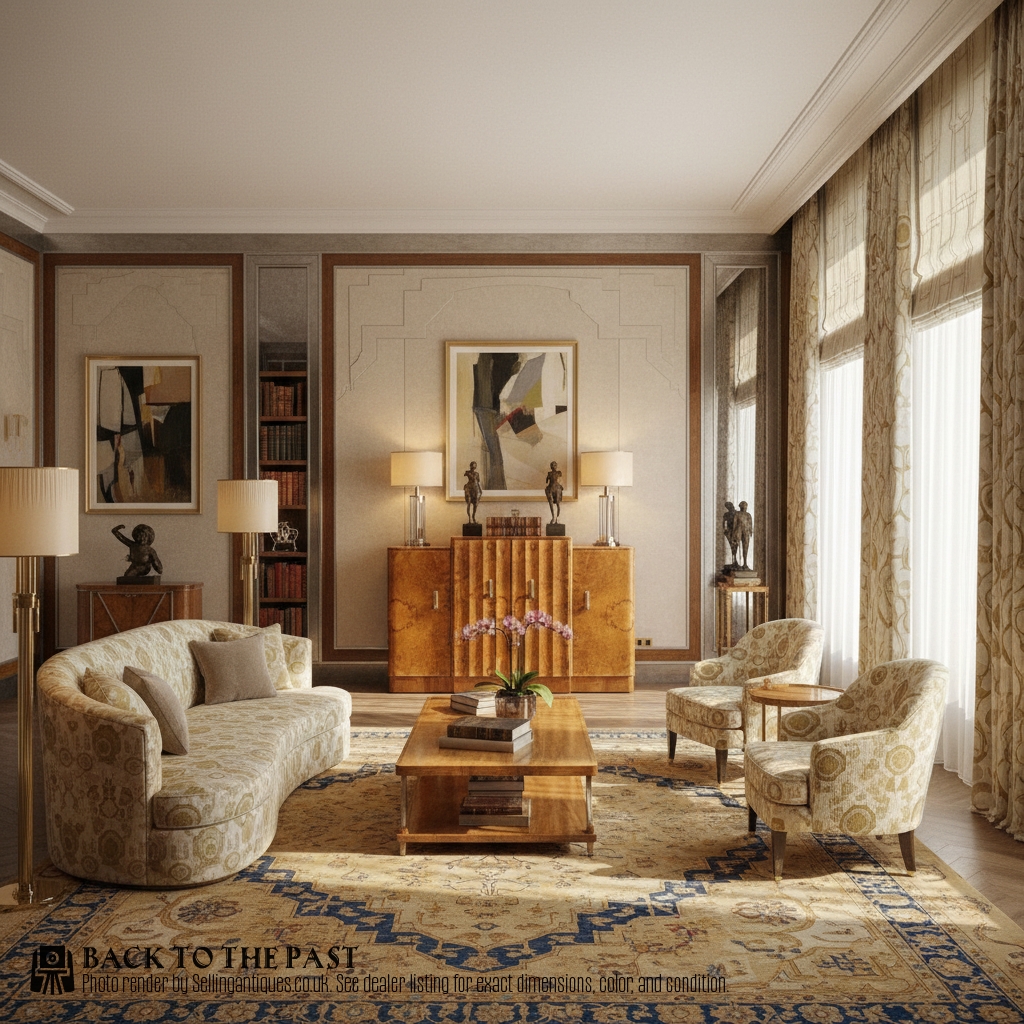
Cabinet makers constructed these pieces using sturdy hardwood carcases overlaid with decorative veneers such as burr walnut, walnut, sycamore, mahogany, and maple to create dramatic grain patterns on the front surfaces.
Metal, brass, glass, and bakelite elements were incorporated into handles, trims, and decorative mounts to accent the geometric designs typical of the era.
Art Deco Dining Buffet Retail Price Guide 2026
Typical asking prices for art deco dining buffet among the pieces listed under this phrase on Sellingantiques today, from the lower quarter to the upper quarter. They describe what is for sale here now, not the wider market.
The listings show pieces originating from nineteen-twenty and nineteen-thirty, utilising burr walnut, walnut veneer, brass, metal, glass, bakelite, hardwood, oak, mahogany, and maple.
What Varies in Quality
The sophistication of the veneer matching across the doors and drawers distinguishes standard production from exceptional cabinet work.
The pedigree of the maker, evident in documented pieces by known workshops, elevates the standing of a buffet alongside the complexity of its fitted interior and hardware.
Maurice Adams·Gomme·Hille·Heals of London·Harry and Lou Epstein·Hamptons of Pall Mall London
The Art Deco Dining Buffet Glossary
- Burr walnut
- A highly figured wood grain obtained from the growth growths of walnut trees. It creates intricate circular patterns highly prized by art deco cabinet makers.
- Veneer
- A thin layer of choice wood applied over a stable secondary timber base. This technique allowed makers to display dramatic grain figures across large flat surfaces.
- Bakelite
- An early form of synthetic plastic utilised for handles and decorative details. Its smooth finish and dark tones complement the metal accents of the period.
- Serpentine
- A gently curved furniture front that undulates outward and inward. This shape requires advanced carpentry skills to execute cleanly on large dining furniture.
Art Deco Dining Buffet: Frequently Asked Questions
What is an art deco dining buffet used for?
These pieces serve primarily to store dining room tableware, cutlery, linen, and glassware while providing a flat top surface for serving food and displaying objects during meals.
Their internal compartments and dedicated drawers keep dining essentials organised and close at hand.
How do I date an art deco buffet?
Dating relies on the combination of materials, construction methods, and stylistic cues recorded in the nineteen-twenties and nineteen-thirties.
Maker marks, documented designs, and the presence of specific hardware like bakelite or brass further help narrow the period of origin.
Are French art deco buffets different from British ones?
French examples often employ exotic woods like mahogany and maple alongside walnut, featuring serpentine shapes and dramatic continental proportions.
British pieces tend to focus on burr walnut and oak veneers with structured geometric forms from workshops in London and beyond.
How do I fit a large buffet into a modern dining room?
A substantial sideboard works best against a clear wall where its veneer patterns and proportions can be appreciated without visual clutter.
Consider the clearance needed for opening cabinet doors and drawers fully when planning the layout of the room.