


1920s Art Deco Furniture
These pieces of 1920s art deco furniture bring bold geometric forms and rich cabinet timbers into modern rooms.
1920s Art Deco Furniture
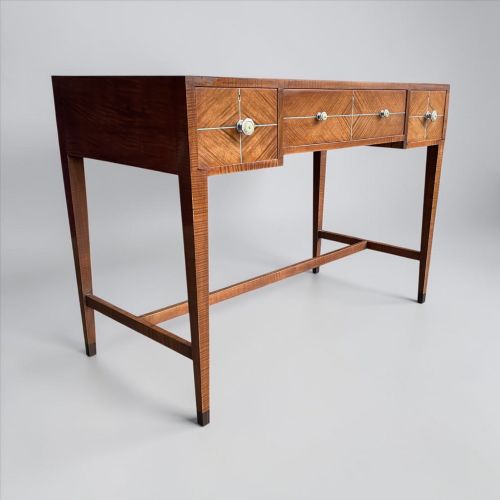
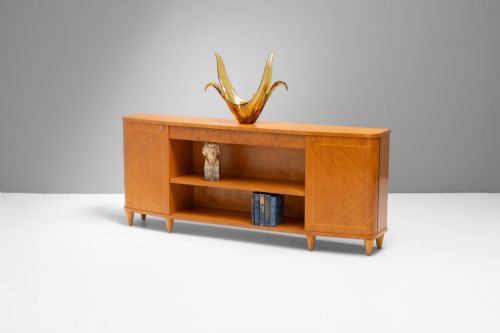
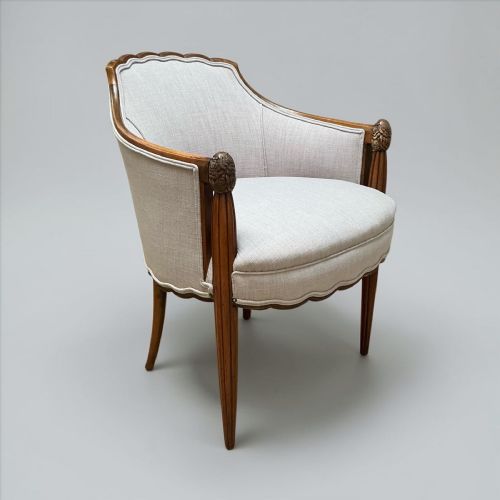
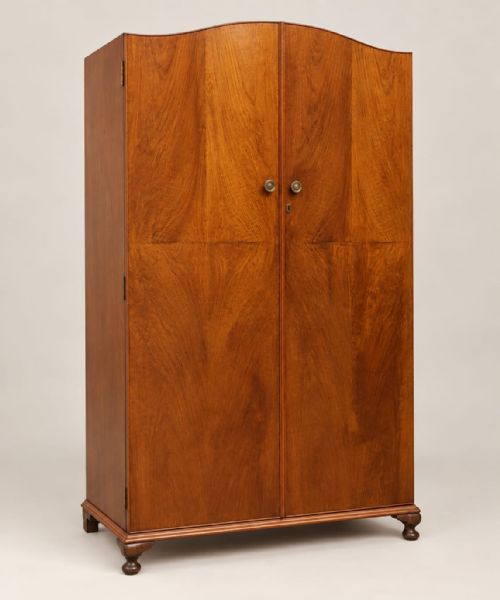
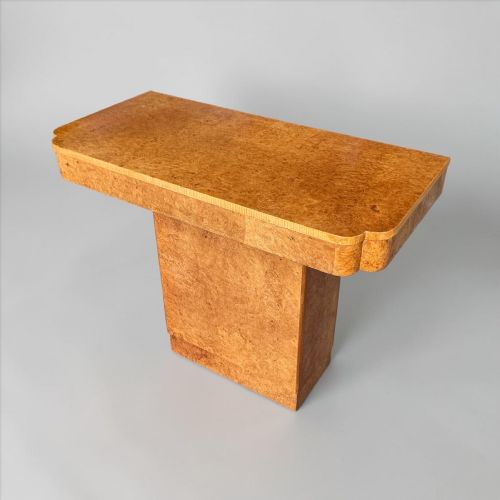
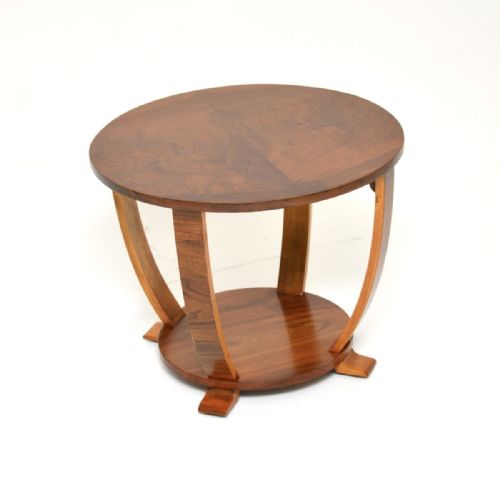
When searching for 1920s art deco furniture, buyers encounter substantial storage pieces, seating sets, and occasional tables designed for domestic use. Sideboards, tallboys, wardrobes, and cocktail cabinets dominate the larger forms, while side tables, nest of tables, and console tables serve smaller spaces.
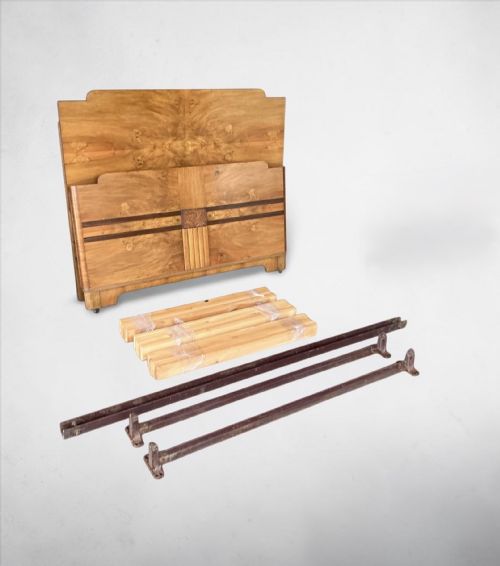
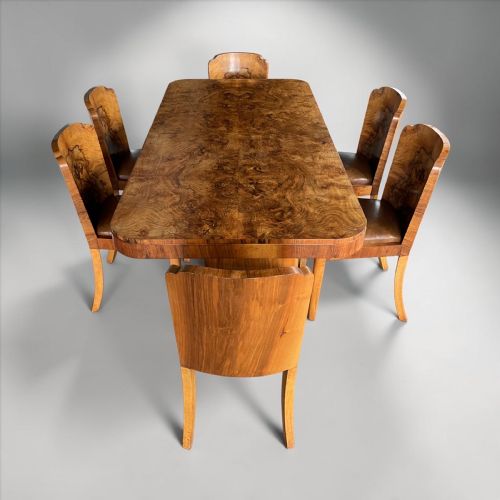
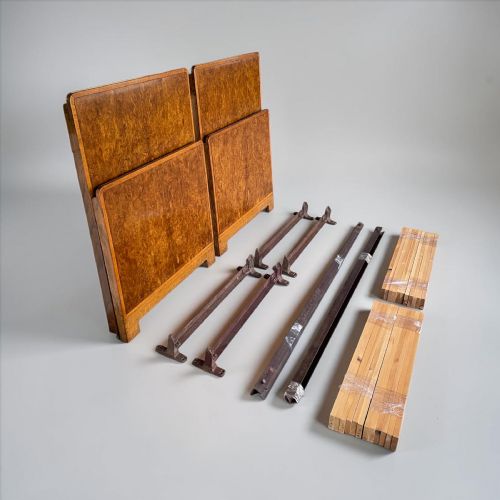
Bedrooms appear frequently with double and single bed frames, headboards with attached bedside tables, and complete bedroom suites. Dining arrangements range from small tables with chairs to large eight-seater suites accompanied by matching display cabinets.
Origins span British workshops, French makers, and Swedish designers, reflecting a broad European movement. Pieces bridge the early twentieth century, drawing on styles from strict art deco and French variants to Swedish Grace, Egyptian revival, and occasional revivalist idioms.
How they were made
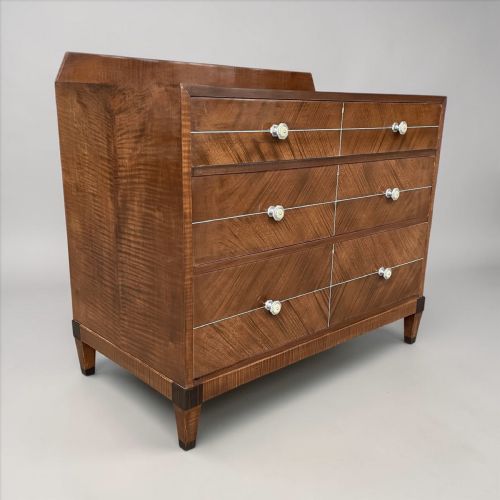
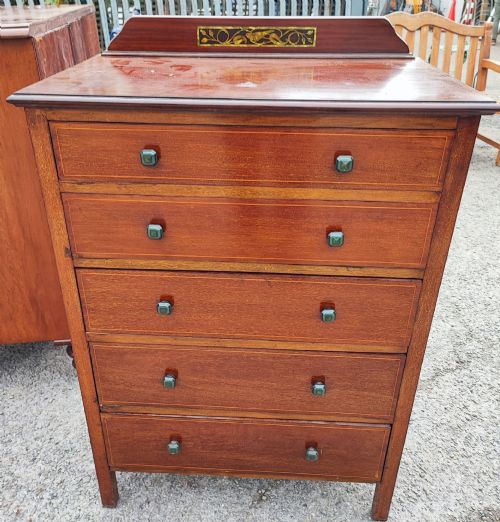
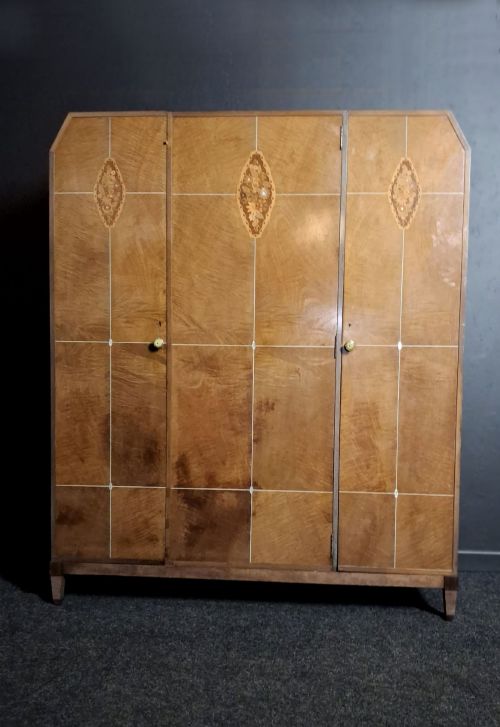
Cabinet makers utilised choice timbers, applying decorative veneers like burr walnut, burr maple, rosewood, and birds eye maple over solid structural timber frames. Mahogany, oak, limed oak, and ebonised wood provide alternative foundational bodies for sideboards, wardrobes, and tables.
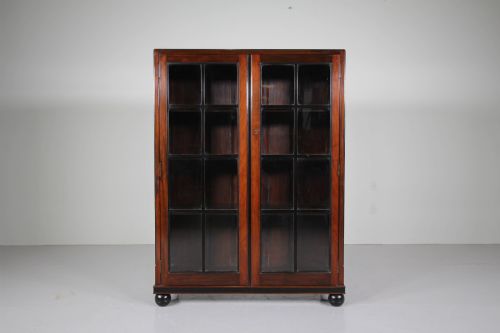
Surface ornamentation relies heavily on contrasting grain patterns, matched veneer layouts, and careful polishing rather than carved relief. Metal components in brass appear as mounts, handles, and structural accents, while glass inserts function in display cabinets, table tops, and cocktail bars.
1920s Art Deco Furniture Retail Price Guide 2026
Typical asking prices for 1920s art deco furniture among the pieces listed under this phrase on Sellingantiques today, from the lower quarter to the upper quarter. They describe what is for sale here now, not the wider market.
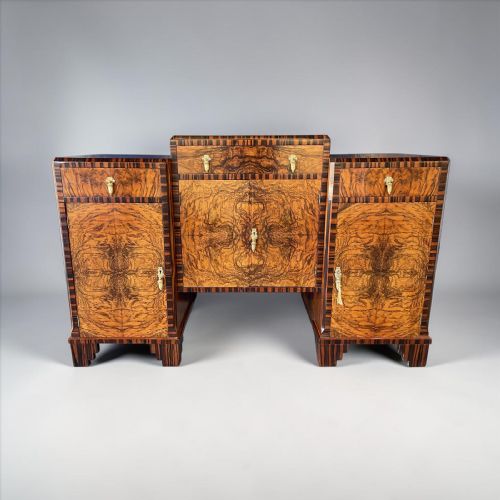
Jazz age drinkers kept their gin secure behind burr walnut doors while mirrors reflected the ice.
What varies in quality
The degree of sophistication in veneer selection and grain matching distinguishes standard cabinet work from exceptional design. Master makers employed highly figured burr timbers across entire facades, ensuring symmetrical patterns that catch the light.
Construction methods and hardware integration separate ordinary utilitarian items from superior studio output. Signed pieces or labelled works by established cabinet makers demonstrate finer joinery details, balanced proportions, and integrated metal or glass elements.
Waring and Gillow England·Bath Cabinet Makers·Maurice Adams·Heals of London·H and L Epstein·Jean Faure·Sandberg and Co
The 1920s Art Deco Furniture Glossary
- Burr Walnut
- A figured wood veneer taken from the warted growths on walnut trees, prized for its swirling patterns. It forms the primary decorative surface on many high-end cabinets and tables.
- Tallboy
- A tall chest of drawers, often combining a wardrobe section or smaller drawers stacked above deeper ones. This form maximises vertical storage space in bedrooms.
- Cocktail Cabinet
- A specialised drinks unit designed for home entertainment, typically fitted with mirrored interiors and glass surfaces. These pieces date to the height of the jazz age social era.
- Klismos
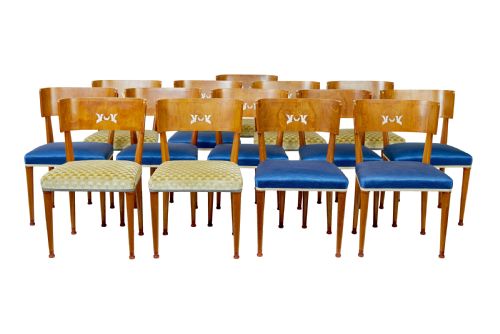
- An ancient Greek chair form reinterpreted by twentieth-century designers with curved legs and a flared backrest. Examples appear in dining chair sets from Swedish studios.
- Ebonised
- Timber treated with a dark finish to imitate expensive ebony wood. This technique provides sharp contrast against lighter maple or brass mounts.
1920s Art Deco Furniture: Frequently Asked Questions
How do I style 1920s art deco furniture?
These statement pieces work best against neutral backgrounds that allow the figured veneers and geometric silhouettes to stand out without competing for attention. Pairing a single burr walnut cocktail cabinet or tallboy with modern minimalist decor highlights its architectural form.
Larger dining suites and bedroom sets create a cohesive period atmosphere when given adequate space to breathe within a room. Mixing woods requires balance, keeping the dark ebonised or bright maple tones complementary.
What is a cocktail cabinet used for?
Cocktail cabinets served as dedicated home bars for mixing and serving drinks during the height of the jazz age. Interior compartments typically housed glass shelves, mirrored panels, and pull-out preparation trays.
These units kept bottles and glassware organised behind secure doors, often highlighted by exotic veneers like birds eye maple or black lacquer. Their compact footprint made them practical for entertaining in both large homes and smaller apartments.
How do I identify Swedish Grace pieces?
Swedish Grace items display a restrained, classical elegance that predates the more exuberant geometric styles of the later 1930s. Look for refined proportions, clean lines, and lighter woods such as elm or birch.
Chairs and bookcases from this regional tradition often incorporate classical Greek motifs like the klismos form. Maker signatures and labels from Scandinavian workshops help confirm the origin of these specific items.
Are bedside cabinets sold as pairs?
Many bedside cabinets and small chests appear as matching pairs designed to flank double or single bed frames. These matching sets ensure symmetrical balance in bedroom layouts.
Single cabinets also occur, often accompanying individual bed frames or serving as small occasional tables in other rooms. Their compact size with drawers or cupboards makes them versatile for modern guest rooms.