
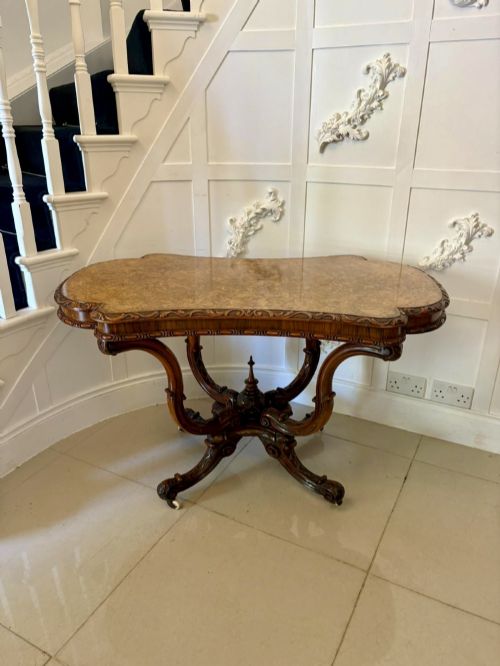
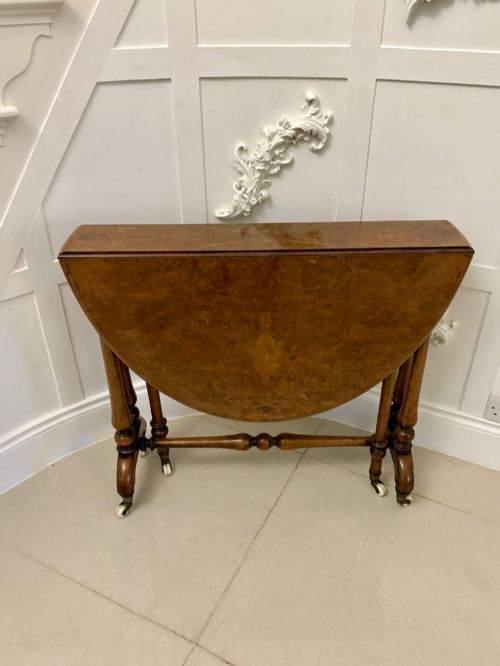
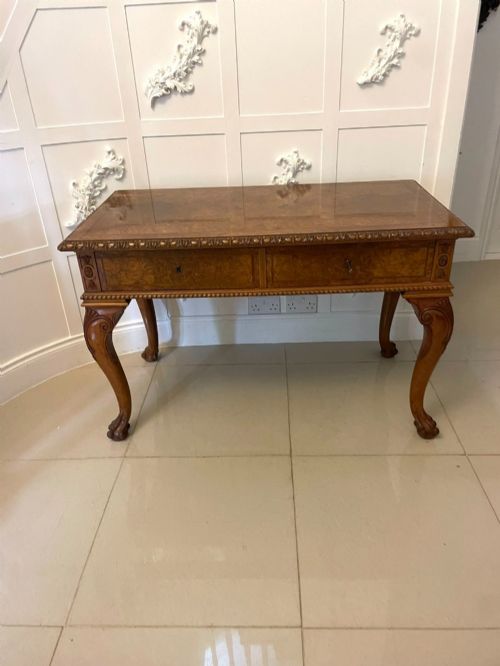
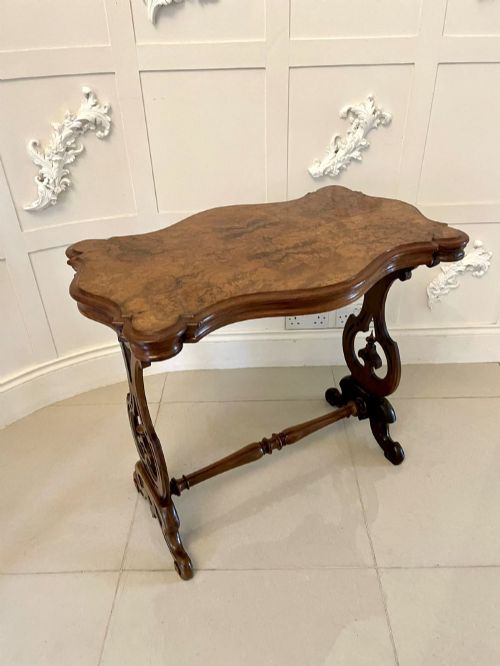


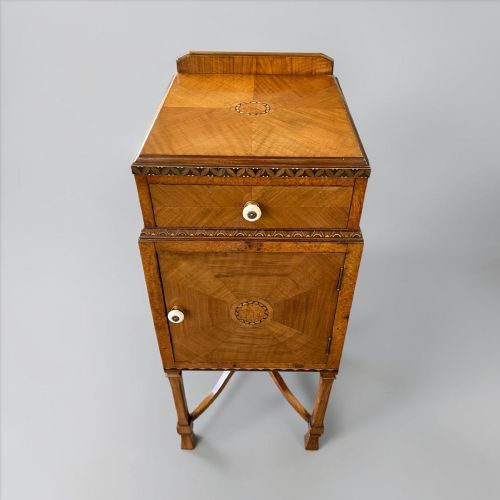
Brown Walnut Side Tables
Brown walnut side tables are practical occasional surfaces offering rich grain and compact proportions for the home.
What these brown walnut side tables are
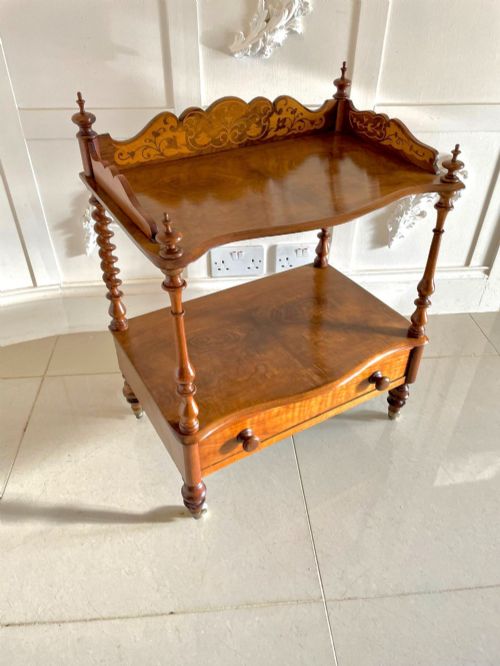
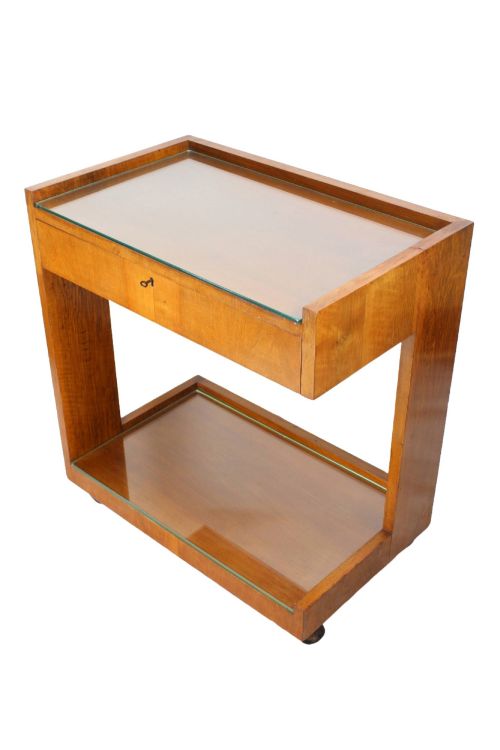
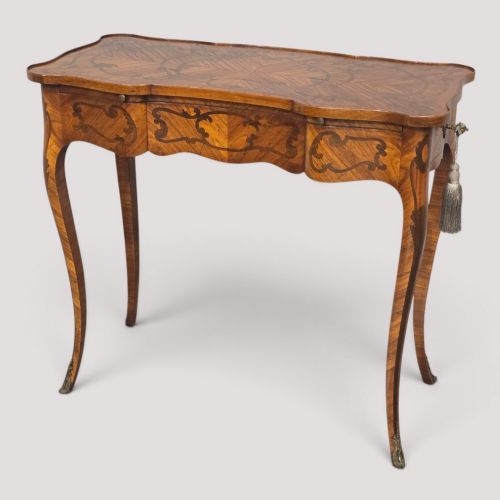
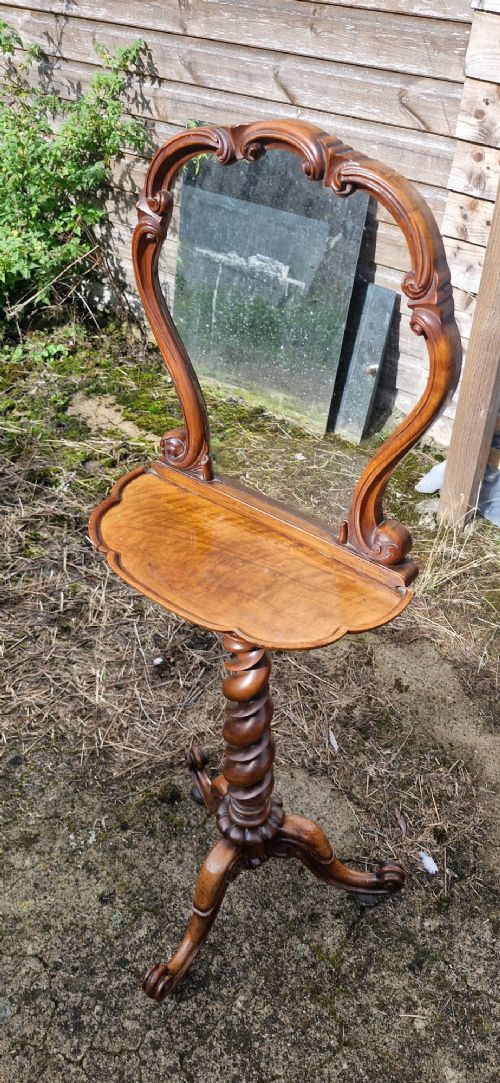
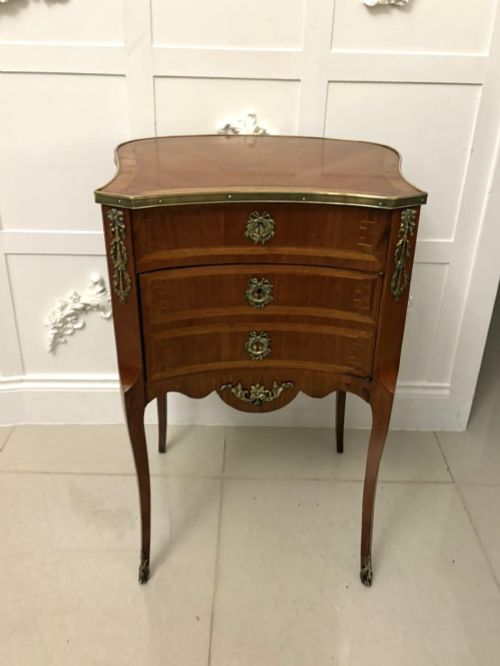
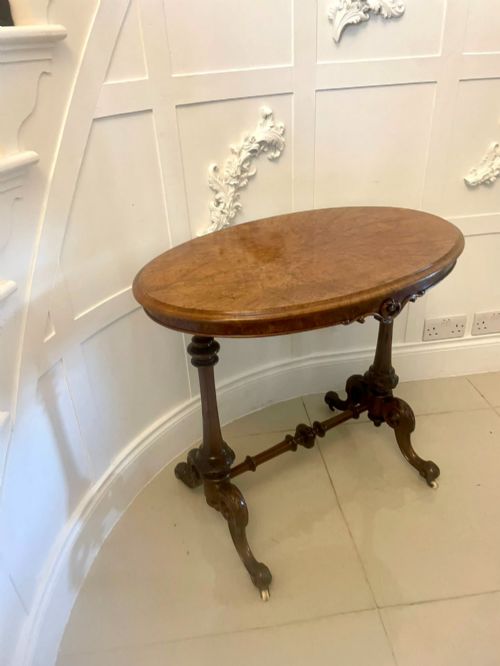
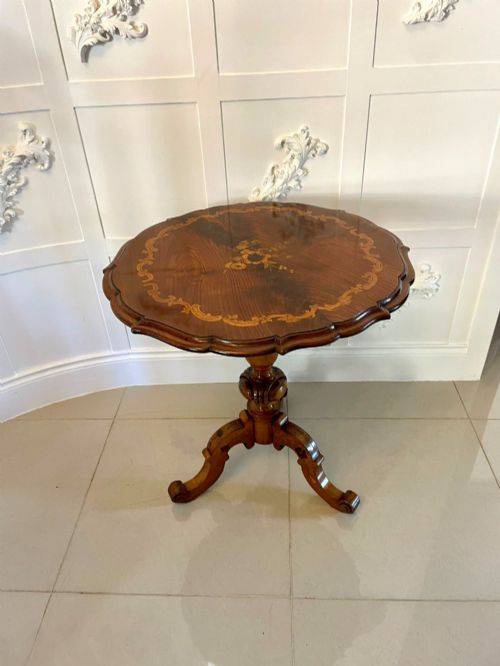
Brown walnut side tables encompass compact occasional furniture designed for utility beside a bed or in a living space. These brown walnut side tables appear in forms such as bedside cabinets, nests of tables, drum-shaped units, and demi-lune tables.
The pieces on offer span the Edwardian period, the 1930s, and the 1940s, originating from British, French, and Italian workshops. Buyers will most frequently encounter matched pairs of bedside cabinets alongside nests of three tables.

How they were made
Construction relies upon solid timber and applied burr walnut veneer, which showcases the natural figures of the wood. Metal and brass elements frequently furnish structural support, handles, or decorative mounts.
Surfaces occasionally incorporate marble tops to add weight and contrast to the timber frames. Cabinet-makers shaped these pieces into curves, drum cylinders, and nesting sets using standard cabinet-making techniques of their respective eras.
Retail Price Guide 2026
Typical UK retail prices for brown walnut side tables, calculated from the Sellingantiques database of over a million retail prices indexed since 2003. This retail price guide relies exclusively on Sellingantiques data; no external sources or auction records are used, so the figures do not describe the wider market.
Some tables are shaped like tiny drums, proving that even bedside storage once wanted to join the marching band.
What varies in quality
Quality rests upon the selection and matching of the walnut veneer across prominent surfaces, where symmetrical grain patterns elevate the visual impact. The handling of curved forms, such as drum shapes and demi-lune profiles, demonstrates the skill of the maker.
Integration of contrasting materials like marble and brass hardware distinguishes standard utilitarian items from more ambitious designs. The cohesion of matched pairs also dictates the desirability of the piece.
The Brown Walnut Side Tables Glossary
- Burr walnut veneer
- A thin slice of wood taken from a walnut tree outgrowth, prized for its swirling, intricate grain patterns. It provides a decorative surface on cabinet doors and table tops.
- Demi-lune
- A half-moon shape used for table tops and furniture fronts. This profile allows tables to sit flush against a wall while projecting into the room.
- Nest of tables
- A set of graduated tables designed to fit neatly beneath one another to save space. They can be pulled out separately when extra surface area is required.
- Bedside cabinet
- A small enclosed storage unit with a door or drawer, kept next to a bed. These often feature matching pairs in the evidence.
Frequently Asked Questions
Where should I place a drum-shaped table?
Drum-shaped tables work well beside low seating or beds where their curved profile softens room angles. Their enclosed design also offers discreet storage.
They fit easily into smaller corners while providing a stable top surface for lamps or books.
How do I identify Edwardian side tables?
Edwardian tables generally display traditional revival styles and lighter proportions compared to later twentieth-century designs. Look for classic silhouettes like the demi-lune form.
Material choices in this period frequently emphasise straightforward walnut construction before the bolder veneering trends of the 1930s.
What is the benefit of a nest of tables?
A nest of tables provides multiple surfaces that occupy the floor space of only a single small table. They can be separated around a room when entertaining guests.
When not in use, the smaller tables slide underneath the largest one to keep rooms tidy.
Are these tables usually sold as pairs?
Many bedside cabinets and matching tables are offered in pairs, particularly those dating from the 1930s. This symmetry suits placement on either side of a bed.
Pairs often feature matching grain patterns and identical hardware across both units.