


Louis XVI Style Nightstands
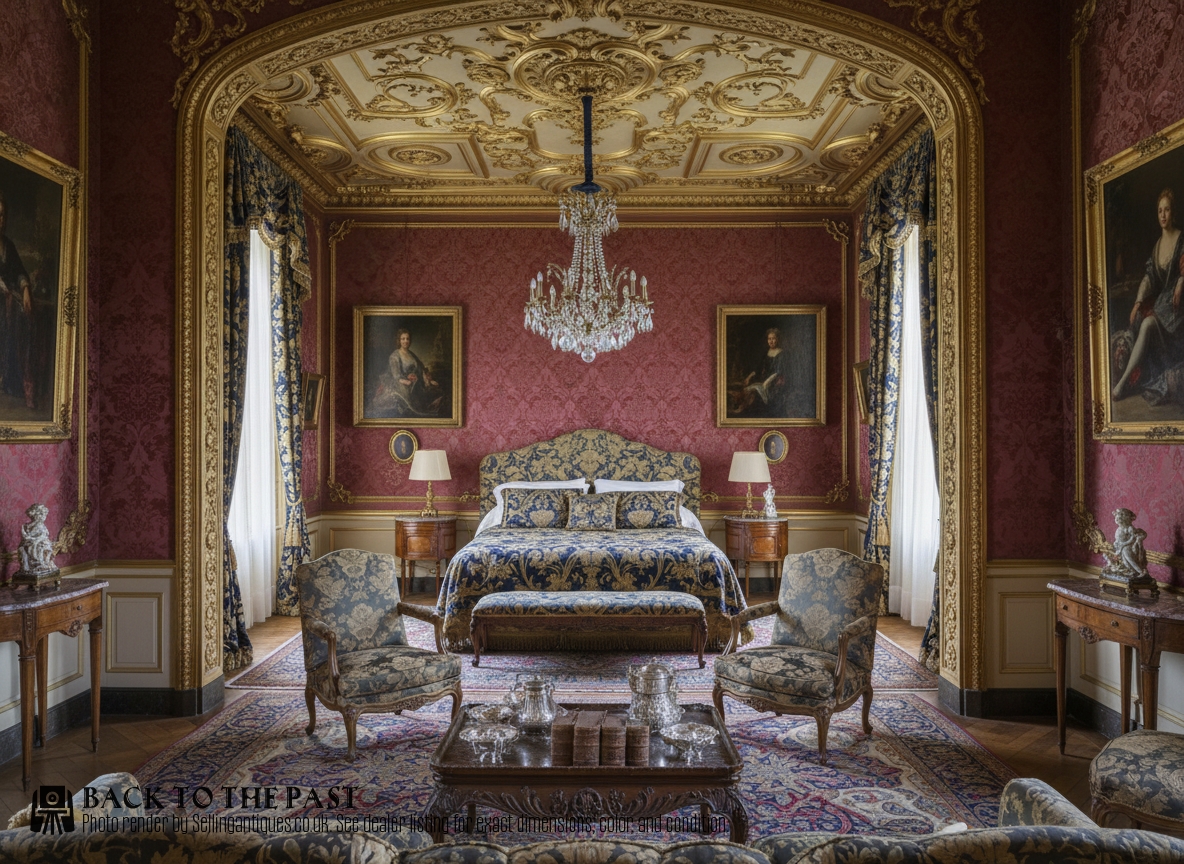
Louis xvi style nightstands bring classic French elegance to the bedroom, offering refined proportions and practical bedside storage.
Louis XVI Style Nightstands
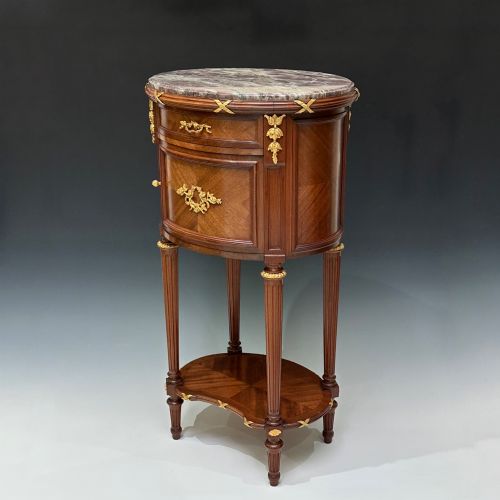
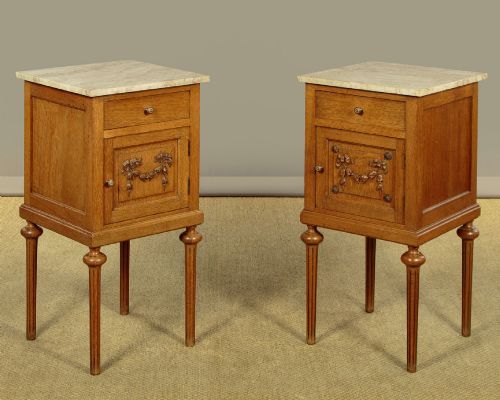
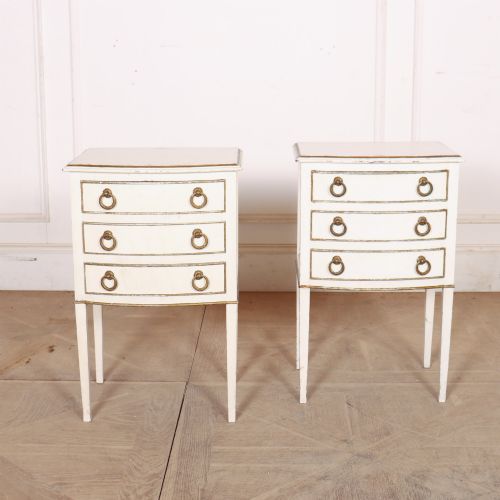
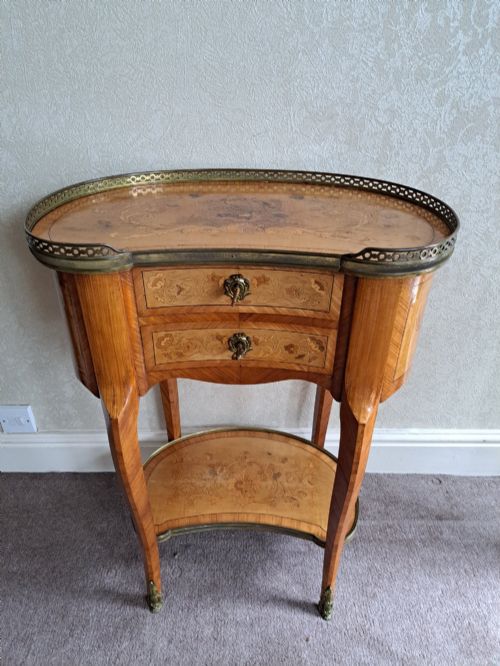
When you search for louis xvi style nightstands, you encounter pieces spanning the nineteenth century through the early twentieth century, reflecting enduring revival taste. These items manifest as bedside tables, side tables, bedside cabinets, and commodes.
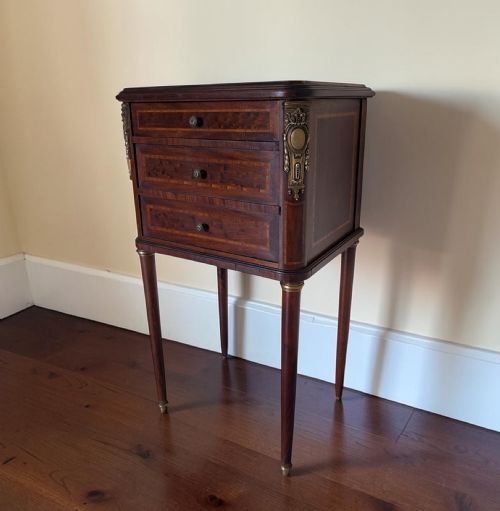
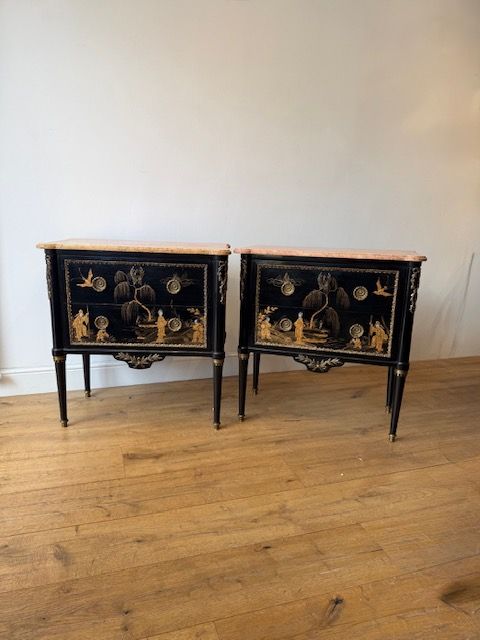
The most common formats on this page include pairs of bedside cabinets and commodes constructed in the French taste. They frequently incorporate marble tops, marquetry inlay, and characteristic neoclassical lines derived from eighteenth-century models.
How they were made
Cabinet makers utilised fine timbers such as mahogany, rosewood, kingwood, and walnut as structural bases for marquetry and veneering work. Tops of white or coloured marble provide durable working surfaces.
Cast brass and ormolu mounts punctuate the timber frames, highlighting corners, drawer pulls, and aprons. Lacquer finishes appear on chinoiserie pieces alongside painted treatments.
Louis XVI Style Nightstands Retail Price Guide 2026
Typical asking prices for louis xvi style nightstands among the pieces listed under this phrase on Sellingantiques today, from the lower quarter to the upper quarter. They describe what is for sale here now, not the wider market.
Some diminutive tables even incorporate hidden porcelain plaques to catch the morning light beside the bed.
What varies in quality
The precision of the marquetry and the choice of timbers separate standard workshop production from finer cabinet work. Richer veneers and complex geometric or floral inlays elevate the visual depth of a piece.
Mount quality dictates the finish at the upper end, where chased ormolu and detailed brass work replace simpler cast fittings. Heavy, well-fitted marble tops and robust structural joinery mark superior examples.
François Linke·Charles Topino
The Louis XVI Style Nightstands Glossary
- Ormolu
- Gilded bronze used for decorative mounts and furniture trimming. It provides metallic contrast against dark cabinet timbers.
- Marquetry
- Inlaid wood veneers forming pictorial or geometric patterns on furniture surfaces. Master craftsmen cut contrasting timbers together to ensure tight joints.
- Kingwood
- A dense, richly figured exotic timber utilised for decorative cabinet veneers. It displays deep brown tones with lighter golden streaks.
- Commode
- A low chest of drawers or cabinet with doors, functioning as a bedside or storage unit. French examples often feature curved serpentine fronts.
- Demi-lune
- Half-moon or semicircular shape in furniture design. This profile allows tables to sit flush against bedroom walls.
Louis XVI Style Nightstands: Frequently Asked Questions
Are these pieces actually from the eighteenth century?
Most items originate from the nineteenth and early twentieth centuries as revivals of earlier eighteenth-century designs.
Cabinet makers during this later period deliberately copied the neoclassical proportions and decorative vocabulary of the original era.
How do I identify a marble top nightstand?
Bedside cabinets frequently feature fitted stone slabs inset into the timber top to provide a clean, durable surface.
These tops range from plain white marble to coloured varieties with distinct veining patterns.
What woods were used for these cabinets?
Workshops primarily employed mahogany, walnut, rosewood, and kingwood for both solid construction and decorative veneer work.
Satinwood and other lighter timbers frequently appear alongside these dark woods to create contrasting marquetry patterns.