

Art Deco Walnut Furniture
Art deco walnut furniture brings sculptural geometry and warmth into a room through rich timber grains and sleek lines.
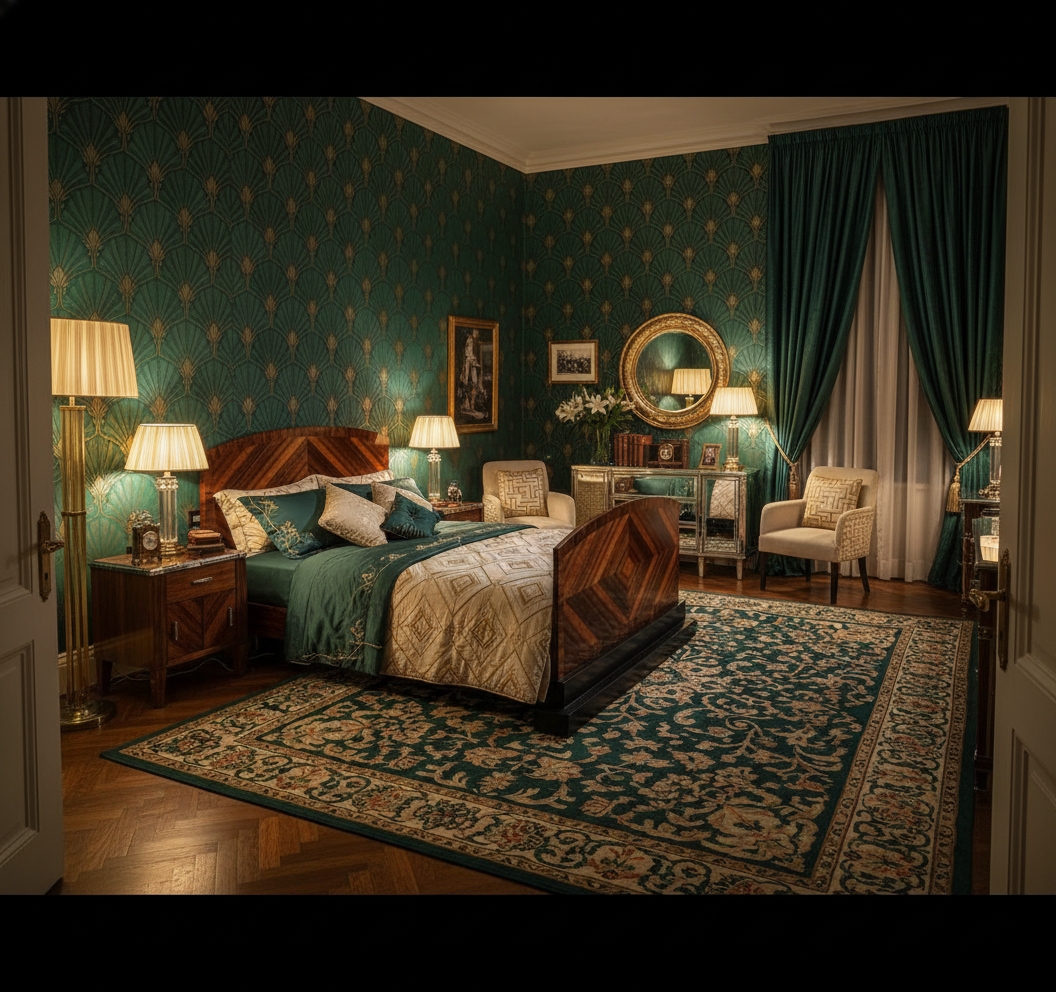
Art Deco Walnut Furniture
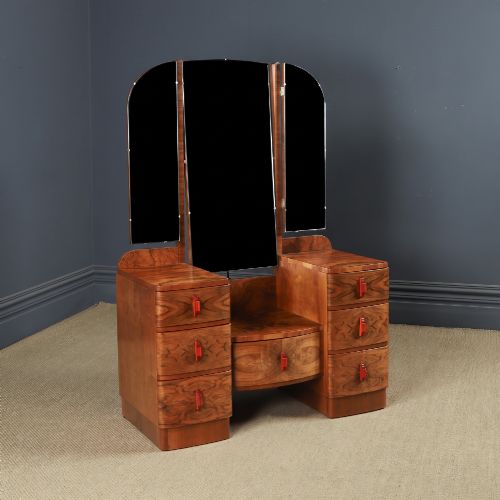
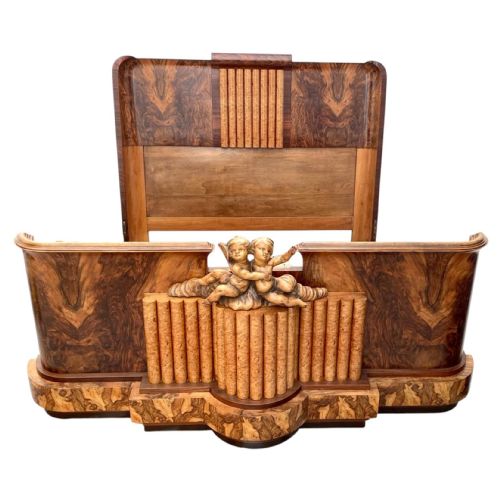
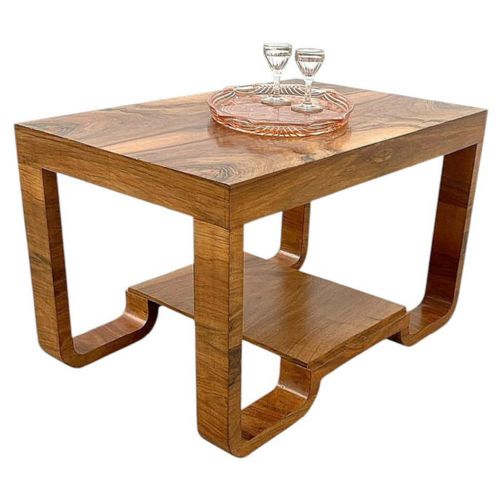
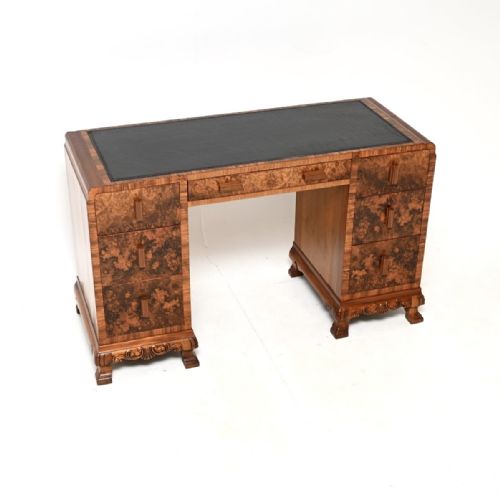
Art deco walnut furniture comprises storage pieces, seating, and tables designed primarily during the 1920s, 1930s, and 1940s. The selection on this page centres around bedroom suites, desks, dining sets, and occasional tables originating from English, French, and Swedish workshops.
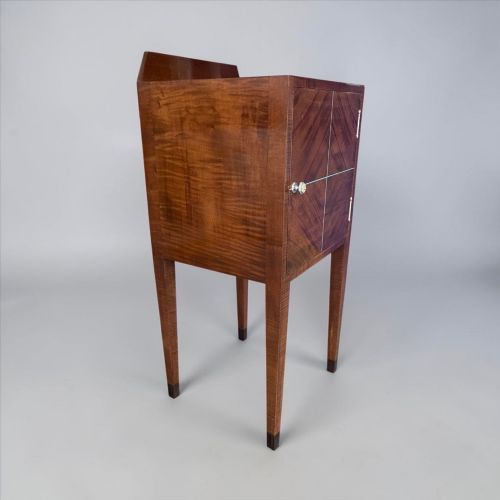
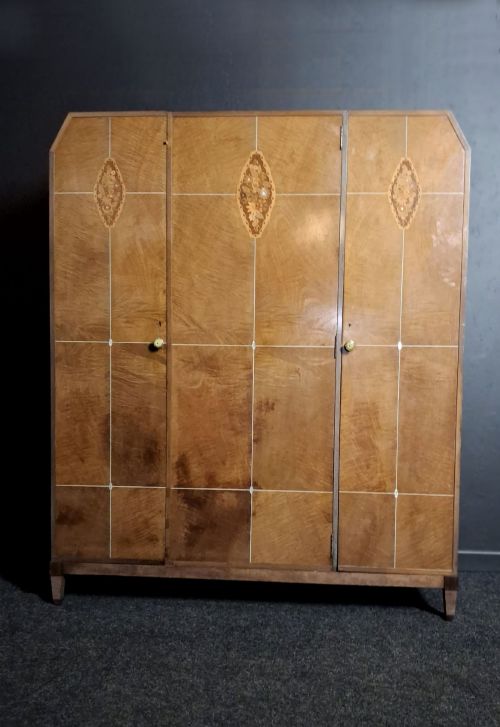
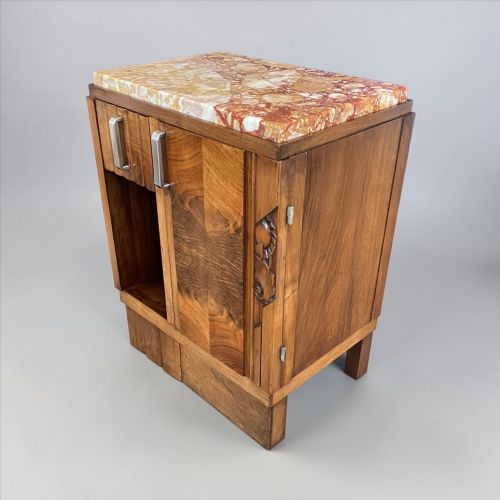
Buyers encounter substantial forms such as wardrobes, chests of drawers, and sideboards alongside smaller items like nests of tables, bedside cabinets, and cocktail drinks cabinets. Many items pair walnut with contrasting woods like satinwood or incorporate leather tops and metal accents.
How they were made
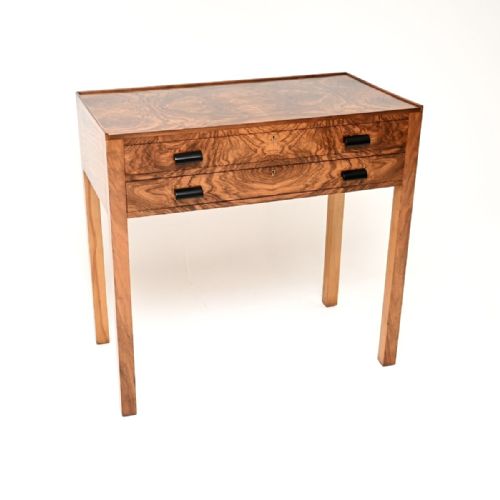
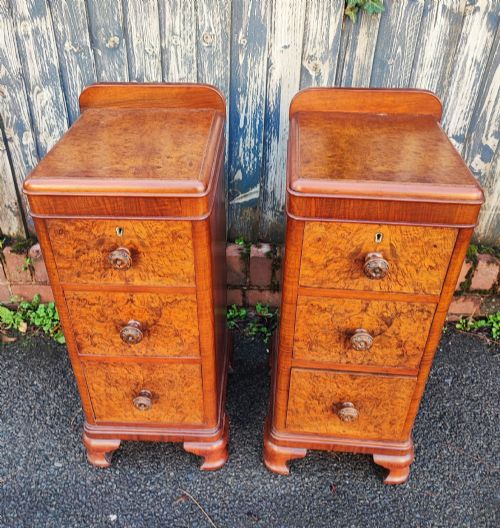
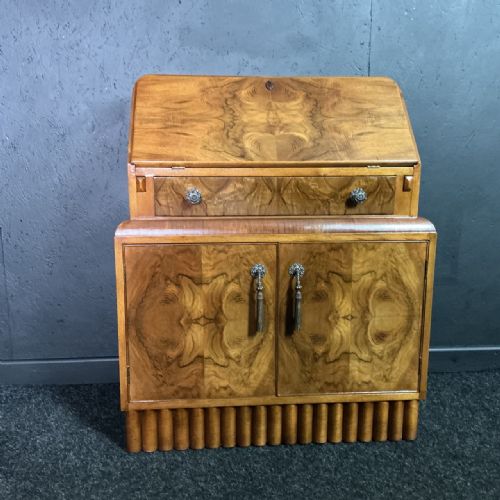
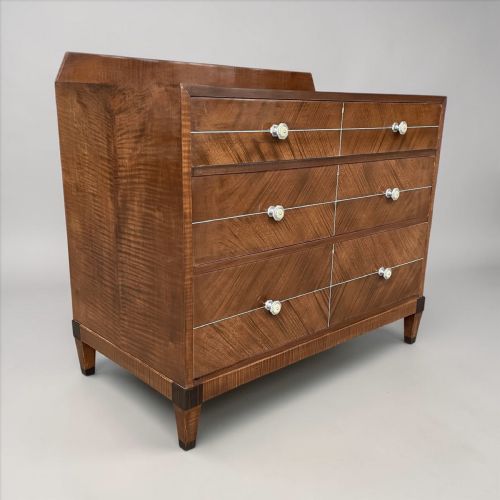
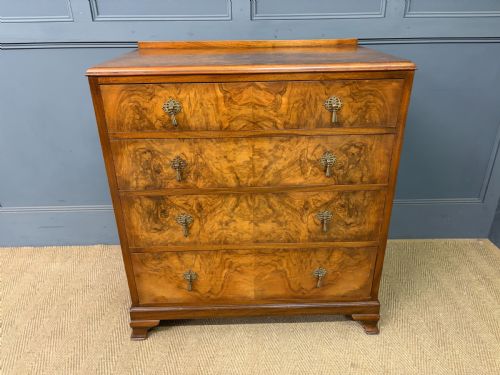
Cabinet makers applied figured, burr, and straight-grained walnut veneers over solid timber carcasses to create striking symmetrical grain patterns across large surfaces like drawer fronts and cabinet doors. The natural figuring of the wood served as the primary decoration, often arranged in matched book-leaf patterns.
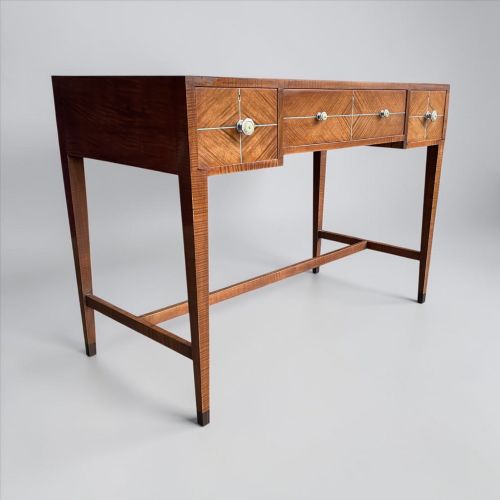
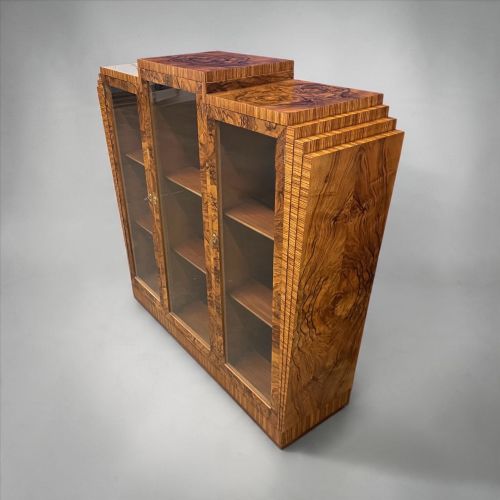
Makers integrated leather writing surfaces, metal hardware, and occasional satinwood details to complement the dark tones of the walnut. Construction techniques combined traditional cabinet-making frames with curved and tiered silhouettes typical of the period.
Art Deco Walnut Furniture Retail Price Guide 2026
Typical asking prices for art deco walnut furniture among the pieces listed under this phrase on Sellingantiques today, from the lower quarter to the upper quarter. They describe what is for sale here now, not the wider market.
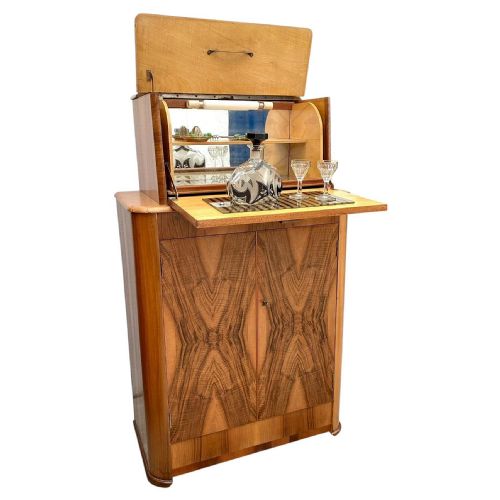
Many 1930s cocktail cabinets hide mirror-backed inner worlds designed solely for the theatrical hosting of gin and tonic.
What varies in quality
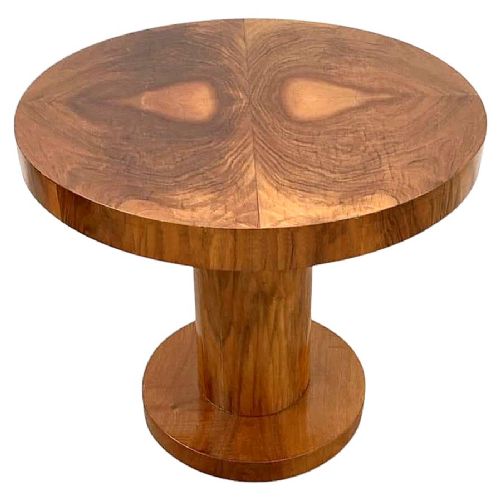
The visual impact depends heavily on the selection and matching of the veneer, with burr and figured walnut commanding attention through complex, swirling grain patterns. Pieces featuring continuous grain flow across multiple drawers demonstrate a higher degree of planning by the maker.
Overall proportion and the fluidity of the geometric or waterfall curves separate standard production items from bespoke pieces by notable makers. The integration of secondary timbers and the precision of the joinery complete the distinction between ordinary and exceptional examples.
Maurice Adams·Harry and Lou Epstein·Waring and Gillow·Hille·Frank Taylor and Co·F.H. Marshall and Co·Rivington
The Art Deco Walnut Furniture Glossary
- Burr walnut
- A growth deformity on a walnut tree that produces intricate, swirling patterns when sliced into veneer. Cabinet makers prized this timber for creating decorative focal points on doors and drawer fronts.
- Figured walnut
- Wood grain possessing a natural pattern that reflects light differently depending on the angle. It gives flat surfaces a shimmering, three-dimensional depth.
- Satinwood
- A pale, hard wood originating from tropical trees used for contrasting inlay and stringing. It provides a bright visual border against darker walnut veneers.
- Cocktail cabinet
- A dedicated storage piece designed for mixing and serving drinks during the interwar period. These cabinets often feature mirrored interiors, pull-out preparation slides, and specialised glass storage.
Art Deco Walnut Furniture: Frequently Asked Questions
How do I clean walnut veneer?
Dust surfaces regularly with a soft, dry cloth to prevent the buildup of abrasive particles. Avoid using harsh chemical sprays or excessive water, which can penetrate the veneer and lift the adhesive underneath.
Apply a quality beeswax polish occasionally to nourish the wood and maintain a natural lustre. Buff the surface gently with a clean cloth after application to protect the finish.
Where should I place these pieces?
Position walnut items away from direct sunlight and strong heat sources such as radiators to prevent the wood from drying out and the veneer from cracking. Consistent indoor humidity levels help preserve the structural integrity of older timber.
Living rooms, bedrooms, and studies suit these forms well, as their warm tones and functional designs complement modern and traditional interiors alike. Ensure large items like sideboards and wardrobes have adequate floor support.
How do I identify a cocktail cabinet?
Look for drop-down or folding front panels that serve as a preparation shelf for mixing drinks. Interiors frequently include mirrored backs, glass shelving, and built-in racks for glassware.
Lower sections generally feature enclosed cupboards for bottle storage. The overall exterior presents a streamlined, architectural silhouette typical of 1930s design.
Are nesting tables practical?
Nesting tables offer flexible surface space that adapts easily to entertaining or daily use. Individual tables slide neatly underneath one another to conserve floor space when not required.
They function well as lamp tables or occasional coffee surfaces in compact rooms. The graded sizes allow them to be separated around a seating area as needed.