

Vintage Walnut Server
A vintage walnut server brings deep, figured grain and practical surface space to a dining room, hallway or drawing room.
Vintage Walnut Server
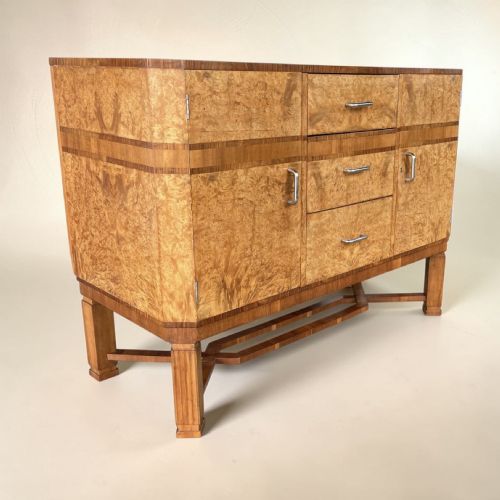
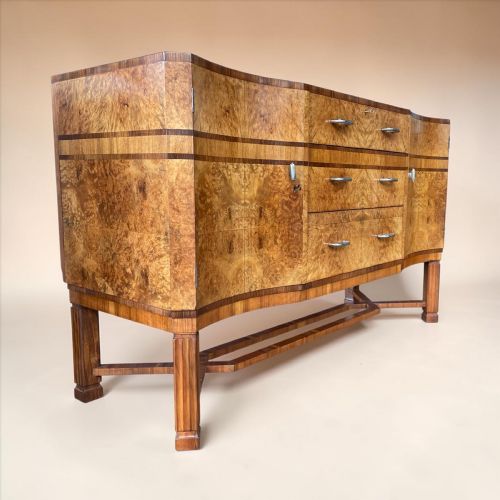
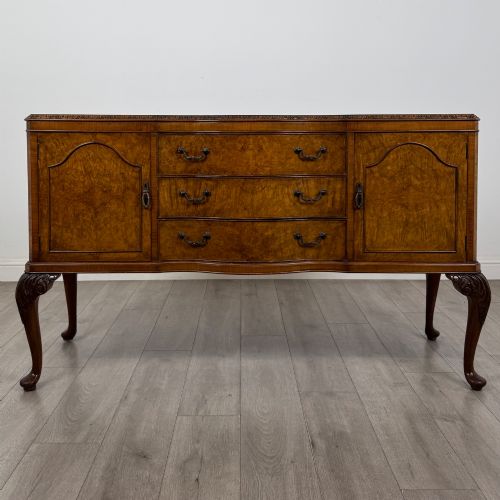
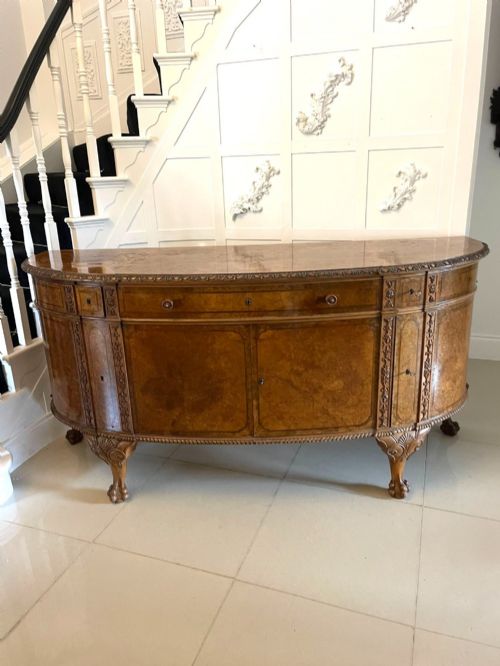
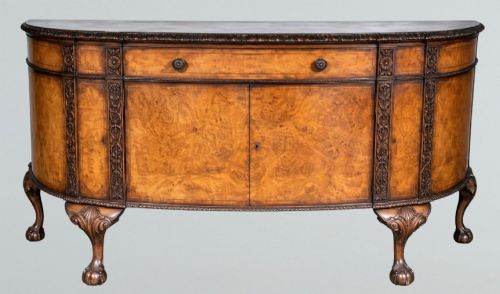
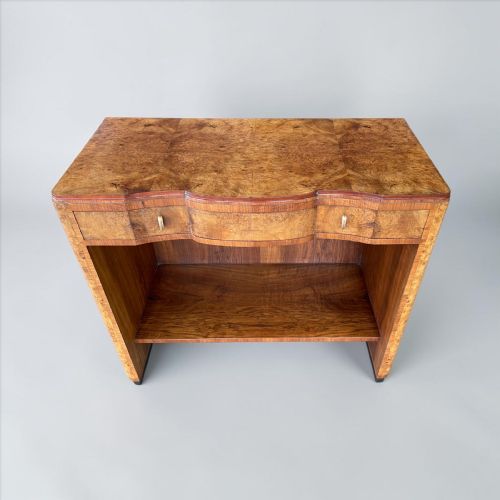
A vintage walnut server encompasses a range of dining and serving furniture, including sideboards, console tables, serving tables and cocktail cabinets designed for food and drink preparation or display.
Most pieces seen here belong to the 1930s and 1920s eras, alongside Edwardian, Victorian and earlier examples stretching back to the eighteenth century.
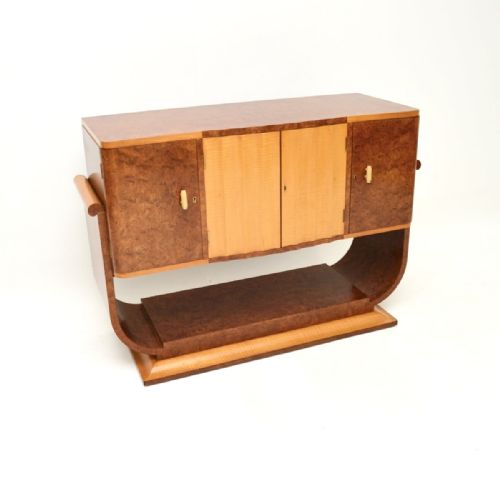
Makers and designers working in Art Deco, Queen Anne Revival and Georgian Revival styles produced these items for domestic use in formal dining rooms and halls.
Materials and construction methods
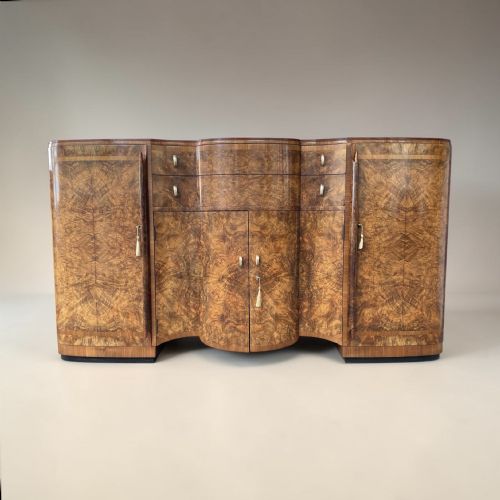
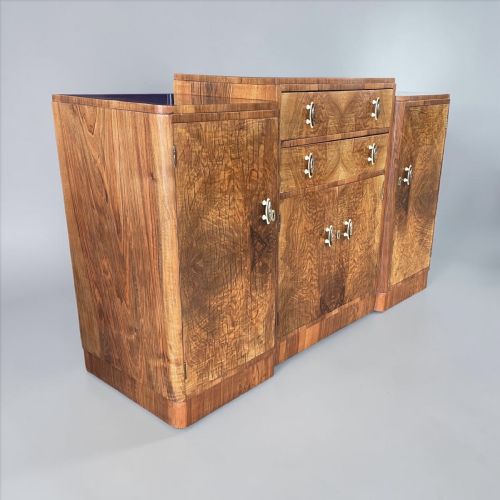
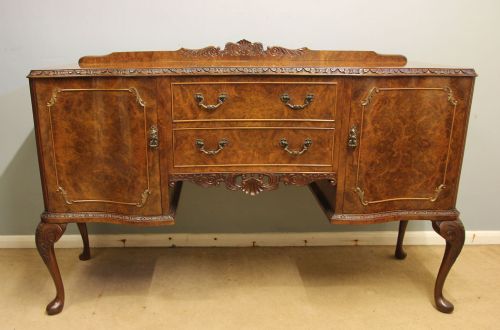
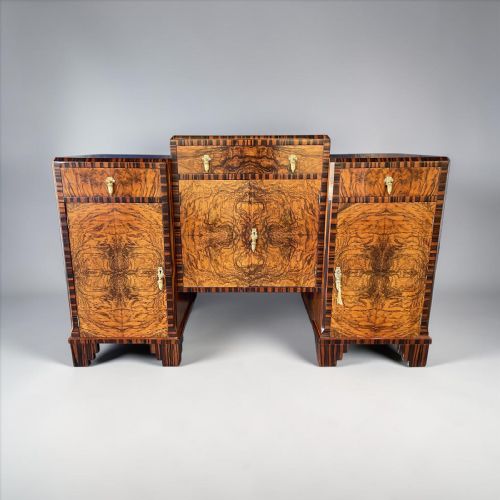
Craftsmen utilised solid walnut and walnut veneer, frequently selecting burr walnut and figured walnut for its swirling, decorative grain patterns on drawer fronts and cabinet doors.
Construction often incorporated secondary woods like oak, paired with brass handles, glass elements and marble tops on select Italian and French provincial sideboards.
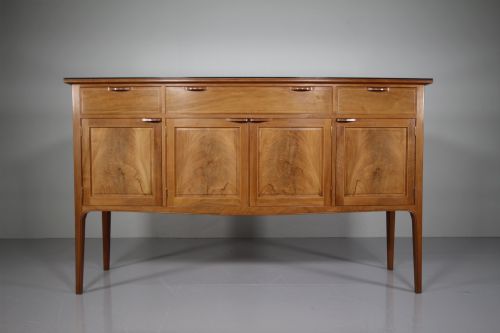
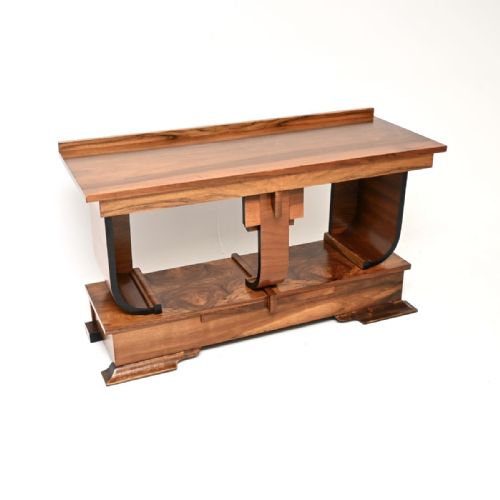
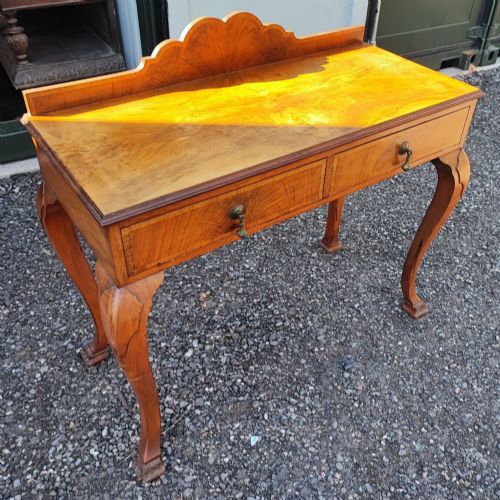
Cabinetmakers shaped timber into bow fronts, serpentine curves and breakfronts, supporting tables on cabriole legs or rectilinear Art Deco pedestals.
Vintage Walnut Server Retail Price Guide 2026
Typical asking prices for vintage walnut server among the pieces listed under this phrase on Sellingantiques today, from the lower quarter to the upper quarter. They describe what is for sale here now, not the wider market.
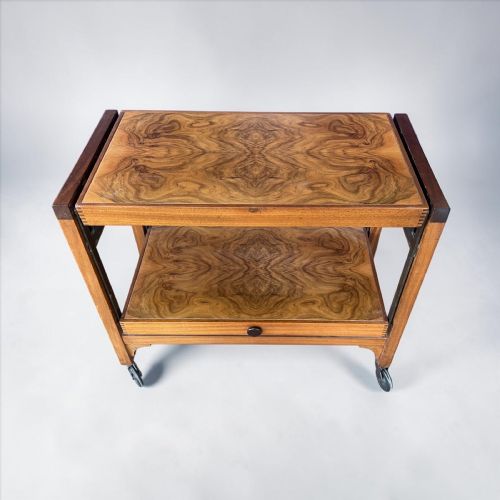
One twenty-first-century dining room now hosts a 1930s metamorphic trolley that still dispenses evening aperitifs on demand.
Distinguishing quality in walnut servers
The choice and matching of wood veneers dictate visual distinction, where symmetrical burr patterns show superior craftsmanship compared to plain timber surfaces.
Original hardware, such as stamped makers' marks, fine brass mountings and integrated cutlery sets, separates standard production items from distinguished designer pieces.
Maurice Adams·Edward Barnsley·Hille·Harry and Lou Epstein·Hamptons of Pall Mall London
The Vintage Walnut Server Glossary
- Burr walnut
- A veneer taken from the knotted growth of a walnut tree, prized for its intricate, swirling grain patterns. It creates a highly decorative finish on cabinet doors and tabletops.
- Console table
- A table designed to stand against a wall, frequently supported by ornate legs or brackets. These pieces function as servers or display surfaces in halls and dining rooms.
- Sideboard
- A large dining room cabinet fitted with cupboards and drawers for storing tableware and serving food. Examples range from heavy Victorian forms to streamlined Art Deco designs.
- Cabriole leg
- A furniture leg that curves outward at the knee and tapers inward toward the foot, inspired by animal limbs. This form appears frequently on Queen Anne style walnut pieces.
- Breakfront
- A piece of furniture whose central section projects forward from the flanking sections. This architectural arrangement adds depth and shadow to large sideboards.
Vintage Walnut Server: Frequently Asked Questions
Where should a server go?
Place a server in a dining room to hold tableware, drinks and serving dishes during meals. They also function well in large hallways or living spaces as display surfaces.
Ensure adequate clearance around the piece so cabinet doors and drawers open fully without obstruction from other furniture.
How do I clean walnut?
Dust surfaces regularly with a soft, dry cloth to prevent grit accumulation on the polished wood veneer. Avoid silicone sprays or harsh chemical cleaners that damage antique finishes.
Apply a quality beeswax polish occasionally to nourish the timber and maintain a soft, protective sheen across the grain.
What is burr walnut?
Burr walnut comes from the wart-like growth on a walnut tree, producing dense, swirling patterns of grain. Cabinetmakers slice this wood into thin veneers to cover larger surfaces.
Because every growth is unique, furniture featuring burr walnut displays one-of-a-kind patterns that catch the light from different angles.
How do I date a server?
Examine the overall silhouette, handles and construction techniques to determine the period of manufacture. Art Deco pieces from the 1930s feature geometric lines, while Edwardian and Queen Anne revival pieces display traditional curves and cabriole legs.
Look inside drawers and on the back panels for stamps, paper labels or signature details left by the maker or retailer.