
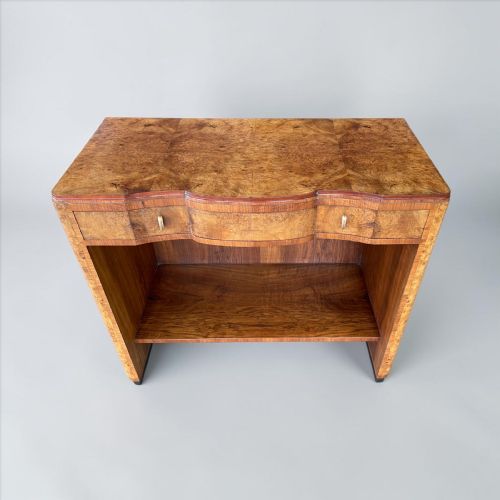
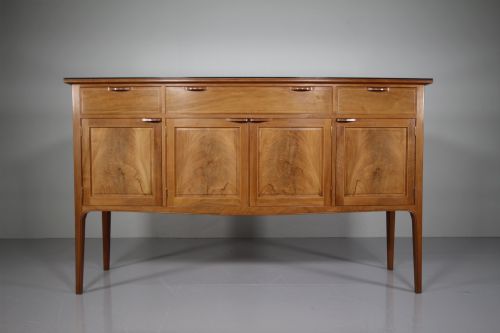
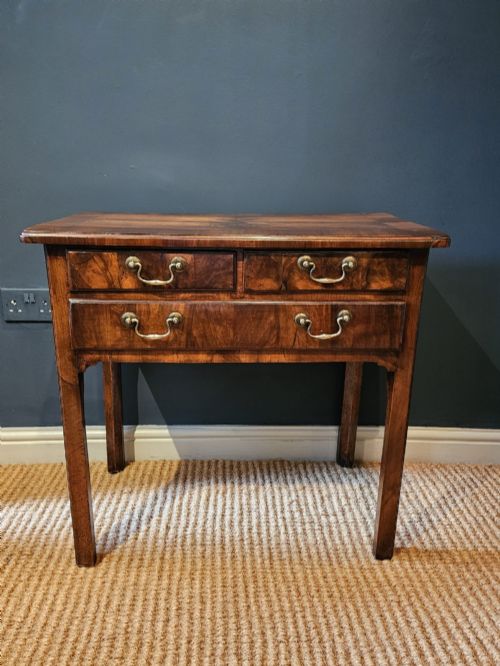
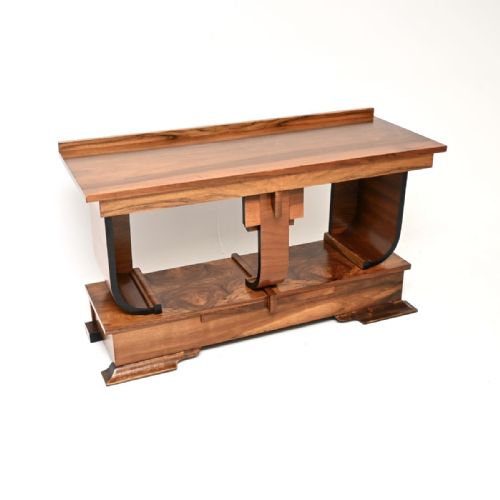
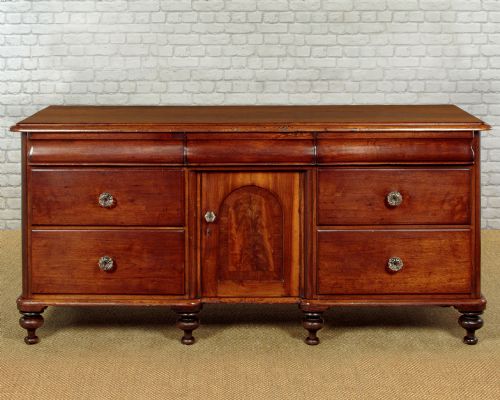
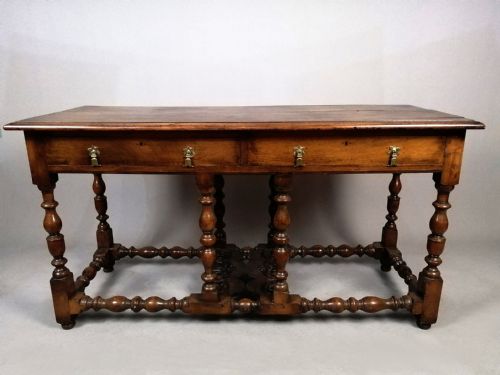

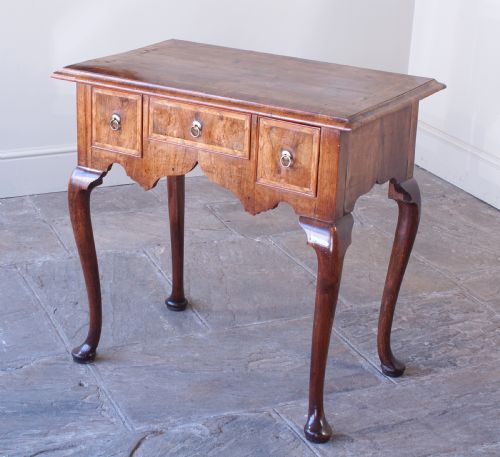
Walnut Server Table
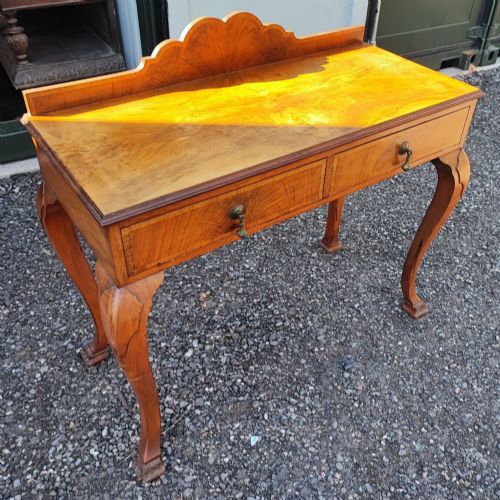
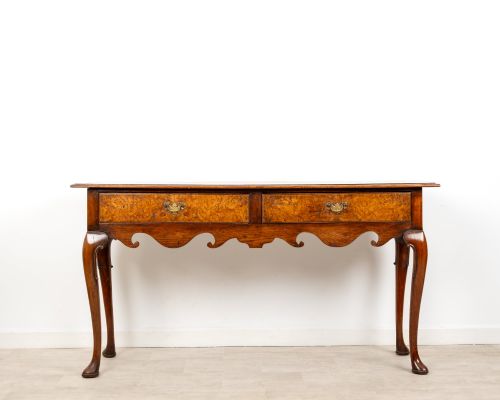
These walnut server table pieces bring rich timber figures and traditional craftsmanship into a dining room or hallway.
Identifying Walnut Server Table Forms
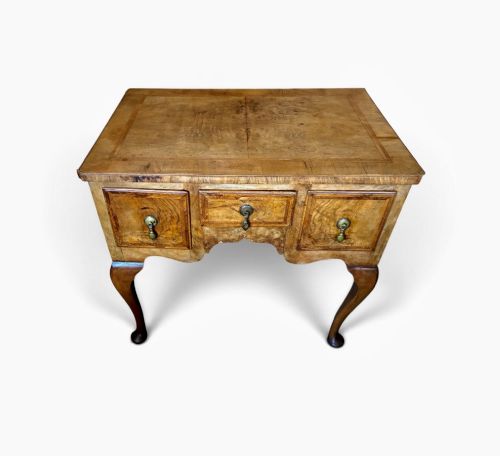
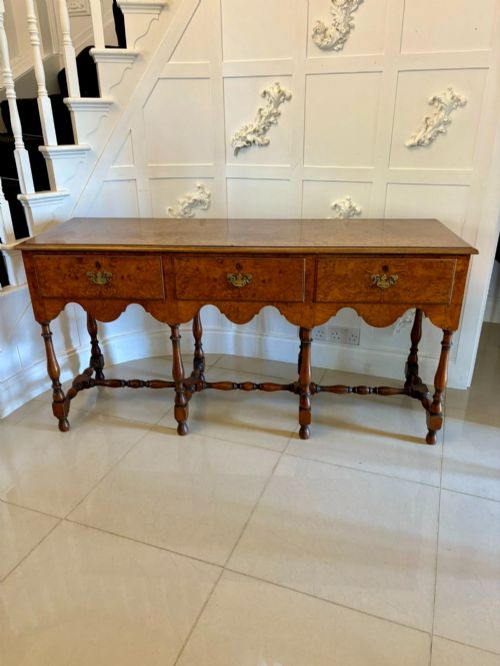
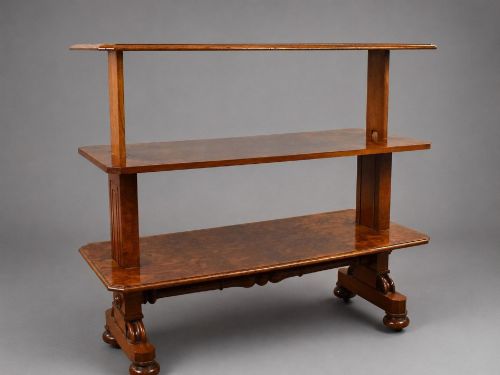
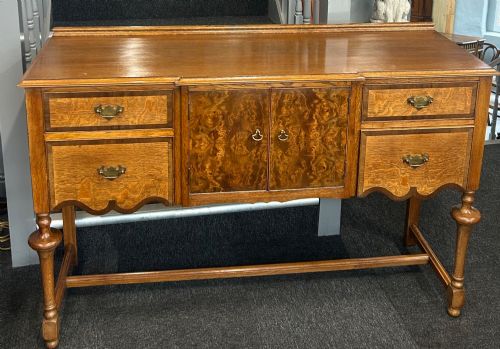
A walnut server table appears in various forms across the 18th Century, 19th Century, and subsequent revival periods. The inventory spans straightforward side tables, console variants, lowboys, and grander buffet arrangements.
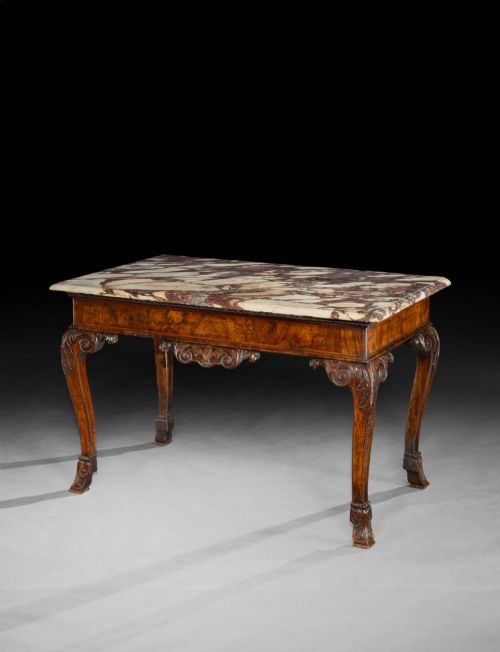
Many examples adhere to Queen Anne styling, featuring characteristic cabriole legs and pad feet, while others adopt Scottish Traditional or William & Mary Revival aesthetics. Buyers frequently encounter console interpretations alongside multi-tiered buffet pieces.
Dining room sets occasionally incorporate these serving surfaces alongside matching tables and chairs, showing how makers integrated the form into wider interior schemes.
Materials and Construction
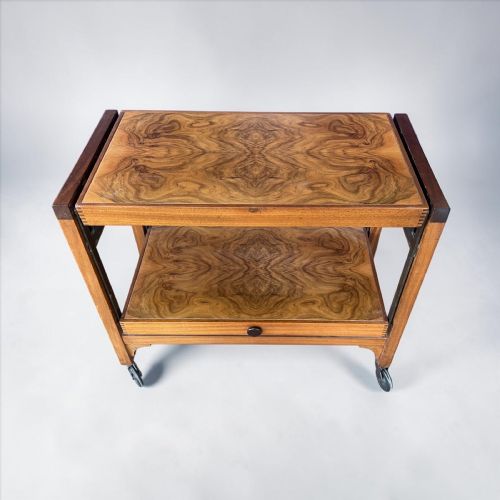
Construction relies heavily upon solid walnut and burr walnut veneers, which supply distinctive grain patterns across table tops and drawer fronts. Auxiliary timbers like mahogany occasionally reinforce structural elements.
Detailing involves turned components such as barley twist legs, alongside brass hardware utilised for handles and drawer pulls. Marble inserts and specific fabric elements also appear within the material record.
Retail Price Guide 2026
Typical UK retail prices for walnut server table, calculated from the Sellingantiques database of over a million retail prices indexed since 2003. This retail price guide relies exclusively on Sellingantiques data; no external sources or auction records are used, so the figures do not describe the wider market.
The inventory records walnut server table pieces spanning the 18th Century, 19th Century, and 1900 to 1920 periods.
Assessing Craftsmanship and Material Selection
The grading of a piece rests on the choice of timber figure, particularly the depth and movement found in burr walnut veneers. Superior examples display careful book-matching across expansive top surfaces.
Joinery execution and the integrity of carved details, from cabriole knees to turned twist legs, dictate the structural refinement. Established workshops bring a higher degree of precision to drawer construction and overall proportion.
Whytock & Reid·Hille London·Eadon & Son Sheffield
The Walnut Server Table Glossary
- Burr Walnut
- A timber derived from walnut tree growths, prized for its swirling, highly figured grain patterns. It is frequently sliced into veneers for prominent surface display.
- Lowboy
- A small occasional table featuring one or more rows of drawers beneath the top surface. This form gained popularity during the 18th Century.
- Cabriole Leg
- A furniture leg that curves out and then in, resembling an animal's curving leg. This shape is a defining element of Queen Anne style pieces.
- Barley Twist
- A turned wood decoration resembling a corkscrew or twisted rope. It appears frequently on the vertical supports of tables and stands.
- Console Table
- A table designed to stand against a wall, sometimes supported by wall brackets or decorative legs. These pieces function as decorative serving or display surfaces.
Frequently Asked Questions
What is a walnut server table used for?
These tables provide a practical surface for serving food, holding tableware, or displaying decorative items in a dining room. They also function effectively as console tables in hallways.
Historically, larger buffet versions accommodated extensive dining service, while compact side tables offered flexible placement options around the home.
How do I identify an 18th Century piece?
Genuine 18th Century examples display hand-cut joinery, traditional timber shrinkage, and specific patination acquired through extended use. They typically lack the uniform machine precision found in later revival periods.
Form also guides identification, as lowboys and early serving tables adhere to the structural proportions and decorative vocabulary of their original era.
What distinguishes Queen Anne style?
The Queen Anne style is characterised by smooth, flowing lines, cabriole legs, and pad or slipper feet. Ornamentation is restrained, allowing the natural grain of the walnut timber to remain the primary visual focus.
Revival pieces from later centuries often emulate these exact proportions, making timber analysis and construction inspection essential for dating.
Where should I place a server table?
A server table suits dining rooms where extra surface area is required during meals. It anchors easily against a dining room wall beneath a mirror or artwork.
Alternatively, narrower console variants fit well in entrance halls or living spaces, providing a functional surface for daily use.