

Vintage Art Deco Cabinet
A vintage art deco cabinet brings streamlined geometry and rich timbers into a room, serving as a striking focal point for storage and display.
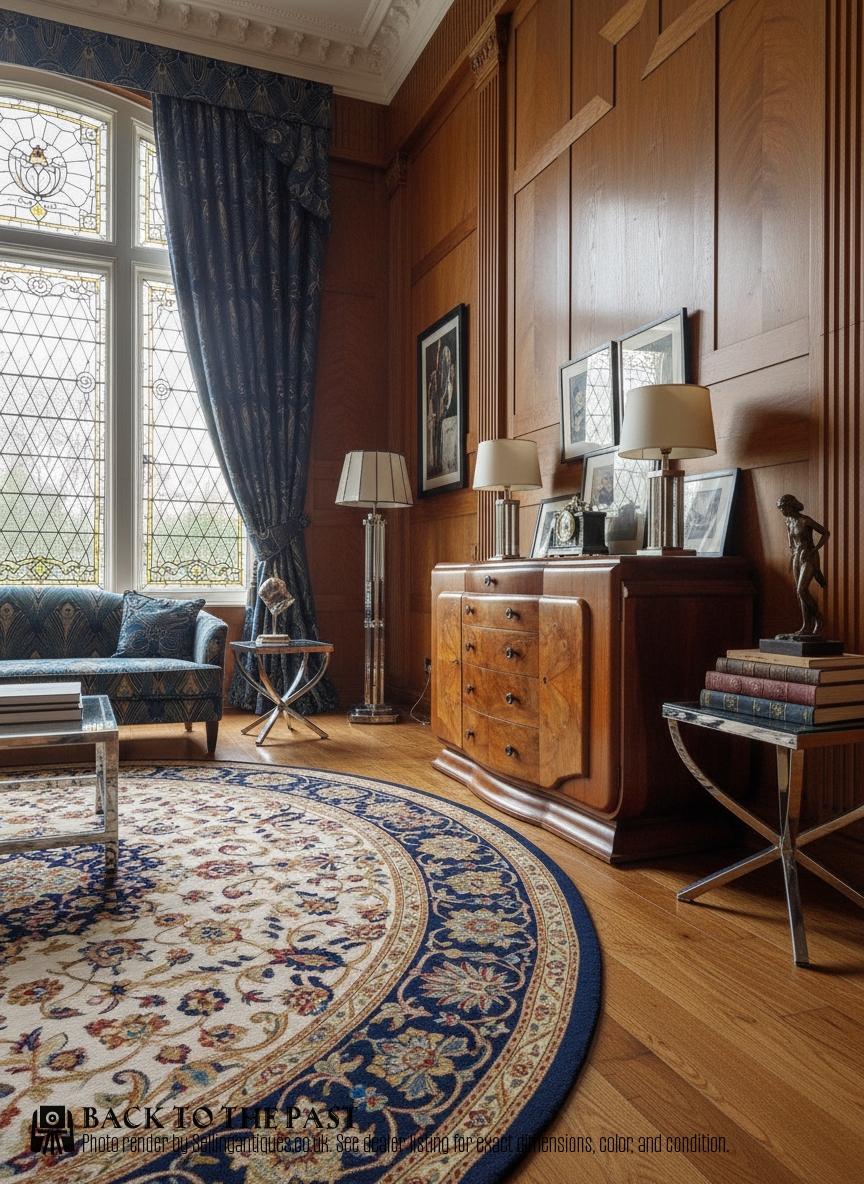
Vintage Art Deco Cabinet
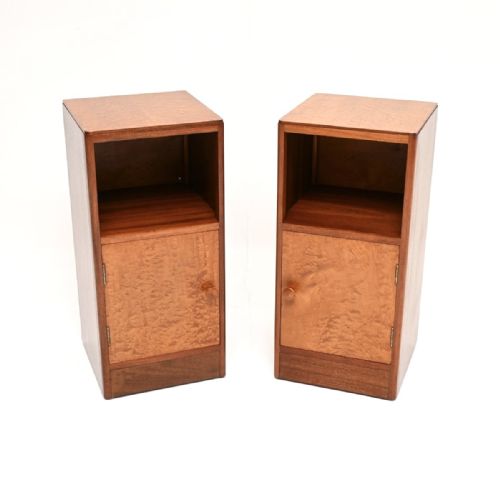
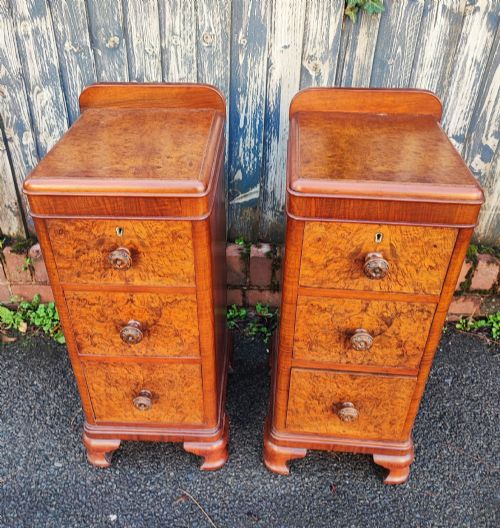
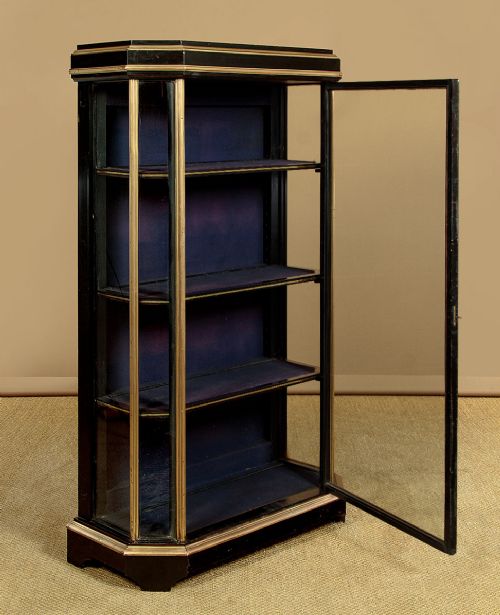
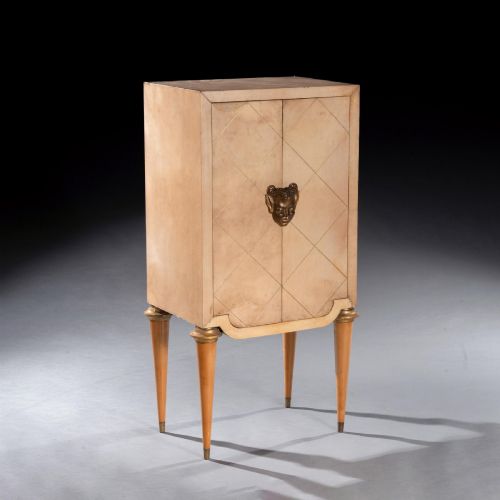
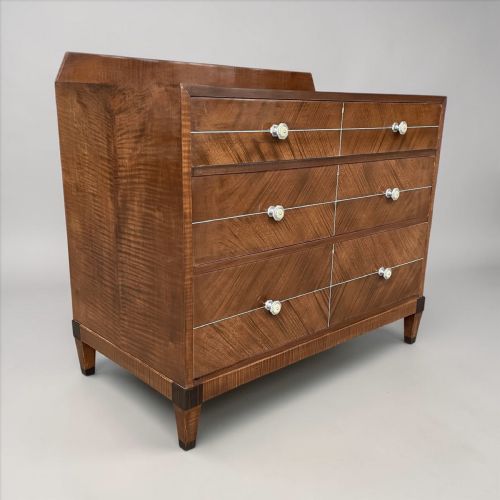
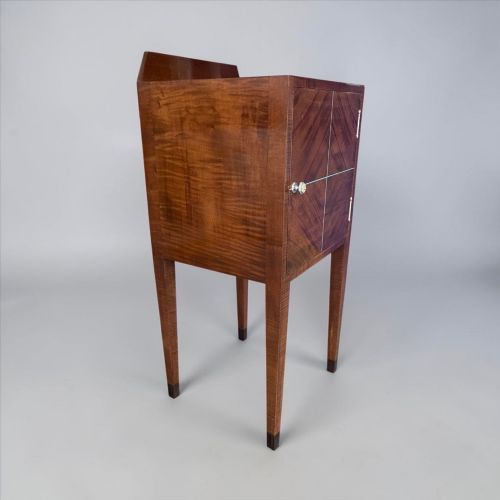
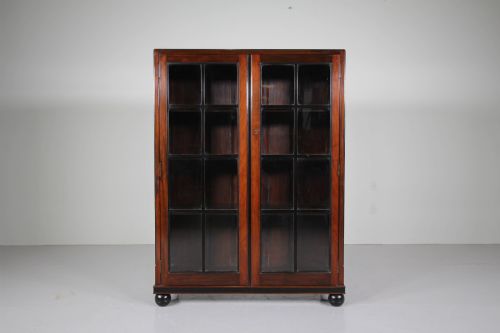
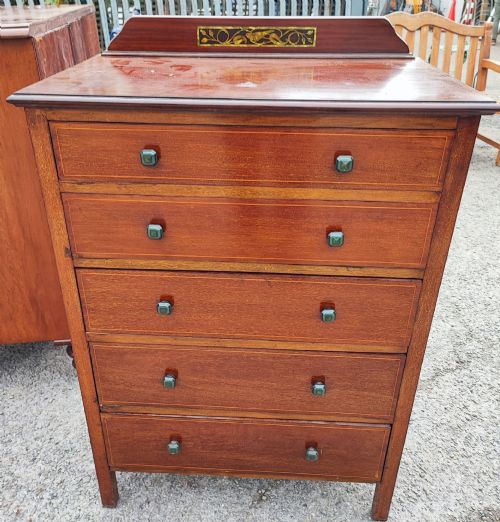
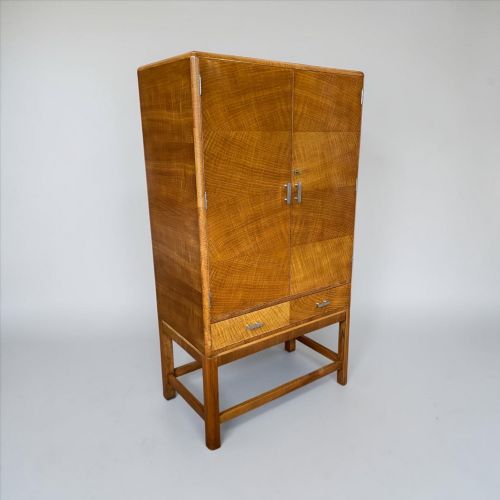
A vintage art deco cabinet encompasses diverse forms designed primarily during the 1920s, 1930s, and 1940s, ranging from cocktail cabinets and display pieces to sideboards and bedside tables. These pieces emerge in styles spanning French Art Deco, Swedish Grace, and 20th Century British design.
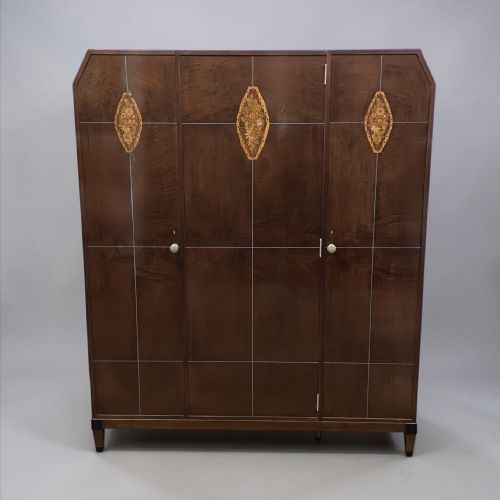
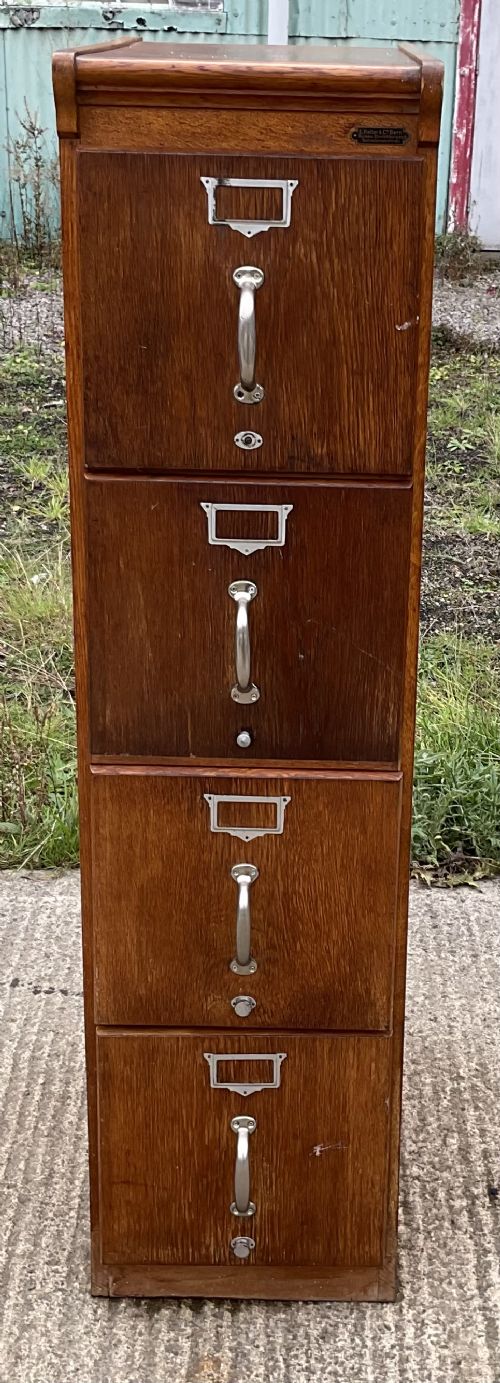
Buyers frequently encounter items constructed in oak and walnut, alongside specialist storage furniture like haberdashery counters and fitted wardrobes. The selection bridges utilitarian shop fittings and domestic furnishings defined by clean vertical and horizontal lines.
How They Were Made
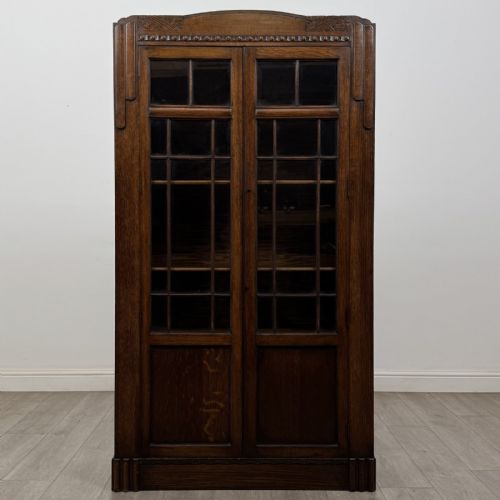
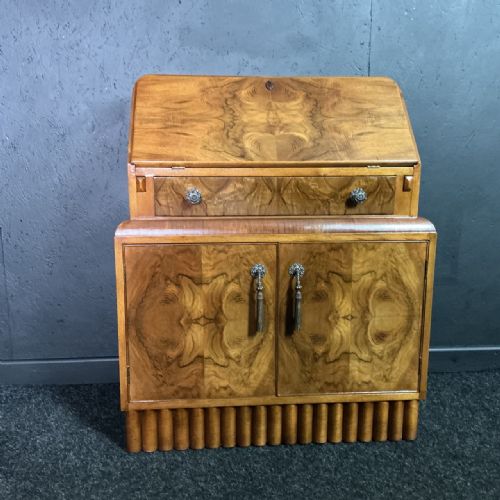
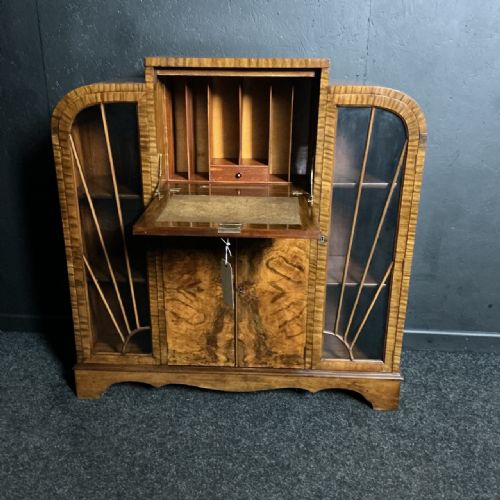
Cabinet makers utilised solid woods like oak and mahogany alongside decorative veneers, notably burr walnut and figured walnut, applied to carcases to create dramatic grain patterns. Glass panels, leaded glass, and brass hardware completed the construction.
Finishes varied from limed oak to polished satin birch and sycamore, often paired with chrome or bronze details. Construction techniques balanced robust domestic framing with functional internal fittings such as bottle shelves and pull-out trays.
Vintage Art Deco Cabinet Retail Price Guide 2026
Typical asking prices for vintage art deco cabinet among the pieces listed under this phrase on Sellingantiques today, from the lower quarter to the upper quarter. They describe what is for sale here now, not the wider market.
A bronze study entitled Whip Girl stands ready to crack the whip over your stationery collection.
What Varies in Quality
The standard of a piece rests heavily on the selection and matching of wood veneers, where symmetrical burr walnut figures elevate a simple carcase into a masterwork. Timber choice ranges from plain utility oak to highly figured exotic woods.
Execution of hardware and secondary materials also dictates excellence, distinguishing standard commercial production from bespoke designs by notable makers. The integration of specialised glass, metal trim, and internal lighting mechanisms separates ordinary examples from finer specimens.
Maurice Adams·Bruno Zach·Harry and Lou Epstein·Gomme·Dudley and Co
The Vintage Art Deco Cabinet Glossary
- Burr walnut
- A wood veneer derived from the burl growths of walnut trees, prized for its swirling, intricate grain patterns. It forms the primary decorative surface on many high-end storage pieces.
- Haberdashery cabinet
- A tall display or storage unit featuring multiple glass-fronted drawers or compartments, originally utilised in retail shops. These industrial pieces translate well into modern domestic settings.
- Tallboy
- A traditional tall chest of drawers, sometimes combined with a wardrobe section. This vertical form maximises storage while occupying a minimal floor footprint.
- Sideboard
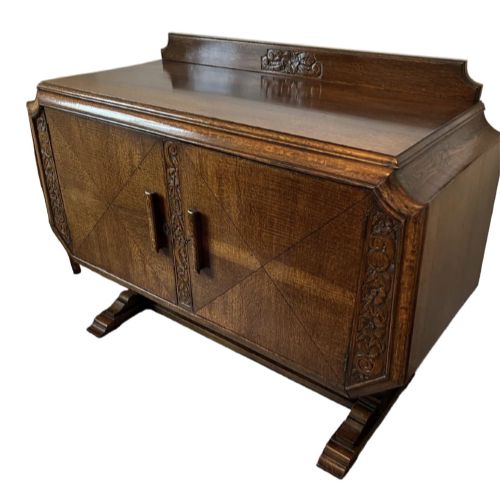
- A long low piece designed for dining rooms, offering a combination of cupboards and drawers for tableware. These items showcase the horizontal emphasis characteristic of the period.
Vintage Art Deco Cabinet: Frequently Asked Questions
What is an art deco drinks cabinet?
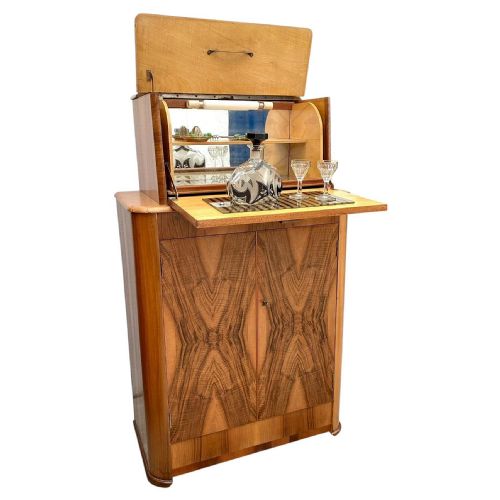
An art deco drinks cabinet is a specialised storage unit designed specifically for hosting and serving beverages, typically featuring internal mirrors, glass shelves, and pull-out mixing trays.
These pieces often conceal their purpose behind elegant figured walnut doors until opened for entertaining guests.
How do I style a cabinet in a modern home?
These cabinets function effectively as focal points in living rooms, dining spaces, or hallways, contrasting sharply with minimalist contemporary decor.
Pair a walnut or oak piece with simple lighting to highlight the natural grain patterns and metallic hardware details.
Were these cabinets used in shops or homes?
While many examples served domestic functions as wardrobes, sideboards, and bedside tables, certain formats like haberdashery counters originated as commercial shop fittings.
These retail display units were subsequently adopted into domestic interiors for storing textiles, collections, or accessories.
What timber was most commonly used?
Oak and walnut dominate the material palette, with burr walnut and figured walnut frequently applied as decorative veneers across doors and drawer fronts.
Lighter woods such as ash, maple, and satin birch also appear in specific regional styles like Swedish Grace.