

Victorian Inlay Sideboard
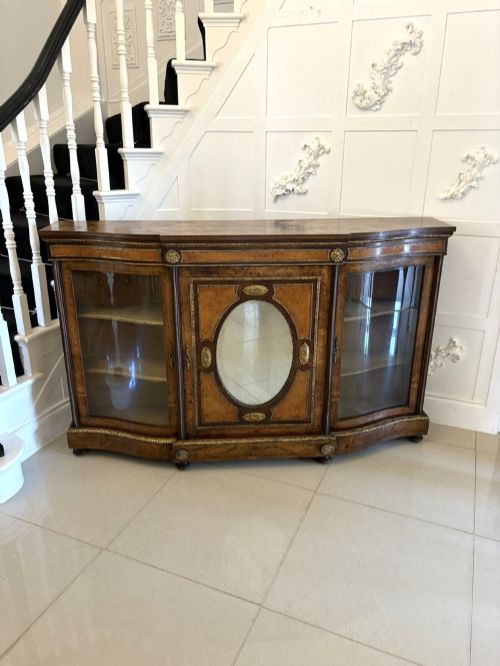
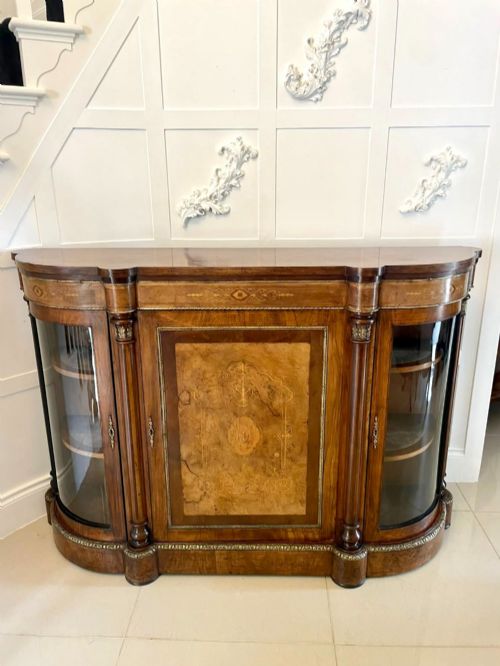
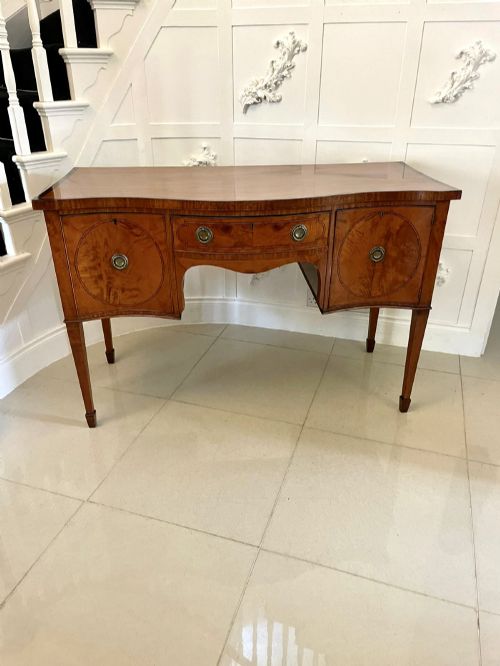
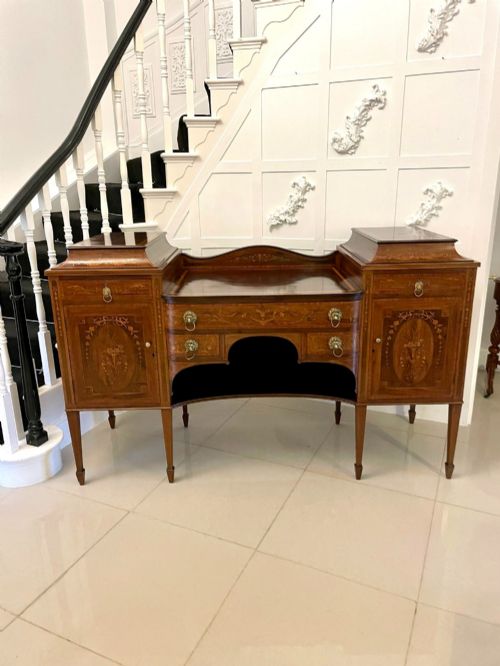
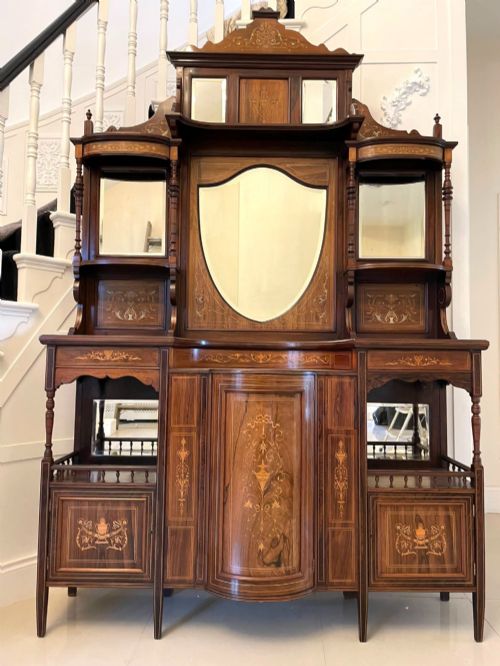
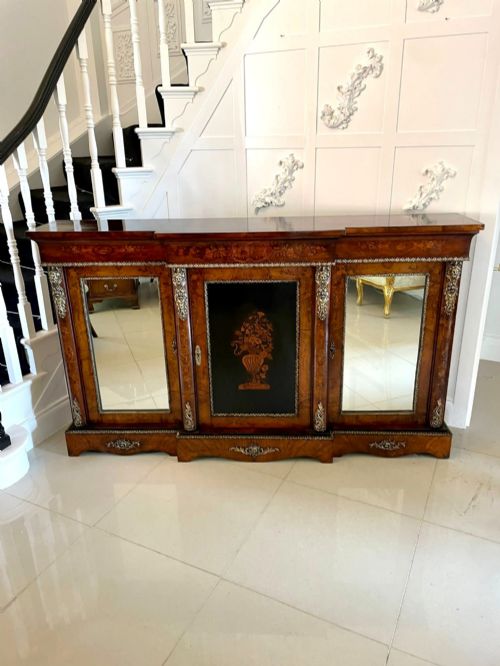
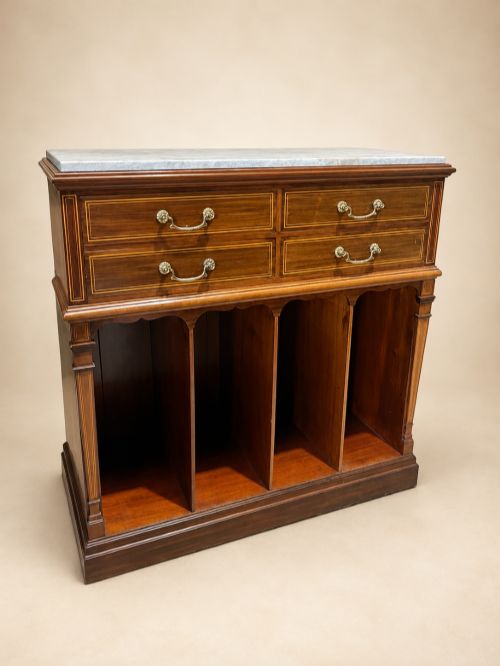
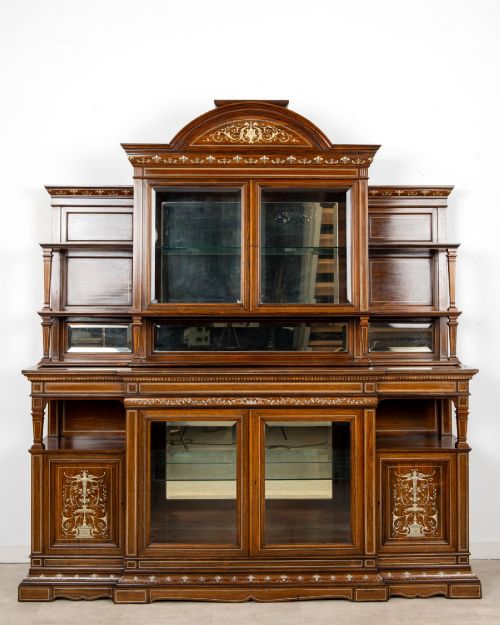
A victorian inlay sideboard brings together figured timbers and meticulous marquetry, offering a formal centrepiece for the dining room or parlour.

Victorian Inlay Sideboard
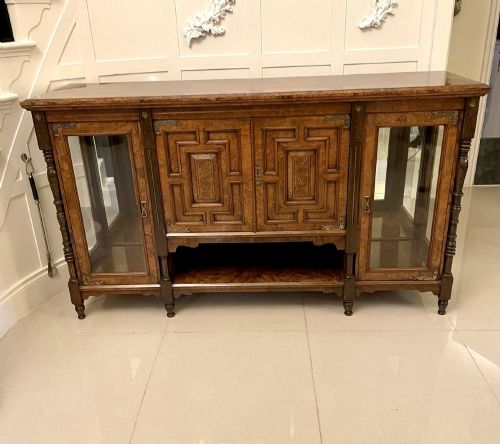
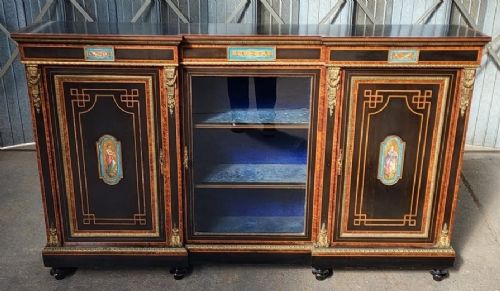
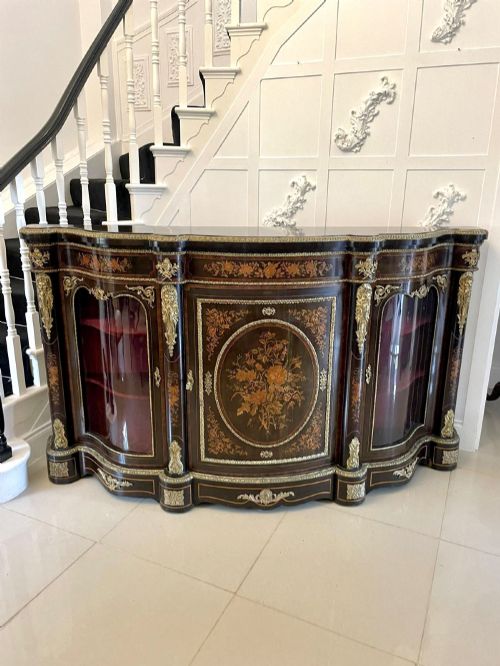
A victorian inlay sideboard encompasses a variety of low storage forms from the nineteenth century, including credenzas, side cabinets, pier cabinets and traditional sideboards.
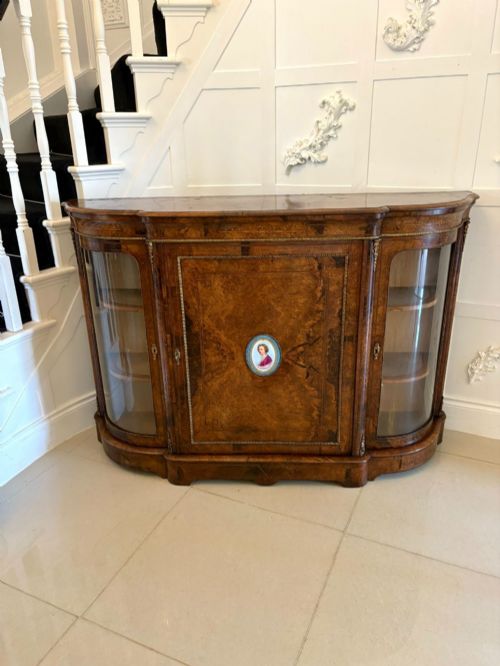
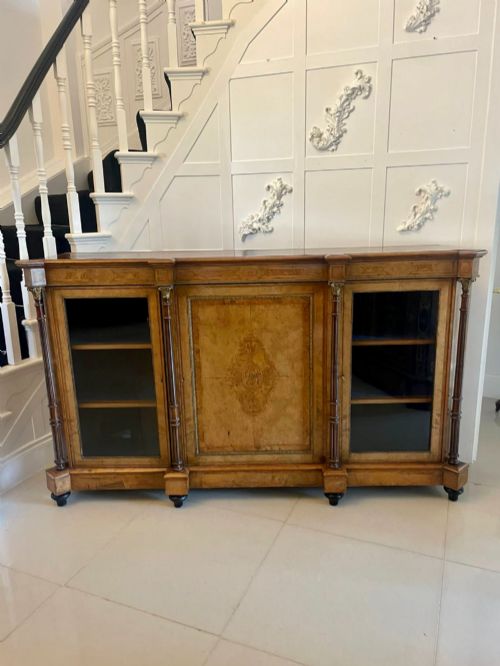
Burr walnut and mahogany dominate the selection, frequently enhanced with boxwood, satinwood and floral marquetry.
Pieces span several decades of the Victorian era, showing stylistic influences from Sheraton Revival to the Aesthetic Movement.
How they were made
Cabinet makers built carcases from solid timbers such as mahogany and oak, applying decorative veneers of burr walnut, satinwood and rosewood to the exterior surfaces.
Intricate floral marquetry and linear stringing utilised contrasting woods like boxwood and ebony, inlaid directly into the primary timber.
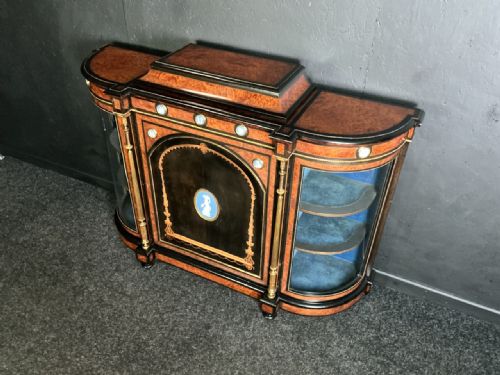
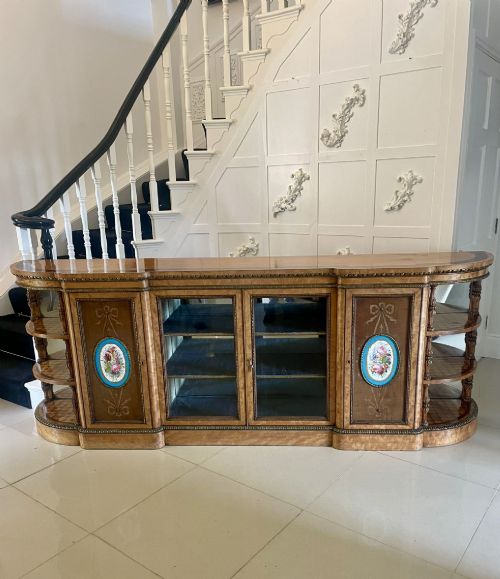
Mounts in cast ormolu, porcelain plaques and glass panels were integrated into the design, particularly on credenzas and display cabinets.
Victorian Inlay Sideboard Retail Price Guide 2026
Typical asking prices for victorian inlay sideboard among the pieces listed under this phrase on Sellingantiques today, from the lower quarter to the upper quarter. They describe what is for sale here now, not the wider market.
Mother-of-pearl makes occasional appearances alongside wood veneers, catching the parlour gaslight just right.
What varies in quality
The sophistication of the marquetry and the choice of timber figure determine the standing of an individual piece, with dense burr walnut and multi-wood floral panels marking the higher tiers.
The integration of heavy cast ormolu mounts and porcelain plaques separates standard production from exhibition pieces attributed to prominent makers.
Proportion and form dictate distinction, moving from simpler side cabinets to monumental serpentine credenzas with curved glass doors.
Hewetsons London·Collinson and Lock·Edwards and Roberts·Gillows·Maison Gagneau·Maple and Co
The Victorian Inlay Sideboard Glossary
- Credenza
- A low cabinet, often featuring curved glass side doors and central cupboards, developed during the Victorian period for display and storage.
- Marquetry
- Decorative veneer work forming pictorial or floral patterns using various tinted woods.
- Ormolu
- Gilt bronze mounts applied to furniture for decorative accent.
- Serpentine
- A curved shape curving outward at the centre and inward at the sides.
- Pier cabinet
- A narrow cabinet designed to stand against the wall between windows.
Victorian Inlay Sideboard: Frequently Asked Questions
Where were these placed in the home?
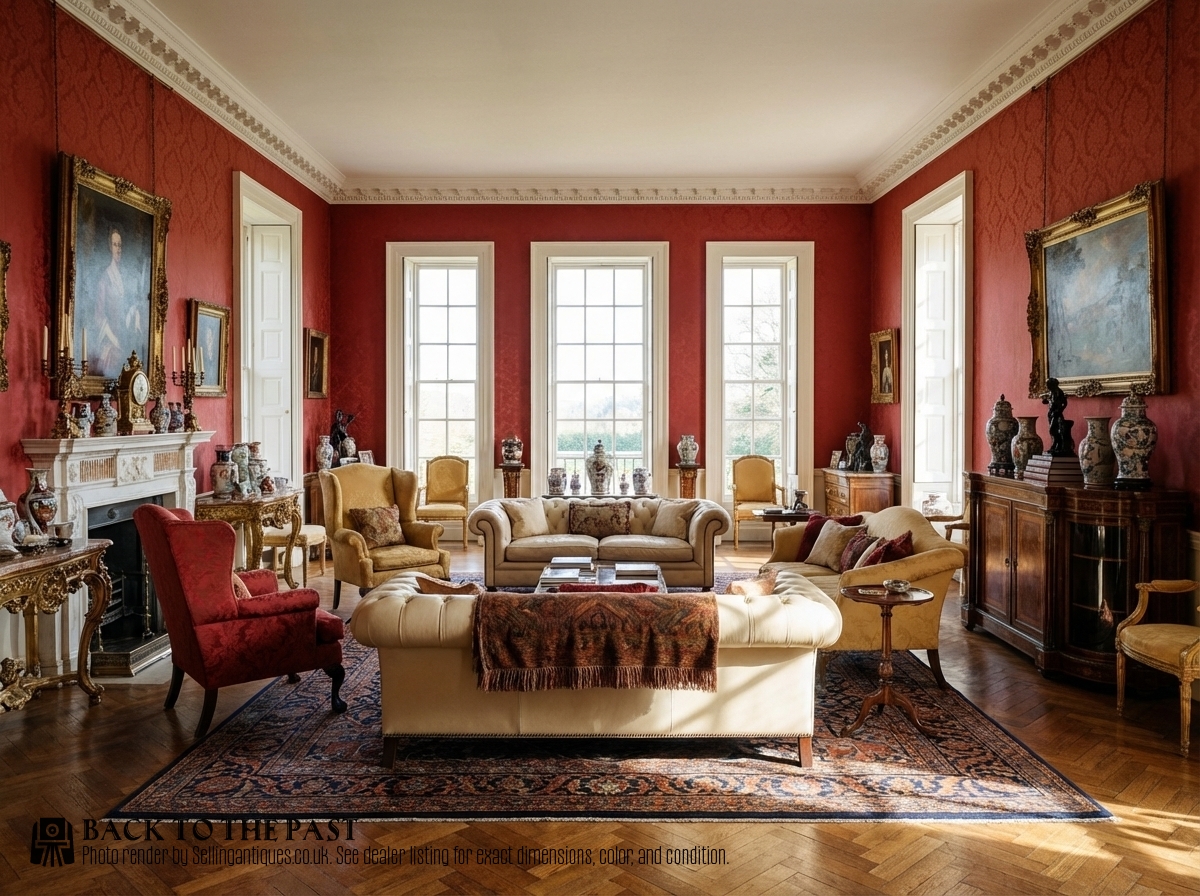
These pieces sat in formal reception rooms, dining rooms and parlours. They served to display ceramics and silver while holding table linen or papers inside.
Larger credenzas occupied prominent wall spaces, whereas narrower pier cabinets fitted snugly between windows.
How do I identify the wood types?
Burr walnut displays swirling, knotty grain patterns that create rich optical movement across the surface. Mahogany offers a straight, reddish-brown grain, whilst satinwood presents a pale, golden yellow lustre.
Inlays use contrasting lighter and darker species to form crisp floral or geometric details.
What is the difference between a sideboard and a credenza?
Traditional sideboards generally feature broader proportions suited to dining rooms for serving food and storing tableware. Credenzas originated as lower, more decorative cabinets with glass-fronted side compartments for display.
In nineteenth-century cataloguing, the terms occasionally overlap due to shared styling and proportions.
How do I care for inlaid surfaces?
Keep these items away from direct sunlight and heat sources to prevent the veneers and delicate stringing from drying out. Regular dusting with a soft, dry cloth preserves the polished finish.
Apply high-grade beeswax sparingly to nourish the timber without building up excess residue.