
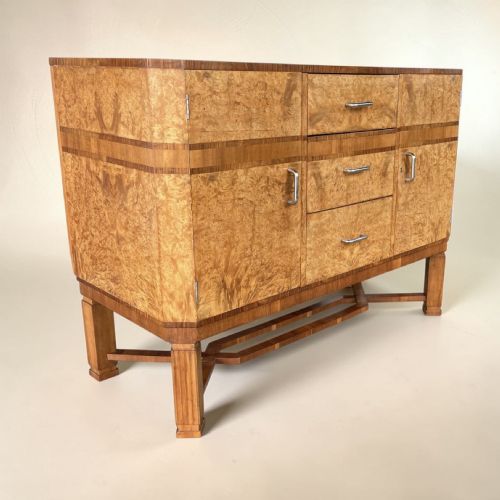
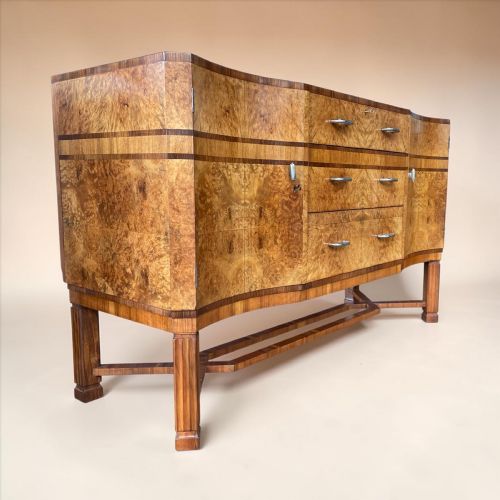
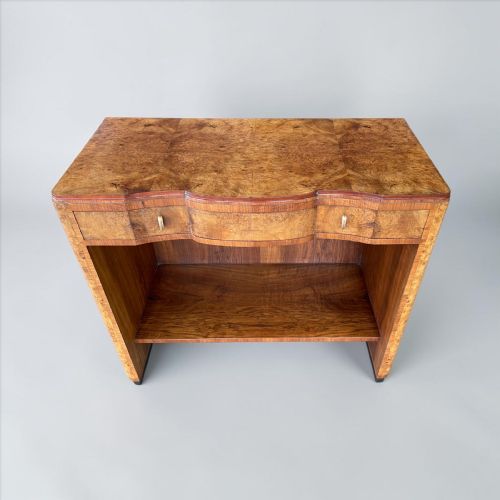
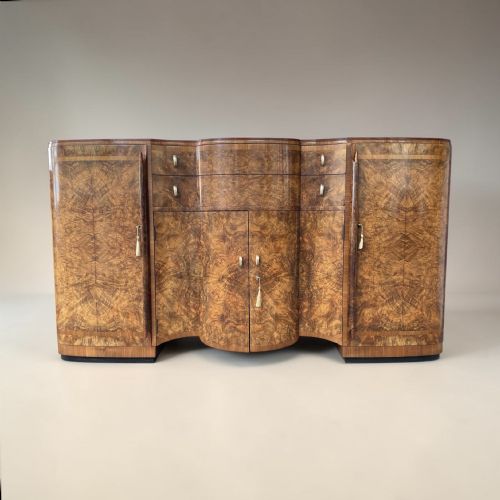

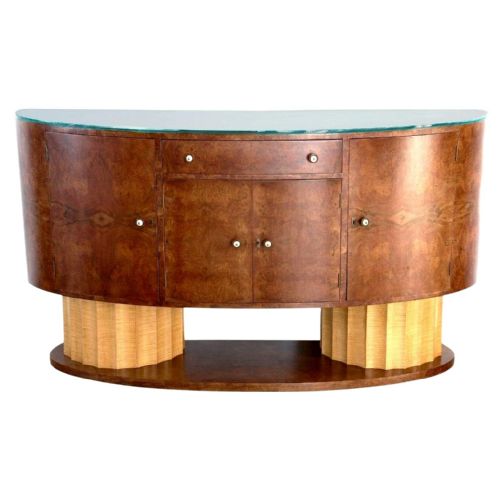


Walnut Art Deco Buffet
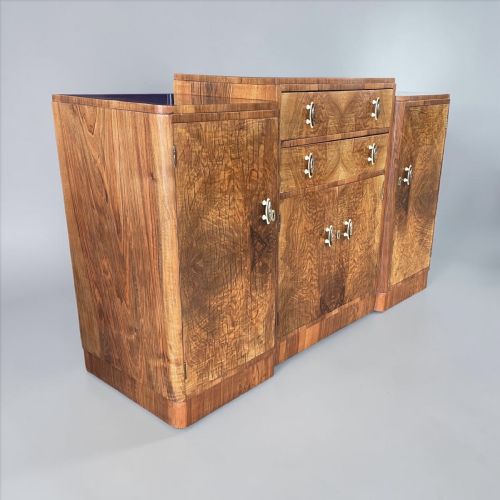
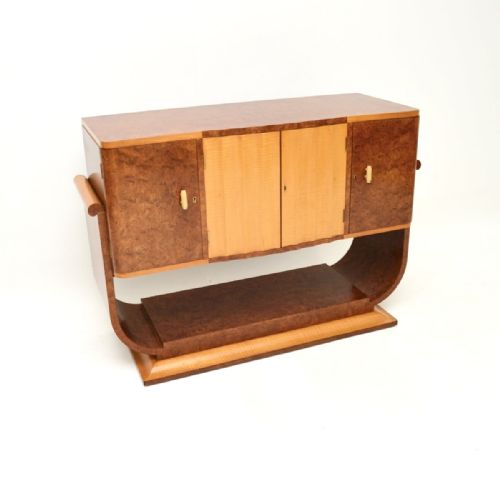
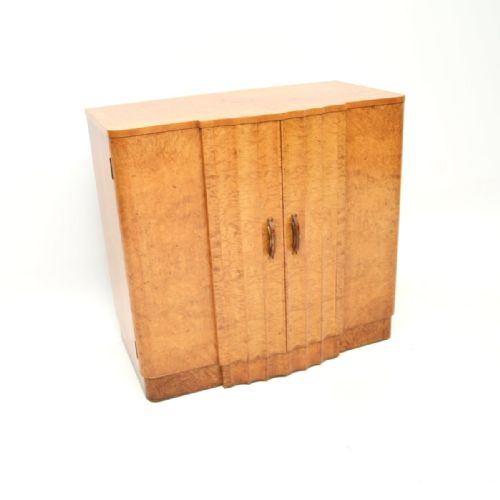
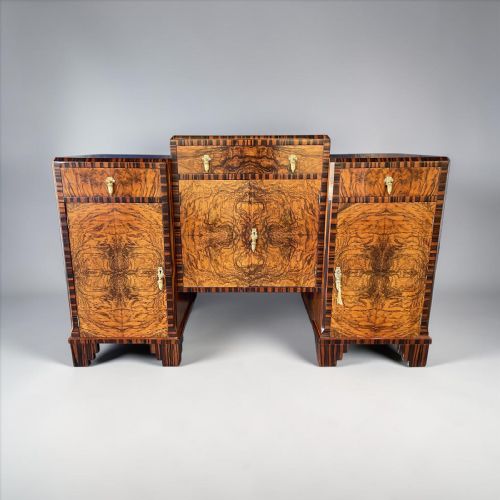
These walnut art deco buffet pieces combine bold geometric form with rich timber grain, serving as practical storage and striking focal points.
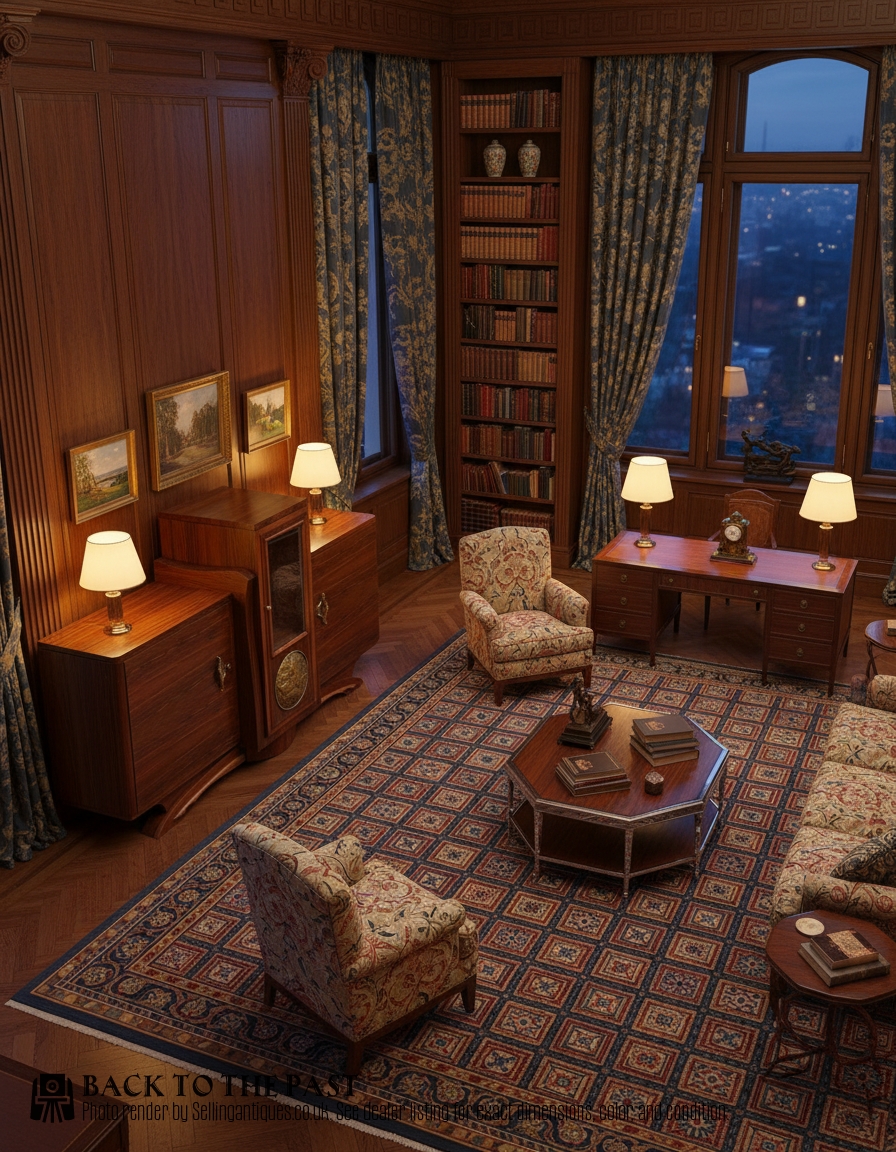
Walnut Art Deco Buffet
A walnut art deco buffet brings together the substantial storage of a sideboard and the distinct geometric styling of the interwar period. These pieces originate primarily from the 1920s and 1930s, reflecting an era of confident, modern interior design.
On this page, buyers will frequently encounter sideboards, serving tables, and drinks cabinets sharing these characteristic traits. Forms range from compact single cabinets to large dining room servers.
Origins span British workshops as well as continental European makers, particularly French designers who utilised exotic veneers. The underlying carcase is typically dressed in figured walnut, burr walnut, or contrasting sycamore.
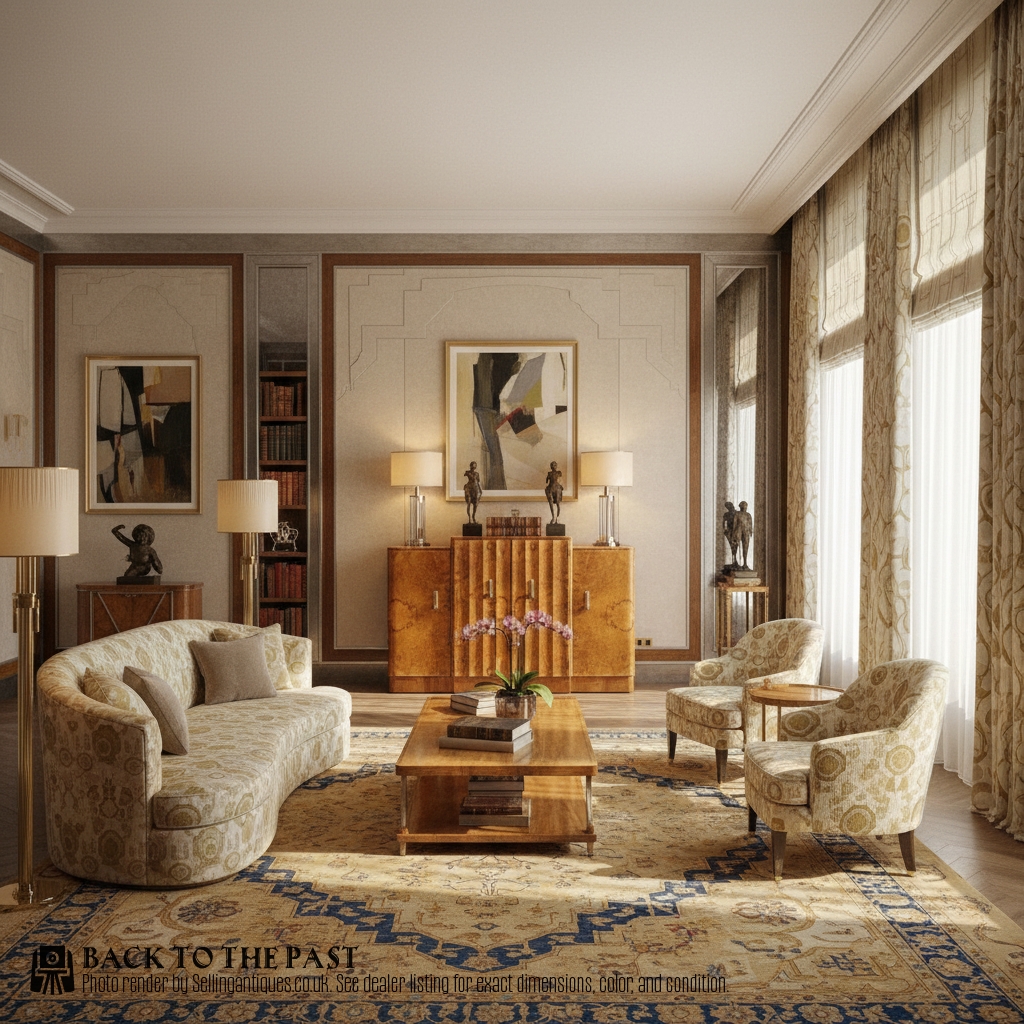
Materials and Construction
Cabinet makers constructed these pieces using a solid timber frame overlaid with decorative wood veneers. Burr walnut and figured walnut provide the prominent swirling grain patterns across the front doors and drawers.
Details in contrasting woods such as sycamore and maple accent the primary walnut surfaces. Metal elements, including brass handles and occasionally bakelite or glass, complete the structural hardware.
French pieces frequently incorporated marble tops alongside wood veneer surfaces. Construction techniques relied on precise veneering to create symmetrical grain patterns across large cabinet doors.
Some drinks cabinets hide clever revolving bottle tiers behind curved burr walnut doors.
Factors of Quality
The choice and matching of the timber veneer dictate the visual impact of the piece. Master craftsmen arranged burr walnut sections symmetrically to create striking patterns across the front facade.
Attribution to documented makers such as Maurice Adams, Hille, or Harry and Lou Epstein elevates the standing of a piece. Signed works or pieces bearing workshop tags demonstrate higher provenance.
The complexity of the internal fittings, such as specialised cutlery drawers and fitted drinks compartments, distinguishes standard production items from bespoke commissions.
Maurice Adams·Harry and Lou Epstein·Hille·Hamptons of Pall Mall London·Bowman Brothers·Jules Leleu
The Walnut Art Deco Buffet Glossary
- Burr Walnut
- A specialised wood cut from the burl growth of a walnut tree, yielding dense, swirling grain patterns. It is highly prized for decorative furniture panels.
- Sideboard
- A large dining room piece designed for storing tableware and serving food. Variants include dedicated drinks cabinets and serving tables.
- Parquetry
- A geometric mosaic of wood pieces used for decorative surfaces. French makers utilised this technique on buffet tops and doors.
Walnut Art Deco Buffet: Frequently Asked Questions
What is a walnut art deco buffet?
A walnut art deco buffet is a large storage cabinet or sideboard produced during the 1920s and 1930s. These pieces feature the characteristic geometric lines and rich wood veneers of the art deco movement.
They function primarily as dining room furniture, offering internal shelving, drawers for cutlery, and dedicated compartments for glassware or bottles.
How do I identify French pieces?
French buffets often incorporate contrasting materials like marble tops alongside mahogany, maple, and walnut veneers. The silhouettes tend to feature curved serpentine fronts and distinctive parquetry patterns.
Makers such as Jules Leleu signed their work, providing clear attribution for continental pieces.
How do I care for walnut veneer?
Walnut veneer requires protection from direct sunlight and excessive moisture to prevent fading and lifting. Regular dusting with a soft cloth maintains the polished timber surface without abrasive chemical polishes.
Keeping the furniture in a room with stable humidity prevents the underlying wood and veneer from expanding or contracting.
Where were these cabinets made?
These items originated across British and European workshops during the interwar decades. Prominent London department stores and specialist cabinet makers produced significant numbers of these designs.
Continental workshops, particularly in France and Italy, contributed distinct regional interpretations utilising local marble and varied exotic timbers.