

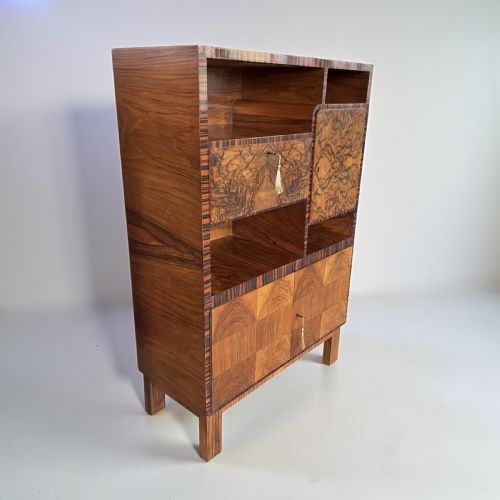


French Art Deco Cabinet
A french art deco cabinet brings architectural geometry and striking grain into a room, offering both display and storage.
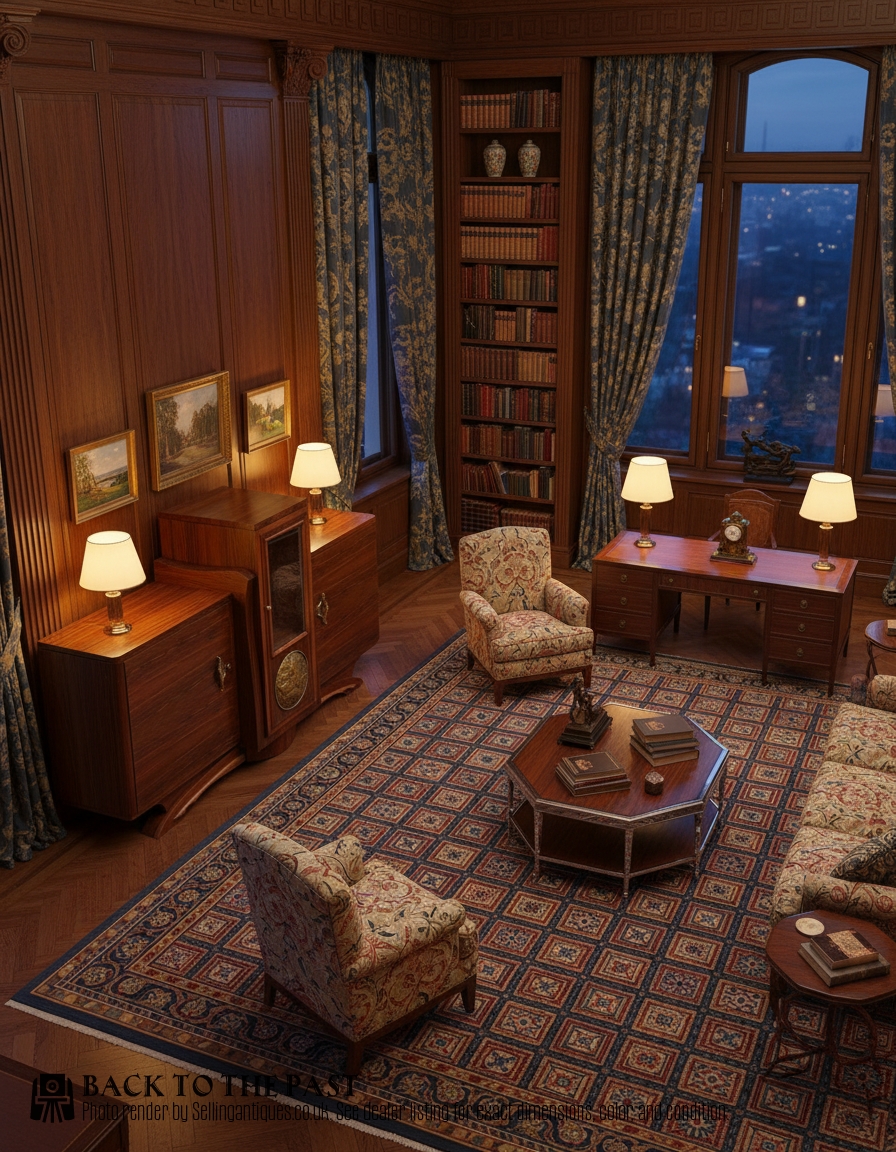
Understanding the french art deco cabinet
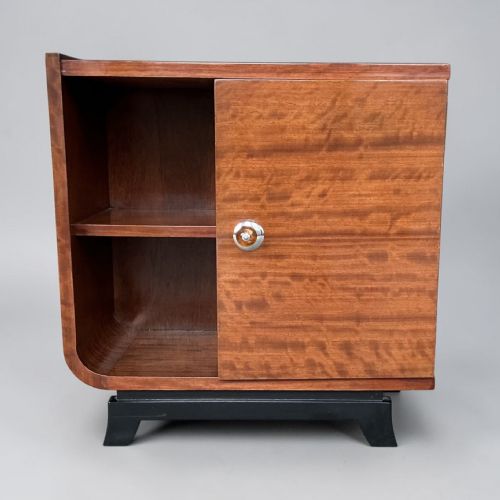
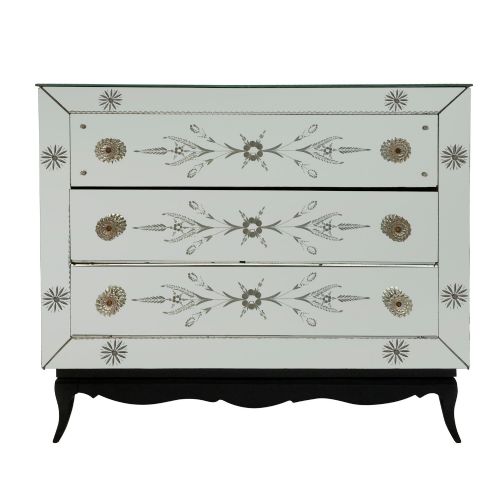
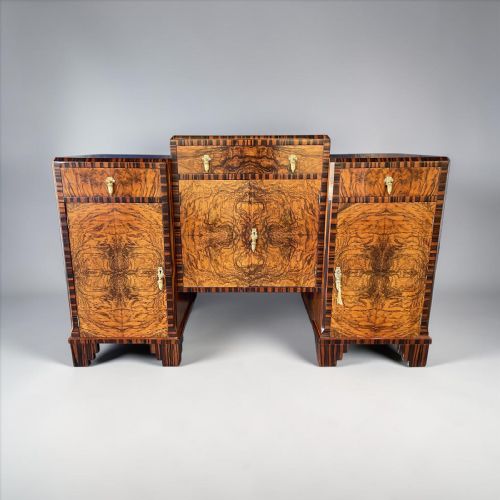
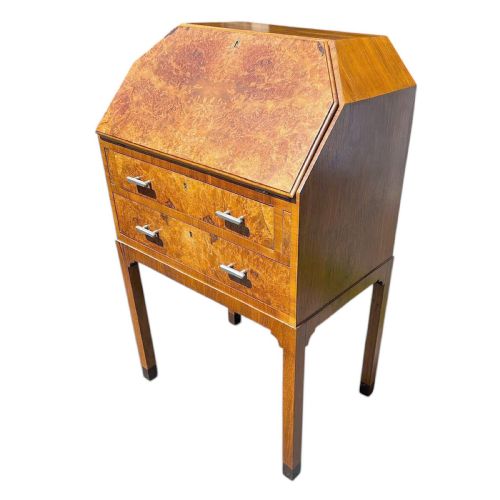
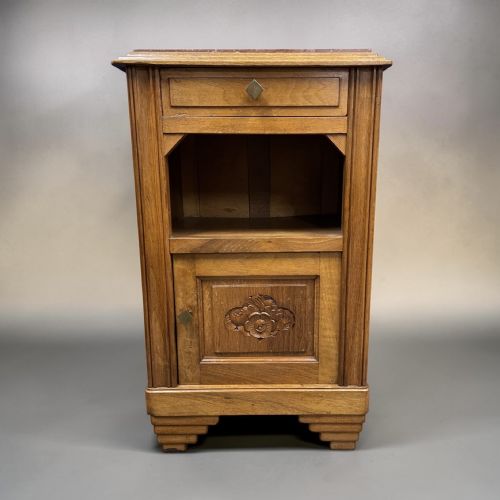
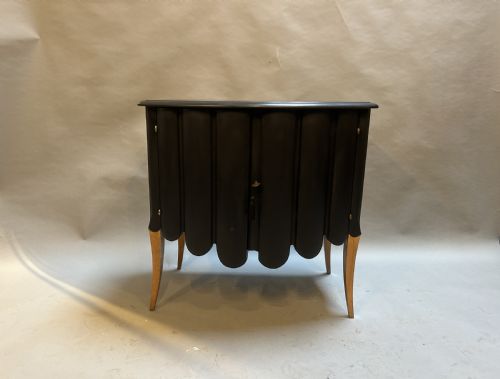
A french art deco cabinet captures the restrained luxury of the mid twentieth century, appearing frequently as bedside tables, side cabinets, and larger sideboards. These pieces emerge primarily from the nineteen thirties and nineteen forties, showing structured forms that favour clean vertical and horizontal lines.
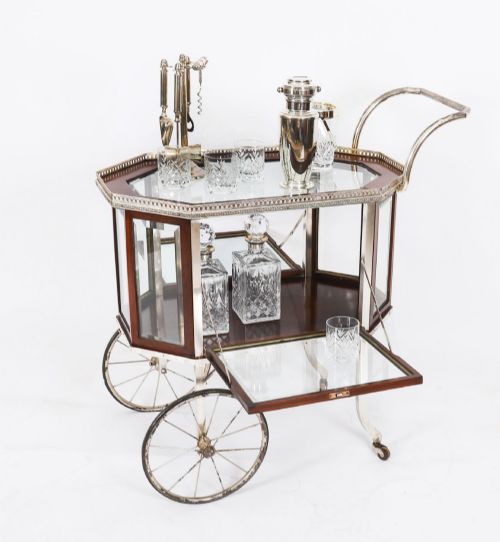
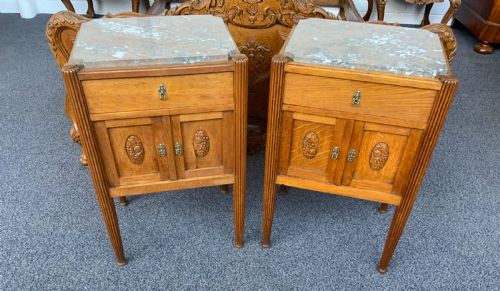
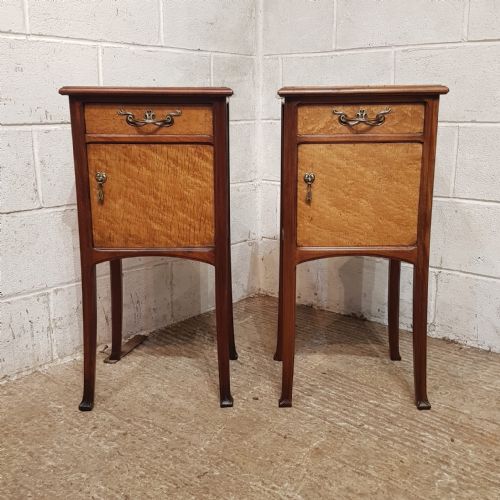
Bedside cabinets and side cabinets dominate the selection, often found as matched pairs or standalone storage units. Alongside these smaller items, the archive records larger display cabinets, cocktail cabinets, and occasional filing cabinets with tambour fronts.
Materials and construction
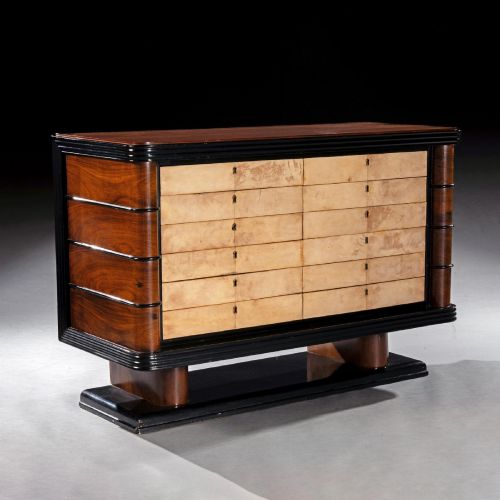
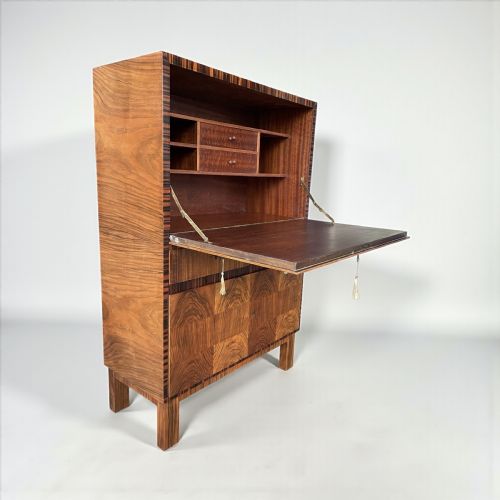
Cabinet makers utilised a rich palette of hardwoods including walnut, rosewood, oak, mahogany, and ebonised wood. Veneers feature prominently across surfaces, allowing workshops to display dramatic timber grains across the main body of the furniture.
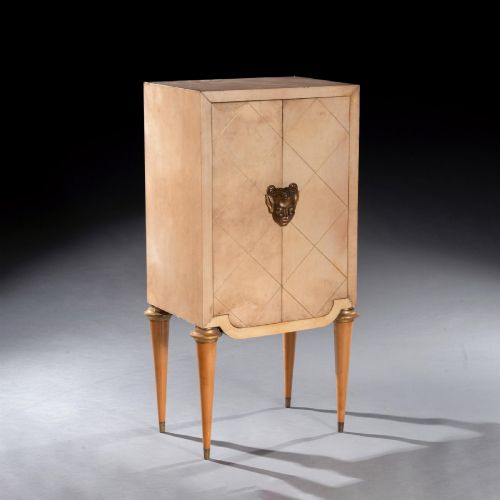
Metal accents in brass and chrome complement the timber structures, whilst select pieces incorporate parchment inlays or marble tops. Tambour fronts utilise sliding wooden slats to create curved closures on specialised filing and storage units.
Retail Price Guide 2026
Typical UK retail prices for french art deco cabinet, calculated from the Sellingantiques database of over a million retail prices indexed since 2003. This retail price guide relies exclusively on Sellingantiques data; no external sources or auction records are used, so the figures do not describe the wider market.
Several filing cabinets hide their paperwork behind curved wooden tambour doors that roll shut with a satisfying mechanical whisper.
What separates the finest examples
Quality rests upon the selection and matching of wood veneers, where symmetrical grain patterns elevate a standard storage unit into a striking visual object. The integration of specialty materials like parchment and marble indicates higher atelier ambition.
Attribution to known designers or documented workshops distinguishes exceptional pieces from standard commercial production. Hardware execution and the precision of sliding tambour mechanisms further divide standard utility furniture from superior commissions.
Maurice Jallot·Jules Leleu
The French Art Deco Cabinet Glossary
- Tambour front
- A flexible door constructed from narrow wooden slats attached to a fabric backing, allowing it to slide smoothly around a curved cabinet corner. This mechanism appears frequently on oak filing cabinets from the period.
- Veneer
- A thin slice of decorative hardwood applied over a stable secondary timber base to create patterned exterior surfaces. Walnut and rosewood veneers define the primary visual character of these cabinets.
- Ebonised wood
- Timber treated to resemble ebony through a staining or finishing process, providing deep black contrasts against polished metal or lighter wood veneers.
- Parchment inlay
- Animal skin applied as a decorative surface panel within woodwork, offering a pale matte texture that contrasts with high-gloss polished timbers.
Frequently Asked Questions
What rooms suit a french art deco cabinet?
These cabinets suit bedrooms and living spaces where their geometric lines add architectural interest. Bedside variants fit neatly beside modern low bed frames.
Larger side cabinets and sideboards function well in dining areas or hallways to provide enclosed storage while displaying decorative objects on top.
How do I care for wood and parchment surfaces?
Dust timber surfaces regularly with a soft dry cloth and avoid placing pieces in direct sunlight to protect natural wood veneers. Wax finishes benefit from occasional gentle nourishment using appropriate furniture polish.
Parchment inlays require particular care to prevent moisture damage and should be kept away from liquid spills or damp conditions.
Are these cabinets usually sold as pairs?
Many bedside cabinets and smaller storage units survive in matching pairs, particularly those originating from larger bedroom suites. These paired items offer balanced symmetry when placed on either side of a bed.
Larger sideboards, cocktail units, and display cabinets generally appear as single standalone items rather than matched sets.
How do I identify nineteen thirties pieces?
Nineteen thirties pieces typically display characteristic art deco proportions, combining rectilinear carcasses with contrasting wood veneers like walnut and rosewood. The integration of chrome or brass hardware is standard for this decade.
Later forty and fifty pieces sometimes adopt more pared-down utilitarian forms while retaining the essential cabinet architecture.