

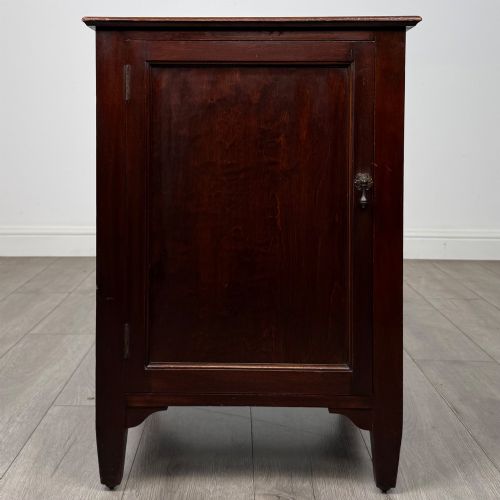
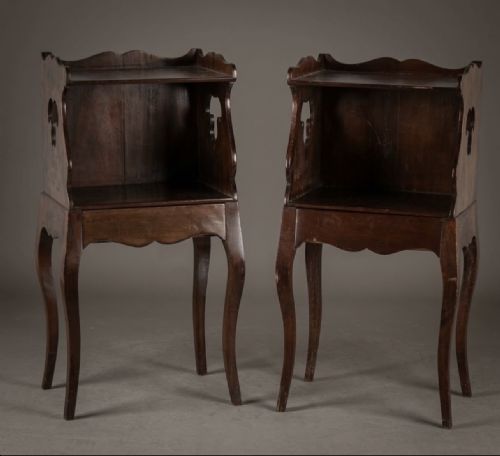
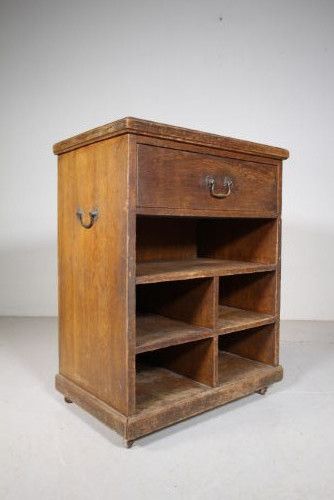
Vintage Oak Bedside Table
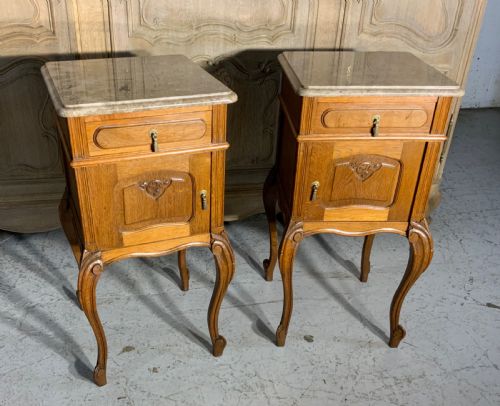
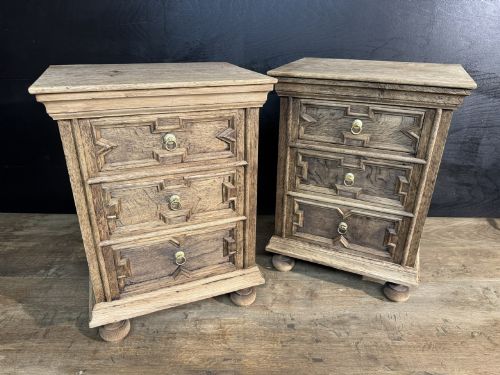
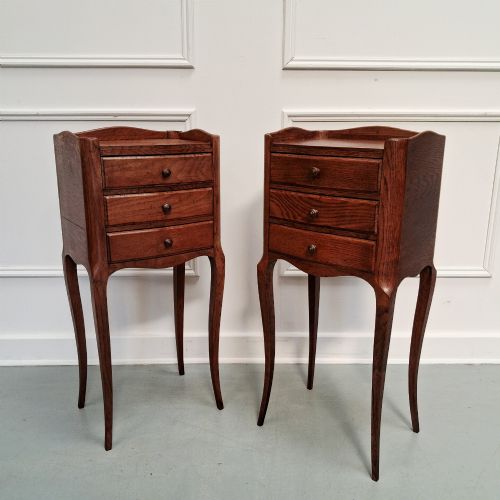
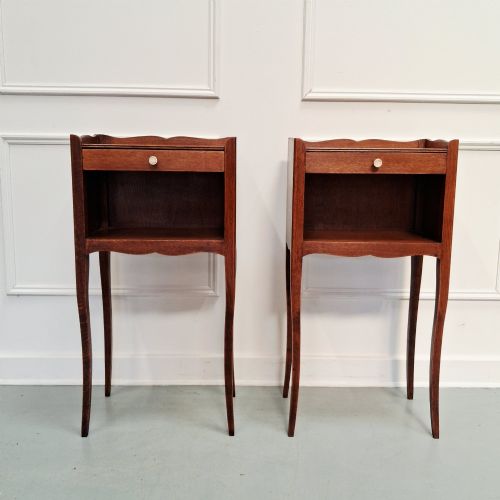
These vintage oak bedside table pieces offer practical bedside storage and surface space, bringing robust timber character and period craftsmanship directly to the bedroom.
Vintage Oak Bedside Table
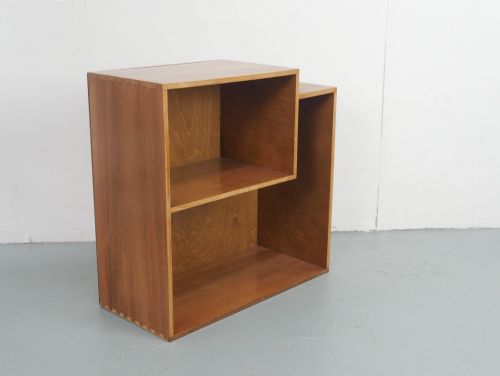
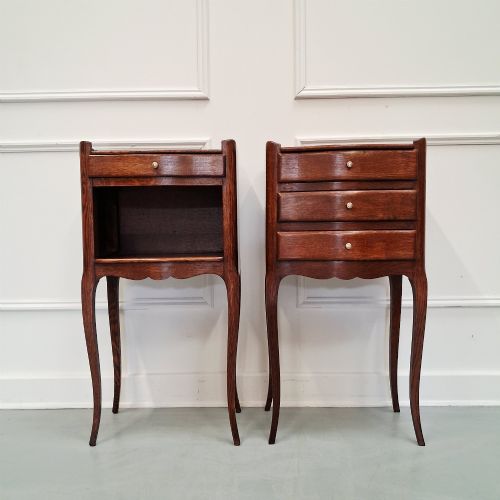
A vintage oak bedside table spans multiple decades from the late nineteenth century through to the art deco and modernist periods of the nineteen thirties. Buyers searching for a vintage oak bedside table will encounter compact cupboards, small side tables, and drawer chests designed for domestic sleeping quarters.
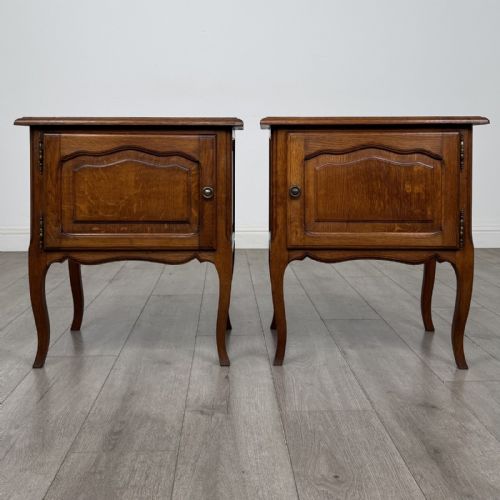
The material expression ranges from solid timber construction to pieces incorporating marble tops, brass handles, and fabric elements. Many examples originate from British workshops, alongside distinct stylistic variants imported from France and Hungary.
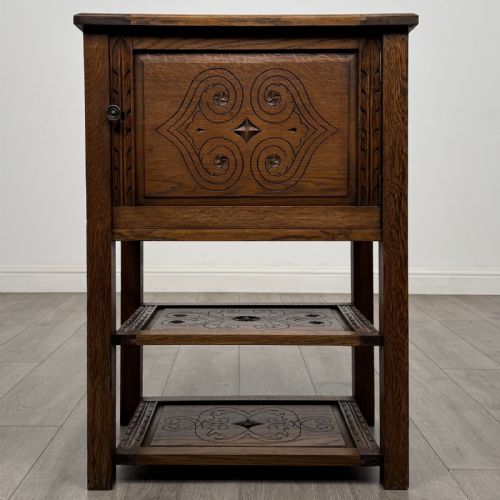
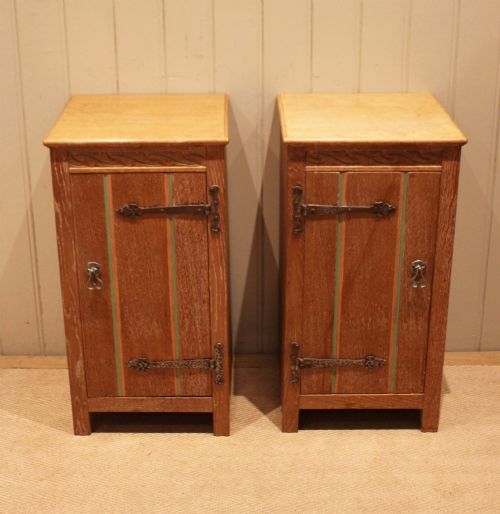
Early twentieth-century pieces frequently display regional craft influences, including Cotswold school and Arts and Crafts aesthetics. These forms prioritize straightforward utility combined with subtle decorative carving or exposed joinery.
Materials and Construction
Makers utilised solid oak alongside supplementary timbers such as pine, building sturdy frames designed for daily household use. Surface finishes vary from traditional wax and polish to limed treatments, bleached surfaces, and painted details.
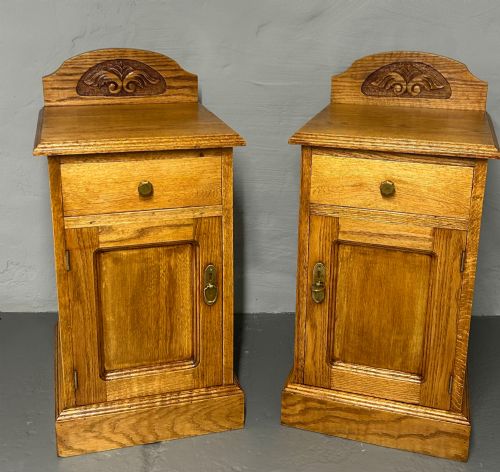
Hardware components integrate brass fixtures, metal hinges, and occasionally marble inserts set into the upper surfaces of cabinets. Joinery relies on traditional methods suited to load-bearing bedroom furniture, ensuring lasting structural stability.
Vintage Oak Bedside Table Retail Price Guide 2026
Typical asking prices for vintage oak bedside table among the pieces listed under this phrase on Sellingantiques today, from the lower quarter to the upper quarter. They describe what is for sale here now, not the wider market.
Listings feature oak bedside tables spanning from the Victorian era and Edwardian period through to nineteen thirties modernist designs.
Proportions and Finishing
Quality differences emerge in the selection of timber grain, the crispness of carved details, and the integrity of original hardware. Superior examples maintain balanced proportions and harmonious integration of secondary materials like marble tops or brass fittings.
The refinement of the joinery and the preservation of original surface treatments distinguish standard utilitarian items from pieces produced by notable design movements and specific workshops.
Gomme·Heals
The Vintage Oak Bedside Table Glossary
- Arts and Crafts
- A design movement emphasising handcraftsmanship, simple forms, and local materials over industrial mass production. This style appears frequently in early twentieth-century bedroom furniture.
- Art Deco
- A twentieth-century style characterised by sleek geometric shapes, streamlined silhouettes, and modern decorative motifs. It influences many nineteen-thirties cabinet designs.
- Jacobean Revival
- A nineteenth-century historicist style drawing inspiration from seventeenth-century furnishings, featuring dark finishes and heavy geometric carving. Pieces in this style often display robust structural profiles.
- Limed oak
- A wood finishing technique where a whitish pigment is rubbed into the open grain of oak to create a pale, textured appearance. This treatment lightens the natural tone of the timber.
Vintage Oak Bedside Table: Frequently Asked Questions
How do I date a bedside table?
Examine the construction methods, hardware, and stylistic indicators such as carved motifs or leg shapes. Edwardian and art deco pieces carry distinct architectural markers that separate them from nineteenth-century examples.
Compare the timber finish and interior secondary woods with known period standards to confirm the approximate decade of manufacture.
Are marble tops original to these tables?
Many continental European bedside cabinets incorporated fitted marble tops to provide a durable, wipe-clean surface for holding water jugs and nighttime items. These stone inserts were typically fitted during the original manufacturing process.
Inspect the seating rebate around the stone to ensure the marble matches the exact dimensions and age of the wooden frame.
How do I care for waxed oak surfaces?
Maintain waxed timber by applying a quality beeswax polish sparingly and buffing with a soft cloth to preserve the natural sheen. Avoid placing damp items directly on unprotected wood to prevent water marking.
Keep wooden furniture away from direct heat sources and strong sunlight to prevent the timber from drying out or splitting.
What is the difference between Arts and Crafts and Art Deco?
Arts and Crafts furniture highlights visible joinery, hand-carved details, and honest timber construction rooted in nineteenth-century reform ideals. The aesthetic feels grounded, traditional, and rustic.
Art Deco favors streamlined geometry, smooth polished surfaces, and forward-looking modernist symmetry typical of the interwar period.