
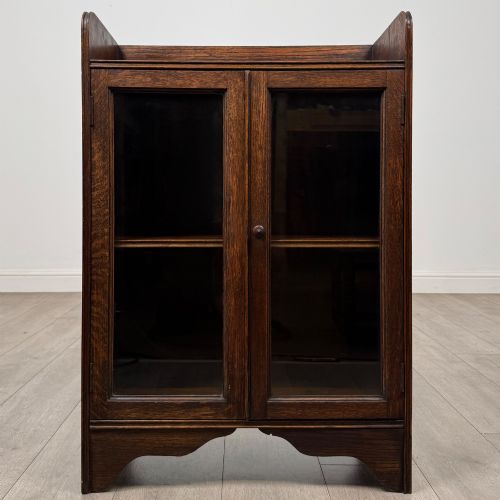
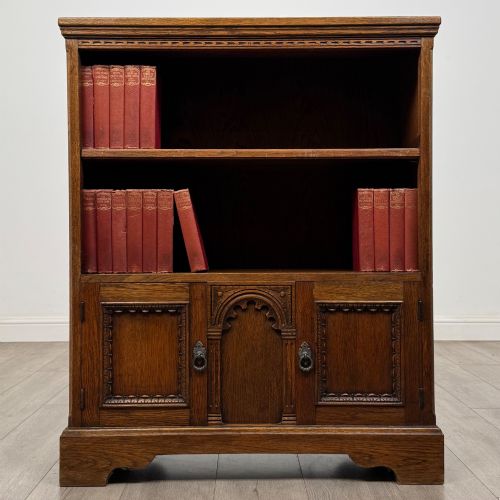
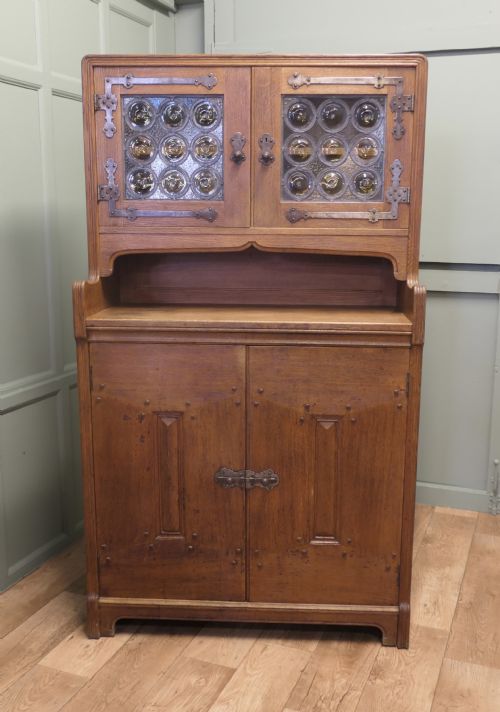
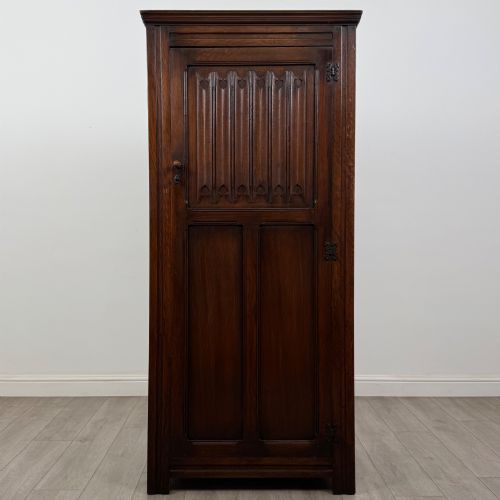

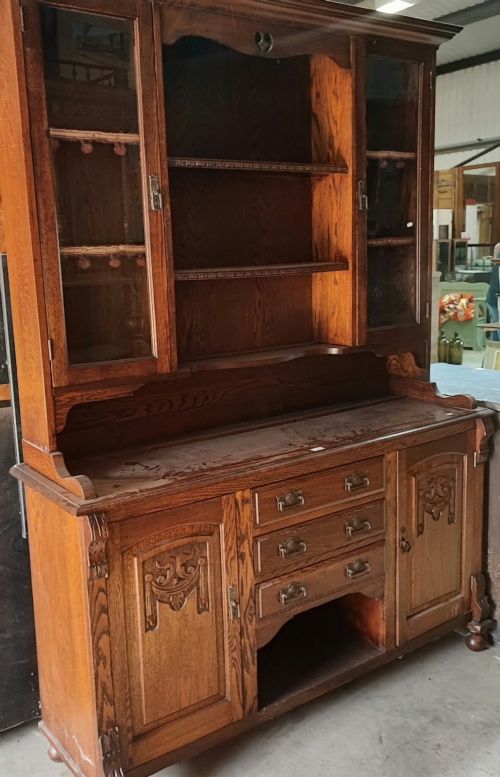
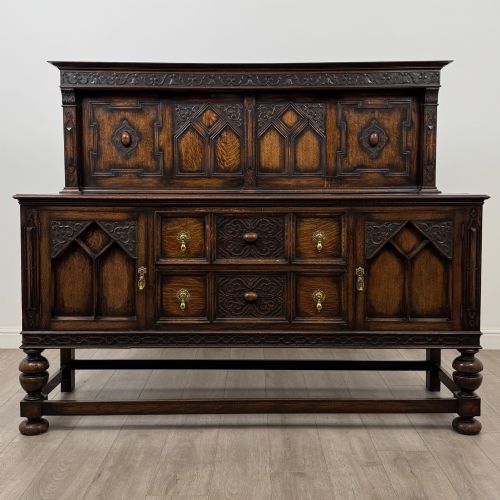
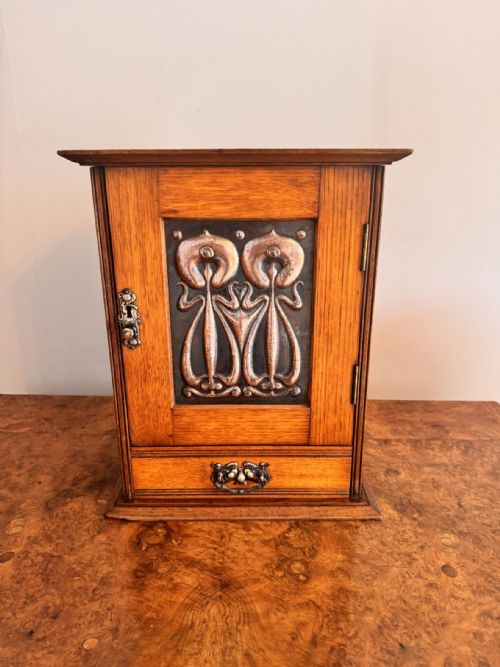
Edwardian Oak Cupboard
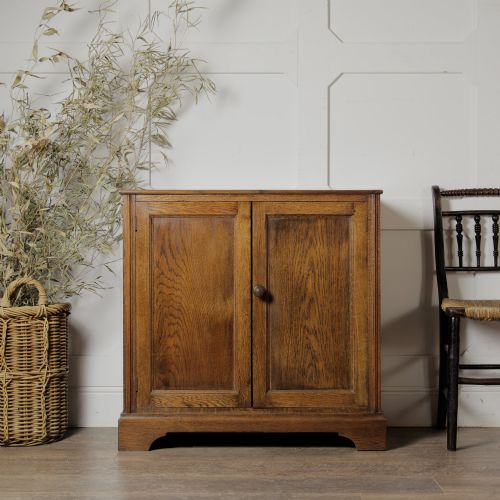
An edwardian oak cupboard brings solid domestic utility into a room with the straightforward grain and honest construction typical of the period.
The Forms of Edwardian Oak Cupboards
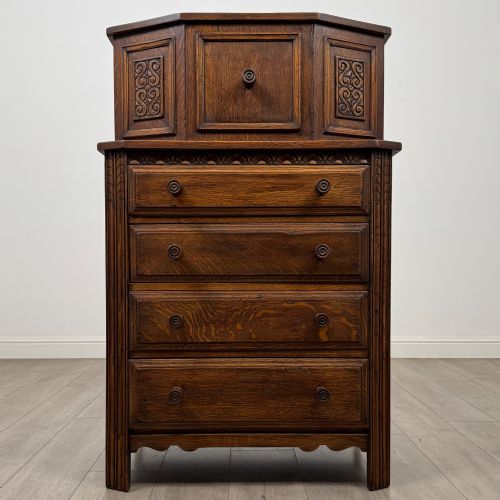
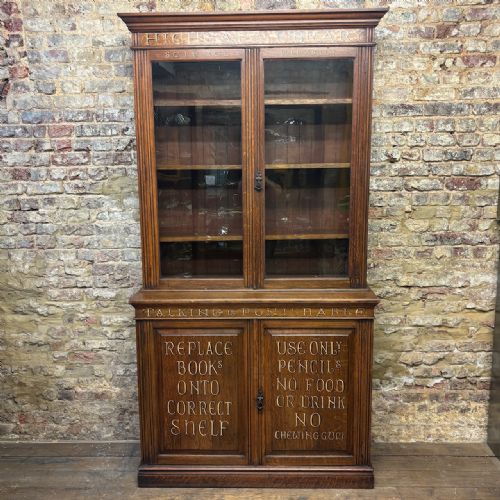
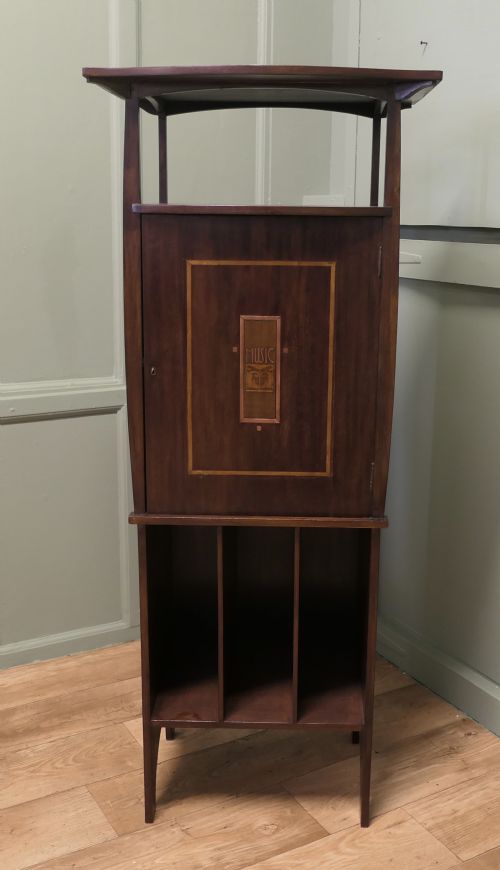
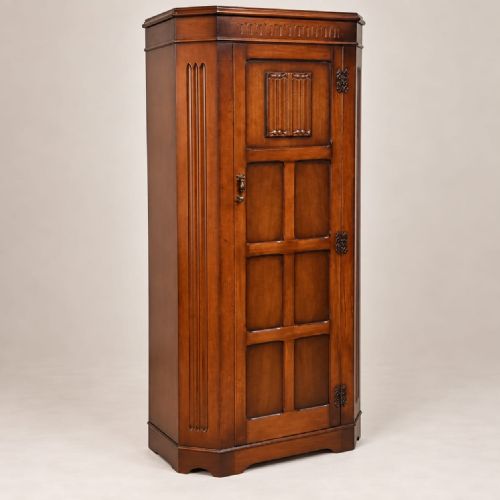
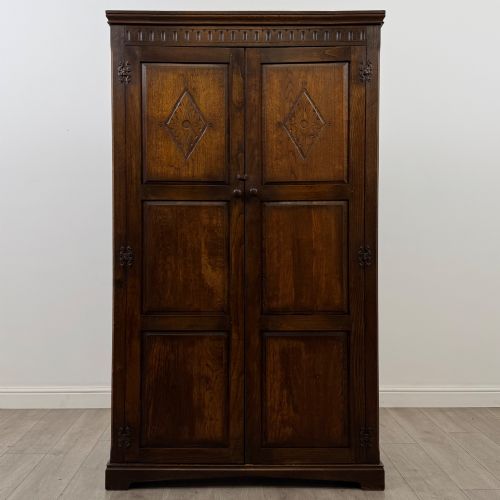
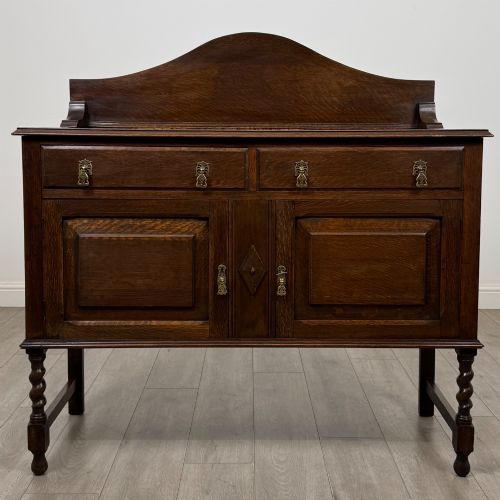
When you search for an edwardian oak cupboard, you find a wide range of functional storage furniture made primarily during the early twentieth century. These pieces span compact bedside units and narrow hall cupboards to large tallboys, linen presses, and sideboards.
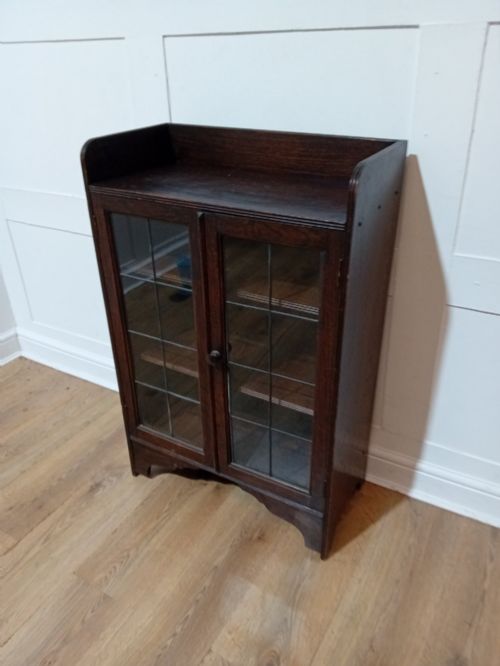
The archive shows considerable variety in purpose, including specific forms such as washstand cupboards, haberdashery cabinets, laboratory pieces, and Arts and Crafts wall units. Standing cupboards and side cabinets appear most frequently, offering practical shelving and enclosed space for modern rooms.
Materials and Construction
The pieces rely primarily on solid oak, often polished to highlight the natural grain, and incorporate brass hardware, glass panels, and metal components. Construction methods reflect traditional cabinet-making skills suited to heavy domestic service.
Carving appears on specific regional or revival pieces, while other examples utilise simpler panelled doors, corner brackets, and marble tops. Makers integrate rails, shelving, and specialised compartments depending on the original function of the cabinet.
Retail Price Guide 2026
Typical UK retail prices for edwardian oak cupboard, calculated from the Sellingantiques database of over a million retail prices indexed since 2003. This retail price guide relies exclusively on Sellingantiques data; no external sources or auction records are used, so the figures do not describe the wider market.
One specialised Edwardian model served specifically as a shoe cupboard, keeping muddy boots neatly concealed in the hallway.
Judging Quality and Character
Quality separates standard utilitarian storage from exceptional pieces through the selection of timber, the crispness of any carved detailing, and the integration of maker signatures or labels. Workshops known for specific designs command greater attention from collectors.
The graduation from simple country house furniture to refined London workshop production rests on structural integrity, original brass fittings, and the survival of secondary elements like marble surfaces or internal rails.
Maple and Co·Arthur Simpson·Heals
The Edwardian Oak Cupboard Glossary
- Tallboy
- A tall storage chest combining drawer space and cupboard sections, designed to maximise vertical storage in limited floor areas.
- Court cupboard
- A traditional short sideboard or enclosed cupboard featuring recessed upper sections and panelled doors.
- Linen press
- A tall cabinet originally designed for storing folded textiles, typically featuring sliding trays or shelves behind panelled doors.
- Haberdashery cupboard
- A specialised cabinet fitted with multiple shallow drawers or glass-fronted compartments for organising small goods.
- Arts and Crafts
- A design movement emphasising simple forms, visible construction, and honest use of materials without excessive ornamentation.
Frequently Asked Questions
What rooms suit an edwardian oak cupboard?
These cupboards adapt easily to hallways, bedrooms, and kitchens where robust storage is required. Their natural wood tones integrate well with both traditional and contemporary interiors.
Smaller bedside or wall-hanging versions fit tight spaces, while tallboys and linen presses offer substantial capacity for larger rooms.
How do I care for oak furniture?
Polished oak requires minimal maintenance beyond regular dusting with a dry or slightly damp cloth. Avoid placing timber pieces in direct sunlight or near heat sources to prevent warping.
Applying a traditional beeswax occasionally helps nourish the polished surface and maintain the natural lustre of the grain.
Are these pieces made of solid wood?
Most examples from this period utilise solid oak construction for the primary structure, doors, and panels. Regional workshops and larger London firms built these items to withstand heavy daily use.
Internal elements or backing boards may occasionally feature secondary timbers consistent with early twentieth-century manufacturing methods.
How do I identify an Arts and Crafts piece?
Arts and Crafts cupboards often display simplified geometric lines, exposed pegged joints, and characteristic hammered brass hardware. Makers from this movement focused on the integrity of the material rather than applied historical ornament.
Such pieces frequently appear as wall cabinets, small cupboards, or corner units produced by known workshops.