

Vintage Oak Wardrobe
A vintage oak wardrobe provides sturdy bedroom storage, combining durable timber with traditional craftsmanship across periods from the eighteenth century to the twentieth.
Vintage Oak Wardrobe
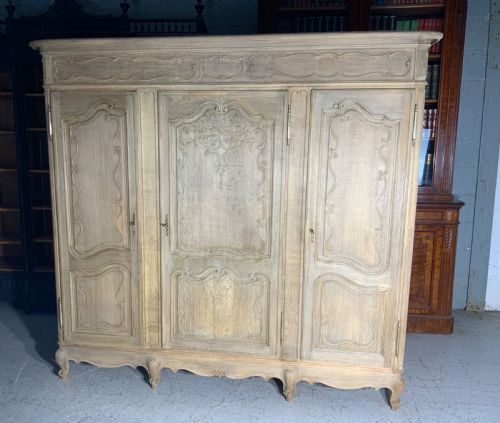
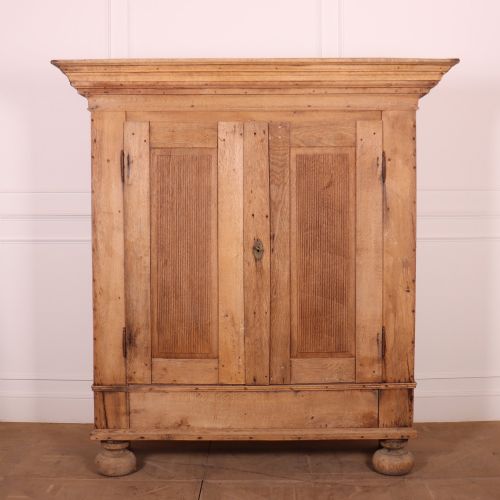
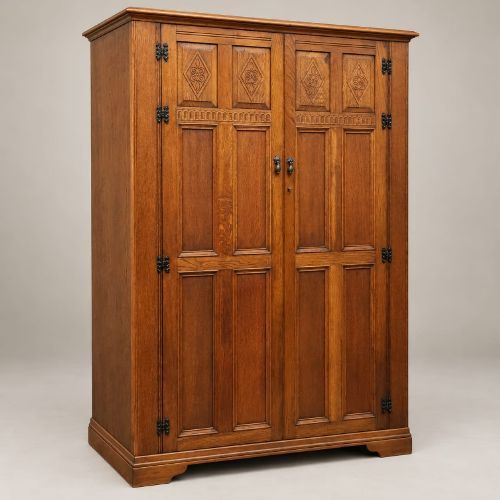
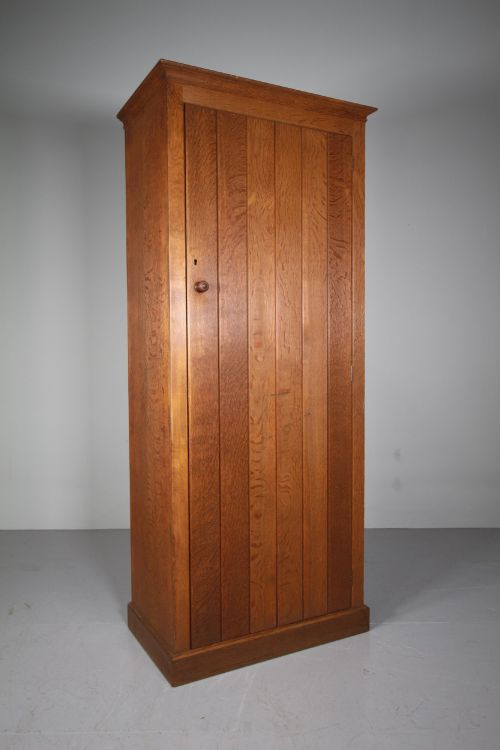
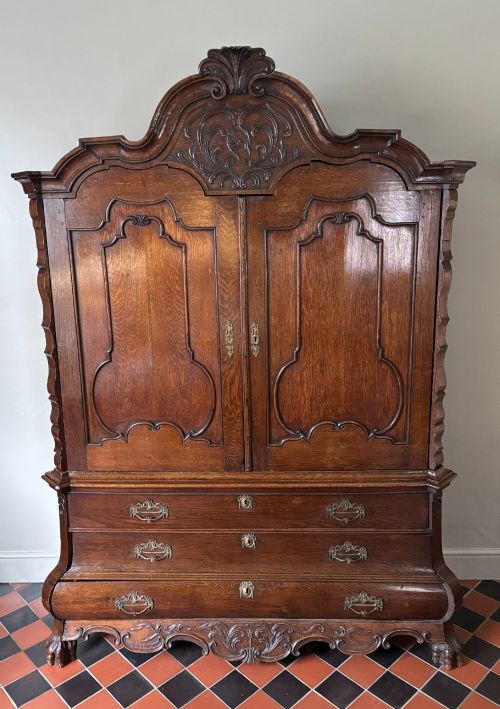
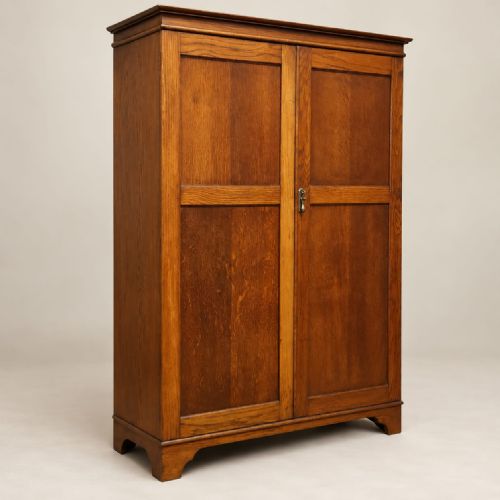
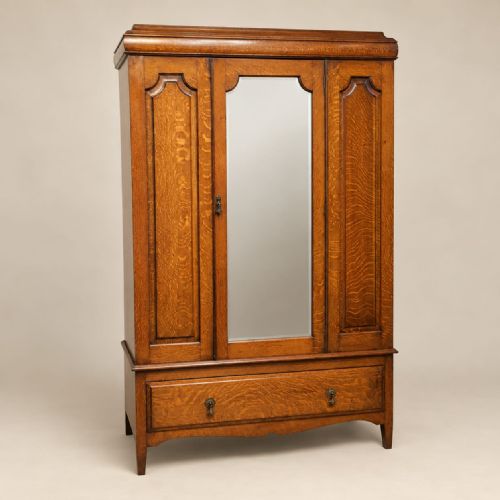
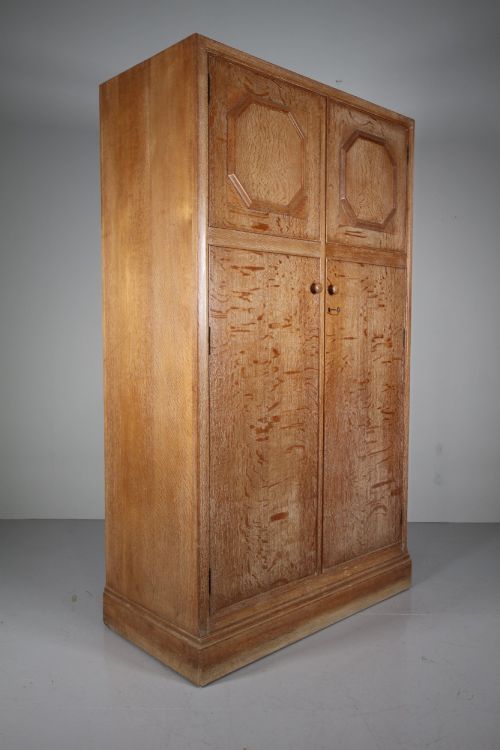
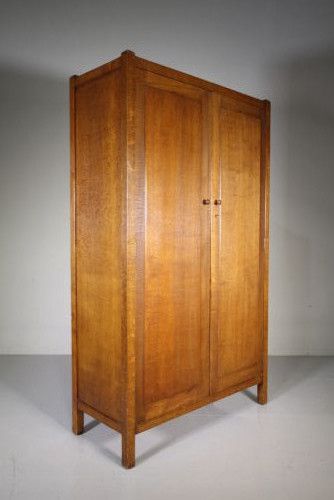
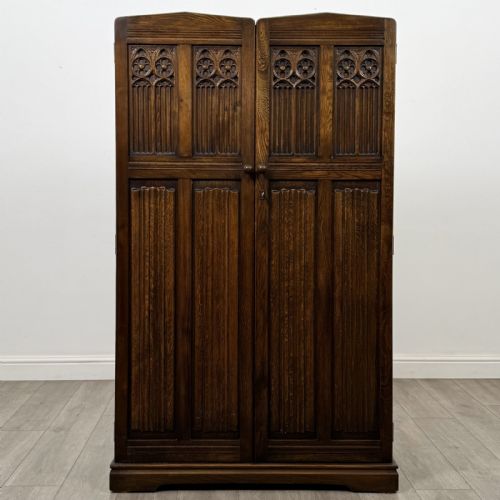
When searching for a vintage oak wardrobe, buyers encounter a diverse selection of furniture spanning several centuries, including pieces from the Georgian, Edwardian, and 1920s periods. The most common examples on this page are Edwardian and 1920s wardrobes, often featuring double or triple doors, mirrored panels, and fitted interior compartments.
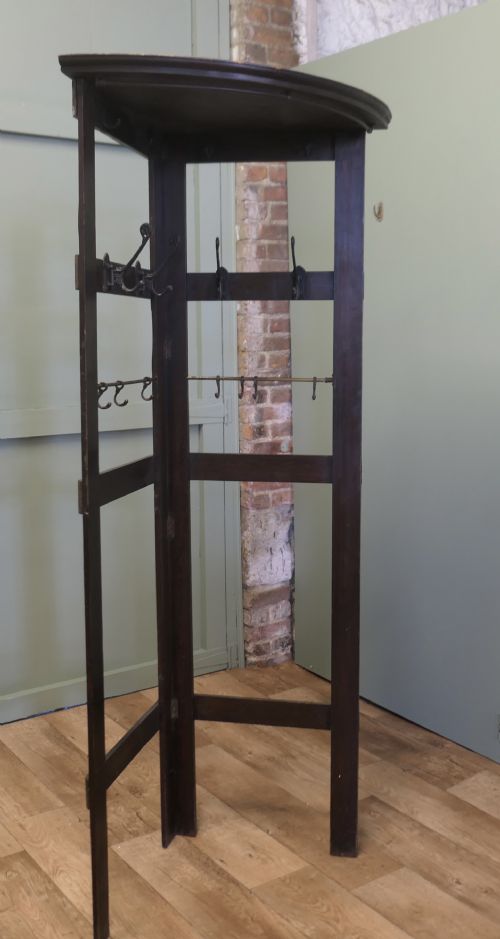
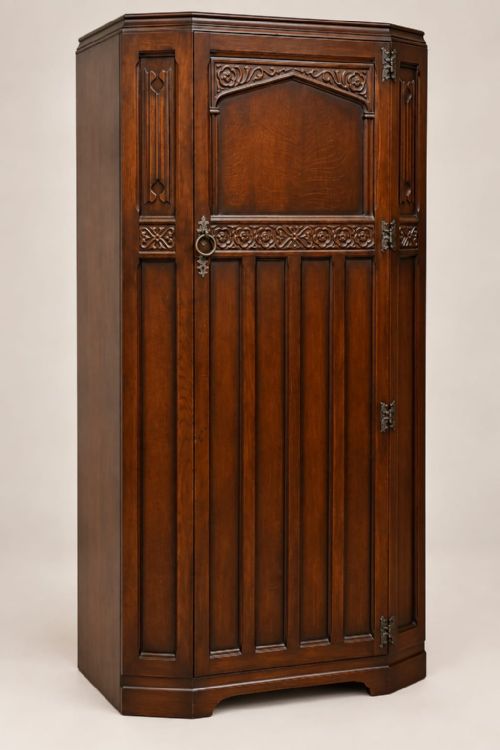
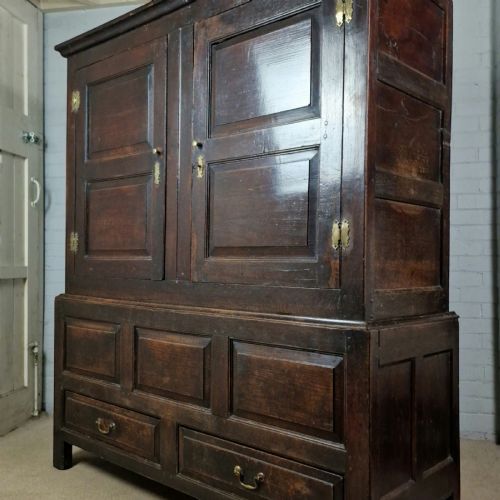
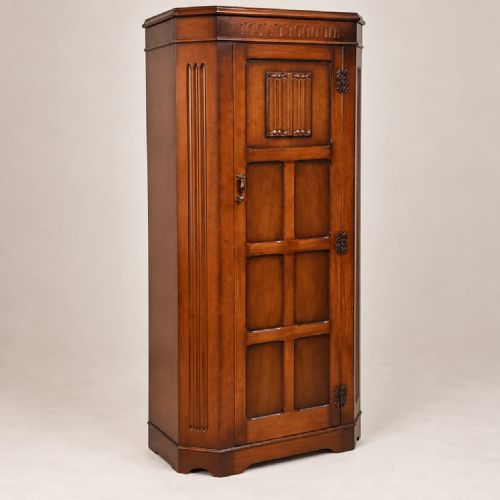
Beyond standard hanging spaces, the evidence shows related forms such as linen presses, compactum wardrobes, armoires, and hall robes. These larger storage pieces incorporate specialised sections like drawers and shelves alongside full-length hanging compartments.
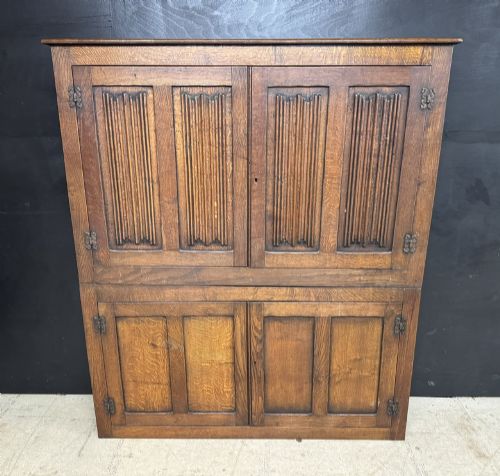
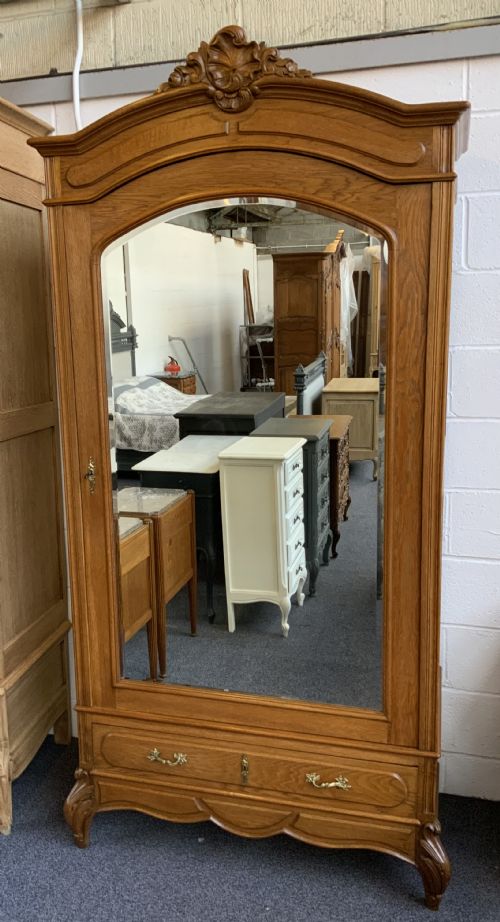
Stylistic influences range from plain English country designs to decorative Arts & Crafts models, Jacobean Revival carvings, and French armoires. Woods vary from golden oak to darker tones, occasionally supplemented by painted finishes or contrasting walnut.
How They Were Made
Makers constructed these wardrobes primarily using solid oak timbers, occasionally incorporating secondary woods like pine or walnut for internal elements. Panels were often framed within sturdy rails and stiles to accommodate the natural seasonal movement of the wood.
Hardware played a functional and decorative role, with brass and iron hinges, handles, and lock escutcheons fitted to doors and drawers. Surface finishes varied from polished dark or golden oak to ebonized treatments, scumble paint, and limed or bleached effects.
Vintage Oak Wardrobe Retail Price Guide 2026
Typical asking prices for vintage oak wardrobe among the pieces listed under this phrase on Sellingantiques today, from the lower quarter to the upper quarter. They describe what is for sale here now, not the wider market.
A child-sized wardrobe from the Edwardian era proves that miniature fashion required proper hanging space too.
What Varies in Quality
The degree of hand-carving and decorative detailing distinguishes standard functional furniture from finer artistic pieces, particularly within Arts & Crafts and revival styles. Well-executedlinenfold panels, symmetrical grain matching, and integrated mirrors demonstrate higher standards of workshop production.
Structural integrity depends on the robustness of internal fittings, such as original sliding linen trays, modular drawers, and sturdy hanging rails. Maker attribution, through labels or distinctive workshop designs, separates ordinary pieces from notable labeled examples.
Harris Lebus·Heals of London
The Vintage Oak Wardrobe Glossary
- Wardrobe
- A tall piece of furniture primarily used for hanging garments. These typically feature one or more doors enclosing a vertical space with a rail.
- Linen Press
- A traditional storage cabinet designed for folded linens and bedding. The upper section usually contains sliding shelves or trays, while the base incorporates multiple drawers.
- Compactum
- A multi-functional wardrobe combining hanging space, drawer units, and shelving within a single compact footprint. This efficient design gained popularity in the late nineteenth and early twentieth centuries.
- Armoire
- A large upright cupboard of continental European origin used for general storage. They frequently display substantial proportions and decorative paneling.
- Scumble Paint
- A decorative technique involving translucent or opaque glazes applied over a base coat to imitate natural wood grain. It appears on nineteenth-century pieces to simulate oak finishes.
- Linenfold
- A style of carved wooden paneling resembling folded fabric or linen. This motif is characteristic of medieval-inspired and revival furniture styles.
Vintage Oak Wardrobe: Frequently Asked Questions
How do I date a vintage oak wardrobe?
Dating relies on architectural styles, construction methods, and hardware used in the piece. Edwardian and 1920s models often feature machine-cut elements and standardised mirror bevels, whereas eighteenth-century pieces show hand-planed surfaces and pegged joints.
Maker labels or stamps, where present, provide precise chronological markers. Examining internal drawer construction and backboards further helps confirm the period of manufacture.
Will a vintage wardrobe fit in a modern bedroom?
Vintage wardrobes come in varied proportions, from compact hall robes to large triple-door armoires and bedroom suites. Measuring both the available floor space and ceiling height is essential before selection.
Many period wardrobes were built to dismantle into sections or separate cornice, carcase, and base units to ease transport and installation. Checking the sectional construction helps determine how easily the piece moves into a room.
What is the difference between a wardrobe and an armoire?
Wardrobes generally refer to British and American hanging cupboards developed specifically for garments during the eighteenth and nineteenth centuries. They prioritize vertical hanging space alongside internal shelving.
Armoires originate from continental Europe and traditionally served wider storage purposes before adapting for clothes hanging. They often feature grander proportions and deeper internal cavities than standard English wardrobes.
How should I care for an oak wardrobe?
Maintaining vintage oak involves keeping the timber away from direct heat sources and drastic humidity changes to prevent warping. Regular dusting with a soft, dry cloth preserves the polished surface without moisture damage.
Applying a traditional beeswax polish occasionally feeds the wood and enhances the grain. Avoid silicone-based sprays, which can penetrate porous historic finishes and attract dust.