

Carved Oak Linen Press
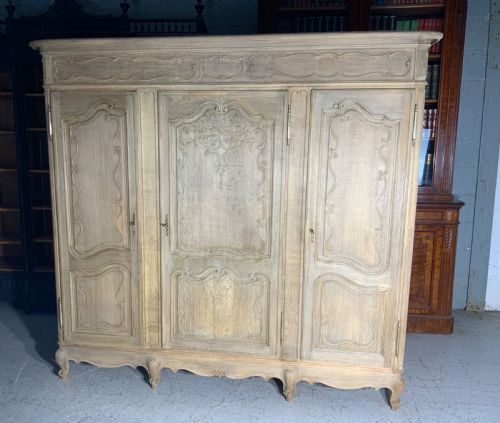
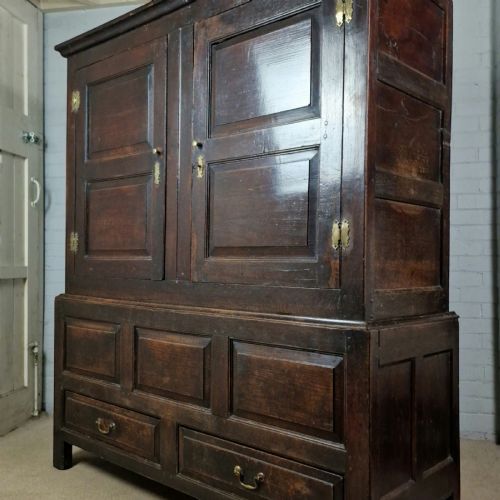
When you handle a carved oak linen press, you touch heavy timbers carved by hands centuries ago to store household textiles.
Carved Oak Linen Press
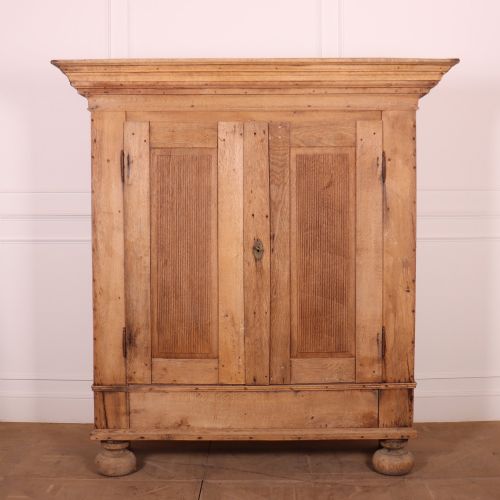
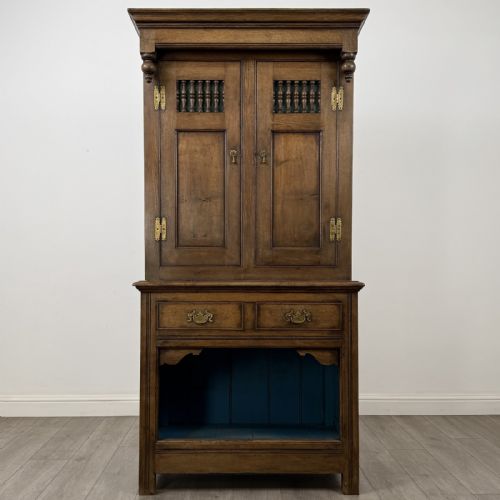
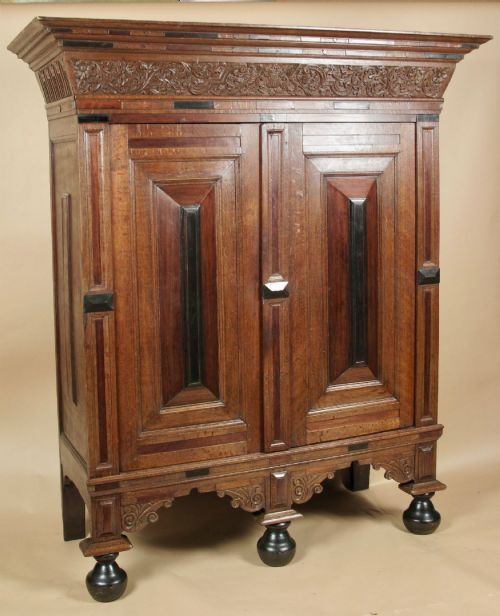
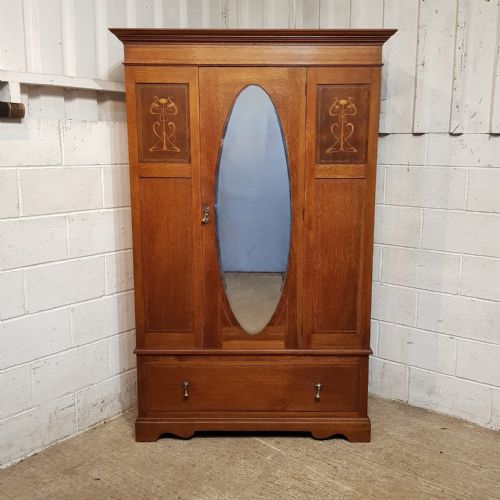
A carved oak linen press is a substantial storage piece built to hold folded garments and household linens. You will encounter forms spanning from the seventeenth century through to the twentieth century.
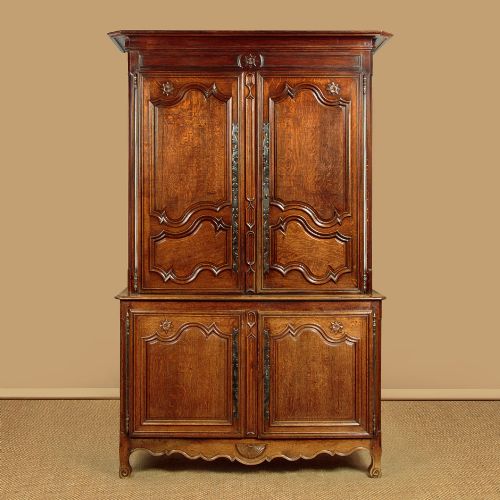
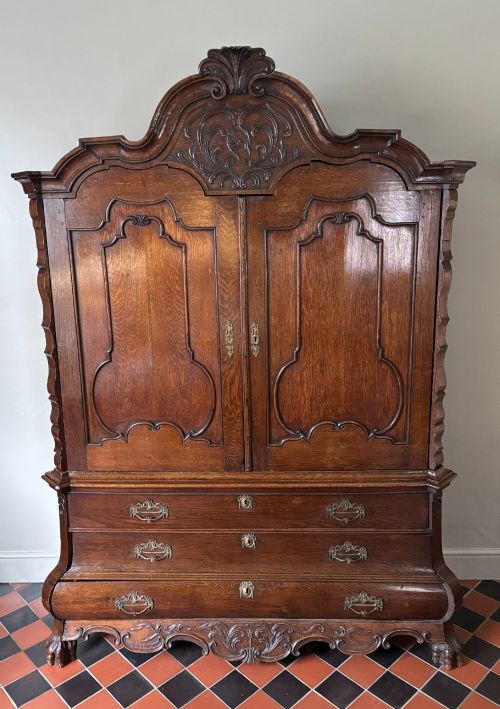
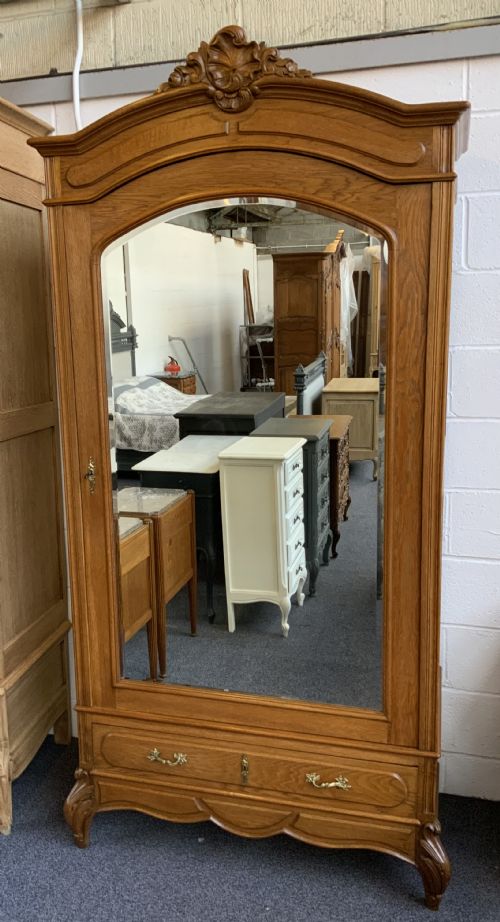
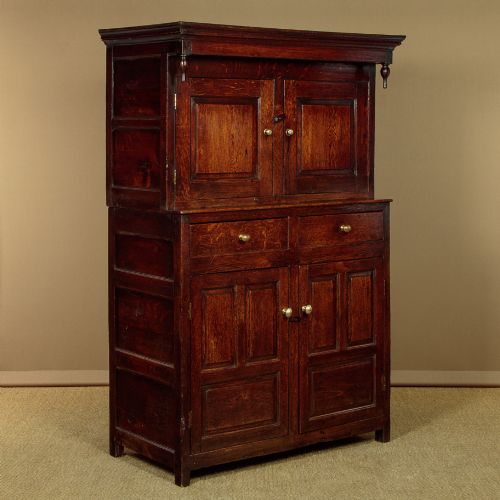
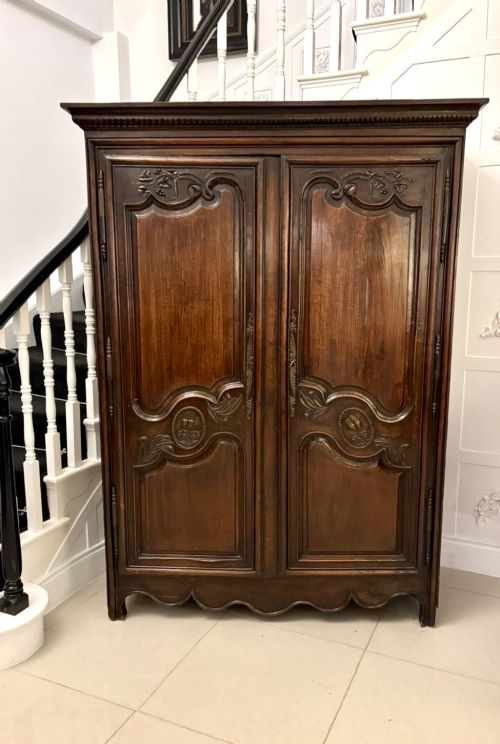
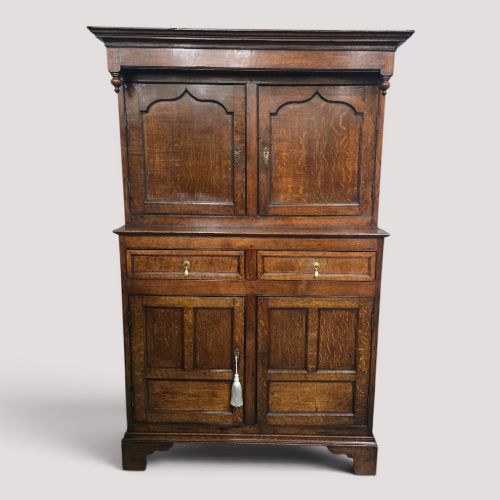
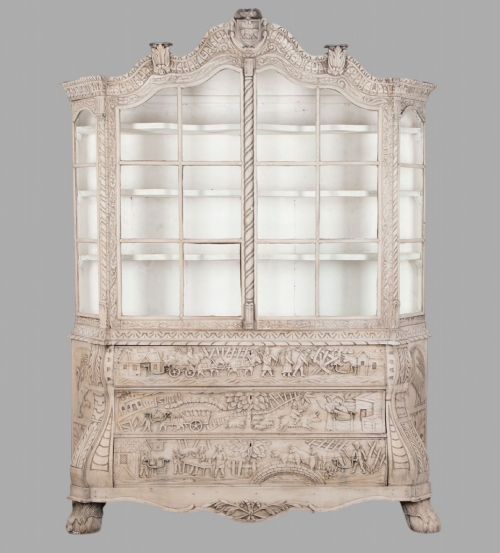
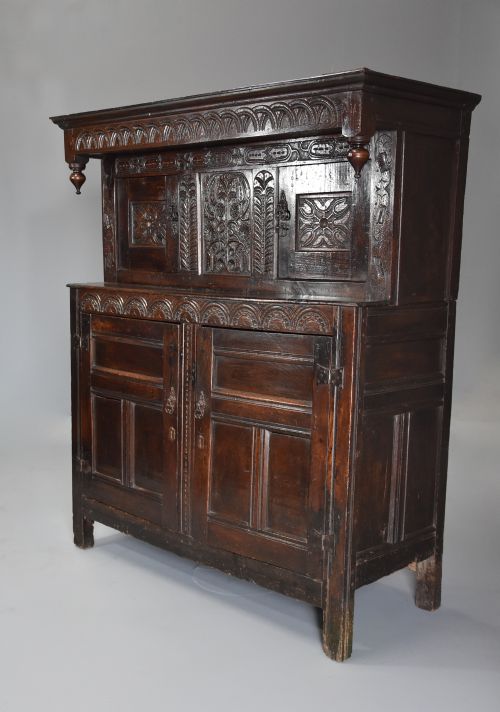
The selection ranges from regional Welsh country cupboards and English housekeepers' cupboards to continental armoires and Dutch press cupboards. Solid construction defines these items, often featuring panelled doors and carved detailing.
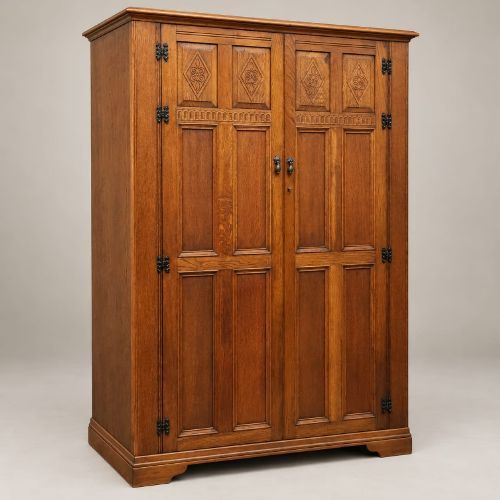
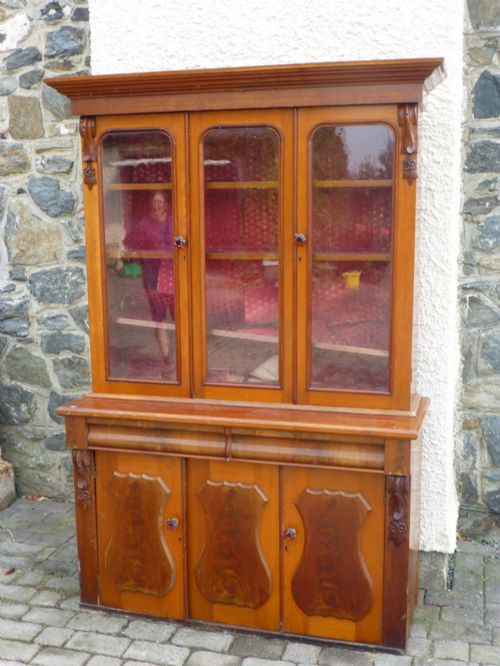
Earlier examples display seventeenth or eighteenth century vernacular craftsmanship, whilst later pieces show Victorian, Edwardian or Arts and Crafts influence. Each version serves the same primary purpose of deep storage with sturdy timber framing.
How they were made
The primary material across these pieces is solid oak, sometimes combined with secondary timbers like pine, walnut or mahogany. Metal fittings in brass or iron secure the doors and drawers.
Joinery methods rely on pegged mortise and tenon frames, heavy panel construction and hand-carved ornamentation. Certain continental or vernacular pieces incorporate paint or polychrome finishes upon the timber.
Carved Oak Linen Press Retail Price Guide 2026
Typical asking prices for carved oak linen press among the pieces listed under this phrase on Sellingantiques today, from the lower quarter to the upper quarter. They describe what is for sale here now, not the wider market.
The listings span five centuries of woodworking, stretching from seventeenth century vernacular pieces to 1930s cabinets.
What varies in quality
Quality rests upon the crispness of the hand-carving and the integrity of the original timber framing. Pieces retaining their early surface patination hold greater character than heavily restored examples.
The balance of proportions and the weight of the timber distinguish finer regional workshops from standard production. Interior fittings and original brass or iron hardware further elevate the standing of a piece.
Maple & Co
The Carved Oak Linen Press Glossary
- Press cupboard
- A large storage cabinet featuring an upper section for linen and a lower section with doors or drawers. This form evolved to keep household textiles clean and pressed.
- Cwpwrdd deuddarn
- A traditional Welsh two-piece oak cupboard originating from rural domestic interiors. These regional pieces often display distinct local carving patterns.
- Housekeeper's cupboard
- A tall utilitarian storage piece used in large homes for provisions and household linens. They are typically constructed from heavy oak with panelled doors.
- Patina
- The surface sheen and colour developed by aged timber through decades of handling and polishing. Original untouched surfaces display a deep warmth that modern finishes cannot replicate.
- Mortise and tenon
- A traditional joint where a projecting peg fits tightly into a matching cavity to lock timbers together. This method underpins the sturdy skeleton of antique cabinetry.
Carved Oak Linen Press: Frequently Asked Questions
How do I date a carved oak linen press?
Dating relies on examining the construction joints, timber selection, and carving styles. Seventeenth and eighteenth century pieces display hand-pegged joinery and distinct regional vernacular motifs.
Later Victorian and Edwardian examples often incorporate machine assistance or revivals of earlier Gothic and Arts and Crafts styles. Hardware such as hinges and brass pulls also help narrow the manufacturing period.
How should I care for antique oak furniture?
Maintain stable humidity levels and keep wooden furniture away from direct heat sources to prevent the timber from splitting. Regular dusting with a soft cloth preserves the dry finish.
Avoid modern silicone polishes that build up on the surface and dull the wood. Occasional application of traditional beeswax feeds the oak and protects the historical patina.
Are these cupboards difficult to move?
These pieces are constructed from heavy solid oak and often measure of grand proportions. Many early cupboards separate into upper and lower sections to ease transport through doorways.
Enlisting professional antique movers ensures the heavy frames and delicate carved mouldings remain undamaged during relocation. Checking the sectional breakdown before transport is essential.