






17th Century Court Cupboard
When you search for a 17th century court cupboard, you seek a substantial timber stage for domestic display and storage rooted in early modern British life.
17th Century Court Cupboard
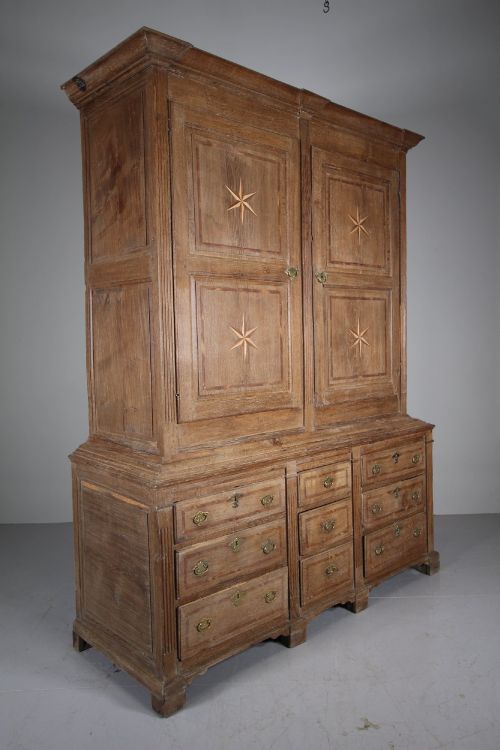
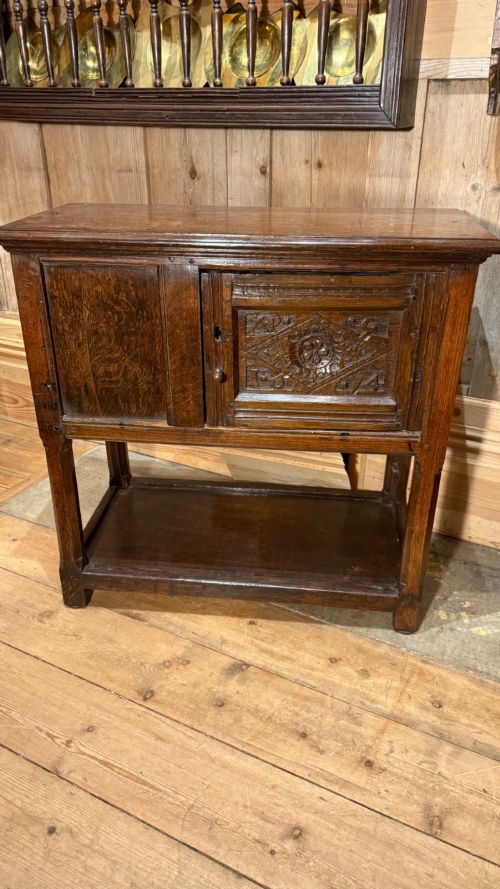
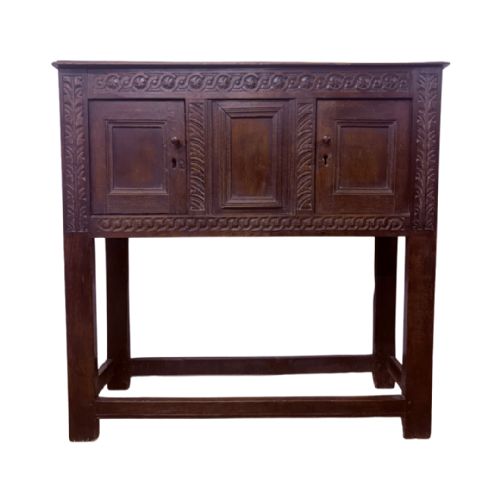
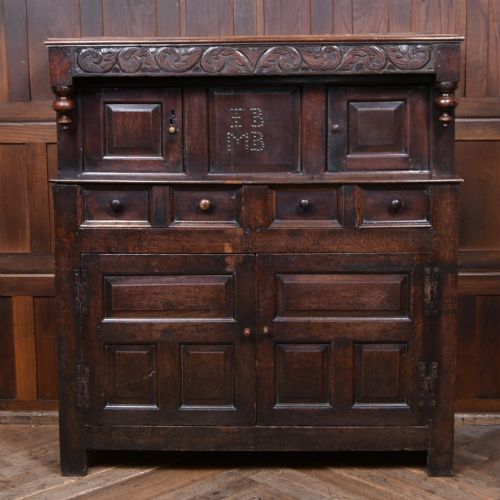
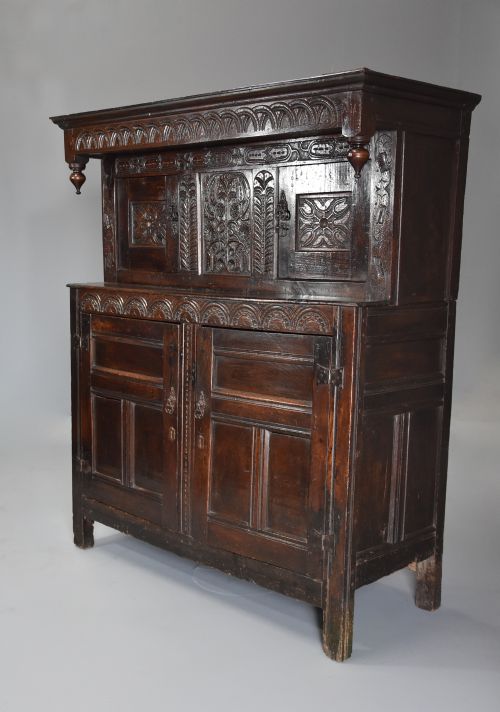
A 17th century court cupboard is a heavy timber storage piece traditionally used in the principal rooms of status houses to display plate and store food or linens. The form typically comprises an upper recessed cabinet supported by pillars above a broader lower stage enclosed by doors or drawers.
You will encounter regional variations on this page, including Welsh deuddarn examples and Lancashire buffets alongside standard English pieces. While the majority originate from the seventeenth century in oak, later revival pieces from the Victorian era and the nineteen-twenties also appear.
Materials and Construction
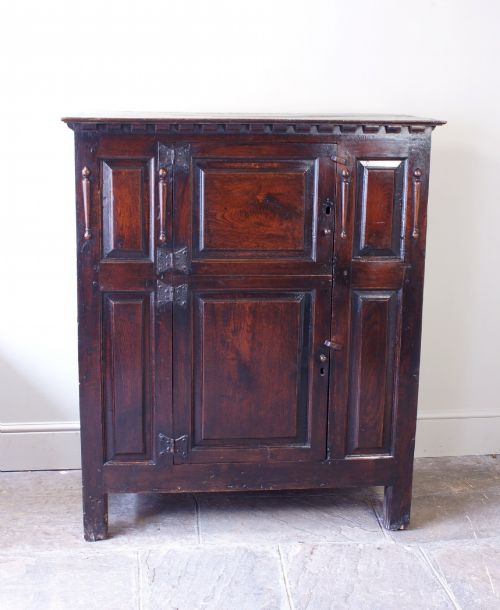
Construction relies heavily on joined English oak, utilising mortise and tenon joinery secured with wooden pegs rather than modern fasteners. Iron hinges, brass handles, and wrought iron hardware frequently furnish the doors and drawers.
Decoration on these surfaces often incorporates carved relief panels, geometric mouldings, and occasional fruitwood inlay or mother-of-pearl details. Certain regional examples integrate contrasting timbers such as yew wood, sycamore, walnut, and holly into the panelwork.
17th Century Court Cupboard Retail Price Guide 2026
Typical asking prices for 17th century court cupboard among the pieces listed under this phrase on Sellingantiques today, from the lower quarter to the upper quarter. They describe what is for sale here now, not the wider market.
Judging Quality
Quality rests in the integrity of the original construction and the depth of the carved ornamentation. Pieces retaining their untouched early surfaces show crisper tool work and honest timber weathering without excessive modern intervention.
Proportion and regional individuality distinguish finer examples from standard vernacular pieces. The integration of complex marquetry or multi-wood inlay demands higher joinery skill than simple panelled construction.
The 17th Century Court Cupboard Glossary
- Court cupboard
- A formal seventeenth-century sideboard featuring a recessed upper tier supported on turned balusters above a lower cupboard base. This form evolved from simple food storage into a display piece for wealth.
- Livery cupboard
- A domestic cabinet designed for keeping rations, candles, or small items of food in a bedchamber or hall. Ventilation openings were frequently pierced into the doors to keep provisions fresh.
- Press cupboard
- A large storage item featuring an enclosed upper section with hanging space or shelves above a lower tier of drawers or doors. They are closely related in form to the court cupboard.
- Deuddarn
- A traditional Welsh two-part cupboard originating in the seventeenth century, typically constructed from native oak. It serves a similar function to the English court cupboard.
- Joined oak
- Furniture constructed using interlocking mortise and tenon joints pegged together by hand. This technique preceded the widespread use of glued joints in cabinet making.
17th Century Court Cupboard: Frequently Asked Questions
What is a 17th century court cupboard?
A 17th century court cupboard is a heavy wooden storage furniture piece featuring a recessed upper stage above a lower cabinet. It served both to store household provisions and to display precious plate.
These items formed a central part of domestic life in substantial homes during the seventeenth century. They showcase early British joinery and regional carving styles.
How were they used originally?
Originally, these pieces held food, cups, and valuable tableware in the great hall or dining parlour. The upper open or enclosed stage displayed silver and pewter.
Servants prepared items upon them before service, while the lower cupboards secured household stores away from pests. They demonstrated the wealth and hospitality of the household.
How do I live with one?
Living with a seventeenth-century timber piece requires stable room humidity to prevent the oak from splitting. Keep them away from direct heat sources and strong sunlight.
Their substantial presence suits large dining rooms, halls, or living spaces with high ceilings. They provide deep storage capacity while anchoring a room with historic character.
How do I tell periods apart?
Period identification relies on examining the joinery methods, tool marks, and wood ageing characteristics. Seventeenth-century pieces utilise pegged mortise and tenon joints and native oak timbers.
Revival pieces from the Victorian era or nineteen-twenties often employ machine-cut elements or softer secondary woods. The style of the carved decoration also shifts from early geometric patterns to later flourishes.