


Warm Brown Armoire
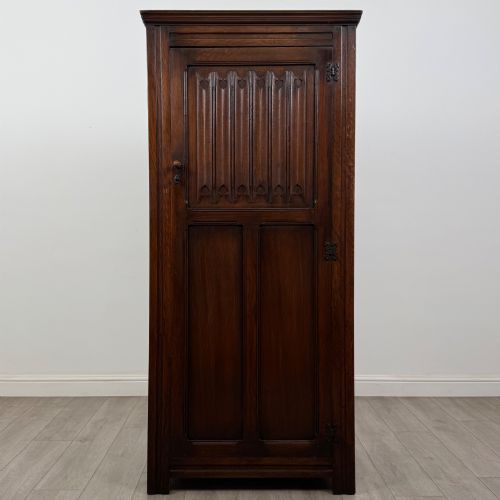
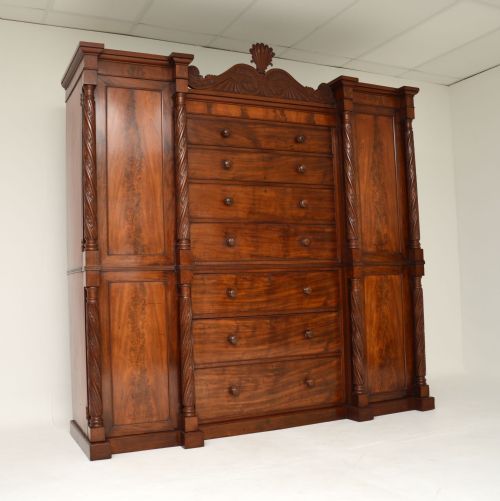
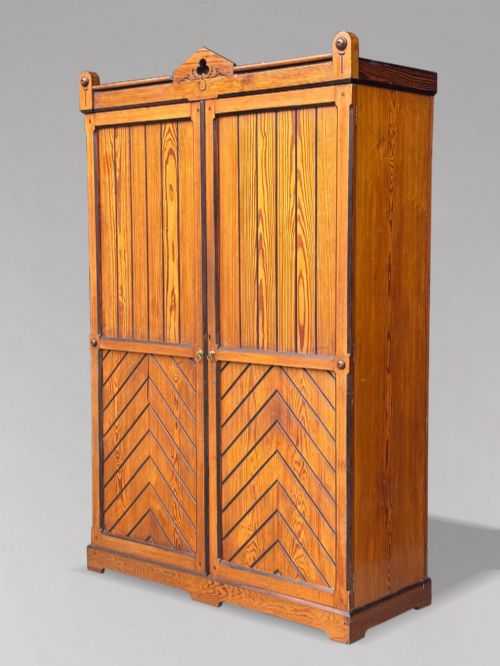
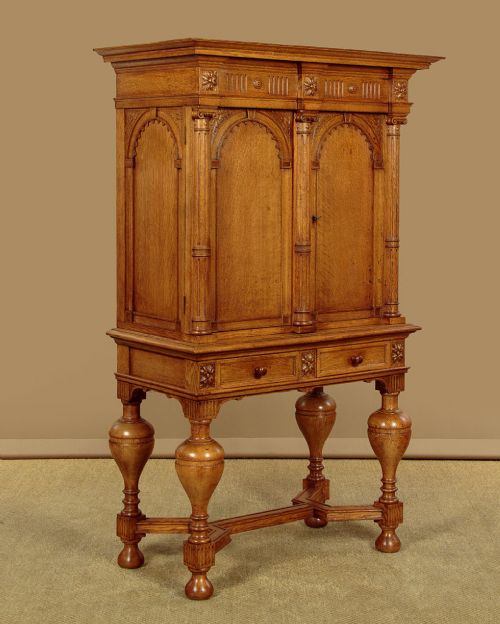
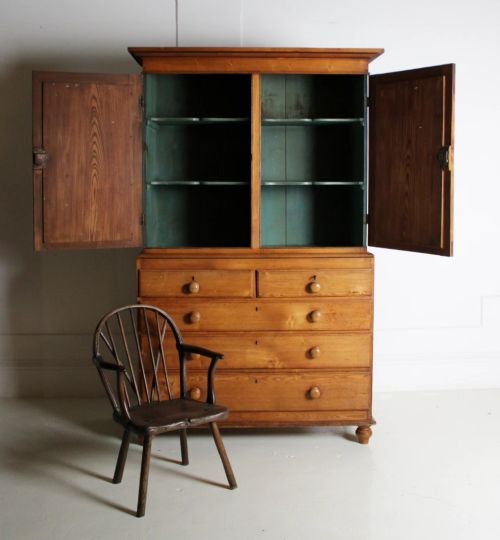
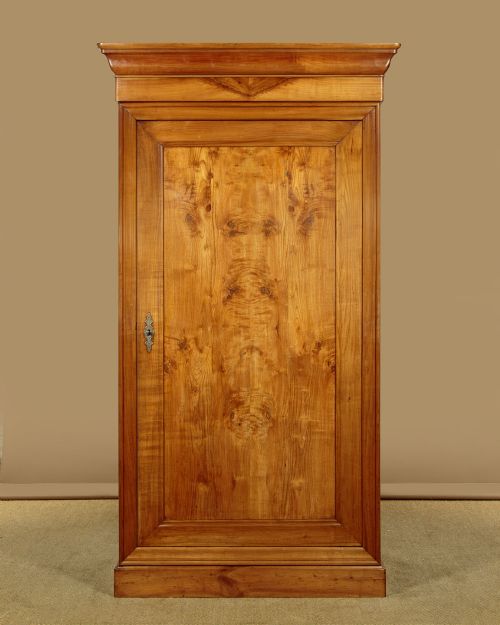
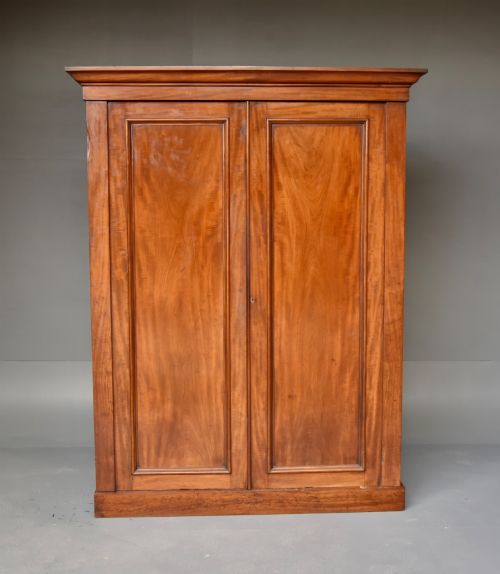
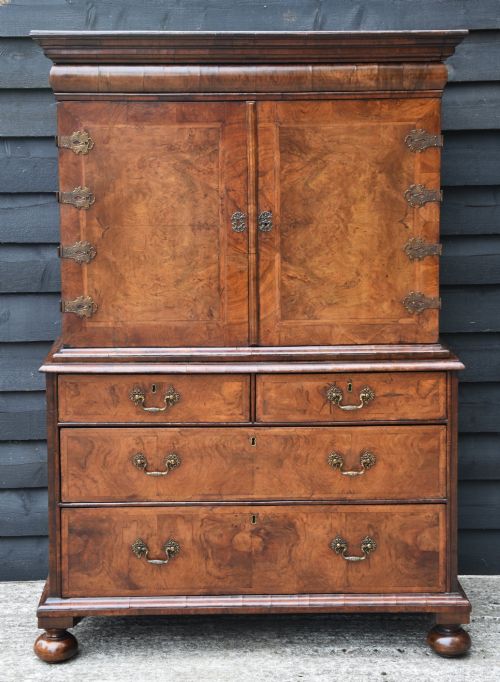
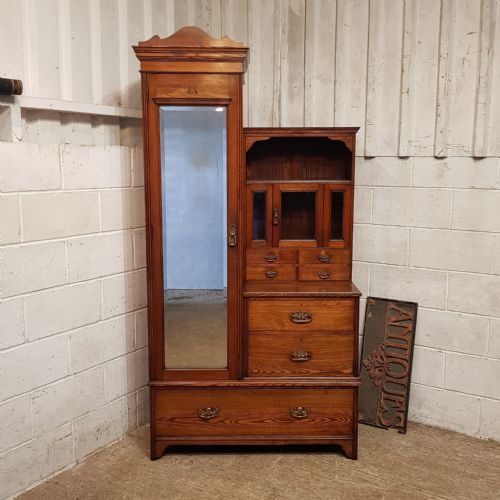
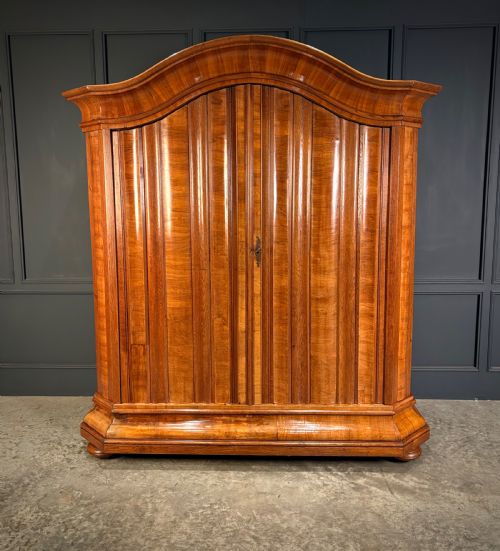
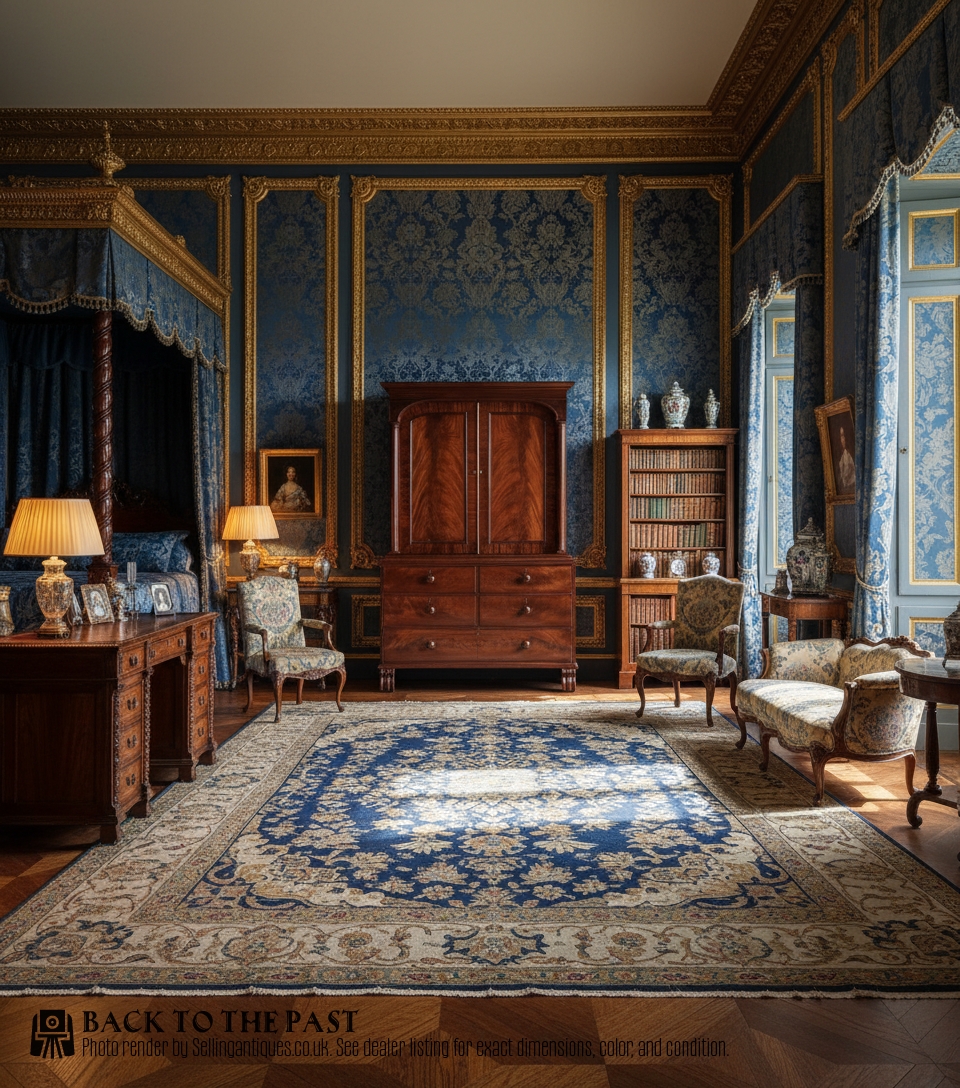
A warm brown armoire brings deep grain and architectural presence to a bedroom, offering substantial storage inside heavy timber doors.
Warm Brown Armoire
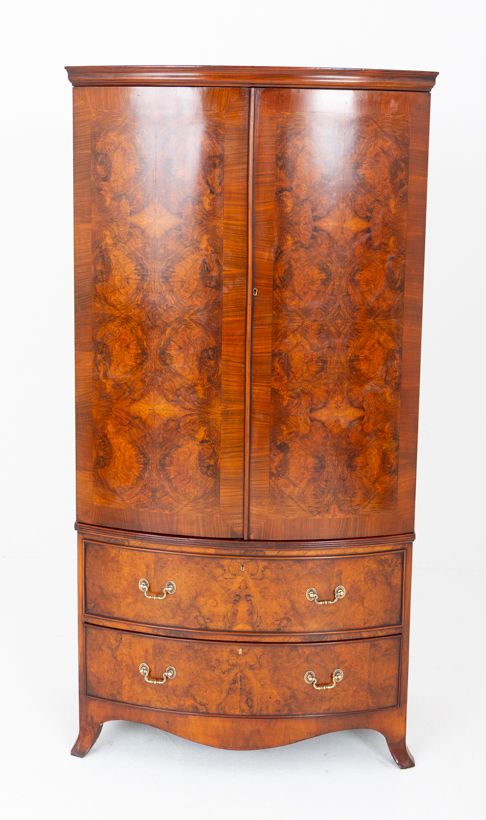
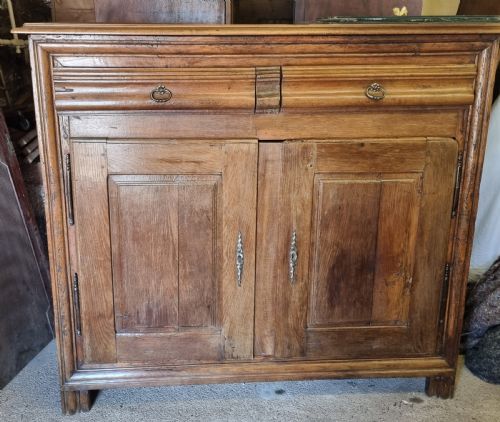
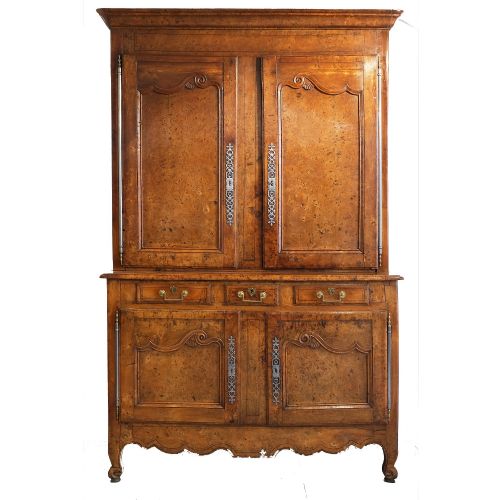
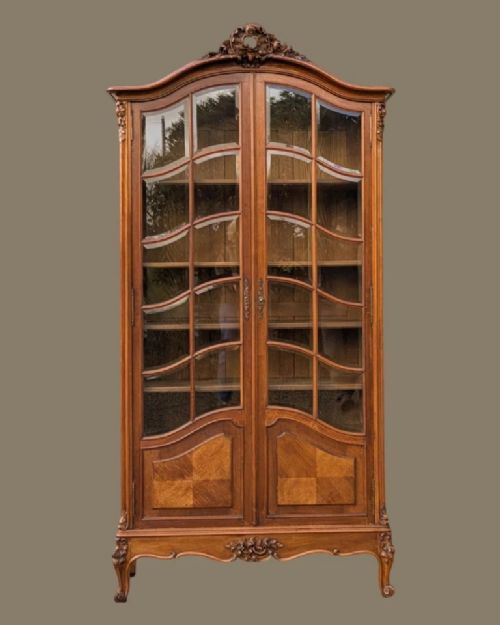
When searching for a warm brown armoire, buyers encounter large timber storage pieces spanning several centuries, from Georgian linen presses to Edwardian oak wardrobes and French Provincial fruitwood cupboards. Oak, walnut, and mahogany dominate the selection, bringing rich, deep tones and prominent grain patterns to heavy panelled construction.
The pieces listed here lean heavily towards nineteenth-century craftsmanship, alongside eighteenth-century regional examples and early twentieth-century interpretations in Arts and Crafts or revival styles. Wardrobes and linen presses provide the primary forms, frequently featuring panelled doors, deep cornices, and internal shelving or hanging space.
How they were made
Cabinetmakers constructed these pieces using solid hardwoods like oak, walnut, ash, and mahogany, often pairing them with secondary timbers for internal framing and drawer linings. Surface finishes relied on traditional wax and oil applications that saturated the pores of the wood, highlighting natural figuring without heavy synthetic varnishes.
Joinery techniques relied on pegged mortise and tenon frames, hand-cut dovetails for internal drawers, and panel-in-frame construction designed to accommodate seasonal timber movement. Brass hinges, escutcheons, and iron hardware secured the heavy doors, fixed with hand-forged or cast elements appropriate to each period.
Warm Brown Armoire Retail Price Guide 2026
Typical asking prices for warm brown armoire among the pieces listed under this phrase on Sellingantiques today, from the lower quarter to the upper quarter. They describe what is for sale here now, not the wider market.
Listings feature woods including oak, walnut, mahogany, ash, cherrywood, and teak across periods spanning the seventeenth century to the 1930s.
What varies in quality
Quality rests upon the selection of timber figures, where quartersawn oak medullary rays, burr walnut veneers, or deeply flamed mahogany elevate a piece far above plain utilitarian boards. The crispness of hand-carved mouldings and the symmetry of cross-banding reveal the time and skill invested by the original cabinetmaker.
Structural integrity distinguishes finer examples, visible in tight joints that remain square, doors that hang plumb without sagging, and original backboards fixed securely with period fastenings. The retention of original brass or iron hardware and working locks adds significantly to the integrity of the piece.
The Warm Brown Armoire Glossary
- Armoire
- A large freestanding cupboard or wardrobe used primarily for clothing storage. These tall pieces often feature double doors enclosing hanging space or sliding trays.
- Linen Press
- A tall dual-section cupboard featuring sliding internal trays in the upper half for folded textiles, mounted above a chest of drawers.
- Deux Corps
- A substantial two-stage cabinet comprising a large upper cupboard set upon a deeper lower base. This regional continental form provides immense storage capacity.
- Compactum
- A fitted wardrobe designed to maximise internal organisation by combining hanging space, shoe racks, and multiple small drawers within one unified carcass.
- Cross-banding
- A decorative border technique where narrow strips of veneer are laid across the grain of the primary panel. This creates a contrasting frame around drawer fronts or cabinet doors.
Warm Brown Armoire: Frequently Asked Questions
What is the difference between an armoire and a wardrobe?
An armoire traditionally refers to a large continental cupboard with deep shelving or hanging capacity behind panelled doors, whereas a wardrobe specifically denotes a tall piece designed primarily for hanging garments on rails.
In practical modern usage, the terms overlap considerably. Many surviving pieces listed under these descriptions serve either function depending on their internal fittings.
How do I care for a solid wood cabinet?
Maintain these timber pieces by dusting them regularly with a dry, soft cloth and applying a traditional beeswax polish sparingly once or twice a year. Avoid placing wooden furniture near direct heat sources or in areas subject to rapid humidity fluctuations.
Stable indoor conditions prevent the natural timber from shrinking, expanding, or cracking over time, preserving both the structure and the warm finish.
How do I identify the period of a timber cupboard?
Dating relies on observing construction methods, timber choices, and stylistic vocabulary, such as the heavy geometric panels of seventeenth-century pieces or the cleaner lines of Edwardian oak. Hand-cut dovetails, tool marks on secondary woods, and regional hardware styles provide reliable clues to the decade of manufacture.
Revival pieces from the late nineteenth and early twentieth centuries often blend older stylistic motifs with more uniform machine-assisted joinery.