

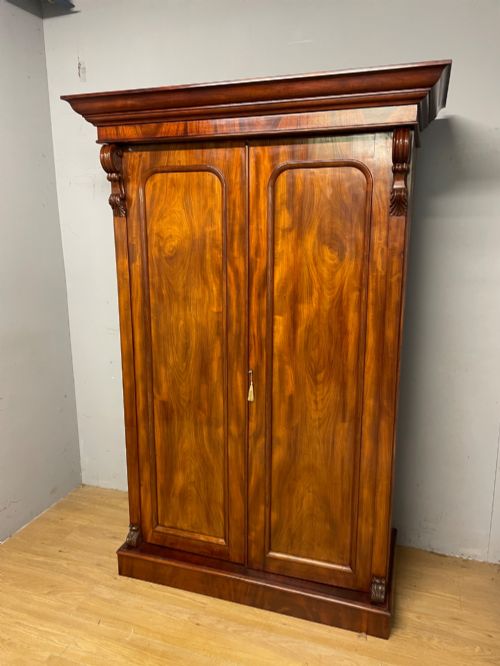

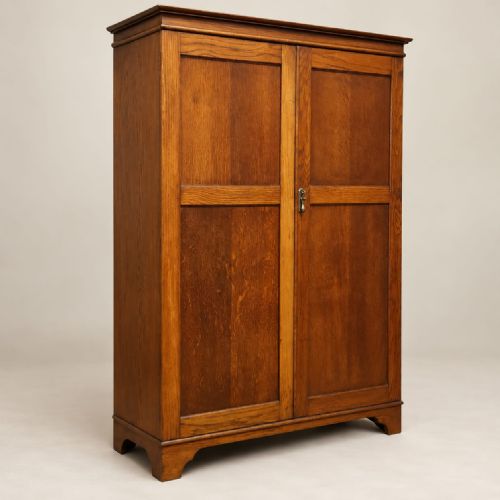
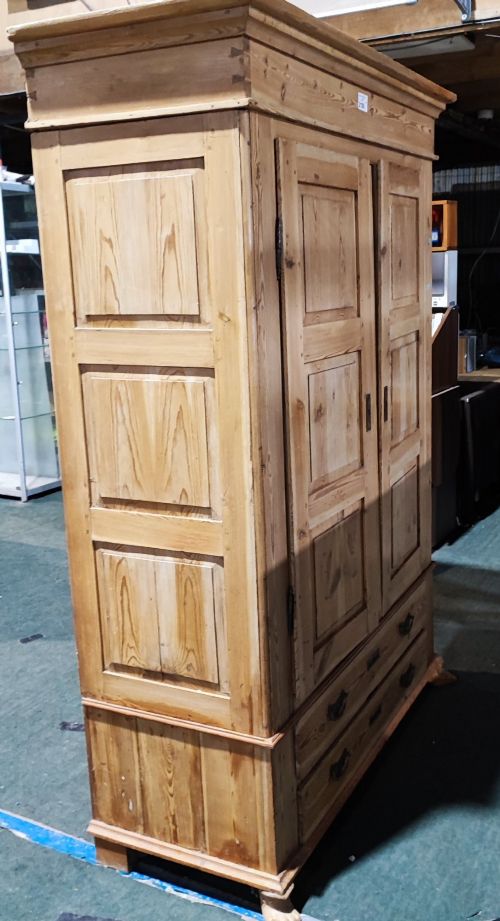
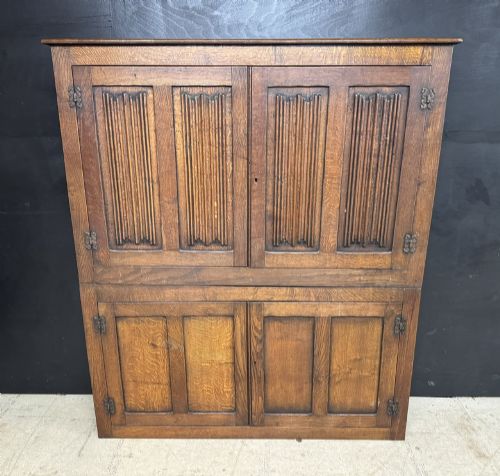
Two Door Wardrobe
A two door wardrobe brings substantial storage to a bedroom through traditional cabinet-making.

Two Door Wardrobe
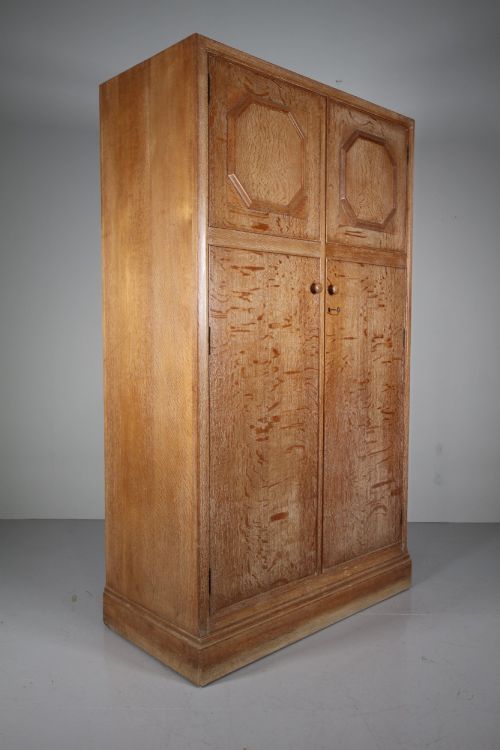
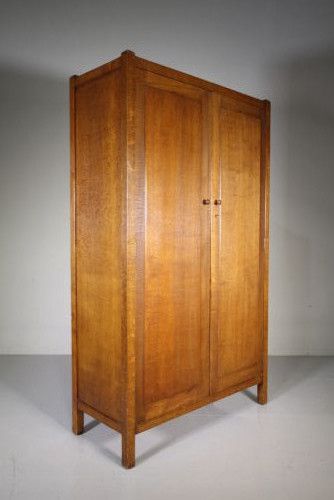
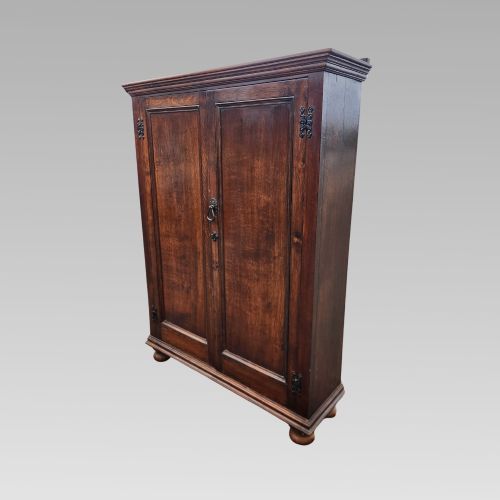
A two door wardrobe provides hanging space and shelving contained behind a pair of matching cabinet doors. These pieces span centuries of design, with particular prevalence in Victorian, Georgian, and Art Deco periods.
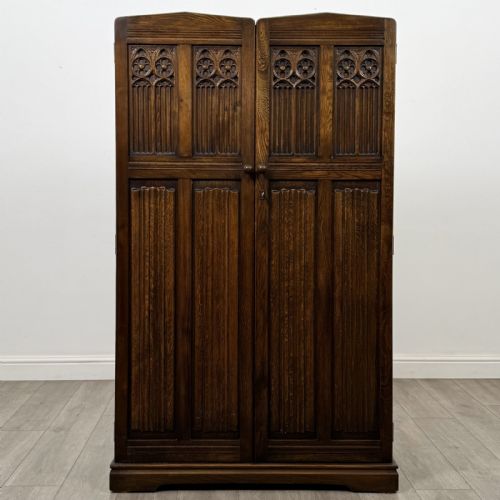
The selections on this page range from stripped pine country pieces to formal mahogany and walnut gentleman's wardrobes. Buyers encounter modular knockdown constructions alongside grand French armoires and fitted interior compartments.
Quality variations
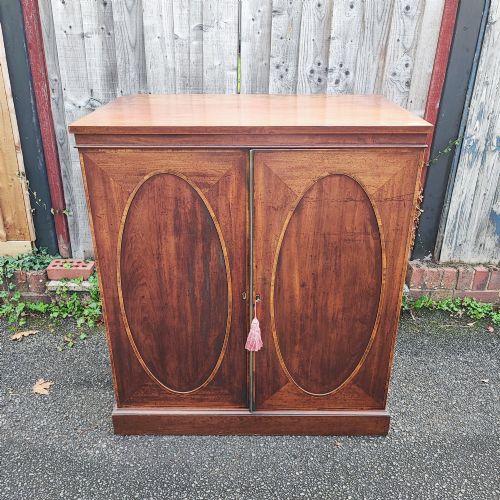
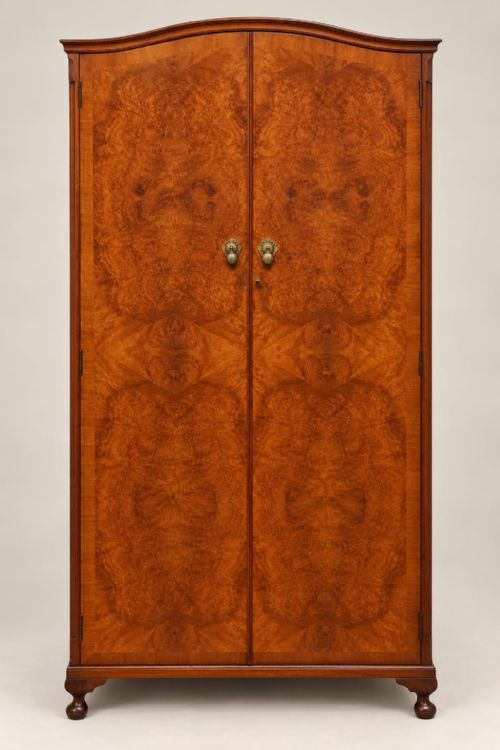
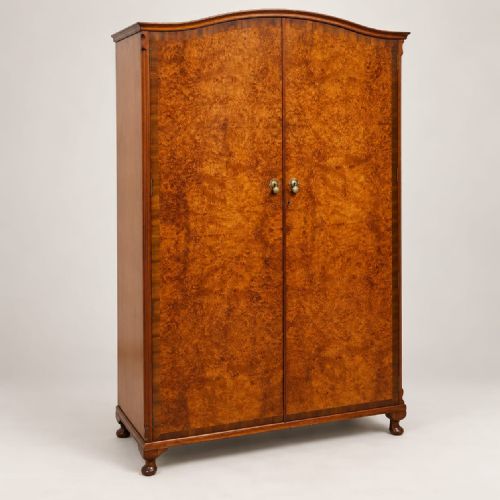
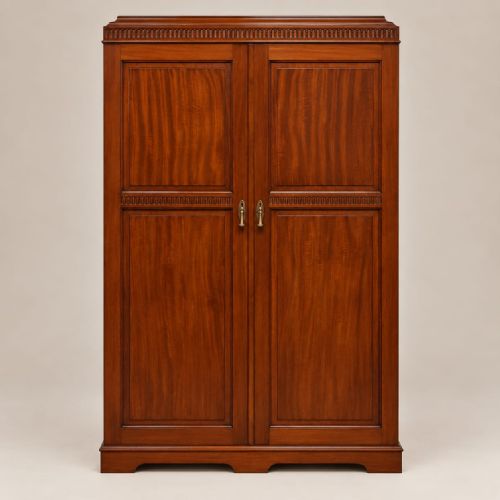
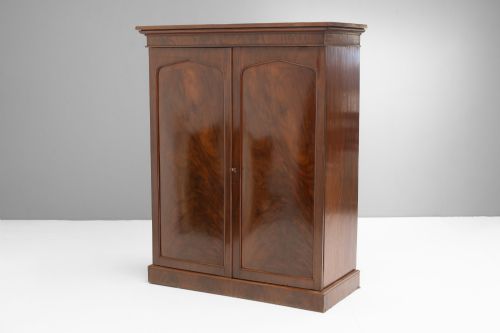
The distinction between standard utility pieces and high-end examples rests upon timber selection and cabinet-making ambition. Figured veneers, book-matched walnut panels, and inlaid stringing separate formal pieces from plain pine storage.
Proportion and internal fitting also define standard. Fitted trays, shoe compartments, and original brass locks indicate superior commission work compared to basic hanging spaces.
Two Door Wardrobe Retail Price Guide 2026
Typical asking prices for two door wardrobe among the pieces listed under this phrase on Sellingantiques today, from the lower quarter to the upper quarter. They describe what is for sale here now, not the wider market.
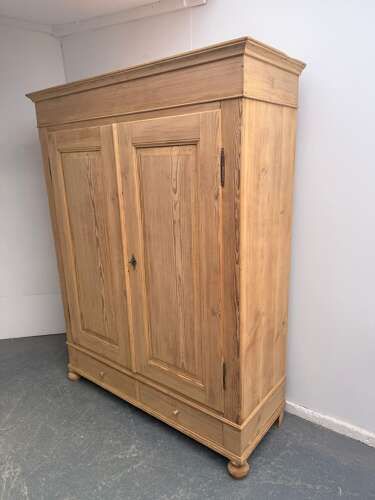
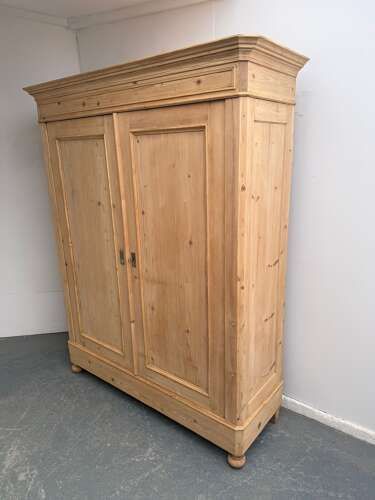
Several pine wardrobes carry the scars of former wax treatments waiting to be stripped away for a fresh coat.
Heal & sons·Whytock and Reid
The Two Door Wardrobe Glossary
- Armoire
- A large cupboard or wardrobe, often of French origin, featuring double doors enclosing hanging space or shelves. These pieces typically display heavier cornice mouldings and substantial panelled doors.
- Compactum
- A wardrobe combining hanging space with internal drawers, shelves, and compartments in a single footprint. This form maximises interior storage capacity.
- Knockdown
- Furniture designed to dismantle into flat sections for ease of transport and assembly. This technique is particularly common in 19th-century pine wardrobes.
- Linen Press
- A tall cabinet featuring upper sliding trays or shelves for linens above a chest of drawers. Later examples often convert these internal trays into standard hanging space.
- Gentleman's Wardrobe
- A specialised wardrobe divided internally to accommodate folded garments, waistcoats, and coats. These often include dedicated sliding shelves alongside vertical hanging sections.
Two Door Wardrobe: Frequently Asked Questions
How do I assemble a knockdown wardrobe?
Knockdown wardrobes utilise internal bolts, wooden pins, or interlocking corner posts to secure the cornice, base, and side panels together without permanent glue.
Careful alignment of these original joints ensures the doors hang square within the frame once the carcass stands upright.
Can I add interior shelves to a hanging wardrobe?
Many wardrobes accept internal shelving by resting boards upon existing wooden battens or by installing modular timber inserts inside the main hanging compartment.
Care must be taken not to alter historic timber surfaces permanently if preserving the original interior configuration matters.
How do I distinguish a Georgian press from a Victorian wardrobe?
Georgian presses generally prioritise sliding linen trays behind upper panelled doors placed above a chest of drawer base. Victorian variants favour full-length hanging space behind double doors with heavy moulded cornices.
Timber choice also aids identification, with Georgian periods favouring dense figured mahogany and bracket feet rather than plinth bases.
What is the difference between an armoire and a wardrobe?
Armoire is a traditional continental term for a large double-door cupboard, whereas wardrobe specifically denotes a tall piece dedicated to hanging garments. British examples tend toward strict internal clothes rails.
Continental armoires frequently exhibit deeper proportions and more pronounced decorative carvings than standard British counterparts.