
Victorian Armoire
When choosing a victorian armoire, you invite substantial nineteenth-century timber storage into a bedroom or hallway, combining practical hanging space with architectural presence.
Victorian Armoire
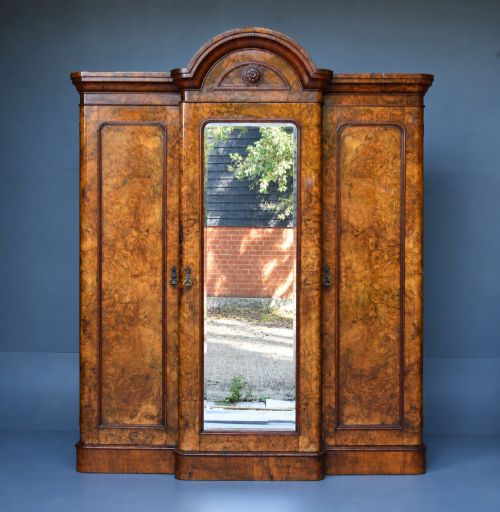
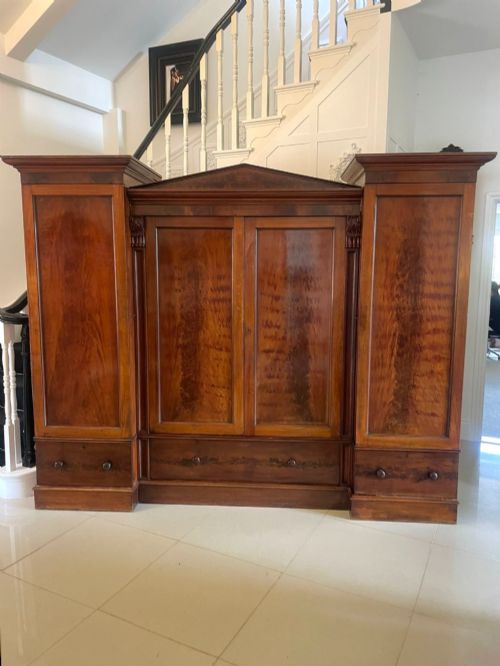
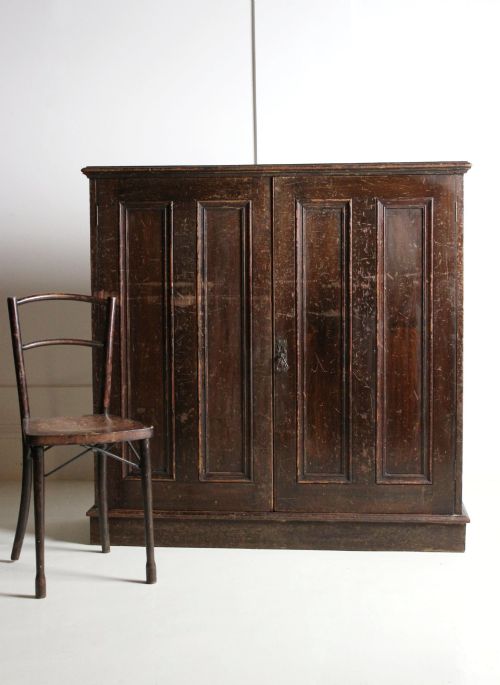
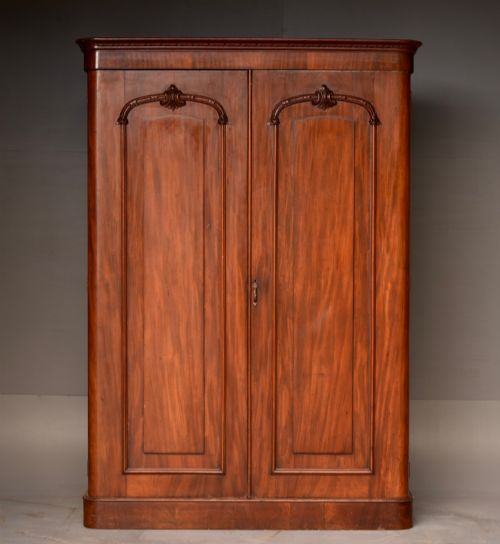
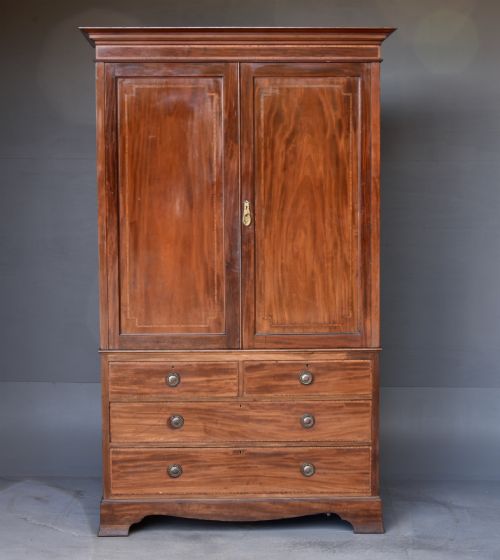
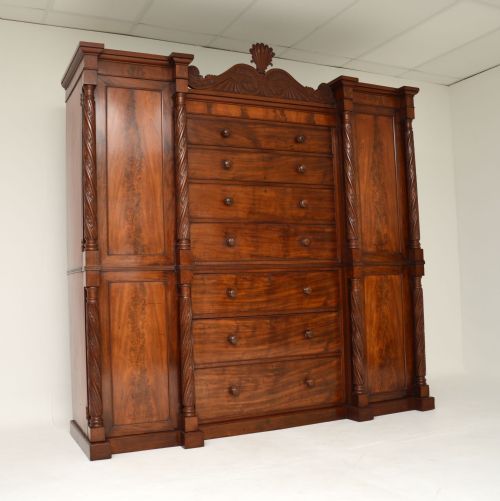
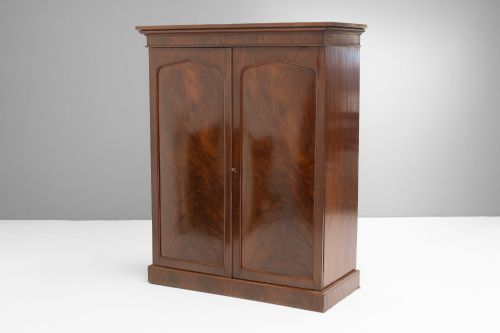
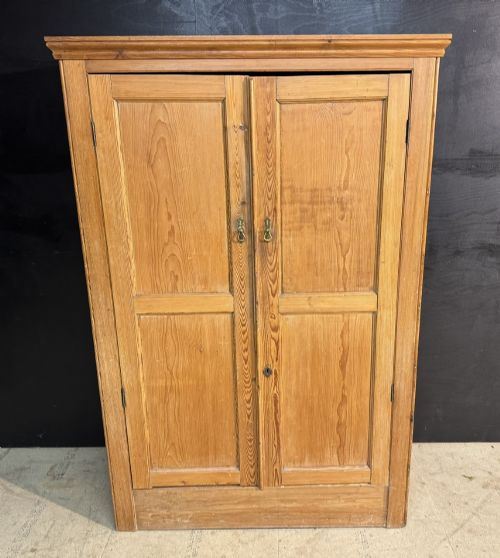
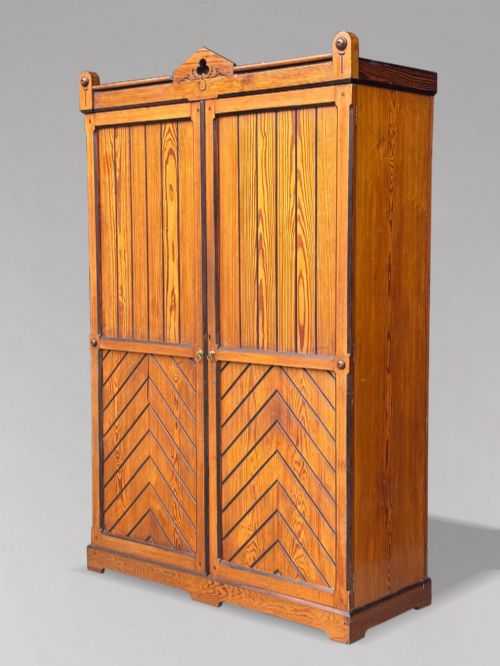
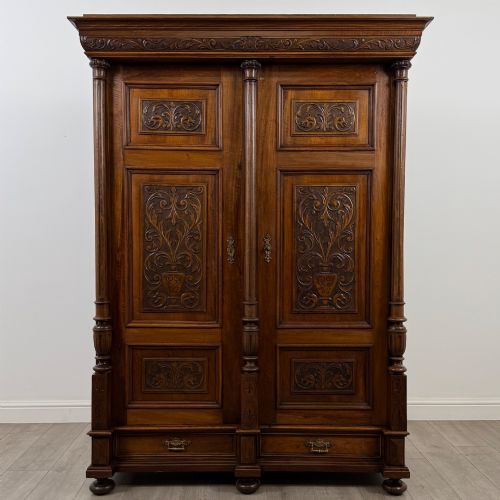
A victorian armoire typically encompasses large wardrobes, compactums, linen presses, and tall cupboards designed for domestic storage during the nineteenth century. These pieces emerge in styles ranging from plain or painted pine to elaborate mahogany, walnut, and ash, reflecting both utilitarian farmhouse needs and formal drawing-room tastes.
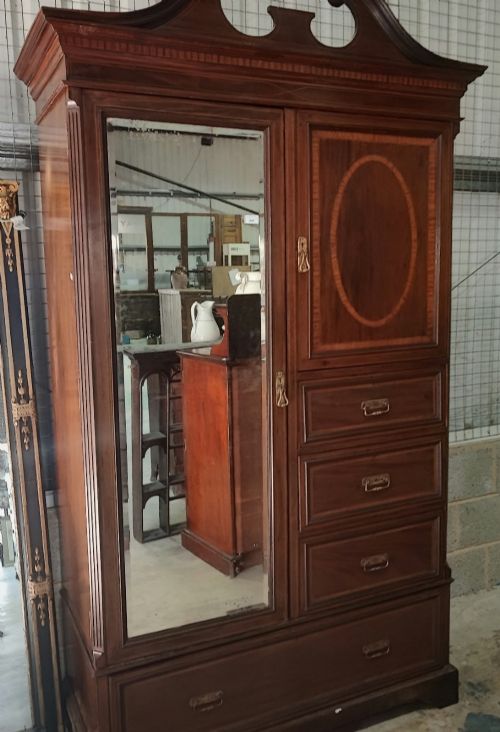
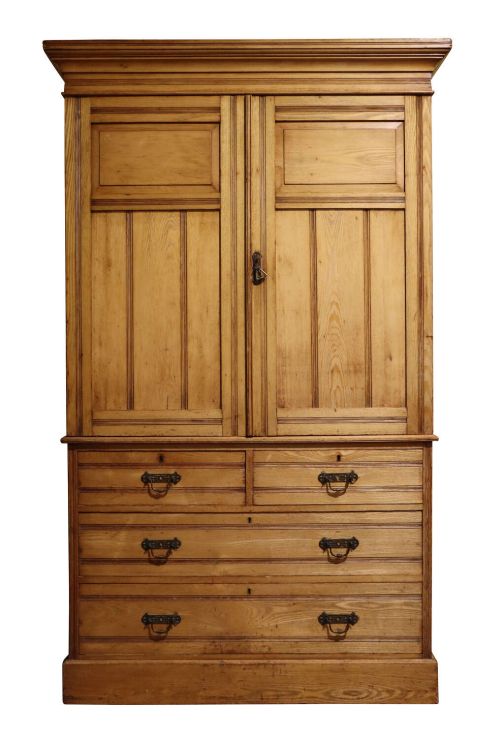
The versions most commonly met include double and triple wardrobes in figured mahogany or burr walnut, alongside knockdown pine cupboards built to dismantle for transport. Compactum variations provide internal drawers, sliding trays, and hanging sections within a single integrated carcase.
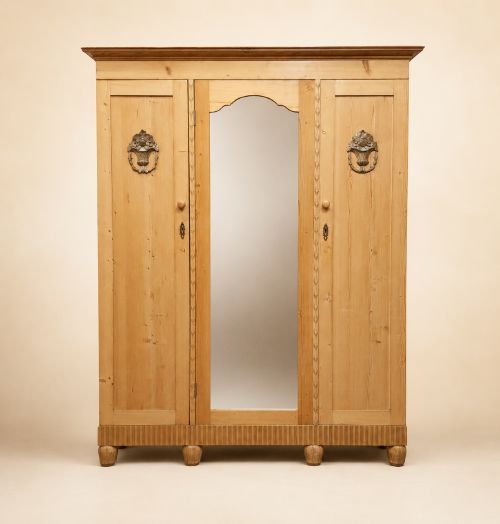
Origins span English workshops, Scottish arts and crafts studios, and French provincial cabinetmakers, occasionally incorporating mirrored doors, glass panels, or carved details executed in oak and ebonised timber.
What varies in quality
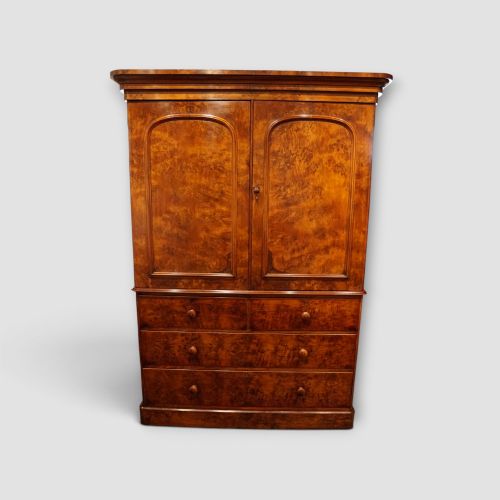
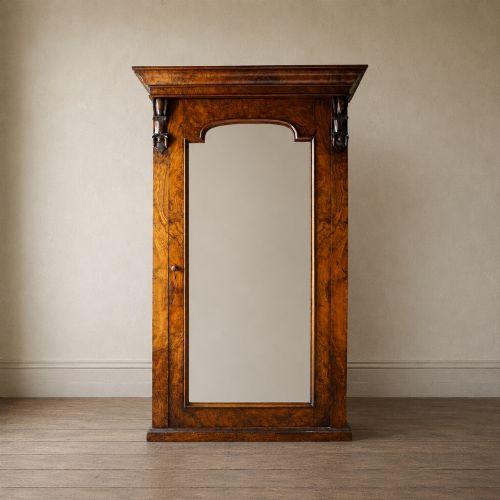
The distinction between standard examples and superior pieces rests on timber selection and the complexity of the internal configuration. Highly figured veneers, symmetrical burr walnut grains, and finely matched flame mahogany denote workshop production of higher ambition.
Structural joinery and carcase integrity dictate longevity, particularly in knockdown versions where repeated assembly tests the original fixings. Drawer construction, the presence of original brass work, and intact glass or mirrored doors further distinguish workshop grades.
Storage forms range from mirrored armoires and compactum wardrobes to traditional linen presses and kitchen cupboards.
maples & co·Edwards and Roberts·Holland and Sons·Gillows
The Victorian Armoire Glossary
- Compactum
- A fitted wardrobe that combines hanging space with drawers, linen slides, and sometimes small cupboards within one unified piece of furniture. This multi-purpose design became popular during the nineteenth century for gentlemen's dressing rooms.
- Linen Press
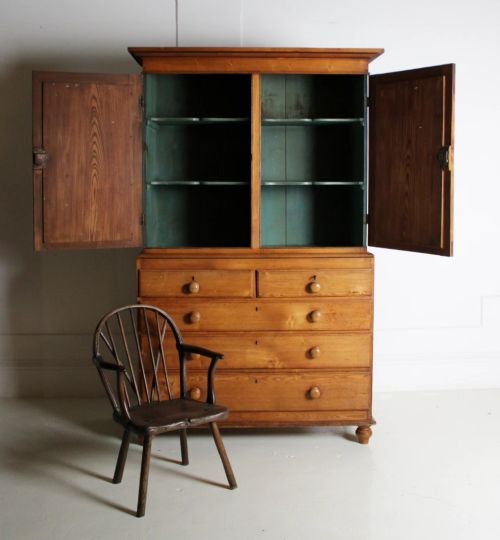
- A tall cabinet featuring upper cupboard doors enclosing sliding trays or shelves, positioned above a base section fitted with horizontal drawers. Originally intended for household linens, these pieces frequently appear in mahogany and pine.
- Knockdown
- A piece of furniture engineered to be easily dismantled into panels, cornices, bases, and wardrobes for transport and installation in upper rooms. This construction method was especially common in large pine and hardwood wardrobes.
- Scumble
- A decorative paint technique applied over a base coat to simulate the appearance of more expensive wood grains like oak. Artisans worked the wet translucent glaze using combs, brushes, or rags.
- Blind Fretwork
- Carved decorative geometric or lattice patterns applied flat to a frieze or cornice without cutting entirely through the wood. It adds subtle architectural relief to the upper mouldings of mahogany cabinets.
Victorian Armoire: Frequently Asked Questions
How do I assemble a knockdown wardrobe?
These pieces generally dismantle into a heavy cornice, base, two sides, and doors, held together with internal bolts, wedges, or sliding tongue joints.
Working with a helper ensures each section aligns properly before tightening the fixings, preventing strain on the antique timber.
What is a compactum wardrobe used for?
A compactum provides specialised storage by dividing the interior between hanging space, sliding linen trays, and multiple internal drawers.
This layout allows a single piece of furniture to accommodate folded garments, shoes, and suits in an organised manner.
Can I fit modern hangers inside?
Older wardrobes often feature shallow internal depths or older wooden hanging pegs rather than modern parallel rails.
Checking the internal depth before purchase ensures standard coat hangers will fit comfortably with the doors fully closed.
How do I care for polished mahogany?
Polished hardwood surfaces require minimal intervention beyond regular dusting with a soft, dry cloth to prevent abrasion.
Applying traditional beeswax occasionally maintains the natural lustre of the timber without building up heavy synthetic residues.