
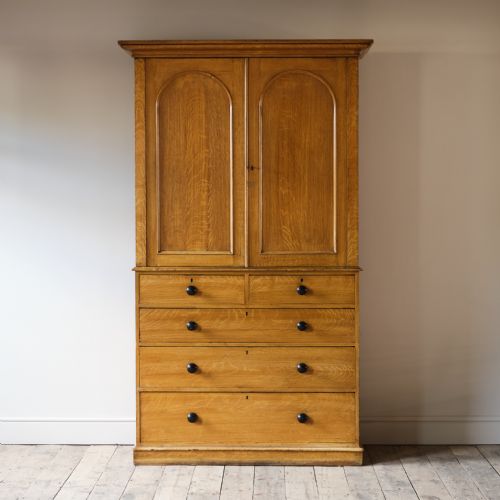
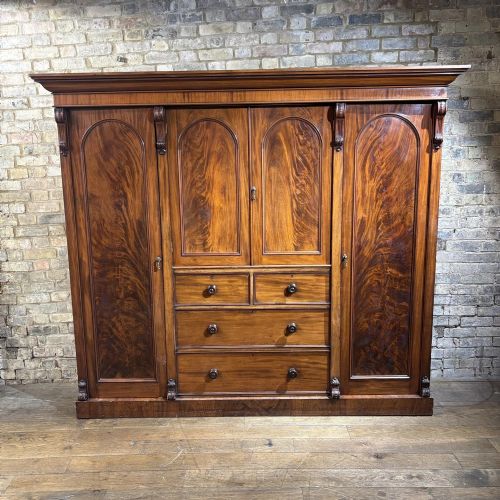


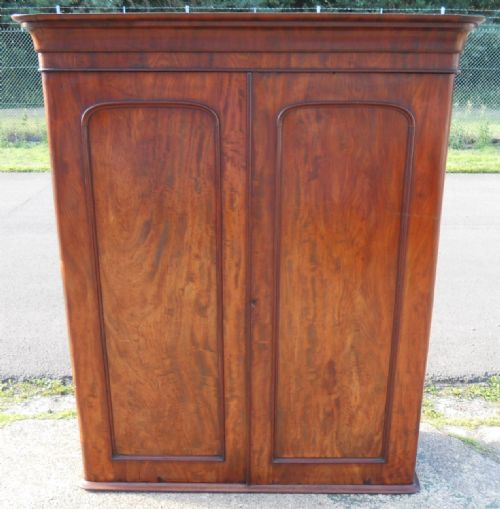
Arched Panel Wardrobe
An arched panel wardrobe brings architectural presence and deep hanging space into a bedroom, combining sturdy period timber with graceful curved doors.
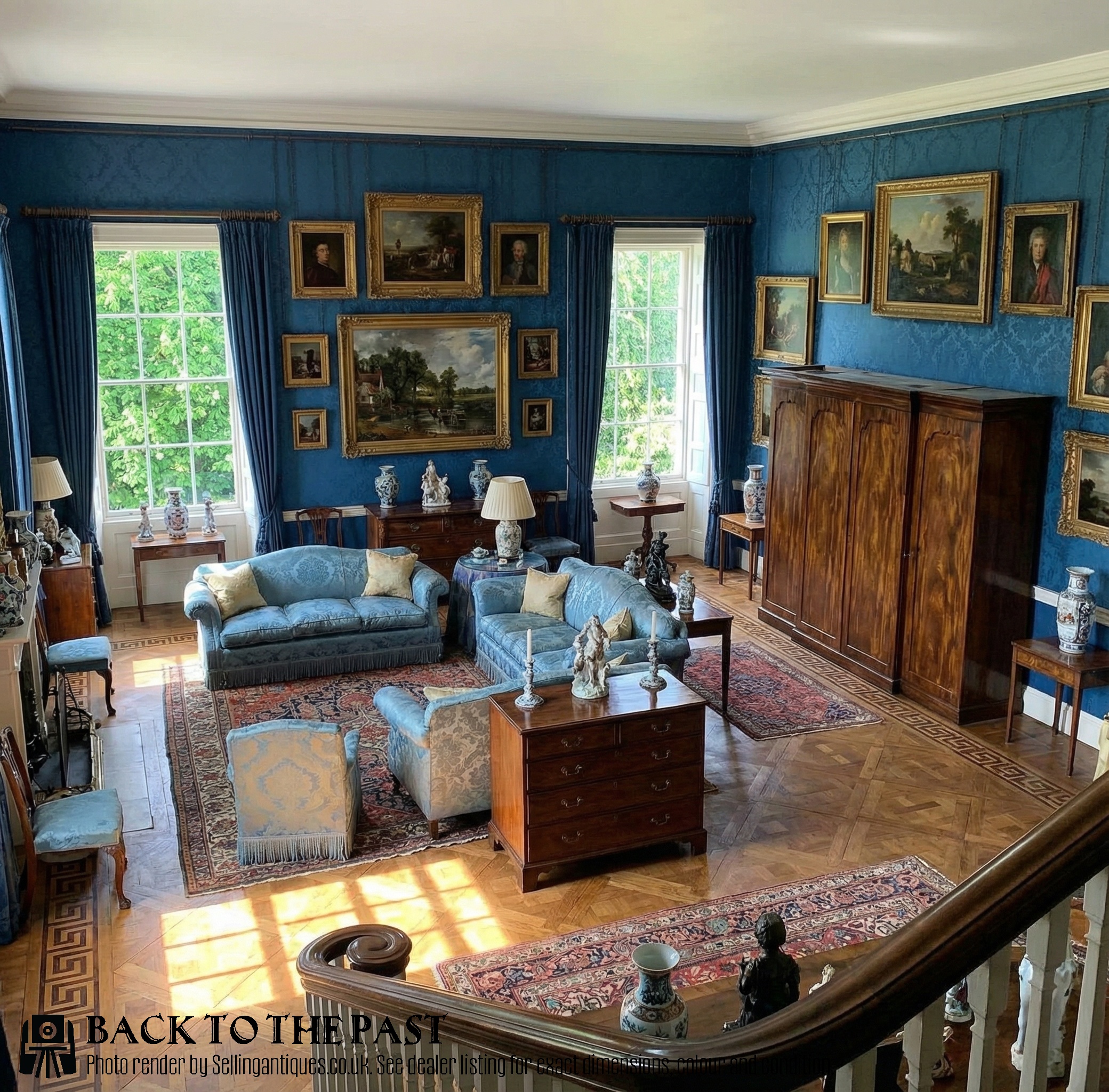
Arched Panel Wardrobe
When you search for an arched panel wardrobe, you encounter robust storage furniture built primarily during the eighteenth and nineteenth centuries in oak, mahogany, and pine. These pieces range from substantial breakfront hanging wardrobes to smaller linen presses and cupboards featuring distinctive curved wooden panels.
The versions most commonly met on this page span the Georgian and Victorian eras, reflecting both formal English country house design and regional vernacular traditions such as Welsh cabinet making. Pieces often double as linen presses or housekeeper cupboards, offering deep internal compartments alongside traditional hanging space.
Makers of these items utilised solid hardwoods and native softwoods, applying traditional joinery methods to create architectural doors that resisted warping. The inclusion of brass hardware and flame mahogany veneer on select examples demonstrates the shift from simple country utility to more polished domestic presentation.
Construction and materials
Cabinet makers constructed these wardrobes using seasoned timbers such as oak, mahogany, and pine, selected for their structural stability and grain pattern. Selected pieces feature decorative flame mahogany veneer applied to primary surfaces, framed by solid structural rails and stiles.
Panels were traditionally set into grooved frames to allow for natural wood movement without splitting the timber. Iron and brass hinges, locks, and handles secured the heavy doors, while internal peg rails and sliding shelves provided functional storage for garments and linens.
Judging quality and craftsmanship
Quality in these wardrobes is evident in the selection of timber and the precision of the panel framing. Superior pieces display harmonious grain matching across large surfaces and tight, hand-cut joints that remain stable over centuries of use.
The refinement of the mouldings and the depth of the carved or shaped arches distinguish standard utilitarian storage from finer architectural cabinet work. Original brass ironmongery and untouched surface finishes, whether early paint or polished mahogany, significantly elevate the integrity of a piece.
The Arched Panel Wardrobe Glossary
- Breakfront
- A cabinet design where the central section projects forward from the flanking outer sections. This configuration creates a strong architectural silhouette often seen in larger Georgian and Victorian wardrobes.
- Linen press
- A tall storage piece traditionally used for folding and storing household linens on internal sliding trays or shelves. Many examples incorporate hanging space alongside or beneath the press section.
- Vernacular
- Furniture built by regional craftsmen using local traditions and native timbers rather than following strict metropolitan fashion. Welsh vernacular pieces frequently display robust proportions and practical local adaptations.
- Flame mahogany veneer
- A thin layer of highly figured mahogany sliced from timber taken near the fork of the tree. It creates a distinctive feather-like grain pattern prized by cabinet makers for principal doors.
Arched Panel Wardrobe: Frequently Asked Questions
What is an arched panel wardrobe?
An arched panel wardrobe is a tall timber storage cabinet featuring doors constructed with curved upper panels. These pieces date primarily from the eighteenth and nineteenth centuries and provide substantial hanging or shelf space.
They combine practical domestic utility with traditional joinery, utilising woods such as oak, mahogany, and pine to create durable bedroom furniture.
How do I date an antique wardrobe?
Dating relies on examining the timber species, construction methods, and hardware style. Earlier pieces often display hand-sawn boards and pegged joinery, while Victorian examples may incorporate machine-planed timber and mass-produced brass fittings.
Stylistic cues, such as Georgian breakfront proportions or Victorian arched door designs, also help establish the likely period of manufacture.
Are these wardrobes knockdown for transport?
Certain nineteenth-century wardrobes were constructed as knockdown pieces designed to be dismantled into modular sections for easier moving and installation. This clever engineering utilised bolts or sliding joints concealed within the frame.
Buyers should check individual listings to confirm whether a specific wardrobe separates into manageable parts or remains a fixed, solid unit.
How should I care for antique timber?
Maintain antique wardrobes by keeping them away from direct heat sources and rapid humidity fluctuations that can cause wood to split or warp. Regular dusting with a soft cloth and occasional application of appropriate natural wax helps preserve the finish.
Avoid commercial silicone sprays and harsh chemical cleaners, which can permanently damage historic polish and original paint surfaces.