

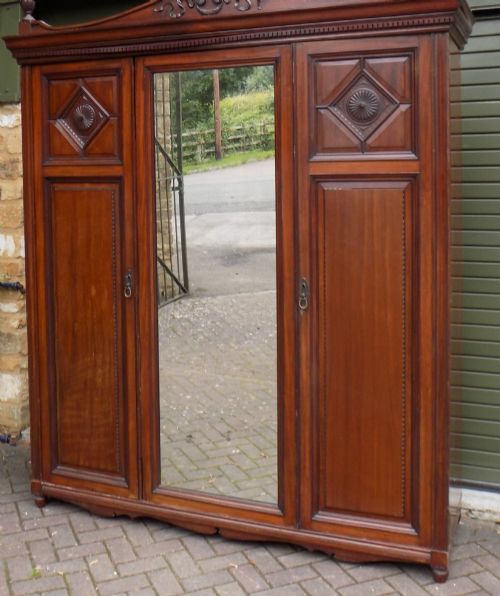
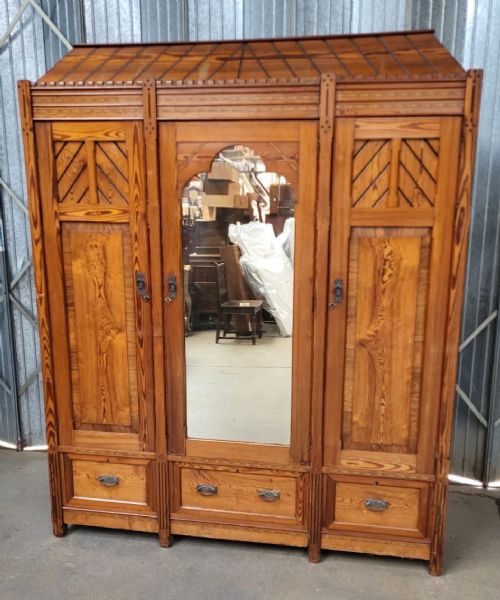
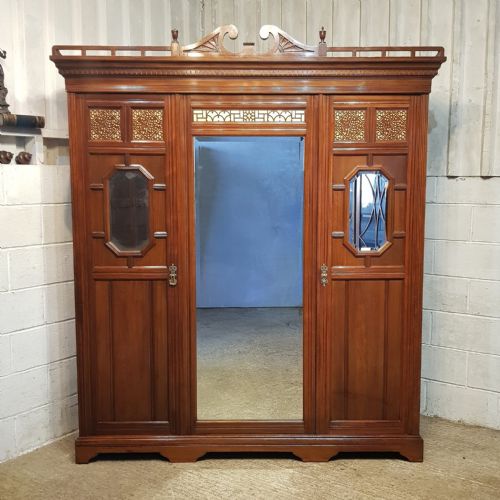


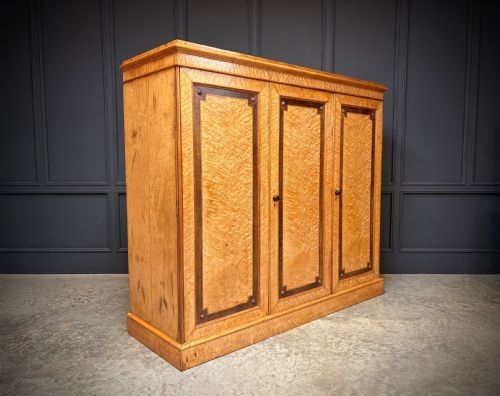


Victorian Triple Wardrobe
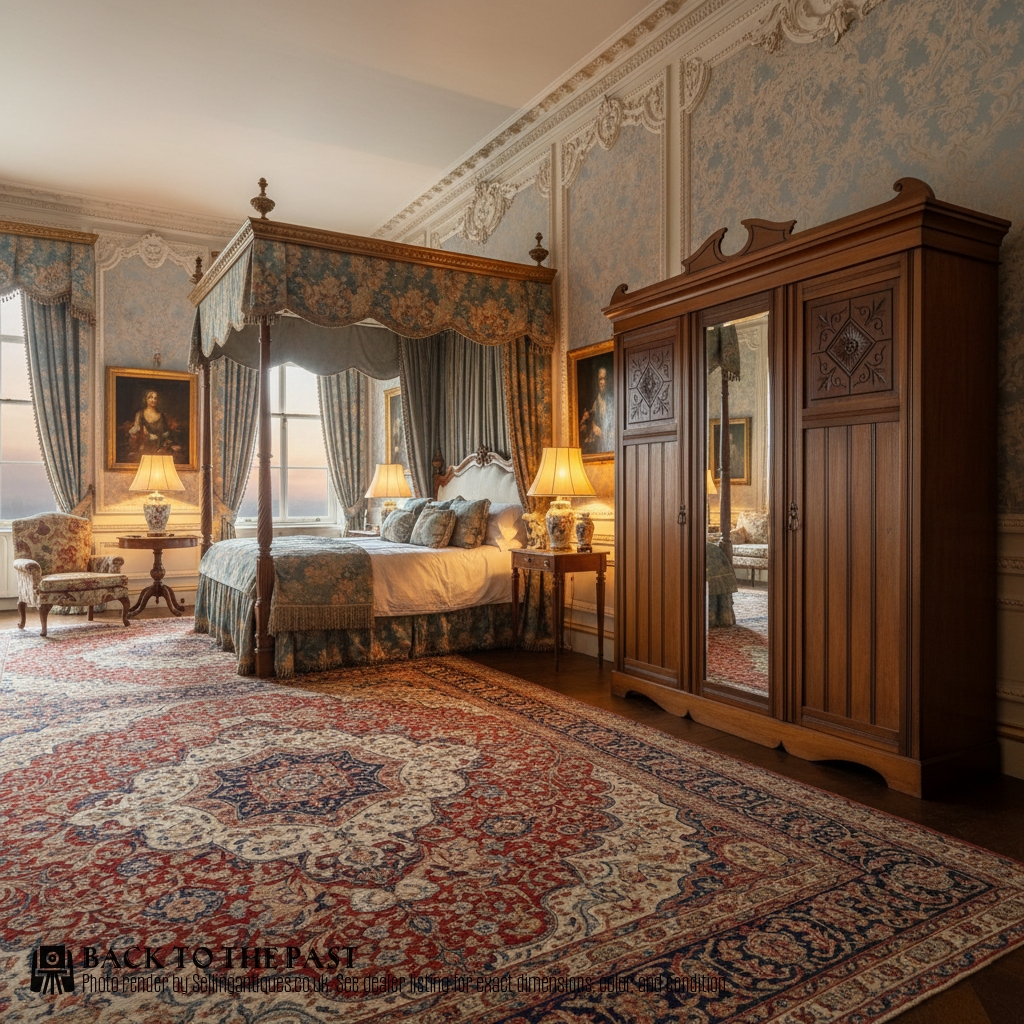
A victorian triple wardrobe provides substantial bedroom storage through a generous three-section timber frame.
Victorian Triple Wardrobe
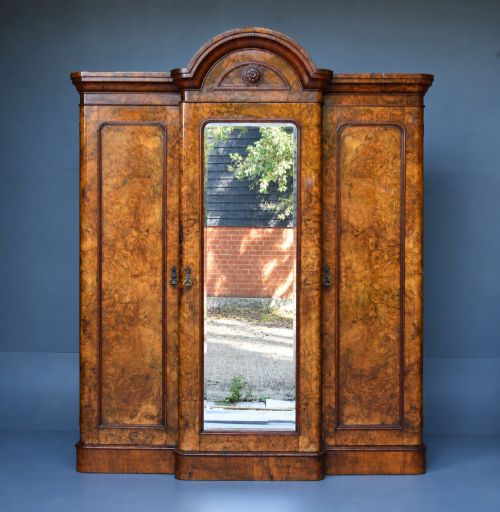
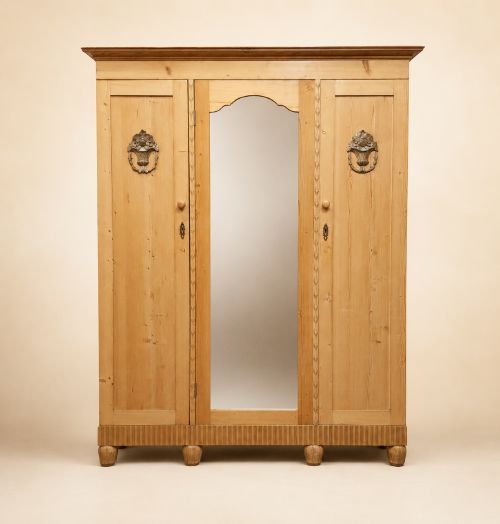
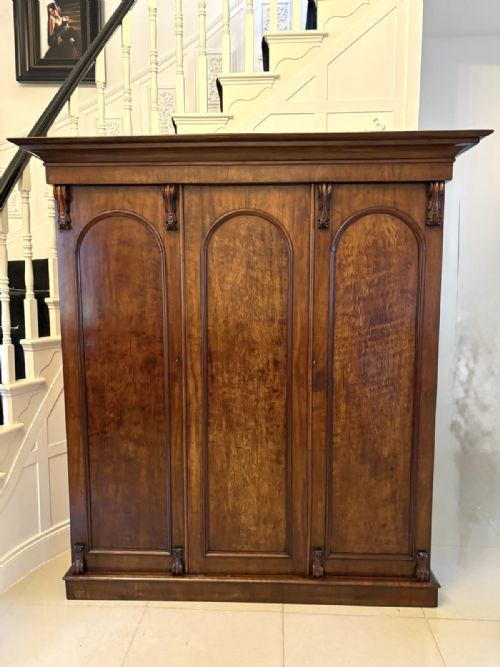
A victorian triple wardrobe offers a commanding presence in a bedroom, combining three vertical sections to accommodate extensive clothing storage. Most examples encountered here date from the nineteenth century, ranging from the early decades through to late Victorian production.
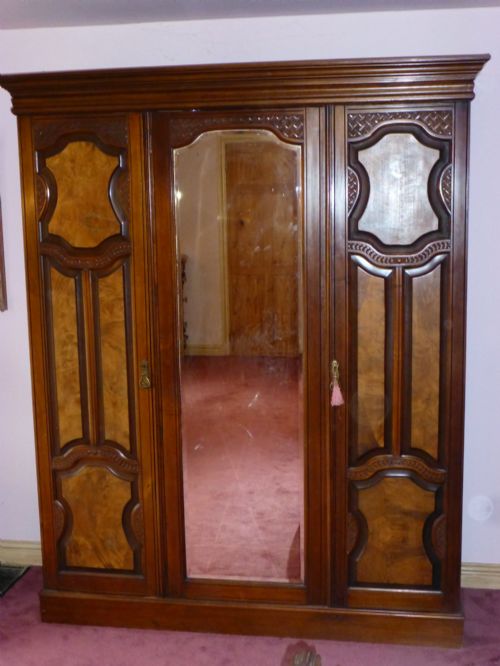
The central tower often houses sliding trays, drawers, or linen presses, flanked by full-length hanging compartments on either side. These large pieces arrive in various configurations, including compactum designs, breakfront silhouettes, and combinations with mirrored doors.
How they were made
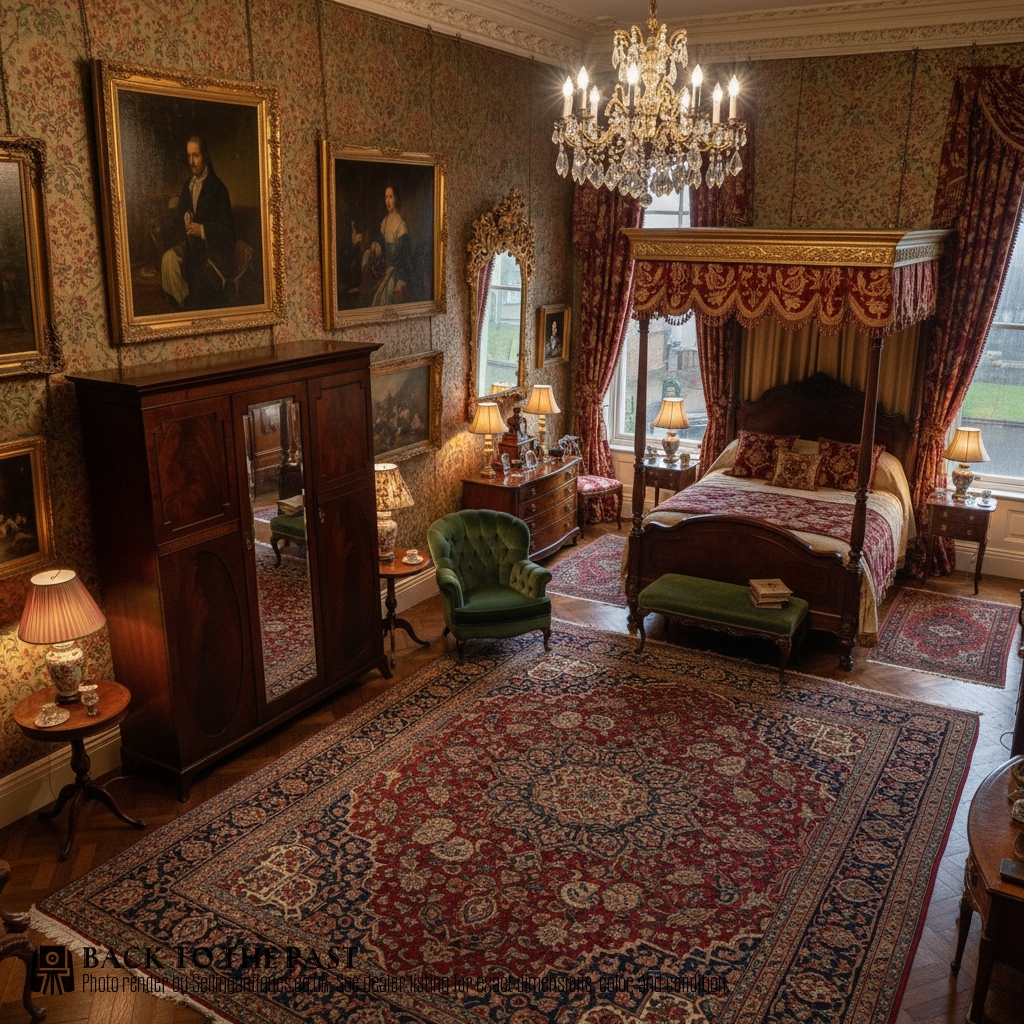
Cabinet makers utilised solid timbers alongside decorative veneers, relying heavily on mahogany, walnut, burr walnut, and pine. Timber panels receive careful matching for grain symmetry, particularly on the primary display doors.
Construction methods incorporated robust internal carcases designed to dismantle into modular components for transport. Brass hardware, inset mirrors, and carved wooden detailing completed the exterior finish.
Victorian Triple Wardrobe Retail Price Guide 2026
Typical asking prices for victorian triple wardrobe among the pieces listed under this phrase on Sellingantiques today, from the lower quarter to the upper quarter. They describe what is for sale here now, not the wider market.
Several examples retain their original mirrored doors, once used to reflect gaslight and brighten gloomy nineteenth-century dressing rooms.
What varies in quality
The distinction between standard utility pieces and finer examples rests in timber selection and decorative ambition. Elaborate figuration in burr walnut or flame mahogany, combined with hand-carved mouldings and inlaid marquetry, separates standard workshop production from superior cabinet work.
Interior configuration also dictates distinction, with fitted compactums featuring numerous internal drawers and sliding linen shelves representing higher manufacturing investment than simple hanging space.
Holland and Sons·H Ogden Manchester
The Victorian Triple Wardrobe Glossary
- Compactum
- A fitted wardrobe containing a combination of drawers, sliding trays, and hanging space within a single multi-door unit.
- Breakfront
- A cabinet design where the central section projects forward from the flanking outer doors, creating architectural depth.
- Burr walnut
- A decorative timber veneer harvested from the gnarled growth excrescences of walnut trees, displaying intricate swirling grain patterns.
- Sentry box
- A narrow, upright wardrobe compartment designed for single-item hanging, often found flanking central cupboard sections.
Victorian Triple Wardrobe: Frequently Asked Questions
Do these large wardrobes dismantle for moving?
Most examples separate into modular sections including a cornice, base, and individual vertical carcases. This construction allowed historical transport up winding staircases and through narrow bedroom doorways.
Buyers should confirm the specific dismantling method with each individual piece, as construction techniques vary between solid pine country pieces and refined burr walnut urban furniture.
What is the difference between a standard wardrobe and a compactum?
A standard wardrobe focuses primarily on vertical hanging space behind three full-length doors. A compactum integrates internal drawer stacks, sliding shelves, and smaller cupboard compartments alongside the hanging areas.
This fitted internal architecture provides designated storage for folded garments and linen without requiring separate chest furniture.
What timber types are most common?
Mahogany and walnut dominate the surviving nineteenth-century examples, frequently enhanced with burr walnut or flame mahogany veneers. Pine also appears regularly, often representing country house or utilitarian production.
More specialised pieces utilise satinwood, ash, pollard oak, or pitch pine reflecting late Victorian stylistic shifts.