

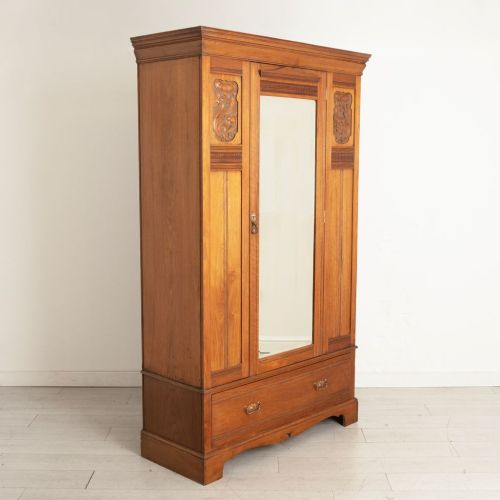
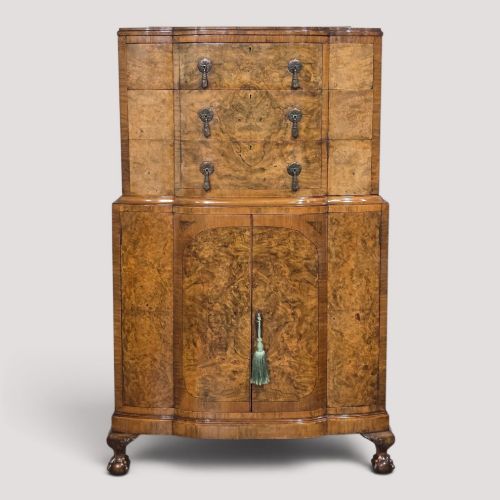
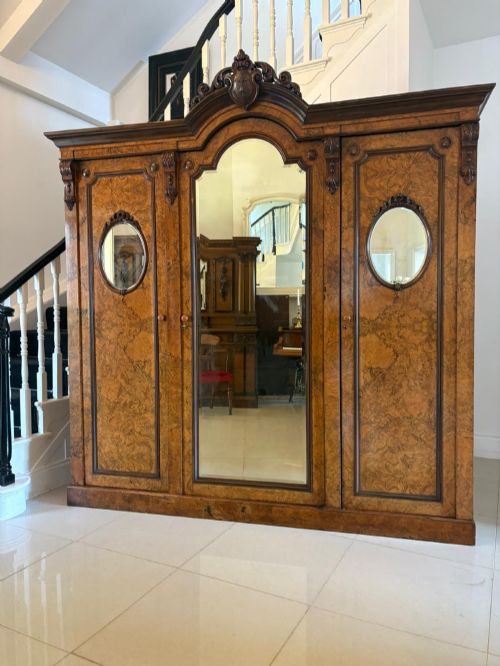
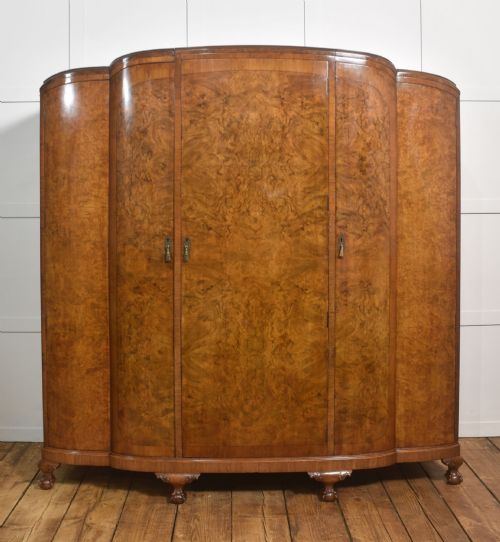

Brown Walnut Armoire
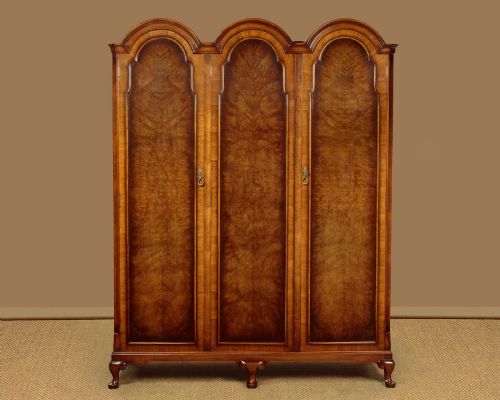
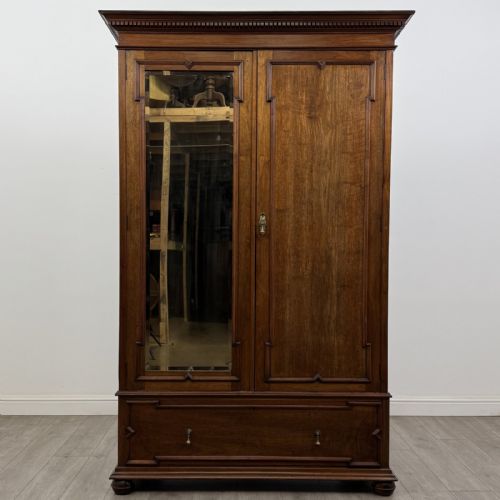
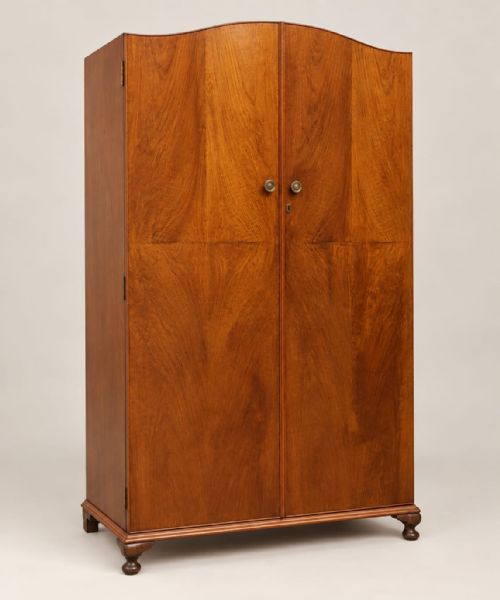
A brown walnut armoire is a substantial storage piece providing deep hanging and shelving space with warm, figured timber grain.
Brown Walnut Armoire
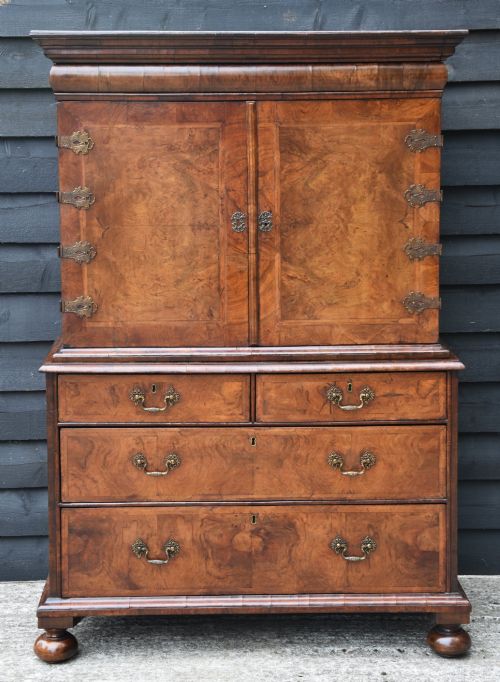
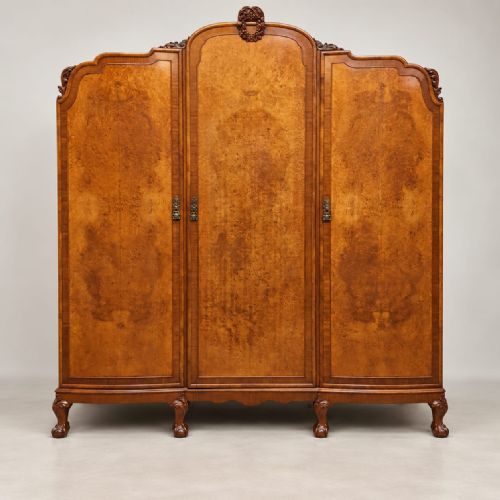
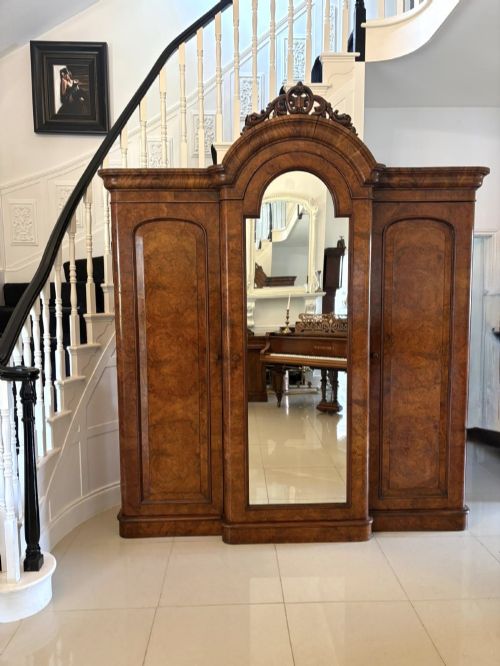
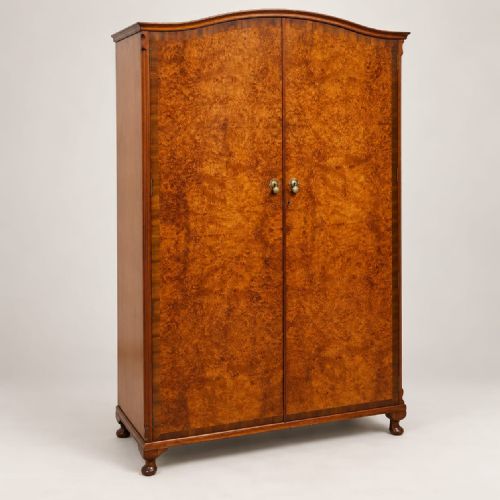
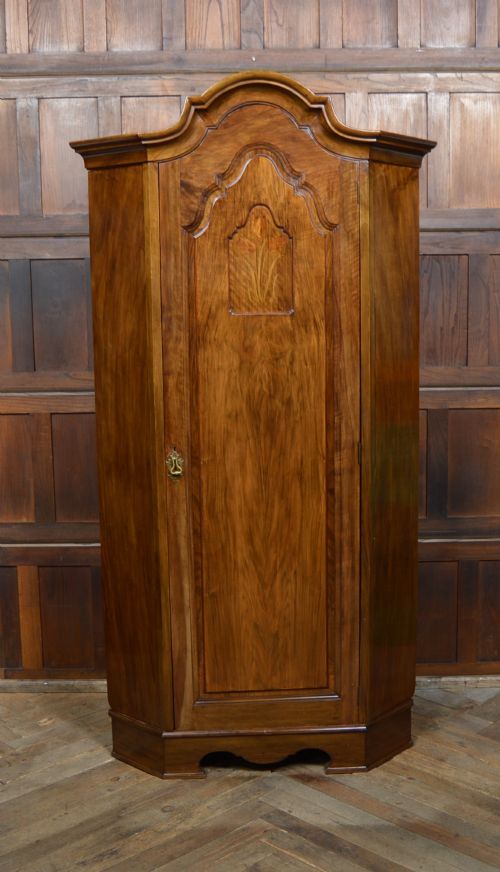
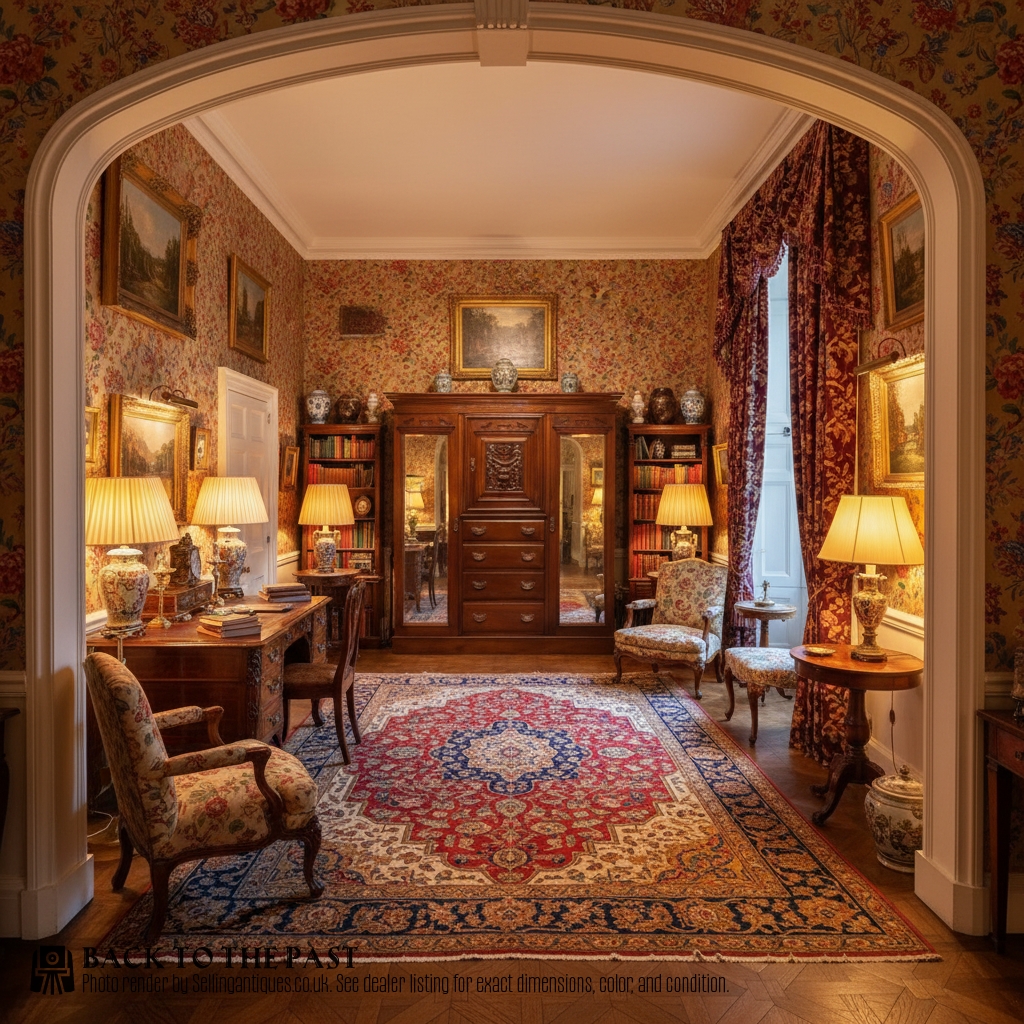
A brown walnut armoire encompasses large wardrobes, compactums, linen presses and cabinets designed for substantial household storage. These items emerge from various periods spanning the seventeenth century through the art deco era, showing styles such as Victorian, Edwardian, Dutch Baroque and Queen Anne Revival.
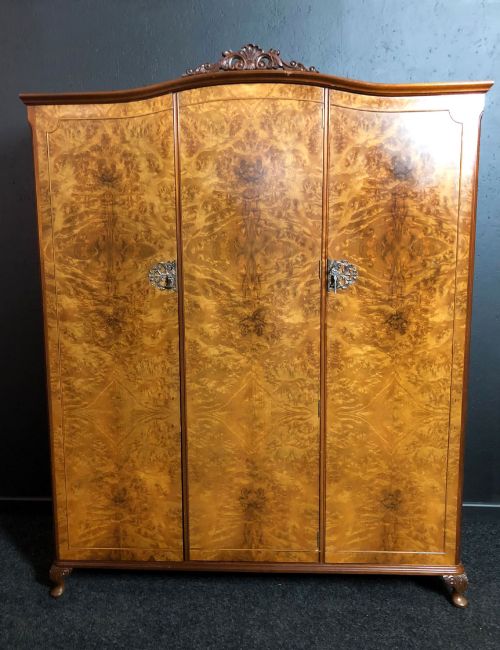
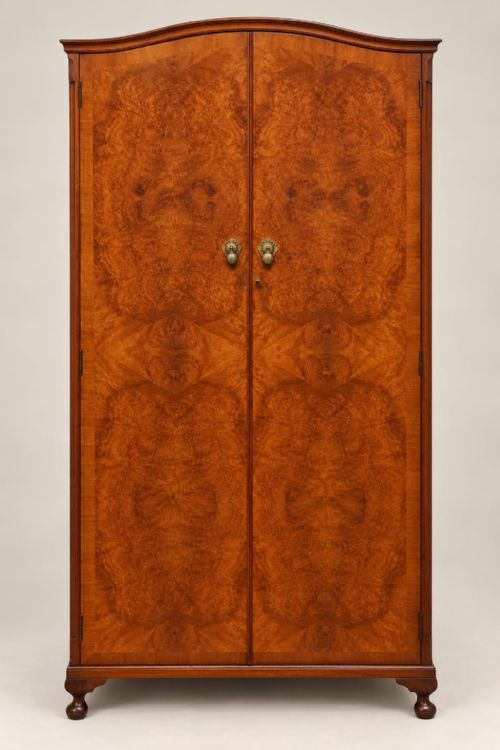
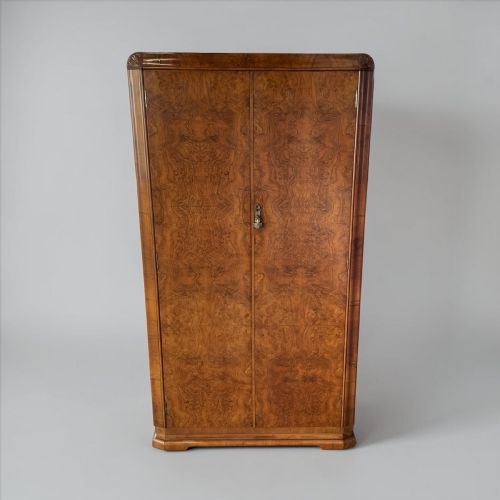
The version most likely to meet a buyer on this page is the nineteenth-century or twentieth-century wardrobe, frequently constructed from figured walnut or burr walnut veneer with panelled doors and fitted interiors.
What varies in quality
The selection of timber grain and veneer matching dictates the visual impact of the piece, particularly on large wardrobe doors where symmetry matters. Cabinet-making standards show in the weight of the timber, the integration of carved details, and the complexity of fitted internal compartments.
Proportion and execution define the distinction between standard utilitarian storage and exceptional cabinet work from periods like the seventeenth century or the Victorian era.
Brown Walnut Armoire Retail Price Guide 2026
Typical asking prices for brown walnut armoire among the pieces listed under this phrase on Sellingantiques today, from the lower quarter to the upper quarter. They describe what is for sale here now, not the wider market.
Listings span periods from the 17th century to the 1930s, featuring walnut, burr walnut veneer, oak, glass and brass.
Holland and Sons
The Brown Walnut Armoire Glossary
- Burr walnut
- A specialised timber cut from a walnut tree growth, prized for its swirling, highly figured grain pattern. Cabinet makers applied it as a veneer to accent principal surfaces.
- Compactum
- A multi-functional wardrobe combining hanging space, drawers and linen shelves within a single integrated unit. These pieces offer diverse internal organisation.
- Linen press
- An enclosed cabinet traditionally used for storing folded linen and textiles, often featuring sliding trays or drawers beneath upper cupboard doors.
- Marquetry
- Decorative inlay work using various wood veneers to create pictorial patterns or floral designs on furniture surfaces.
Brown Walnut Armoire: Frequently Asked Questions
What is a compactum wardrobe?
A compactum is a specialised wardrobe designed to maximise storage by incorporating hanging space, drawers, and sliding shelves into one unified cabinet. These multi-functional pieces provide varied internal organisation for diverse garments.
They appear in nineteenth-century and twentieth-century designs, offering a comprehensive storage solution within a single large footprint.
How do I care for walnut veneer?
Walnut veneer requires stable indoor humidity levels and protection from direct sunlight to prevent the timber from drying or fading. Regular dusting with a soft, dry cloth preserves the polished surface.
Avoid placing these cabinets near heat sources or damp areas, as fluctuating conditions can cause veneer to lift from the underlying carcase.
Are these armoires easy to dismantle?
Many large nineteenth-century and twentieth-century wardrobes and armoires were constructed with sectional or knock-down carcases to allow for transport between rooms. Cornices, bases, and sides often bolt together independently.
Buyers should examine the internal construction methods to determine whether professional assembly is required upon delivery.
What is the difference between a press and a wardrobe?
A wardrobe is primarily designed for hanging garments vertically on rails, utilising full-length vertical doors. A linen press focuses on horizontal storage through internal sliding trays, shelves, or shallow drawers.
Press cupboards frequently position these shelving compartments above a chest of base drawers for folded textiles.