
Victorian Clothes Press
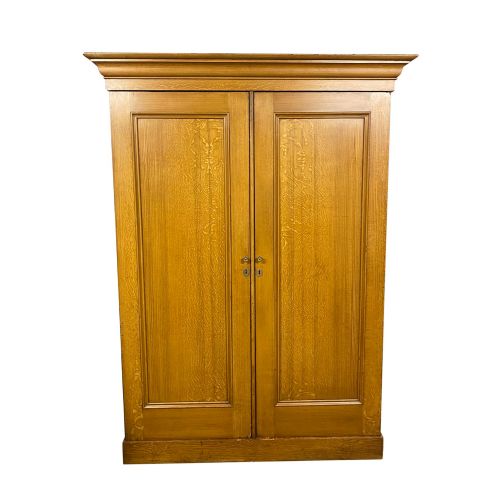
A victorian clothes press combines deep interior hanging space and sliding linen trays behind substantial panelled doors.
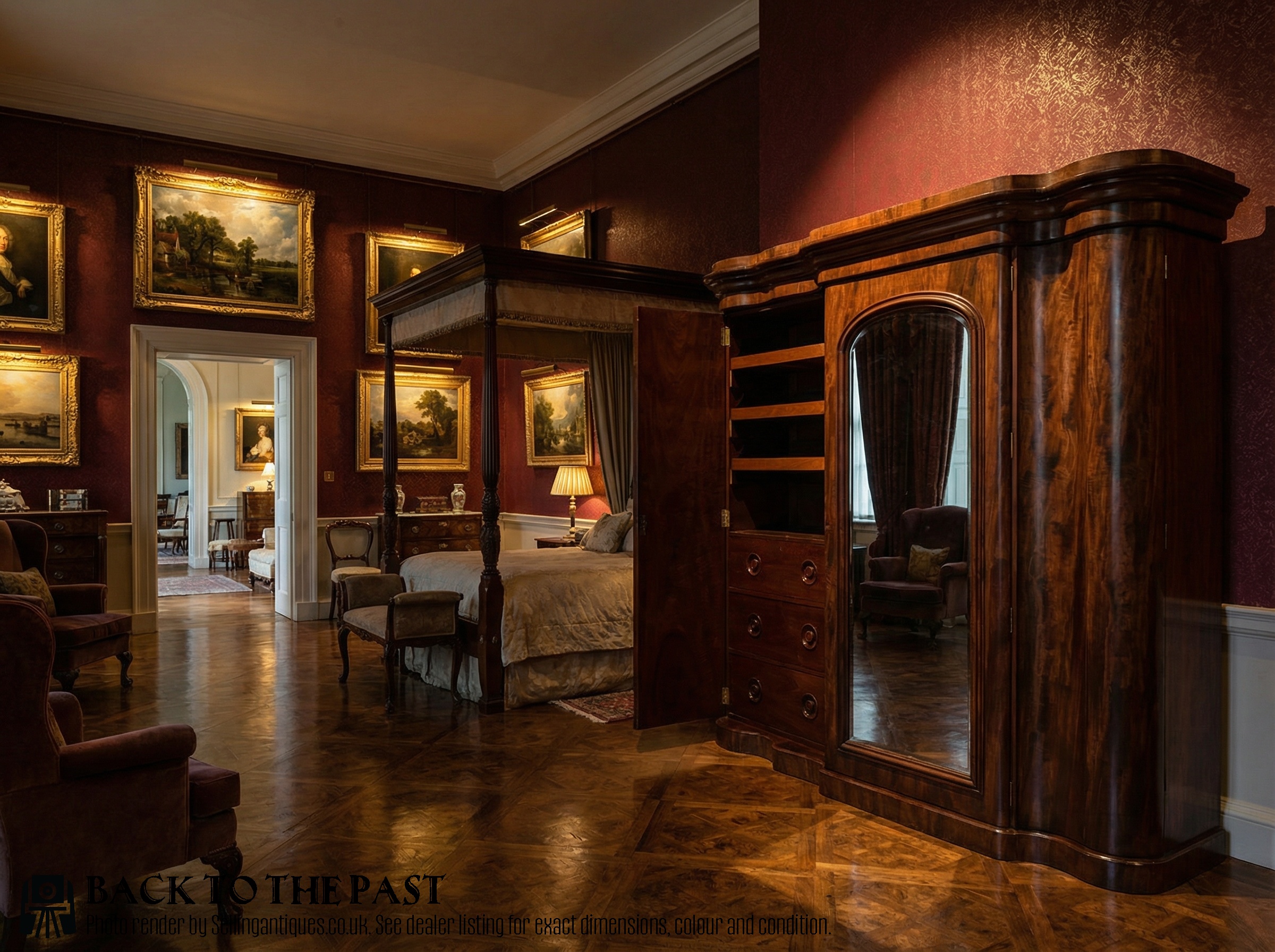
Victorian Clothes Press
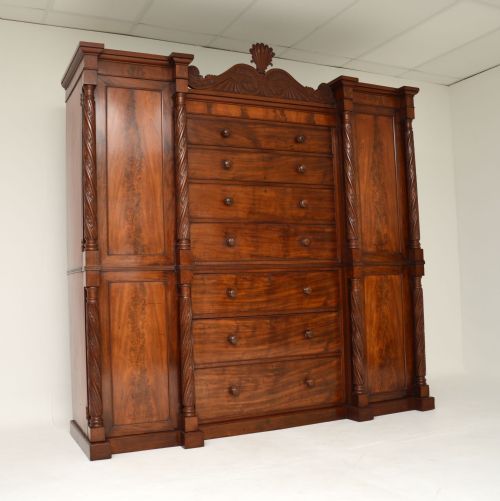
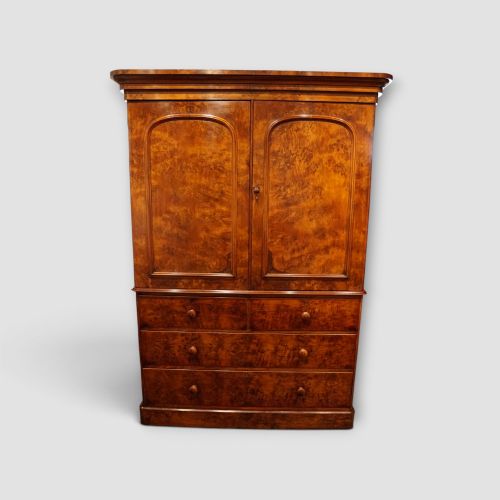
When searching for a victorian clothes press, buyers encounter robust storage furniture designed to organise formal attire and household linens. These substantial pieces unite the upper storage compartments of traditional linen presses with the wardrobe capacity required by nineteenth-century households.
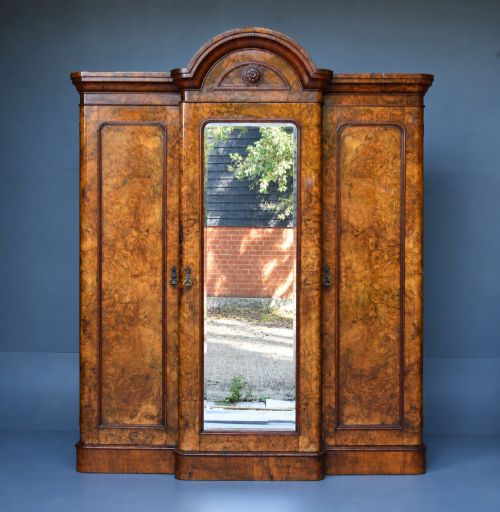
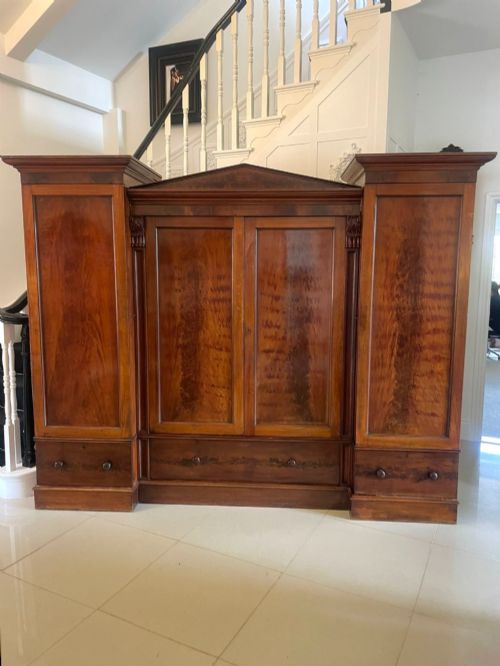
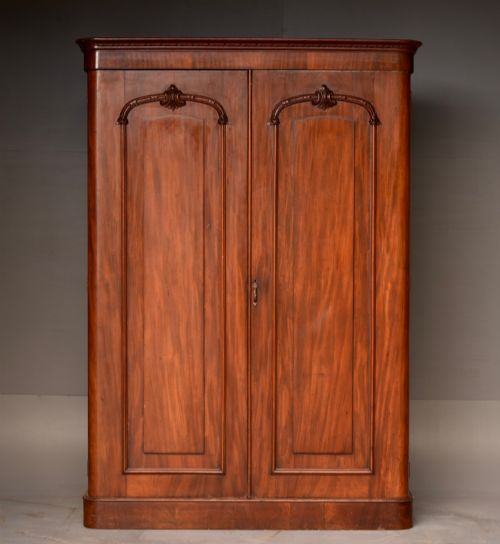
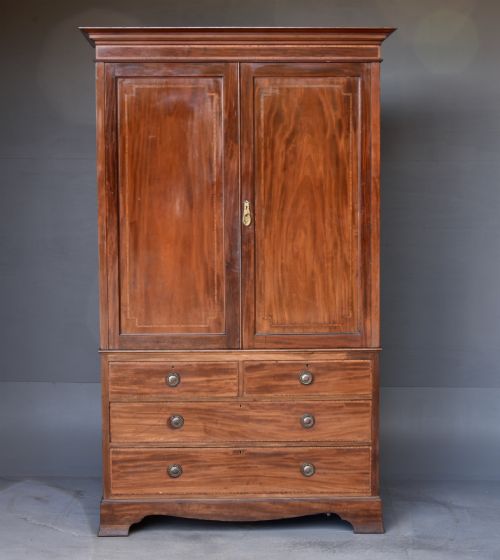
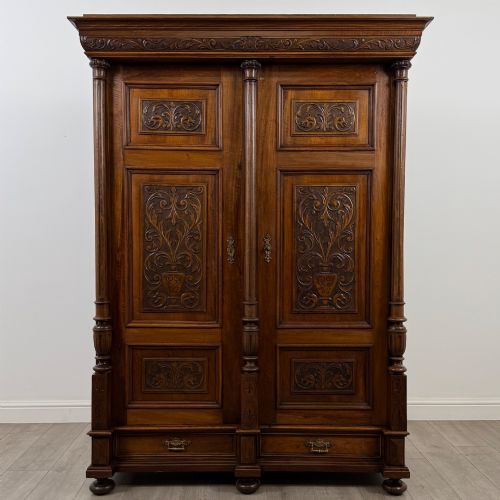
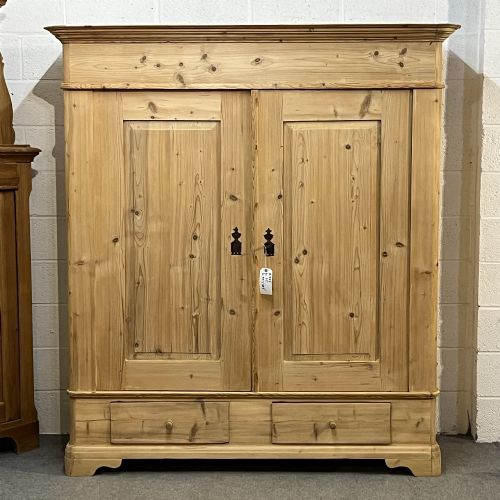
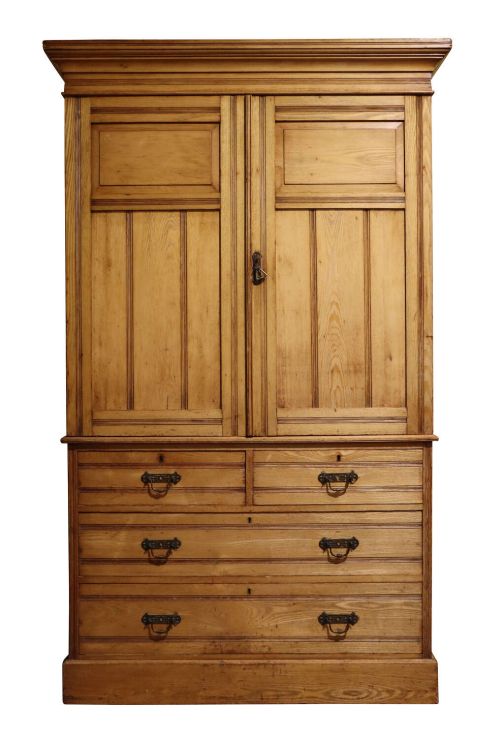
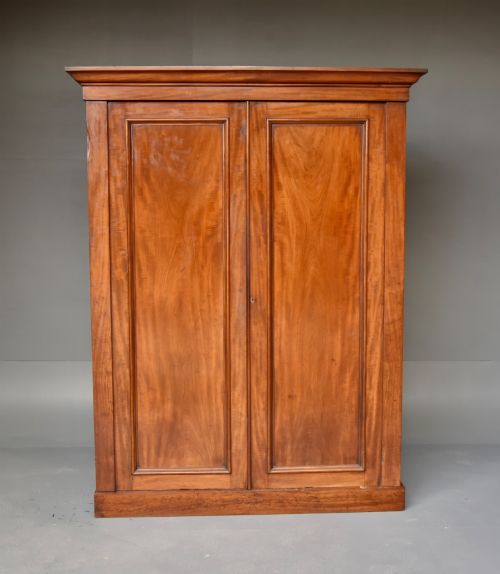
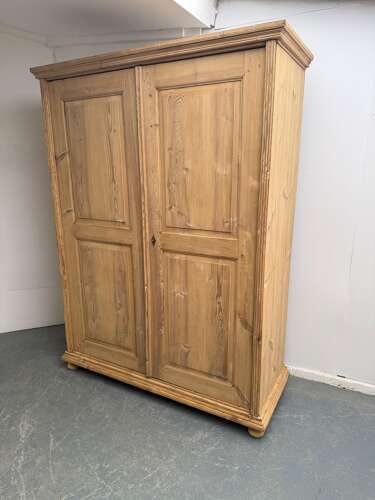
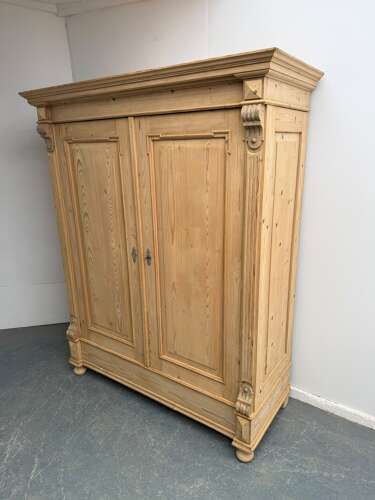
The versions most commonly met on this page span the Victorian and Edwardian eras, constructed in forms ranging from compact single doors to expansive multi-door compactums. Oak, mahogany, and pine dominate the surviving inventory, frequently paired with internal sliding trays or banks of graduated drawers.
How they were made
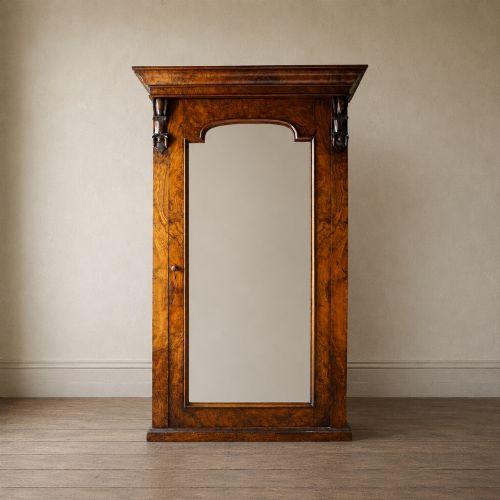
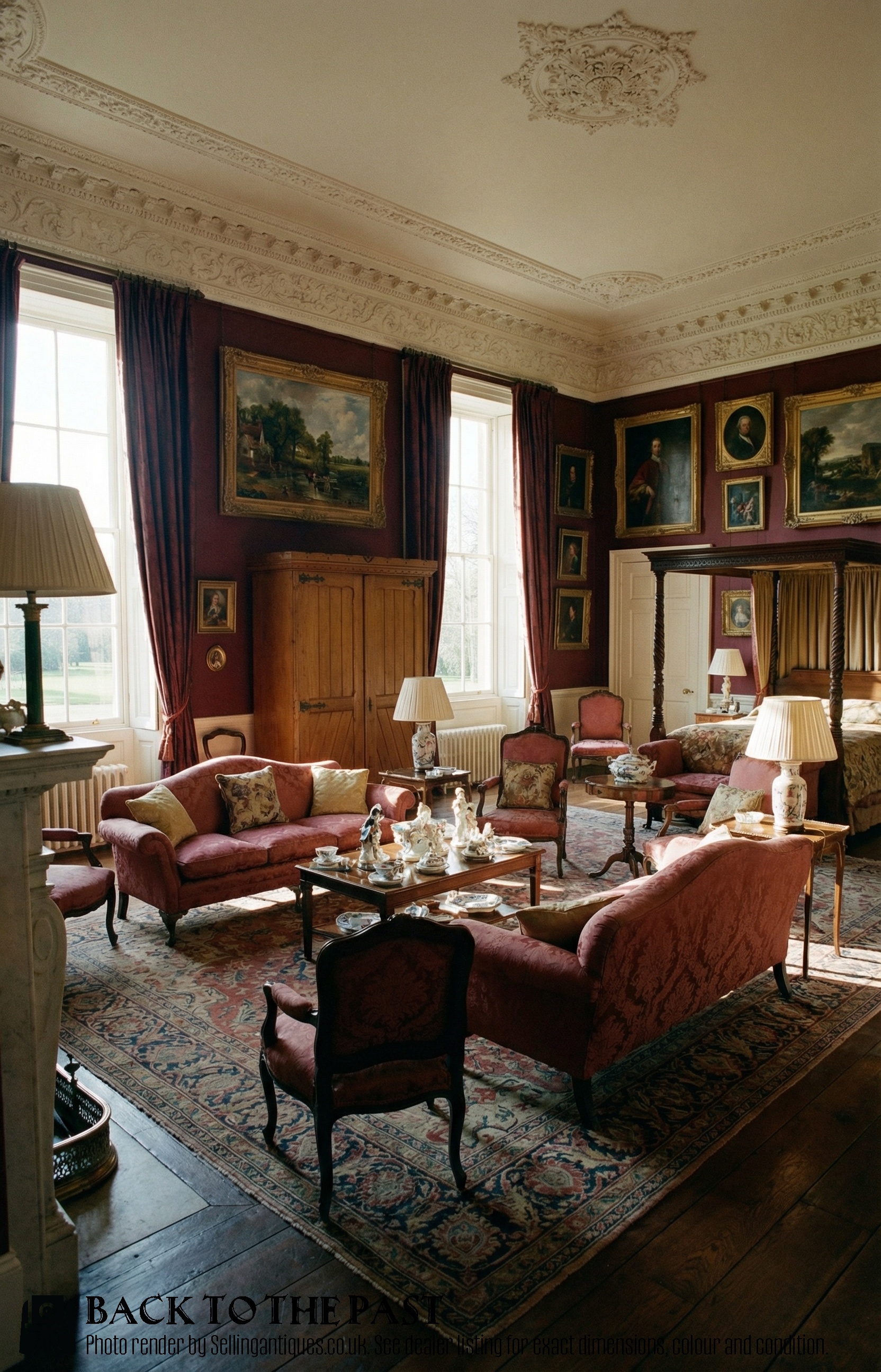
Cabinet makers utilised dense hardwoods such as mahogany and walnut for formal rooms, often selecting figured veneers and flame mahogany to display rich grain patterns across wide doors. Secondary timbers like pine provided sturdy framing for internal components and knockdown carcases designed for easier transport.
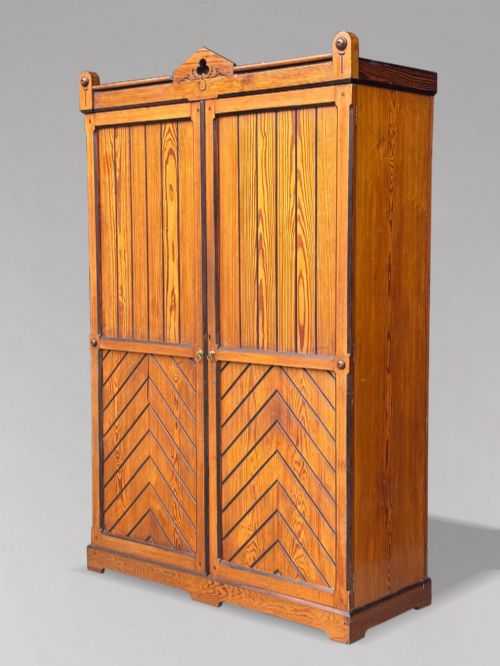
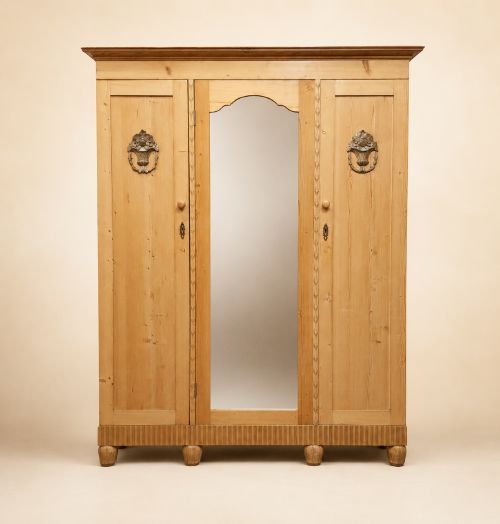
Surface treatments included hand-polished wax finishes, ebonised detailing, and occasionally scumble faux oak paintwork applied to pine. Brass hardware, mirrored glass door panels, and blind fretwork cornices completed the construction of these heavy storage pieces.
Victorian Clothes Press Retail Price Guide 2026
Typical asking prices for victorian clothes press among the pieces listed under this phrase on Sellingantiques today, from the lower quarter to the upper quarter. They describe what is for sale here now, not the wider market.
Listings feature woods ranging from dense mahogany and burr walnut to practical pine and ash.
What varies in quality
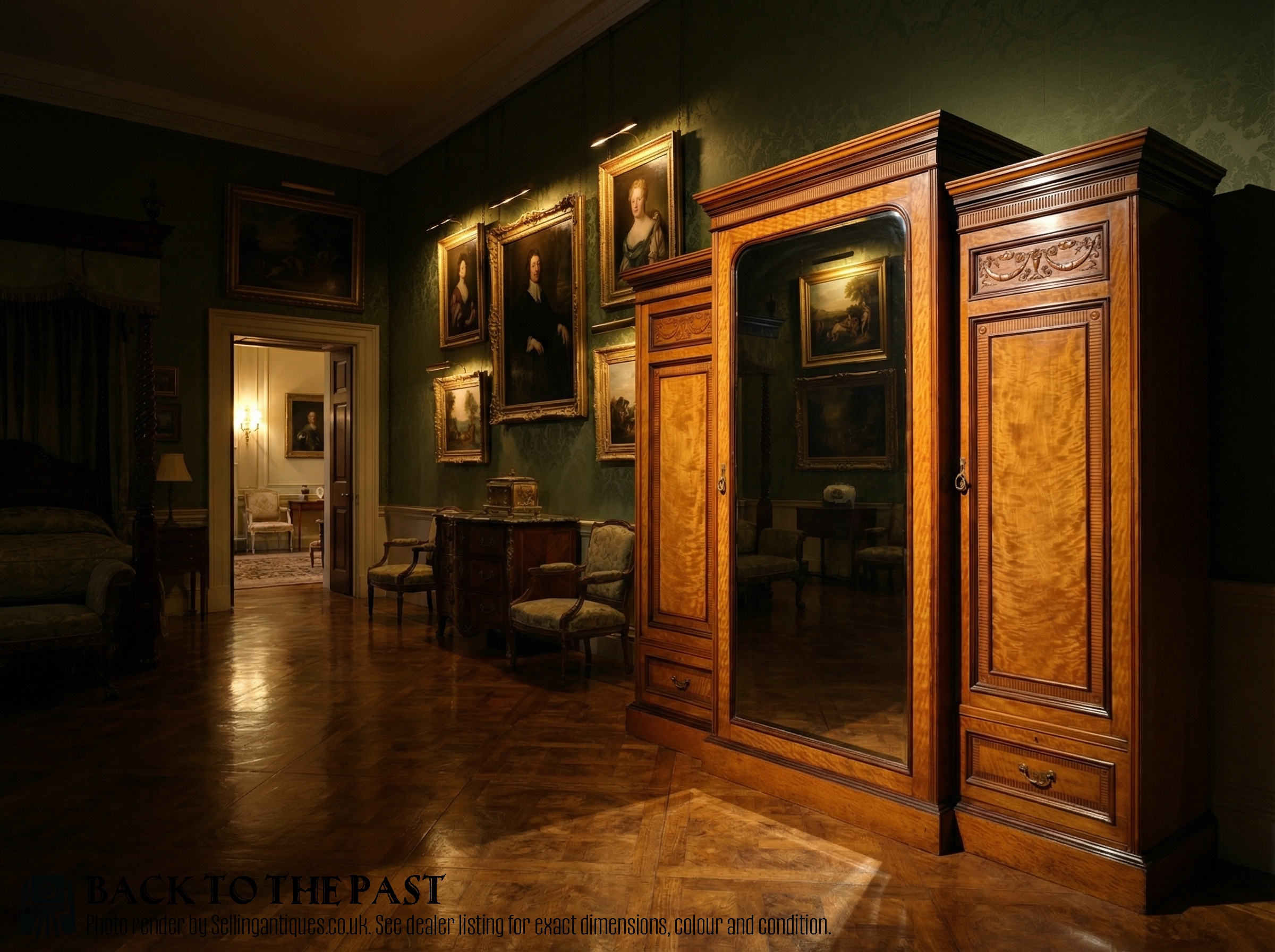
The distinction between standard utility furniture and exceptional examples lies in the selection of cabinet timbers and the refinement of internal joinery. Master workshops employed symmetrical burr veneers and integrated complex configuration layouts featuring linen slides above deep drawer bases.
Structural integrity and original elements heavily influence the standing of an individual piece. Retained internal trays, smooth-running drawers, and minimal alteration to the original carcase denote superior execution by skilled makers.
maples & co·Gillows·S & H Jewell
The Victorian Clothes Press Glossary
- Compactum
- A multi-compartment wardrobe combining hanging space, shelves, and internal drawers within a single unified carcase.
- Linen press
- A tall storage piece traditionally housing sliding trays in the upper section for folded textiles, positioned above external base drawers.
- Knockdown
- Furniture constructed with pegged or bolt-together joints allowing the main wardrobe sections to be dismantled for movement.
- Blind fretwork
- Carved decorative patterning applied directly to a flat wooden surface without piercing all the way through the material.
- Scumble
- A decorative paint technique used to imitate the grain and colour of more expensive hardwoods like oak upon simpler base woods.
Victorian Clothes Press: Frequently Asked Questions
How do I assemble a knockdown wardrobe?
Knockdown wardrobes utilise internal bolts or wooden pegs to secure the heavy cornice, sides, and base together without permanent glue joints. Careful alignment of these original numbered or matched joints ensures the carcase remains square during assembly.
Working with a helper is essential due to the weight of solid mahogany or pine panels. Once the main frame is secured, sliding the backboards into their grooves restores rigidity before hanging the heavy doors.
What is the difference between a press and a wardrobe?
A traditional press incorporates horizontal sliding trays or shelves behind its upper cabinet doors, designed specifically for storing folded garments and household linens. Wardrobes focus primarily on vertical hanging space for coats and dresses.
Many nineteenth-century examples merge these functions into a hybrid form known as a compactum. These combined pieces provide both hanging rails and tray storage alongside banks of internal drawers.
Will these large pieces fit in modern bedrooms?
Nineteenth-century storage furniture is built to substantial proportions, often exceeding standard ceiling heights or narrow doorway clearances. Measuring both the room and the maximum assembled dimensions is vital before acquiring a piece.
Knockdown variants offer a practical advantage because they separate into manageable flat sections for transit and installation. Fixed carcase pieces require careful verification of stairwells and turning space prior to delivery.
How should I care for antique timber surfaces?
Polished mahogany and walnut surfaces respond best to occasional applications of traditional beeswax rather than modern liquid silicones. Regular dusting with a soft, dry cloth prevents particulate build-up from dulling the grain.
Keeping these wooden pieces away from direct heat sources and strong sunlight prevents the timber from drying out and the veneer from lifting. Maintaining stable room humidity preserves both the finish and the structural joinery.