


Vintage Clothes Closet
A vintage clothes closet provides stately bedroom storage, bringing striking grain patterns and grand architectural presence into the modern home.
Vintage Clothes Closet
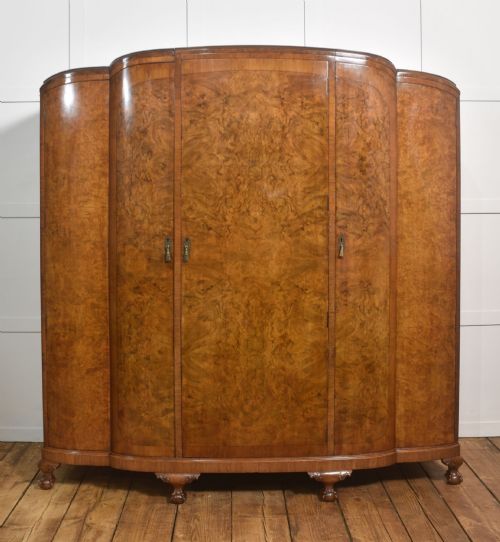
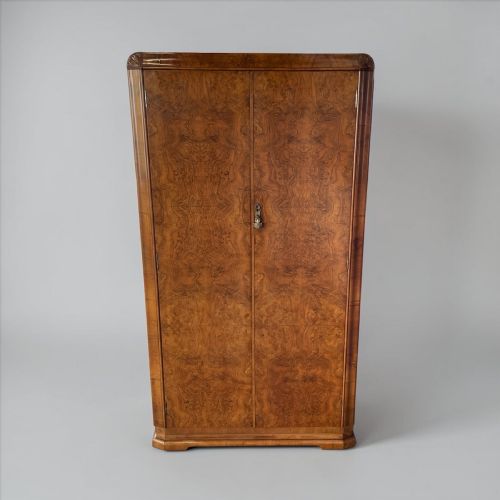
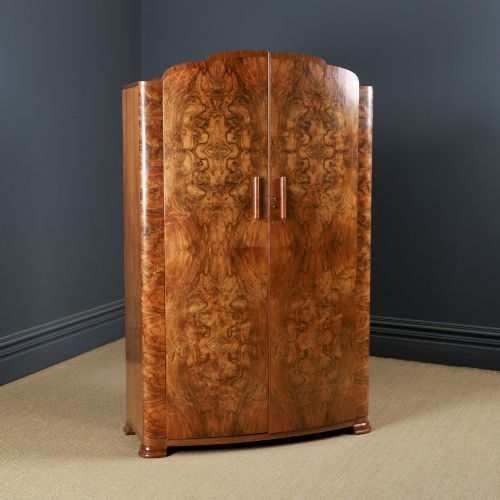
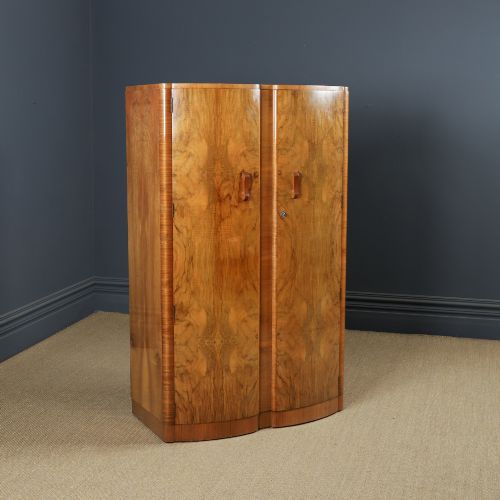
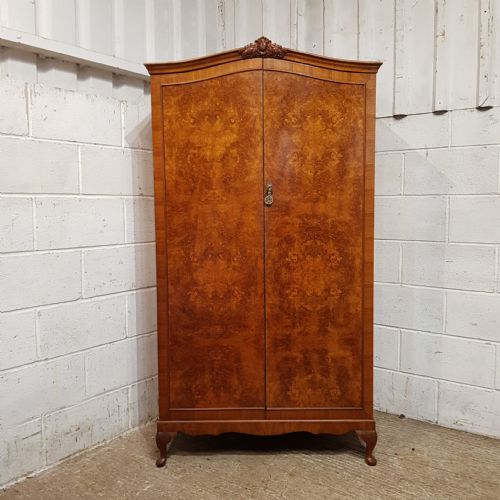
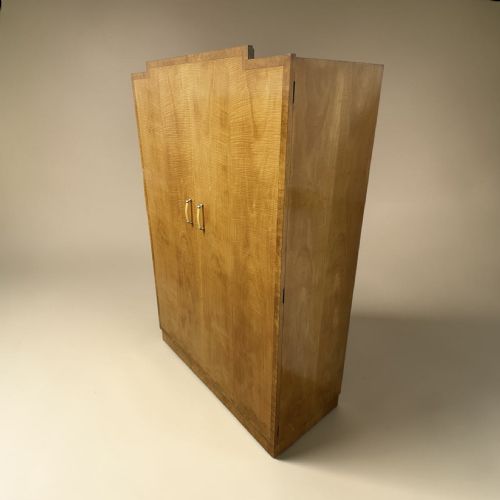
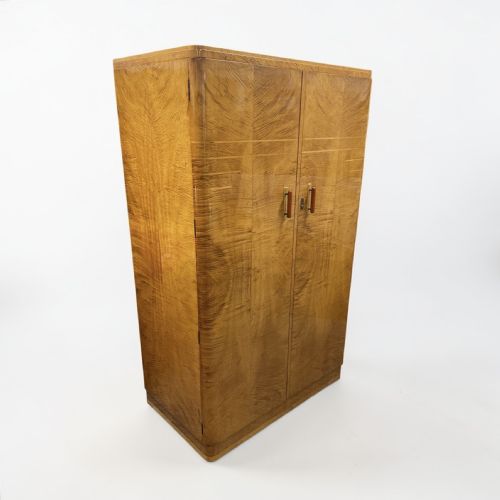
A vintage clothes closet encompasses substantial freestanding wardrobes and armoires designed to organise garments across multiple decades of domestic life. When searching for a vintage clothes closet, buyers encounter diverse forms ranging from streamlined Art Deco models to robust French provincial armoires and Georgian double wardrobes.
The pieces appearing on this page span several distinct periods, with Art Deco examples from the 1920s and 1930s sharing space with Edwardian, Georgian, and nineteenth-century designs. Most options lean towards large-scale storage solutions featuring fitted interiors, hanging space, and occasionally serpentine or bow front configurations.
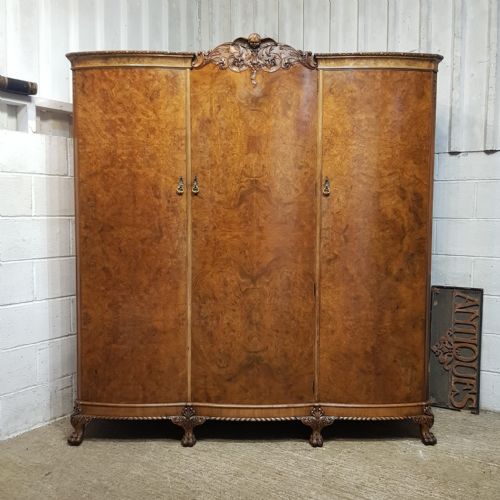
Makers and regional styles introduce significant variety, uniting English figured walnut work with French bleached oak and Dutch marquetry. Buyers frequently select these wardrobes to anchor a bedroom scheme, relying on their internal depth and imposing exterior presence.
What varies in quality
Quality rests principally on the choice of timber and the sophistication of the veneer work, where figured burr walnut and intricate marquetry denote superior craftsmanship. The architectural ambition of the design, such as breakfront facades, serpentine shaping, and bow front construction, further separates standard production from exceptional pieces.
Internal fitting sophistication distinguishes the better examples, particularly those retaining original fitted compartments, specialised shelving, and integrated hanging arrangements. The integration of quality hardware, from brass detailing to robust locking mechanisms, marks the distinction between utilitarian storage and high-end cabinet making.
Vintage Clothes Closet Retail Price Guide 2026
Typical asking prices for vintage clothes closet among the pieces listed under this phrase on Sellingantiques today, from the lower quarter to the upper quarter. They describe what is for sale here now, not the wider market.
Listings feature multiple periods, including 1800, Georgian, 19th Century, Edwardian, 1910, 1920, and 1930.
Jean Faure·Harry and Lou Epstein
The Vintage Clothes Closet Glossary
- Armoire
- A tall cupboard or wardrobe, typically featuring doors that open to reveal hanging space or shelving. These pieces often originate from continental Europe and display pronounced regional carving.
- Burr walnut
- A prized timber harvested from the gnarled growths of walnut trees, yielding swirling, highly decorative grain patterns. Cabinet makers apply it as a veneer to grand facades.
- Breakfront
- A piece of furniture whose central section projects forward from the flanking wings. This configuration adds architectural depth and presence to large wardrobes.
- Marquetry
- The art of applying small pieces of veneer to a structure to form decorative patterns or pictures. Dutch makers frequently employed this technique on historic robes.
- Serpentine front
- A furniture front characterised by a wavy contour, curving convexly in the centre and concavely at the sides. This sophisticated shape demands precise carpentry.
Vintage Clothes Closet: Frequently Asked Questions
How do I fit a vintage clothes closet into a modern bedroom?
Measure your ceiling height and floor space carefully before selecting a piece, as these wardrobes often possess generous proportions and heavy cornices. Ensure clearance for doors to open fully, particularly if the interior includes pull-out trays or fitted drawers.
Position the wardrobe away from direct heat sources and strong sunlight to protect delicate walnut veneers and polished hardwood surfaces from drying out or fading over time.
What is the difference between an armoire and a wardrobe?
Traditionally, an armoire refers to a continental European standing cupboard with deep roots in French and Dutch cabinet making, often featuring ornate carvings and painted finishes. Wardrobes typically describe English forms developed during the eighteenth and nineteenth centuries to house hanging garments.
In modern usage, the terms overlap significantly, though continental pieces frequently retain distinct regional stylistic touches like bleached oak finishes and brass hardware.
How do I care for burr walnut veneer?
Maintain the timber by dusting regularly with a soft, dry cloth and applying a specialist furniture wax sparingly to nourish the grain. Avoid using modern aerosol polishes, which can build up a cloudy residue over the polished finish.
Keep the room at a stable humidity level to prevent the wood beneath the veneer from expanding or contracting, which can cause lifting along the edges.
Can these wardrobes be dismantled for transport?
Many large wardrobes and armoires from the nineteenth and twentieth centuries were constructed with knockdown carcases or removable cornices and doors to facilitate moving. However, construction methods vary widely between Georgian, Edwardian, and Art Deco pieces, so check the construction details before attempting disassembly.
Enlist professional furniture movers experienced in handling antique cabinetry to ensure heavy mirrored doors and veneered panels are protected during transit.