
Brown Wooden Wardrobe
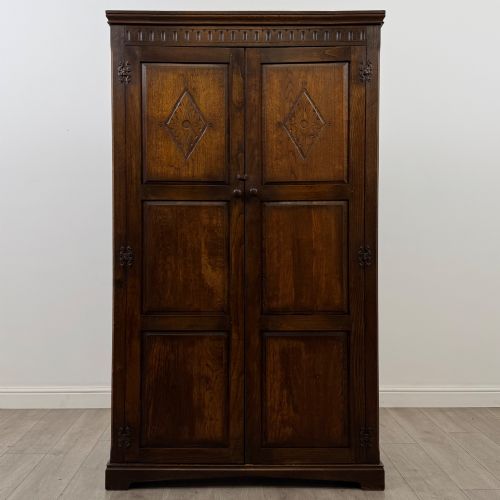
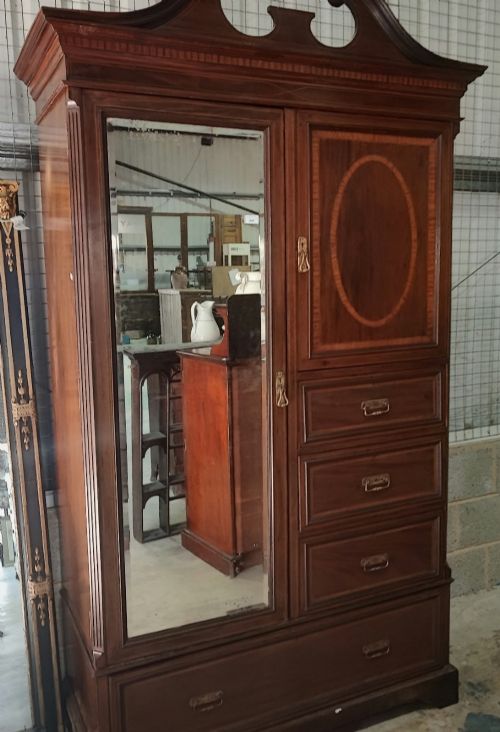
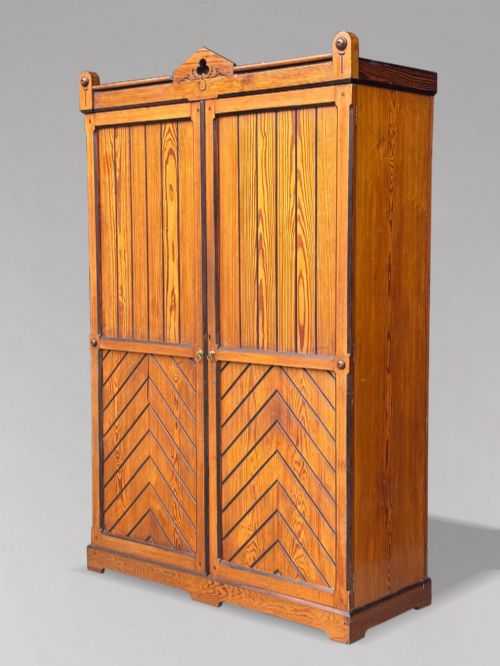
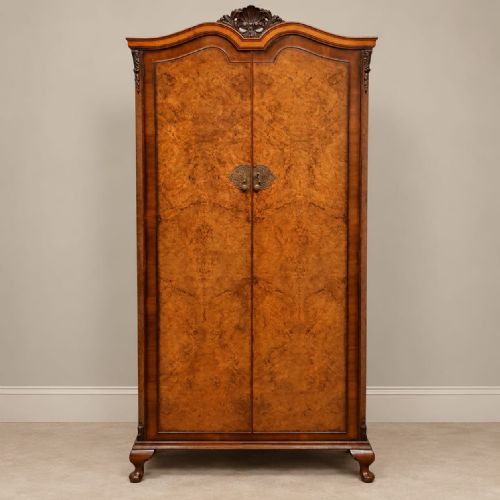
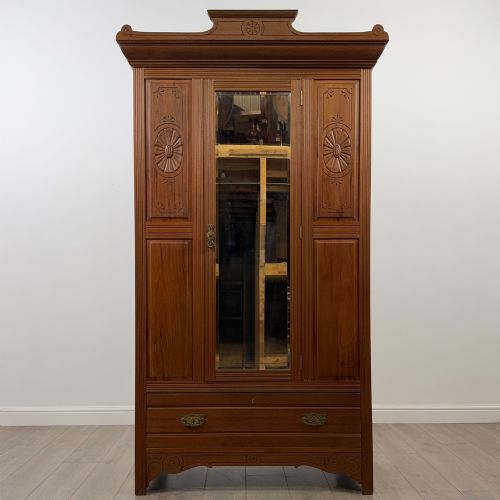
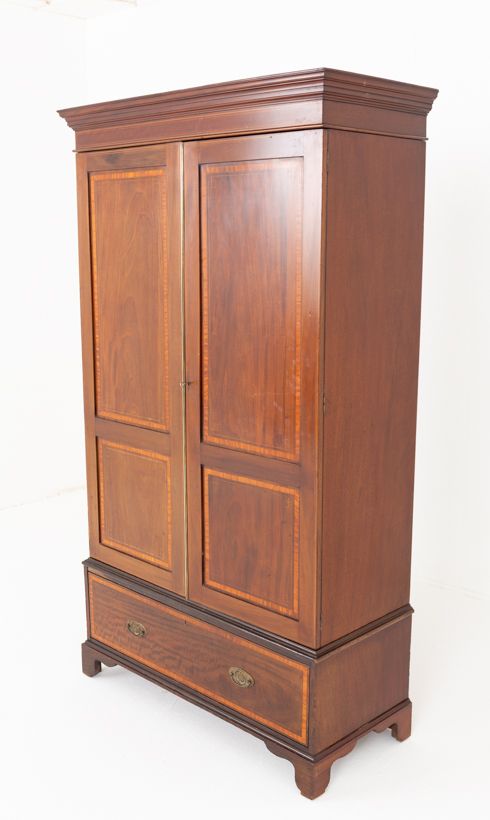
A brown wooden wardrobe offers deep storage built from mahogany, oak, and walnut across Georgian, Victorian, and Edwardian eras.

Brown Wooden Wardrobe
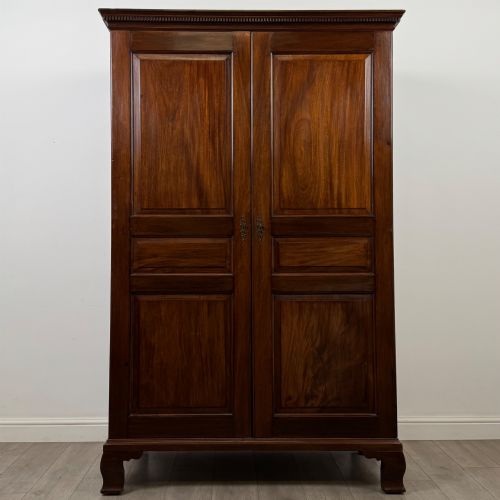
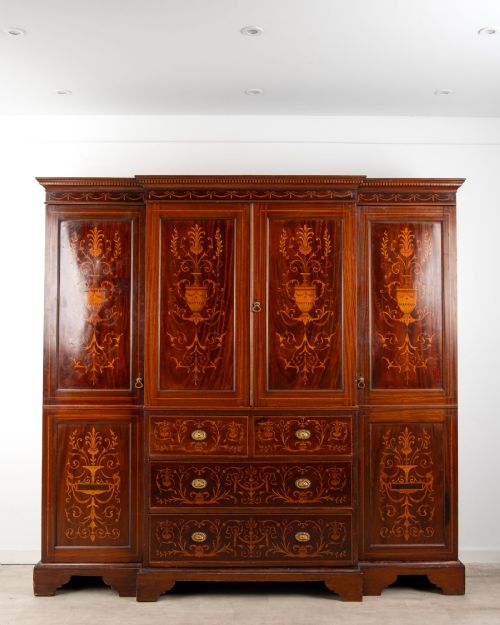
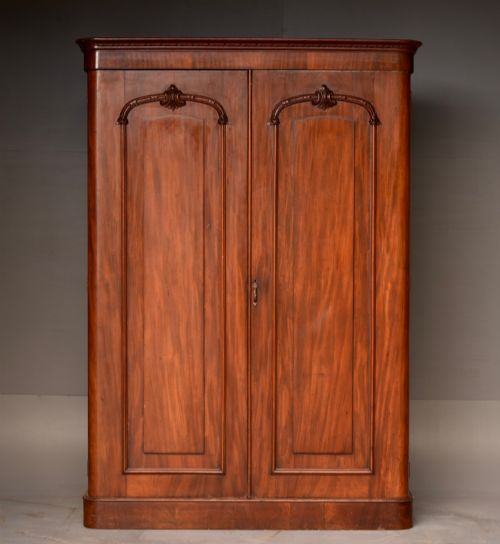
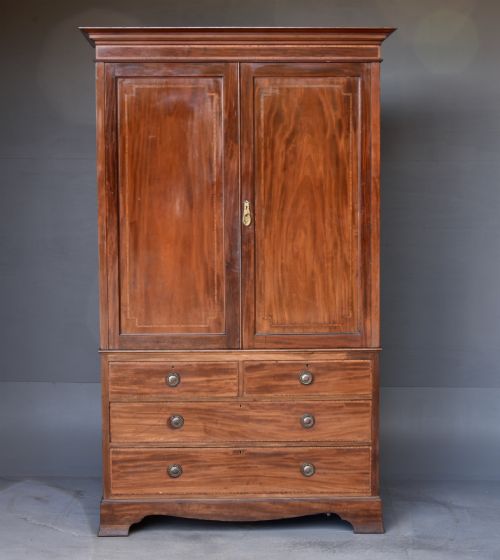
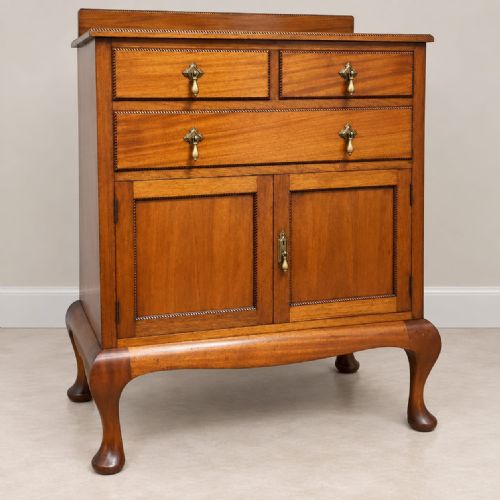
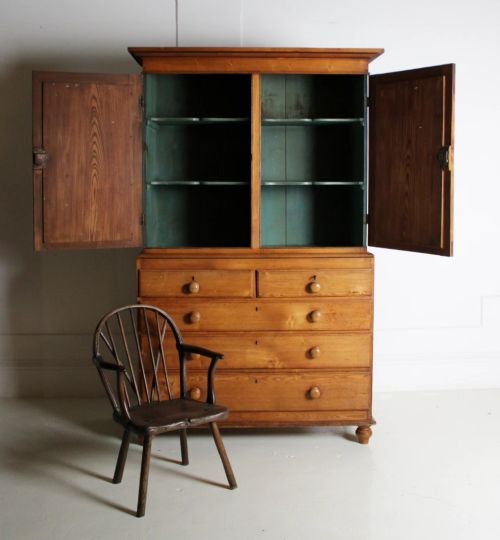
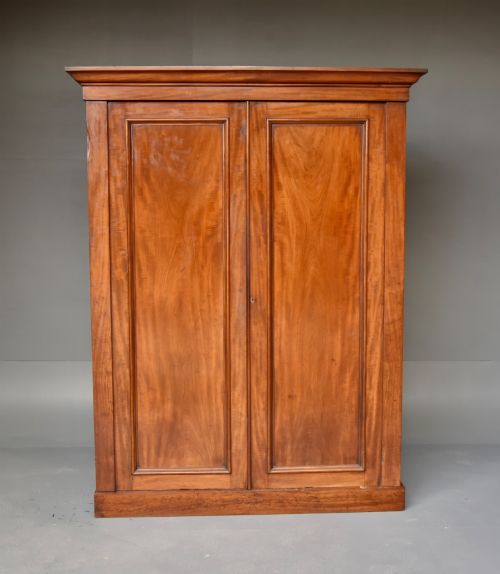
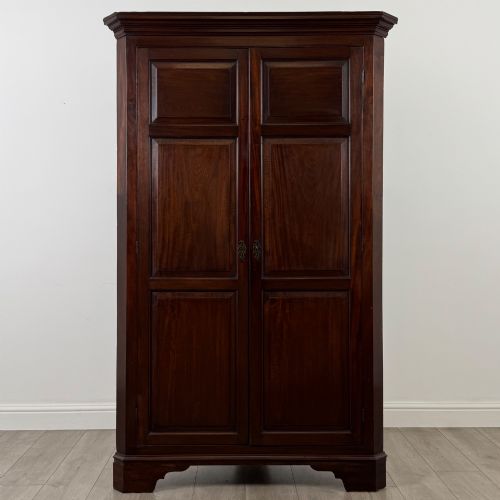
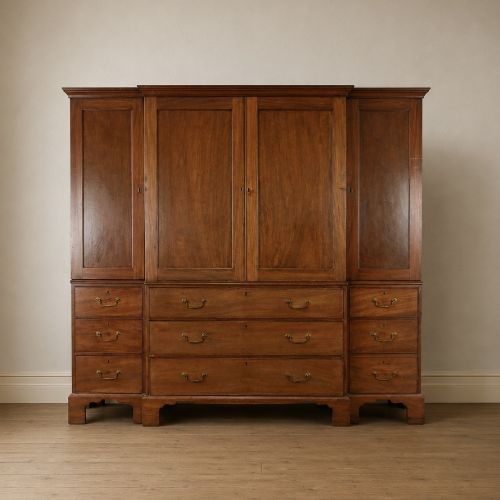
A brown wooden wardrobe is a large storage piece designed for garments and linens, appearing across this page in forms such as double wardrobes, compactums, tallboys, and linen presses. Buyers seeking this phrase encounter substantial timber furniture built in styles ranging from early George III to late Victorian and Edwardian periods.
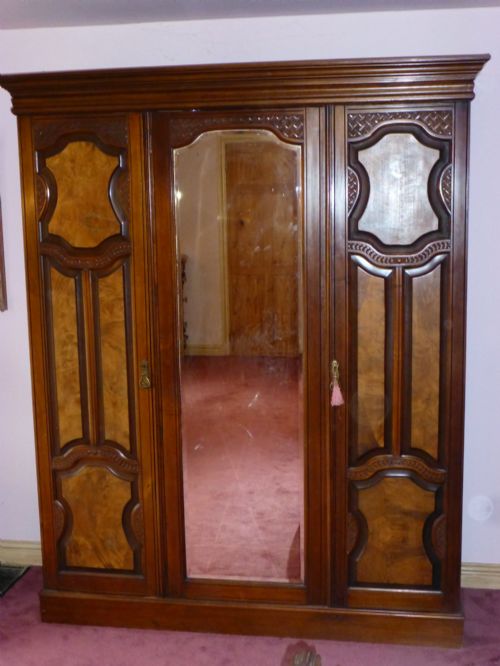
The selection on this page runs from eighteenth-century Georgian mahogany presses to late nineteenth-century walnut and oak combinations. Most examples rely on rich brown timbers, displaying the natural grain of mahogany, oak, walnut, and burr walnut.
Beyond standard double wardrobes, the evidence includes specialised items like corner cabinets, armoires, and gentleman's wardrobes fitted with interior drawers and hanging space. These pieces reflect the changing domestic storage needs from the 1700s through the early twentieth century.
How they were made
Cabinetmakers constructed these brown wooden wardrobes using solid hardwoods and decorative veneers such as mahogany, burr walnut, and satinwood over secondary woods. Timber selection drove the exterior appearance, utilising flame mahogany and burr walnut figures to create visual depth on large panelled doors.
Construction techniques combined traditional joinery with applied decorative elements like brass hardware, glass panels, marquetry inlay, and hand carving. Makers incorporated internal trays, sliding shelves, and hanging compartments, particularly within compactum designs and linen presses.
Brown Wooden Wardrobe Retail Price Guide 2026
Typical asking prices for brown wooden wardrobe among the pieces listed under this phrase on Sellingantiques today, from the lower quarter to the upper quarter. They describe what is for sale here now, not the wider market.
One listed nineteenth-century cupboard arrives bound in metal, suggesting it spent its early life travelling the globe rather than sitting still.
What varies in quality
Quality in these wardrobes rests on the selection of timber veneers, the precision of marquetry inlay, and the sophistication of internal cabinetry. Pieces originating from known workshops exhibit superior timber matching and refined proportions.
The structural ambition of the piece separates standard double wardrobes from large breakfront triple wardrobes or fitted compactums. Elaborate carvings, secondary wood choices, and original brass fittings distinguish standard utility pieces from high-status commissions.
maples & co·Edwards and Roberts·Holland and Sons·S & H Jewell·Heals
The Brown Wooden Wardrobe Glossary
- Compactum
- A multi-section wardrobe combining hanging space, drawers, and sliding trays within a single fitted unit. This design maximises interior storage efficiency.
- Linen Press
- A tall piece featuring upper cupboard doors enclosing sliding shelves or trays, sitting above a chest of base drawers. Originally used for flat linens before hanging clothes became common.
- Tallboy
- A tall chest of drawers, sometimes in two sections, providing vertical storage capacity. It offers significant drawer space with a smaller floor footprint.
- Marquetry
- Decorative inlay work using various coloured wood veneers to create pictorial or geometric patterns on the surface. It appears on finer Georgian and later case furniture.
- Breakfront
- A cabinet design where the central section projects forward from the flanking outer sections. This architectural feature breaks up the flat plane of large wardrobes.
Brown Wooden Wardrobe: Frequently Asked Questions
What is a brown wooden wardrobe used for?
These pieces provide substantial storage for clothing, garments, and household linens through internal hanging rails, sliding trays, and drawers.
Larger variations, such as compactums and triple wardrobes, offer specialised compartments for shoes, hats, and folded garments alongside full-length hanging space.
How do I identify a Georgian wardrobe?
Georgian examples, dating from the eighteenth and early nineteenth centuries, typically feature solid mahogany or oak, often constructed as linen presses with panelled upper doors.
They display classical proportions, subtle mouldings, and sometimes marquetry inlay, pre-dating the larger plate-glass mirrored doors common in later Victorian pieces.
What is the difference between a wardrobe and a compactum?
A standard wardrobe focuses primarily on vertical hanging space enclosed by two or three full-length doors.
A compactum integrates multiple internal configurations, combining hanging sections with banks of interior drawers, linen slides, and small cupboards in a single multi-bay unit.
How do I live with a large antique wardrobe?
Placing a large wooden wardrobe requires measuring ceiling height and floor clearance, as many antique pieces do not dismantle easily.
Interior organisation often benefits from traditional wooden hangers and careful placement away from direct heat sources to protect the mahogany, walnut, or oak timbers.