
Dark Mahogany Armoire
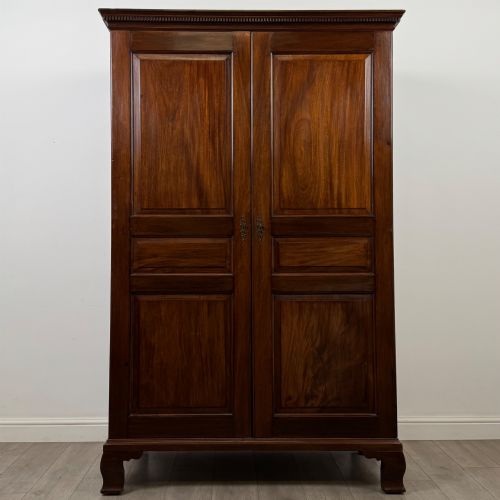
A dark mahogany armoire is a substantial storage piece built to house garments, turning dense timber into architectural presence.
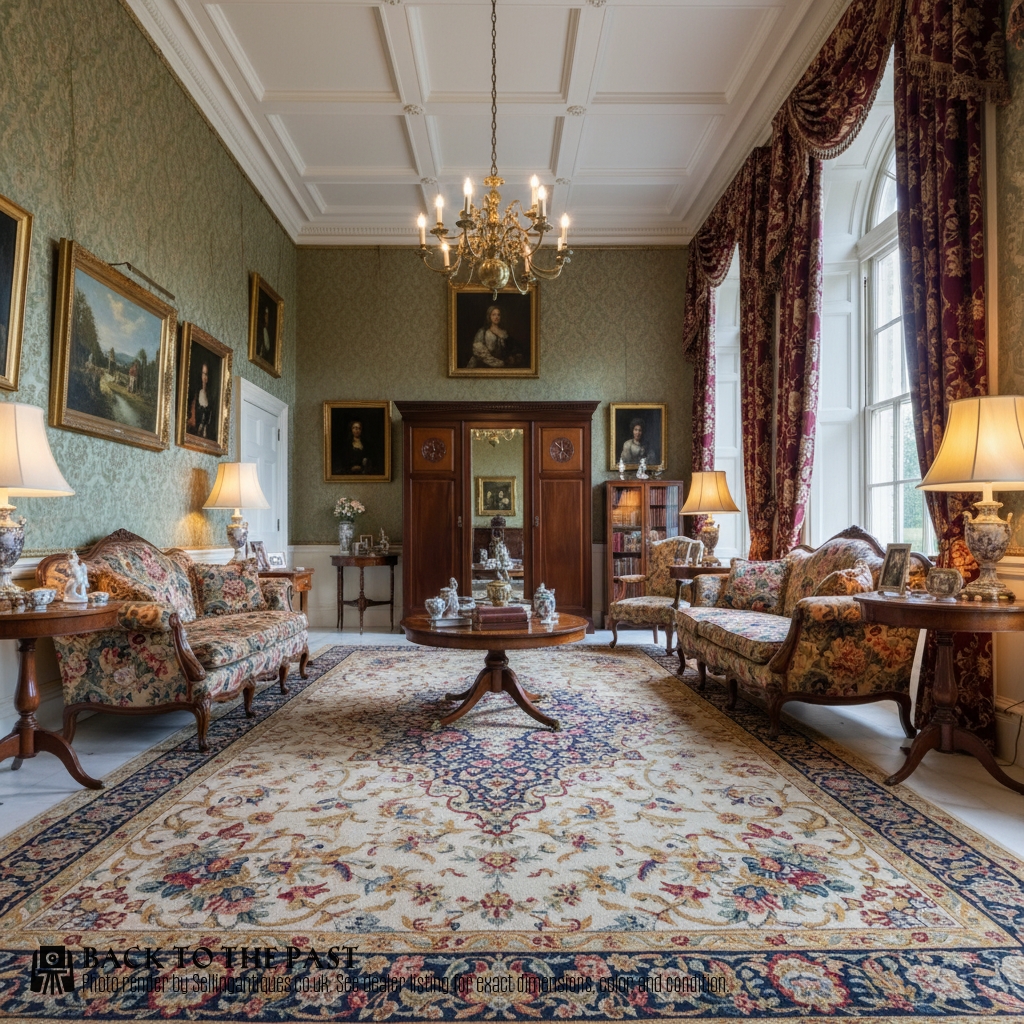
Dark Mahogany Armoire
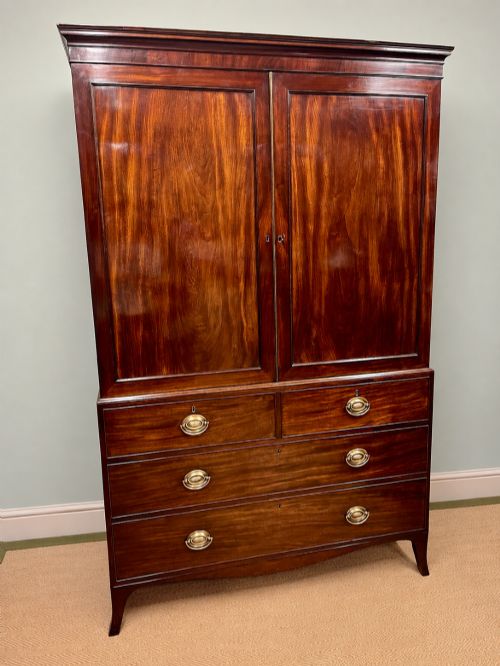
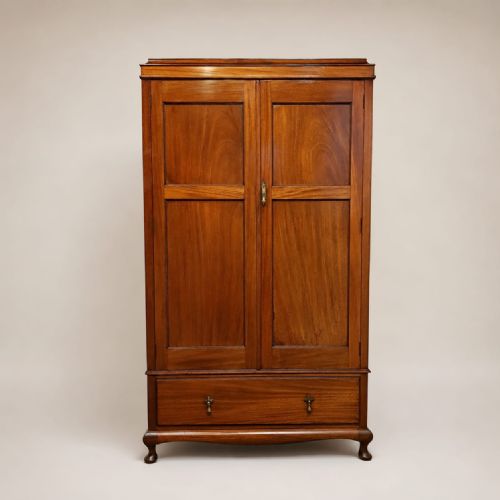
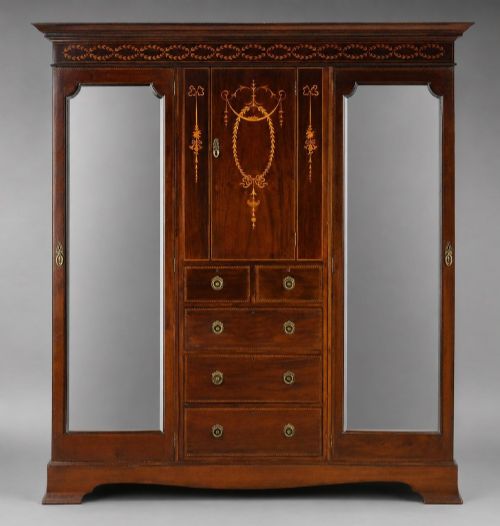
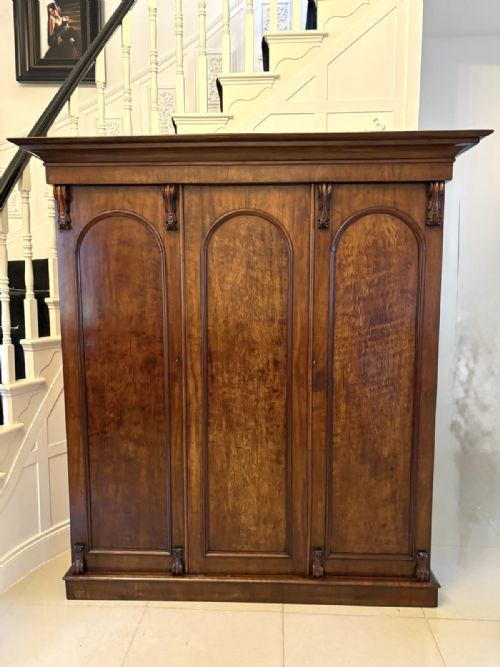
A dark mahogany armoire encompasses large wardrobes, linen presses, and compactum cupboards designed for hanging space and linen storage. These pieces emerge across the 18th century, Georgian, Regency, William IV, Victorian, and Edwardian periods.
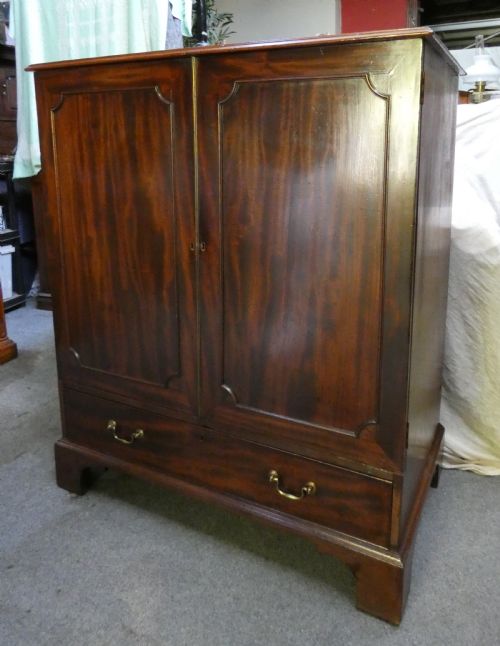
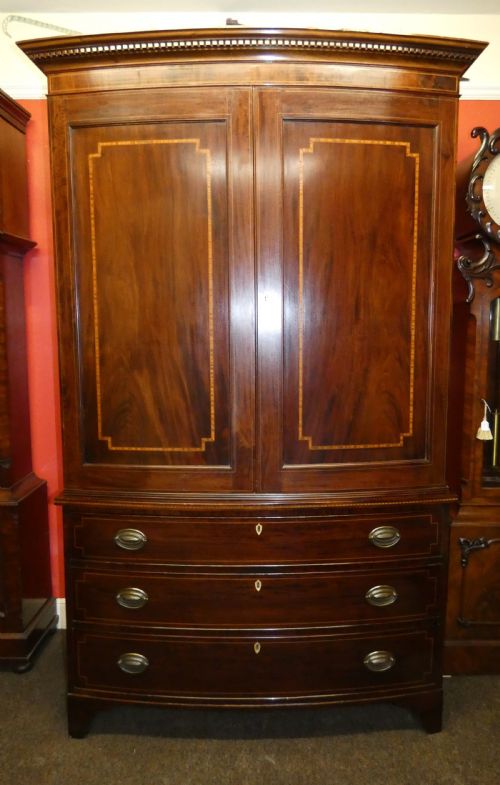
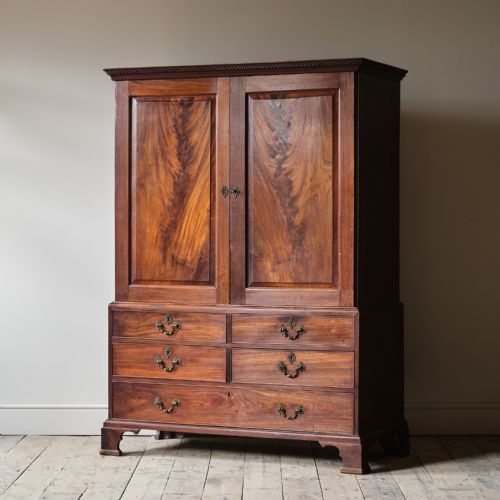
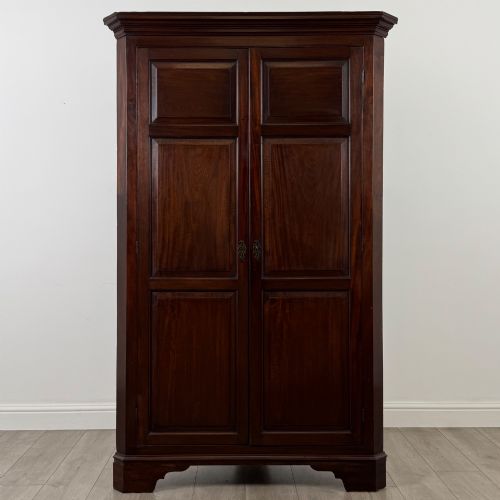
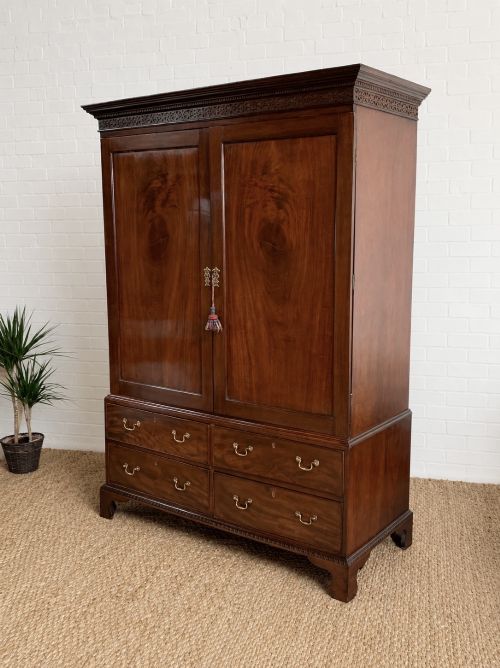
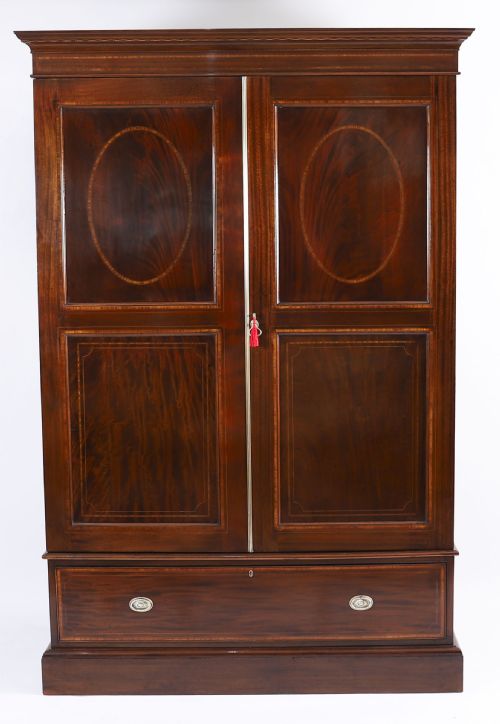
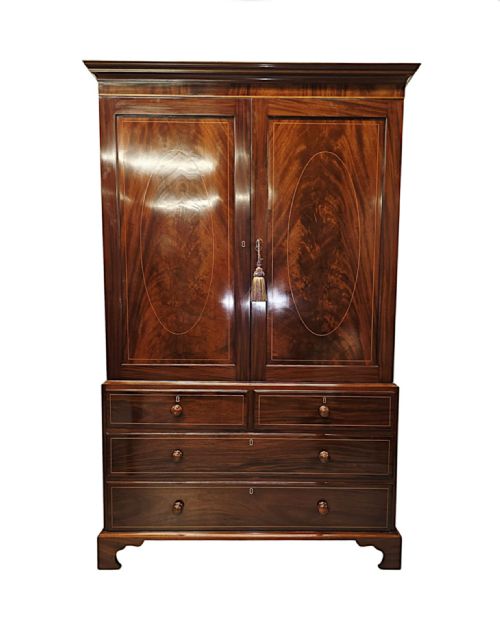
The version most commonly met on this page is the wardrobe or linen press built from rich mahogany, often featuring panelled doors or drawer configurations below the main hanging compartment.
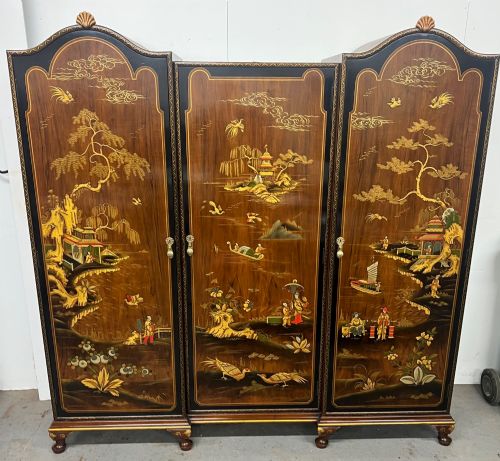
Makers and styles span from straightforward George III designs to ornate Chinoiserie Revival pieces and late Victorian triple-door constructions.
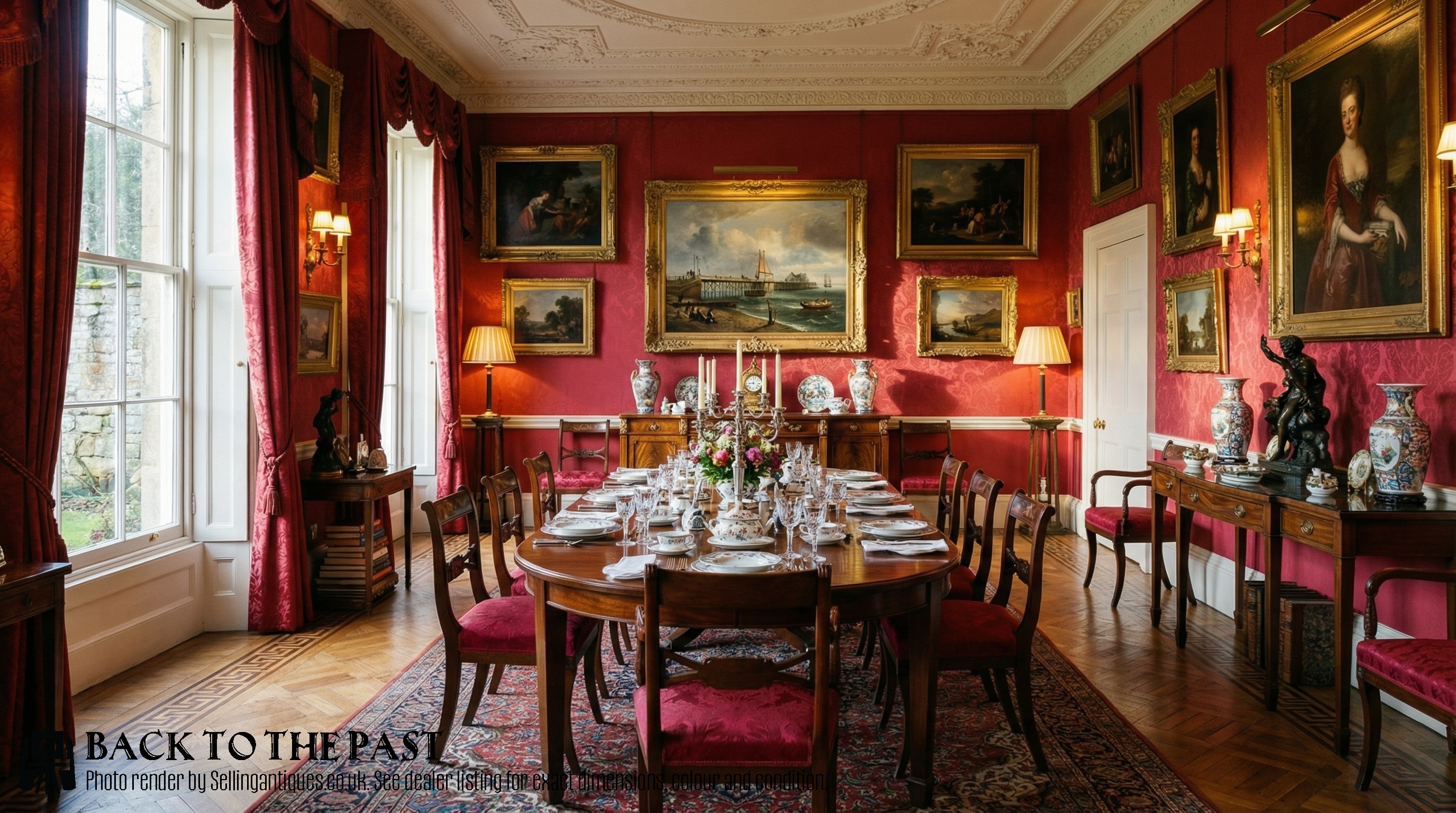
Materials and construction methods
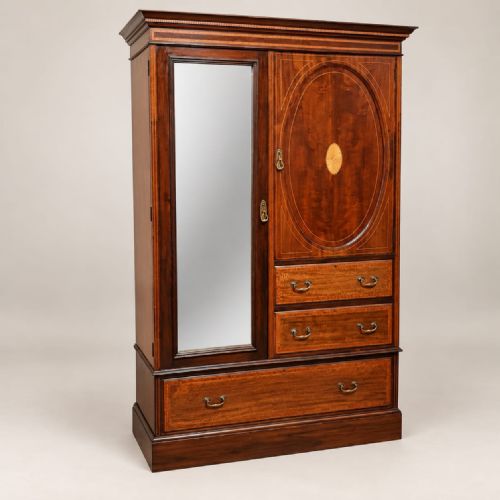
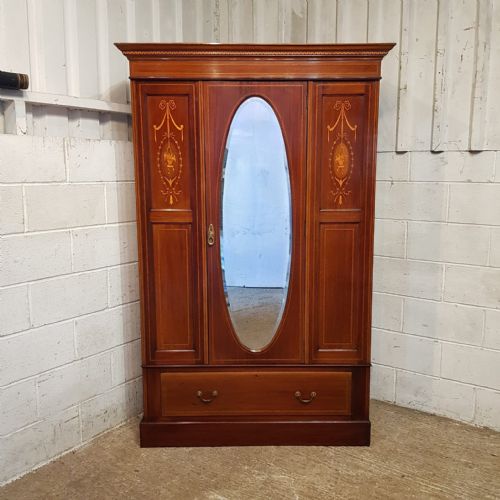
Makers utilised solid mahogany and flame mahogany veneer laid over secondary timbers, enriched with brass hardware and glass elements where doors incorporate mirrors.
Inlay work frequently incorporates satinwood and boxwood stringing, whilst finer examples display rosewood crossbanding or carved details along the cornice.
Structural integrity relies on traditional cabinet-making joints to support the considerable weight of large timber doors and internal linen slides.
Dark Mahogany Armoire Retail Price Guide 2026
Typical asking prices for dark mahogany armoire among the pieces listed under this phrase on Sellingantiques today, from the lower quarter to the upper quarter. They describe what is for sale here now, not the wider market.
Housekeepers utilised deep press cupboards to keep freshly laundered linens crisp and flat before the invention of the modern airing cupboard.
Distinctions in craftsmanship
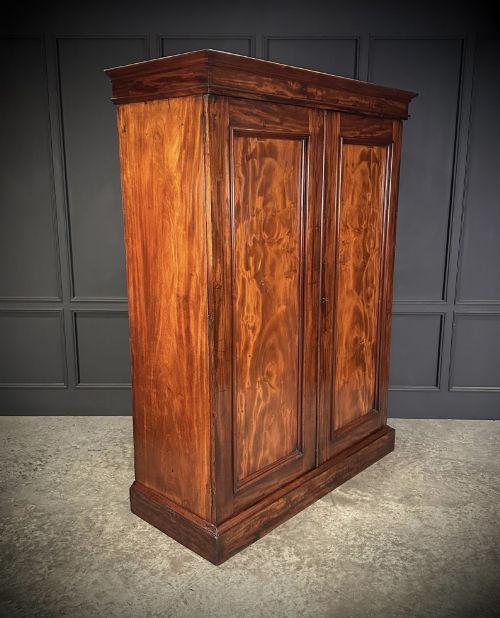
Quality rests upon the selection of timber, particularly where figured or flame mahogany veneer is matched symmetrically across large double or triple doors.
The refinement of carved decorative elements, such as blind fretwork cornices or crisp boxwood and satinwood inlay, separates standard utility pieces from high-status commissions.
Internal configuration also dictates calibre, with fitted linen presses and compactum wardrobes offering complex compartmentalisation alongside exterior architectural proportions.
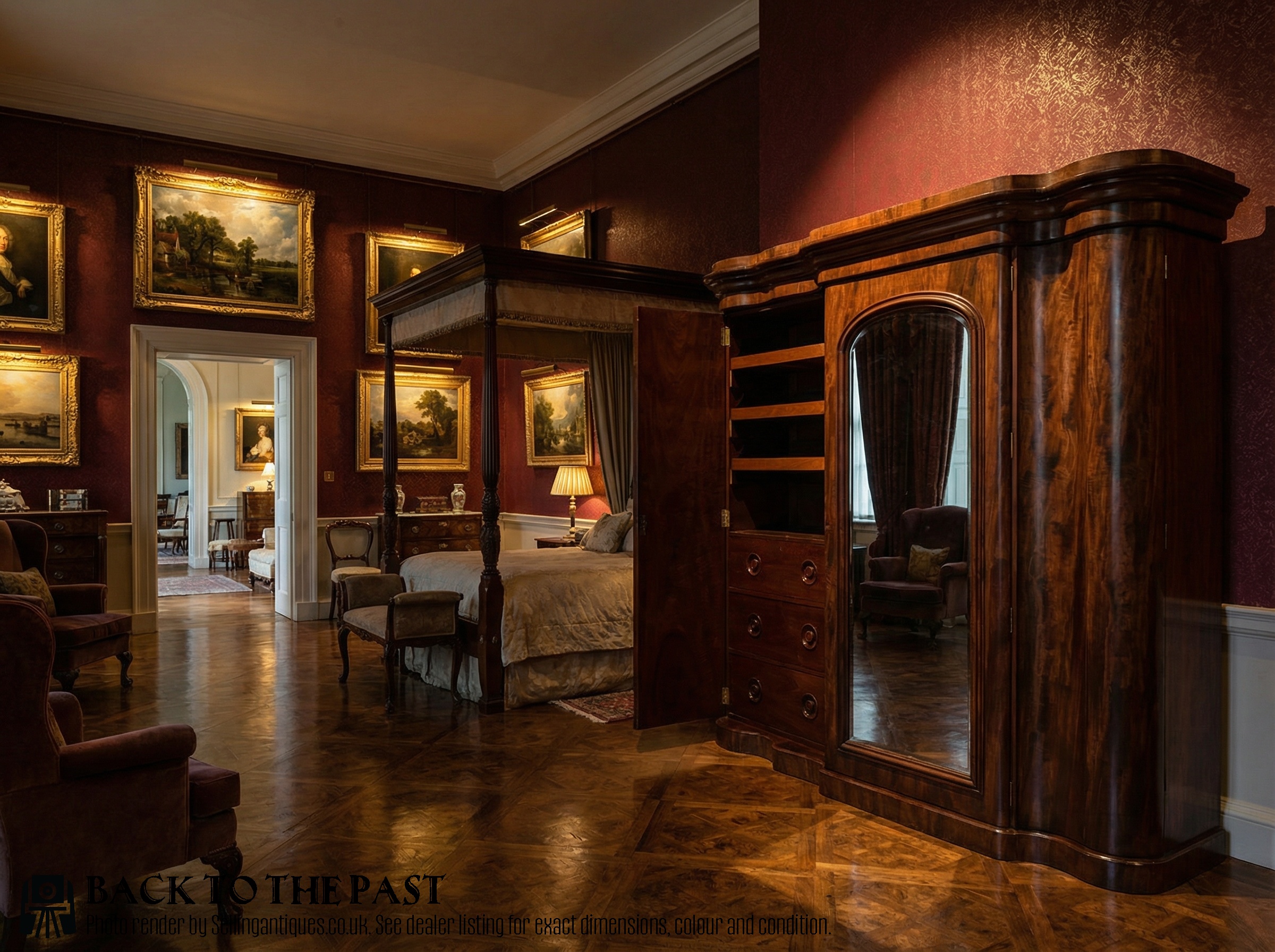
Maples and Co·Heals
The Dark Mahogany Armoire Glossary
- Linen press
- A tall cupboard featuring upper sliding trays or shelves for folded textiles, paired with lower drawers.
- Compactum
- A multi-functional wardrobe combining hanging space, drawers, and shelving within a single unified carcass.
- Flame mahogany
- Timber veneer cut from branches or fork joints to produce a fiery, undulating grain pattern.
- Crossbanding
- A decorative border of veneer laid perpendicular to the main grain direction of the panel.
- Blind fretwork
- Carved ornamentation applied to a flat surface to simulate openwork pierced carving.
Dark Mahogany Armoire: Frequently Asked Questions
How do I date a mahogany wardrobe?
Dating relies on architectural styling, such as Georgian cornice details versus Victorian proportions, alongside construction methods visible in the interior.
Hardware and secondary timbers also offer clear chronological markers for pieces spanning the 18th to early 20th centuries.
What is the difference between an armoire and a linen press?
An armoire primarily provides vertical hanging space for garments behind large doors, whilst a linen press traditionally houses internal sliding trays for folded textiles.
Many period examples combine both functions within a single large cabinet carcass.
Will a large wardrobe dismantle for transport?
Most substantial period wardrobes and linen presses are constructed to break down into sections, including a separate cornice, base, and main side panels.
This modular assembly allowed historical craftsmen to deliver large furniture pieces into domestic bedchambers.
How should I care for antique mahogany timber?
Maintain a stable indoor humidity and keep the wood away from direct heat sources to prevent the mahogany veneer from drying out or splitting.
Apply traditional wax polish sparingly to nourish the grain and preserve the deep natural patina.