

Antique Compactum Wardrobe
An antique compactum wardrobe brings architectural scale and fitted storage together in one grand bedroom piece.

Antique Compactum Wardrobe
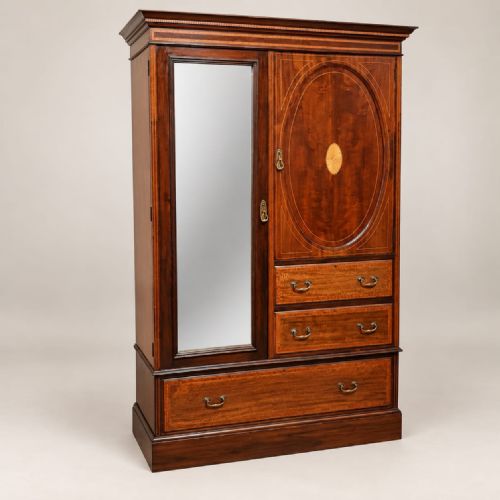
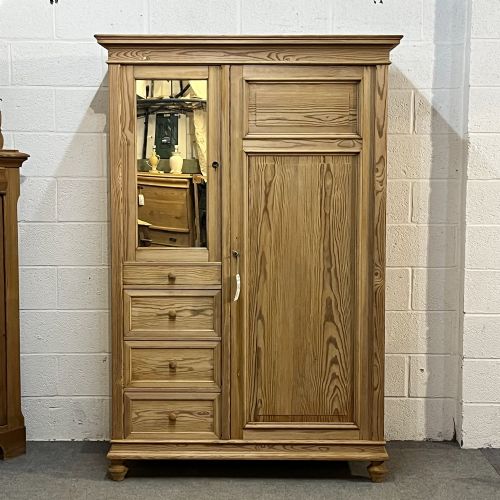
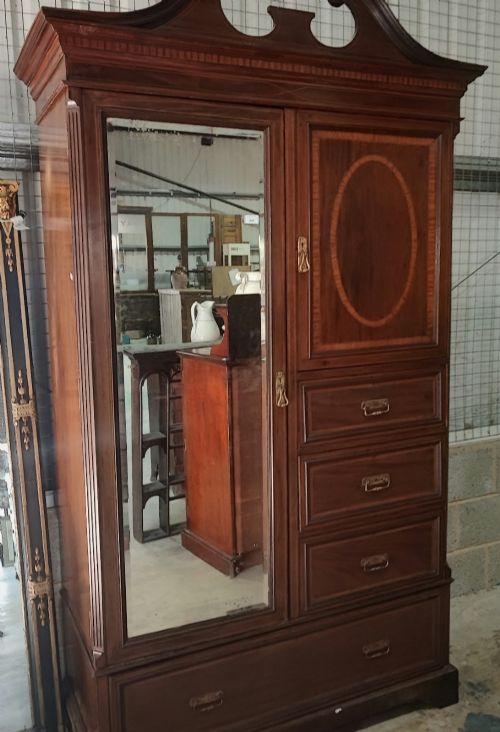
An antique compactum wardrobe is a large multi-section piece designed to provide comprehensive bedroom storage through a combination of hanging space, linen drawers, and shelves. When searching for an antique compactum wardrobe, buyers commonly encounter substantial Victorian and Edwardian examples constructed to house a gentleman or lady's complete wardrobe within a single footprint.
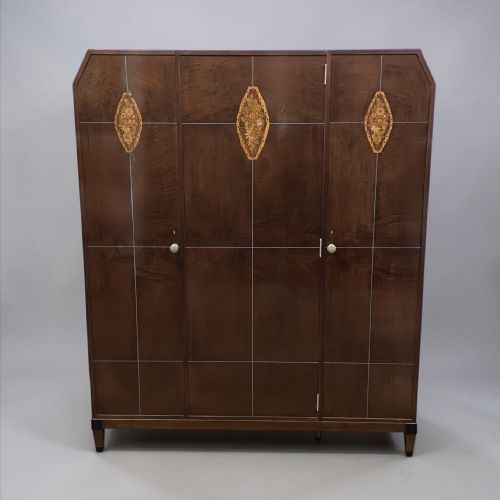
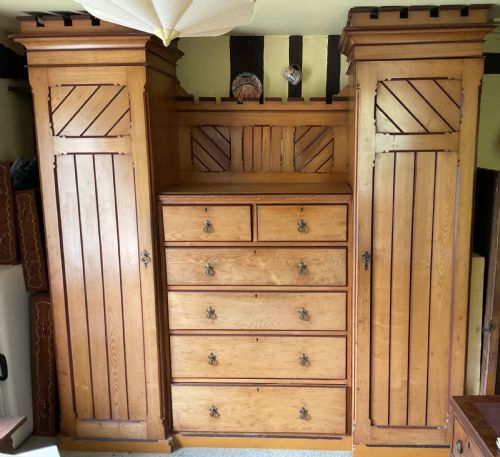
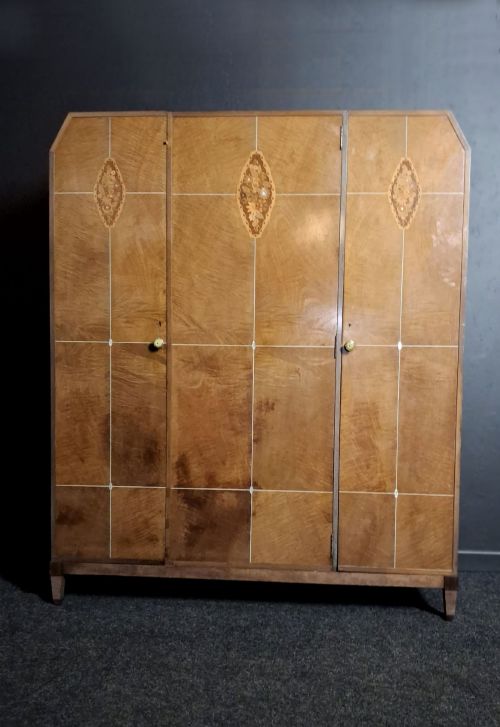
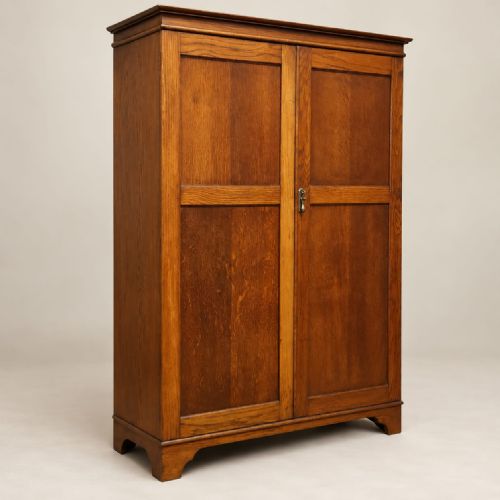
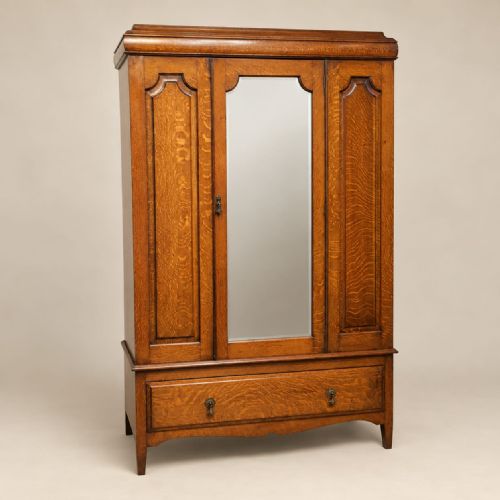
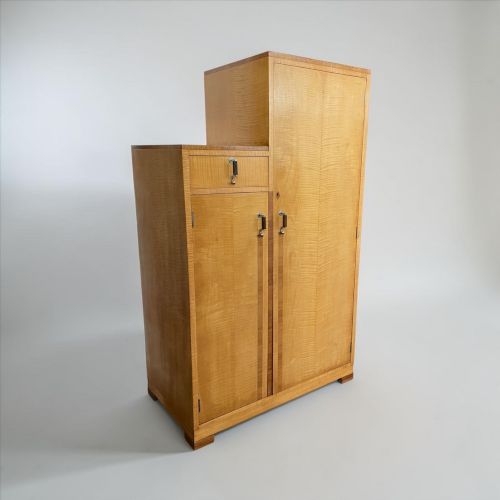
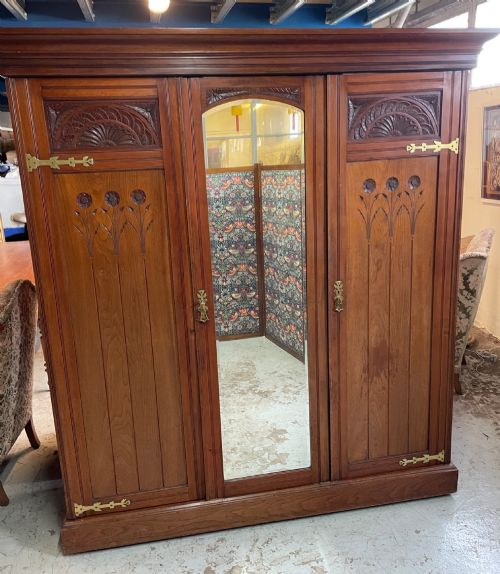
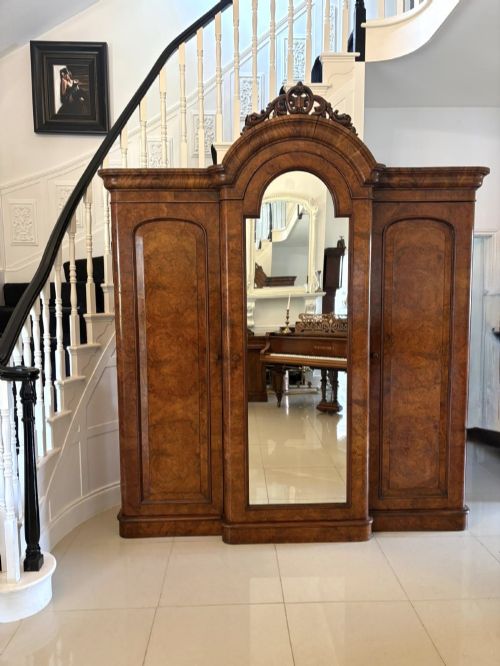
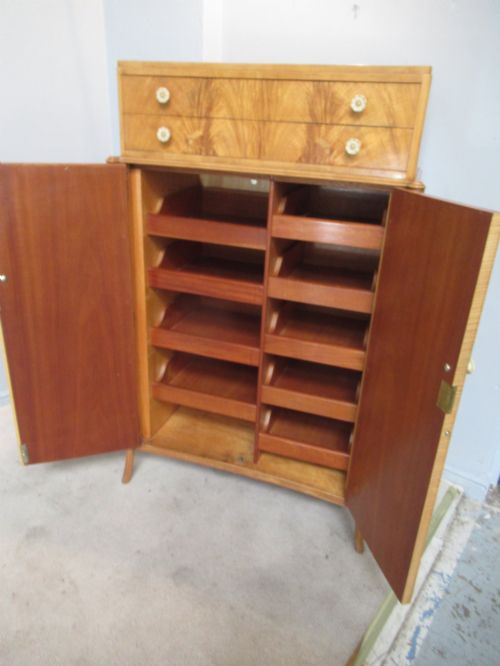
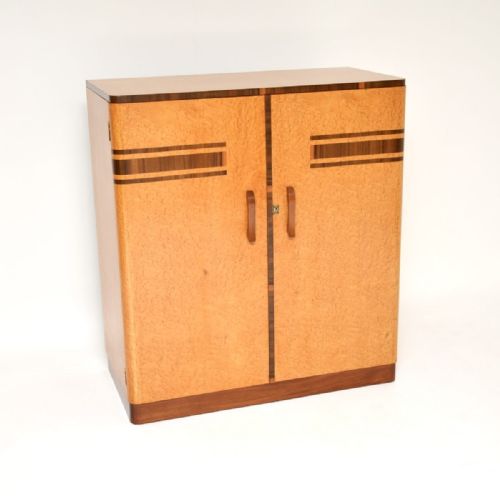
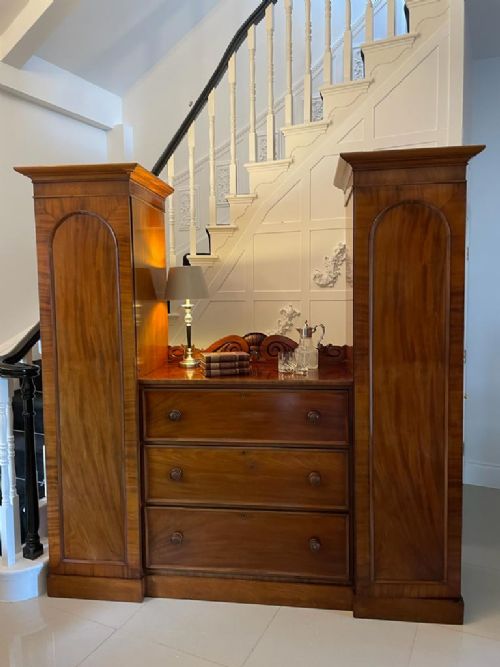
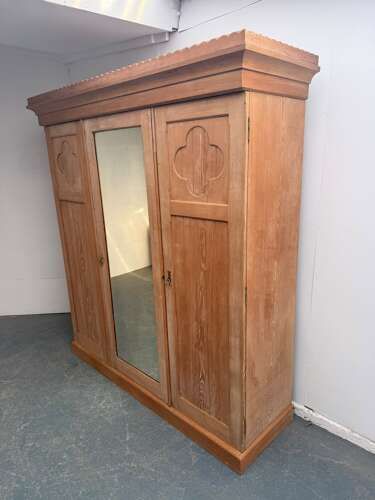
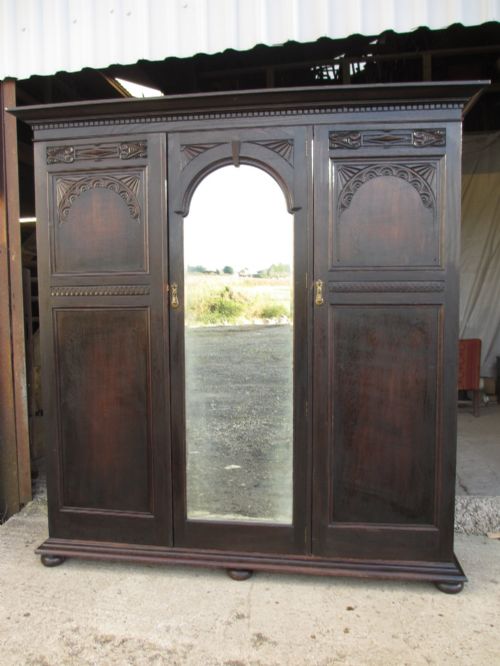
The form typically divides into hanging cupboards flanking a central tower of linen slides and drawers, though breakfront and triple door configurations appear regularly. Surviving specimens range from mid-19th-century mahogany and burr walnut creations to lighter Edwardian inlaid satinwood and early 20th-century oak designs.
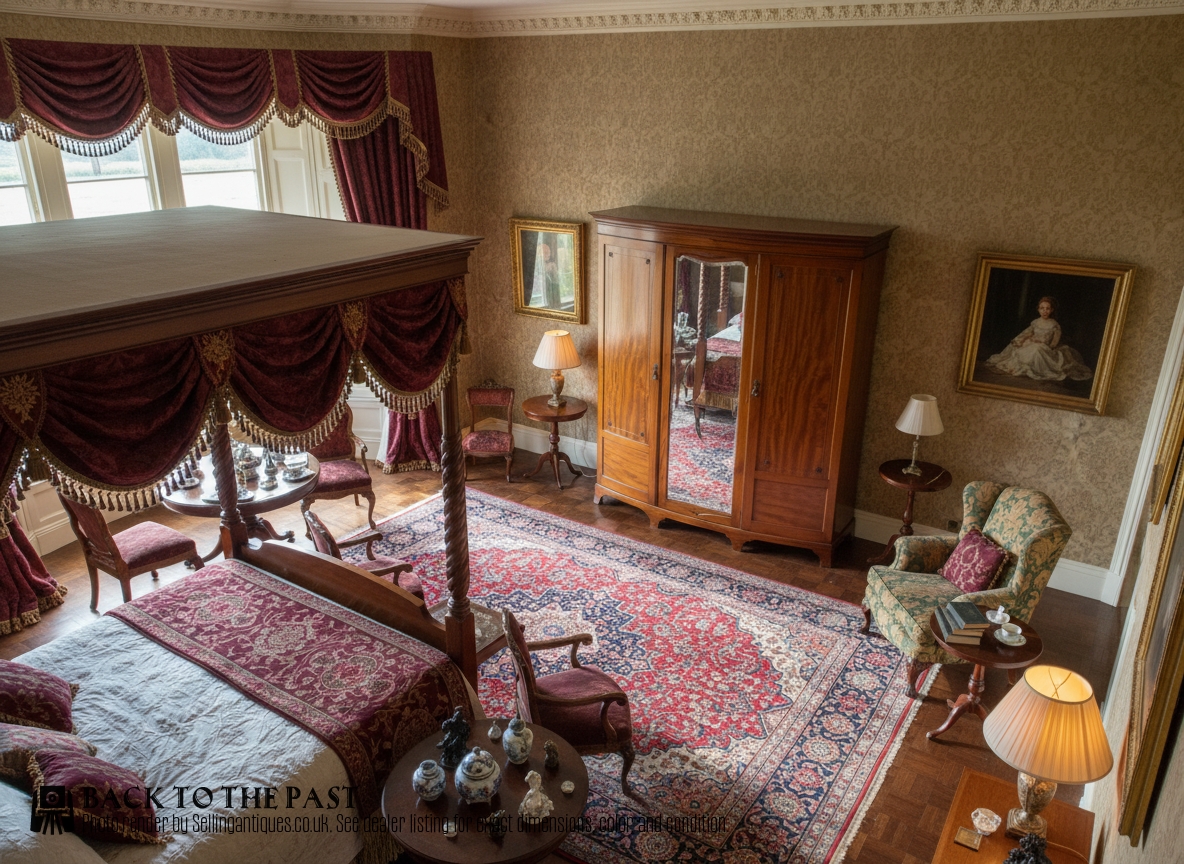
Makers often integrated mirrors into the central doors, alongside specialised compartments for collars, ties, and boots. This makes the form far more versatile than a standard wardrobe, functioning almost as a miniature dressing room cabinet.
How They Were Made
Cabinetmakers built these large carcasses using dense tropical hardwoods like mahogany and walnut, frequently selecting heavily figured veneers such as burr walnut, flame mahogany, and satinwood for the principal doors and drawer fronts. Secondary structural timbers like oak and pine provided stability for the internal framing and sliding linen trays.
Decoration relied on fine stringing in contrasting woods, hand-carved panels, and intricate marquetry rather than applied mouldings. Large mirrored doors required heavy cast brass hardware and robust internal framing to support the significant weight of the glass swinging on sturdy hinges.
Antique Compactum Wardrobe Retail Price Guide 2026
Typical asking prices for compactum wardrobe among the pieces listed under this phrase on Sellingantiques today, from the lower quarter to the upper quarter. They describe what is for sale here now, not the wider market.
Some Edwardian models conceal built-in tie presses and dedicated boot compartments designed to keep a gentleman's wardrobe impeccably organised.
What Varies in Quality
Quality rests upon the selection of timber veneers and the architectural ambition of the carcass construction. Exceptional examples feature book-matched burr walnut or uninterrupted flame mahogany across expansive door panels, demonstrating complete mastery of the woodworker's art.
Internal configuration also separates standard production from superior cabinet work. The finest pieces contain finely dovetailed solid oak trays, meticulously fitted sliding compartments, and original brass fittings that operate smoothly despite the immense scale of the doors.
Edwards and Roberts·Harris Lebus·Gillows·Shapland and Petter·Maple and Co·Lamb of Manchester·Waring and Gillow
The Antique Compactum Wardrobe Glossary
- Compactum
- A fitted wardrobe designed with internal divisions for hanging garments, drawers, and linen shelves in a single unit. This clever multi-functional layout maximises storage efficiency.
- Breakfront
- A cabinet design where the central section projects forward from the flanking wings. This architectural arrangement creates pleasing depth and shadow lines across the facade.
- Linen Press
- A tall storage piece featuring upper cupboard doors enclosing sliding trays above a chest of lower drawers. These trays were traditionally used to store folded household linens.
- Scumble
- A decorative painted surface technique used to simulate the grain of more expensive timbers like oak or mahogany on simpler base woods. It was widely utilised during the nineteenth century.
- Inlay
- The technique of embedding contrasting pieces of wood, shell, or metal flush into the surface of a primary timber to create decorative patterns. It frequently defines Edwardian cabinetwork.
Antique Compactum Wardrobe: Frequently Asked Questions
How do I dismantle a large wardrobe?
Most large wardrobes of this scale were designed to be taken apart into manageable sections for transport and installation. The cornice, plinth, and flanking cupboards typically detach from the central section using concealed internal bolts and tongue-and-groove joints.
Working with a specialist furniture carrier ensures these heavy timber components are safely disassembled and reassembled without straining the historic joints or cracking the mirrored glass doors.
How should I care for polished wood?
Historic timber surfaces require consistent humidity and protection from direct sunlight to prevent the underlying veneers from drying out or lifting. Regular dusting with a soft, dry cloth is usually sufficient for maintaining the polished finish.
Avoid using silicone-based sprays, which can penetrate old finishes and attract dust. Instead, apply a traditional beeswax sparingly when the wood appears dry, buffing it gently to a soft lustre.
What is the difference between a wardrobe and a compactum?
A standard wardrobe provides primarily vertical hanging space behind one or two doors, often accompanied by a single long drawer at the base. A compactum integrates multiple distinct storage zones into one comprehensive cabinet, combining hanging space with internal drawers, sliding linen trays, and dedicated compartments.
This hybrid design effectively merges the functions of a chest of drawers, a linen press, and a wardrobe into a single architectural piece.