
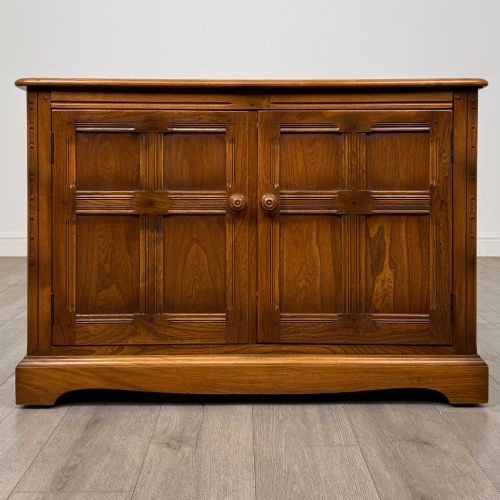
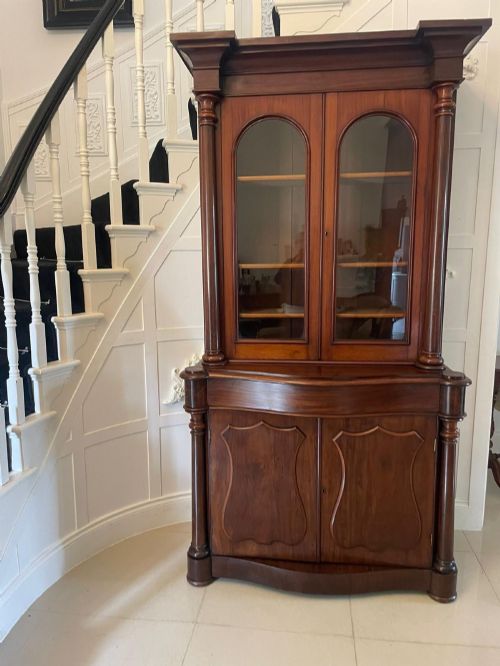
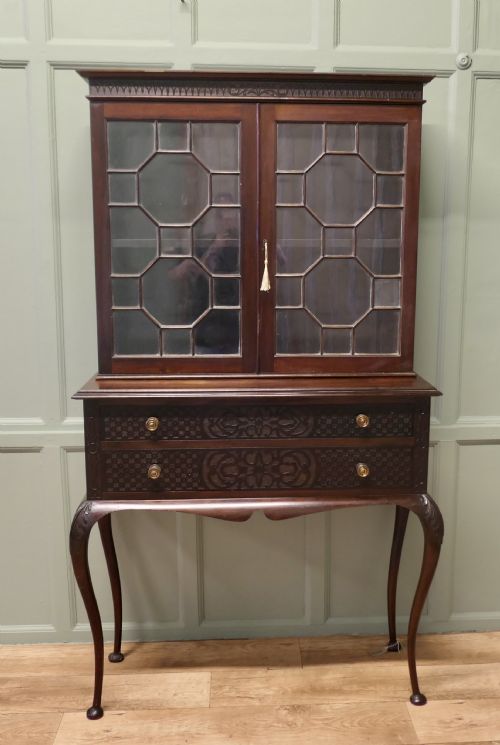
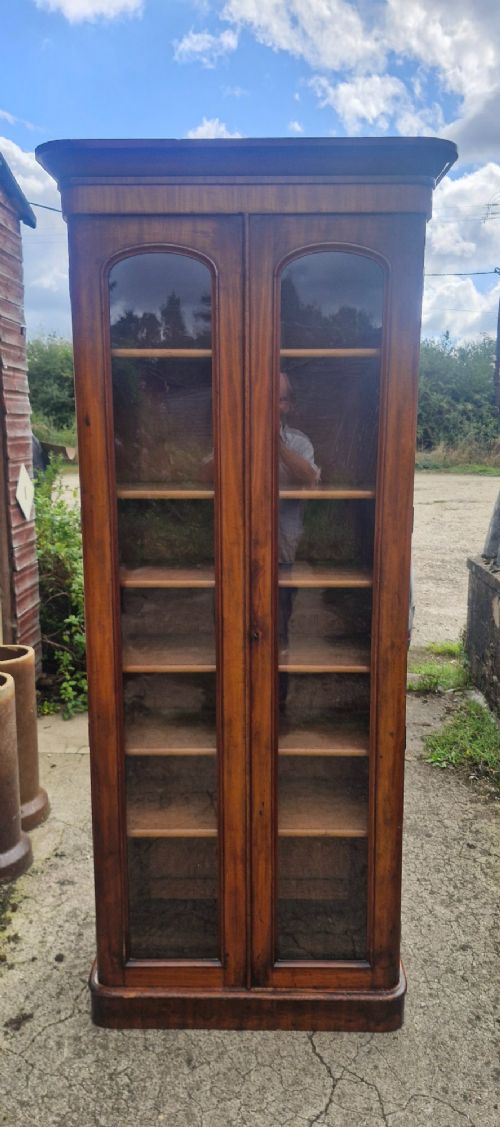
Two Door Cupboard
A two door cupboard offers practical storage with period character, ranging from robust pine utility pieces to formal mahogany sideboards.
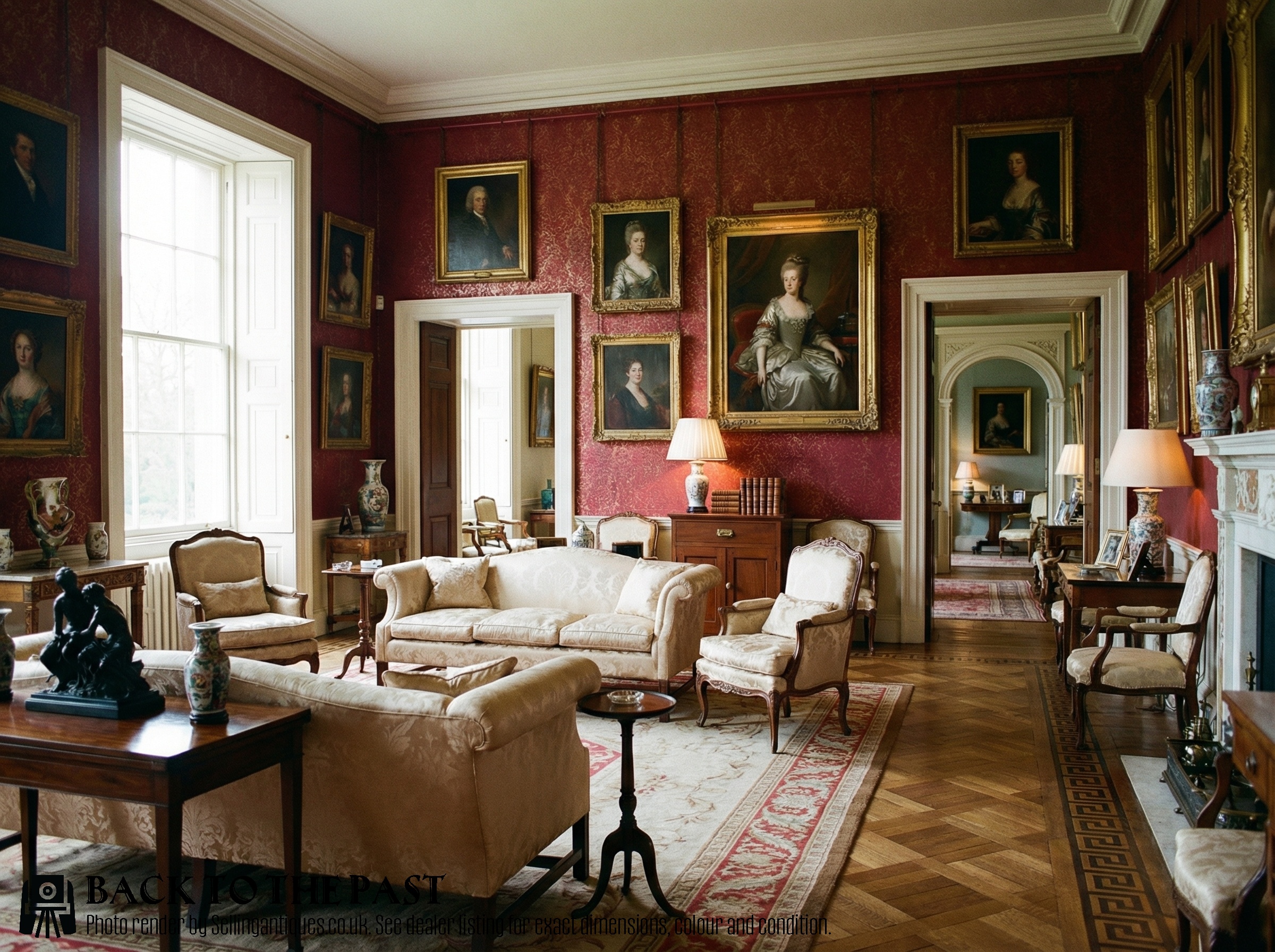
What these cupboards are
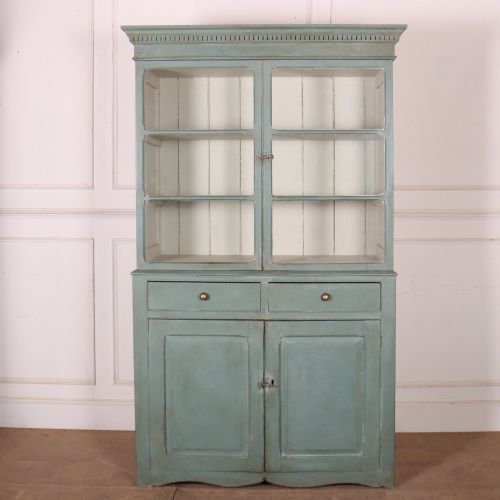
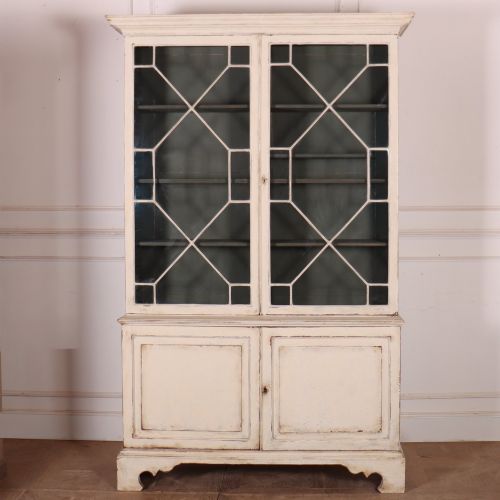
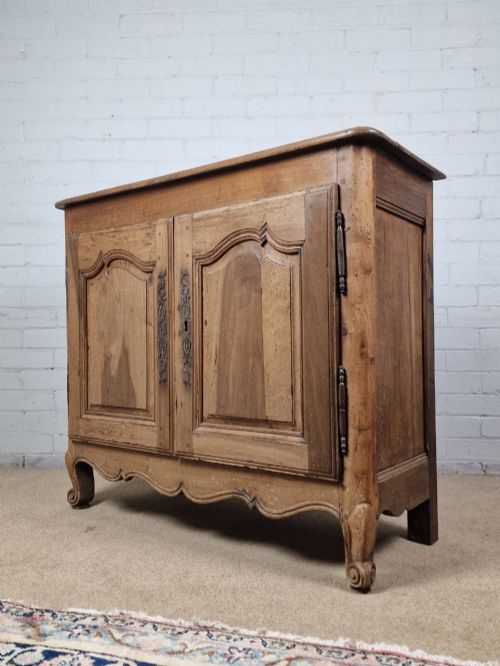
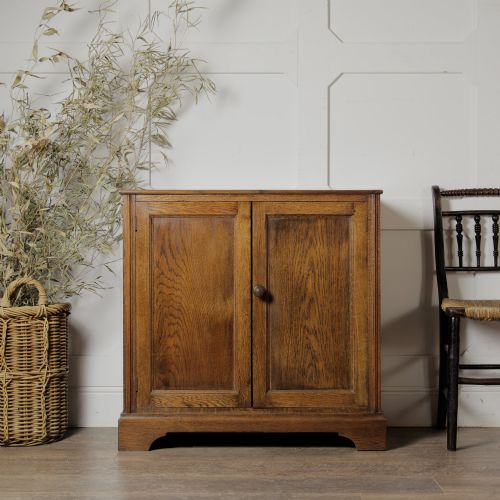
A two door cupboard provides enclosed storage in formats ranging from modest dwarf housekeeper presses to large Victorian pine pantry units. These items appear across multiple periods including the nineteenth century, with examples dating back to seventeen hundred.
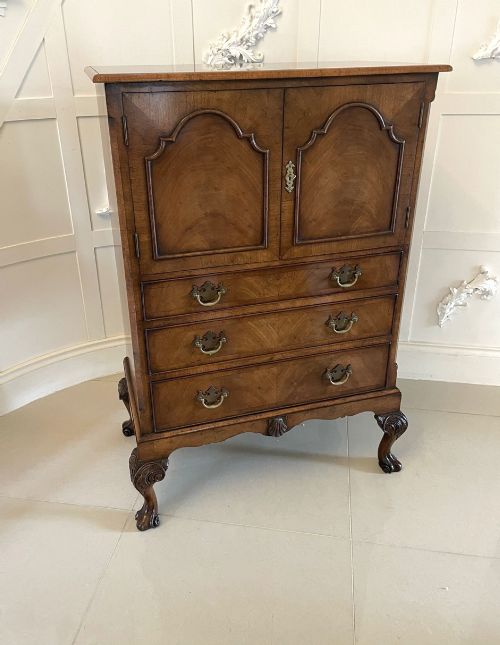
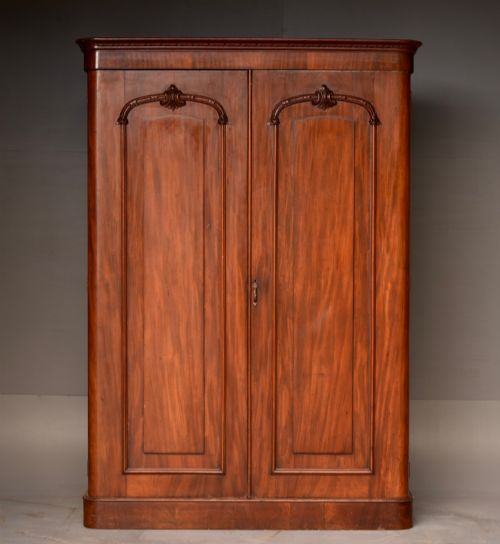
The selection includes specific forms such as sideboards, linen presses, libraries, and hanging cupboards. Oak, mahogany, walnut, and pine form the primary carcases, often paired with brass hardware.
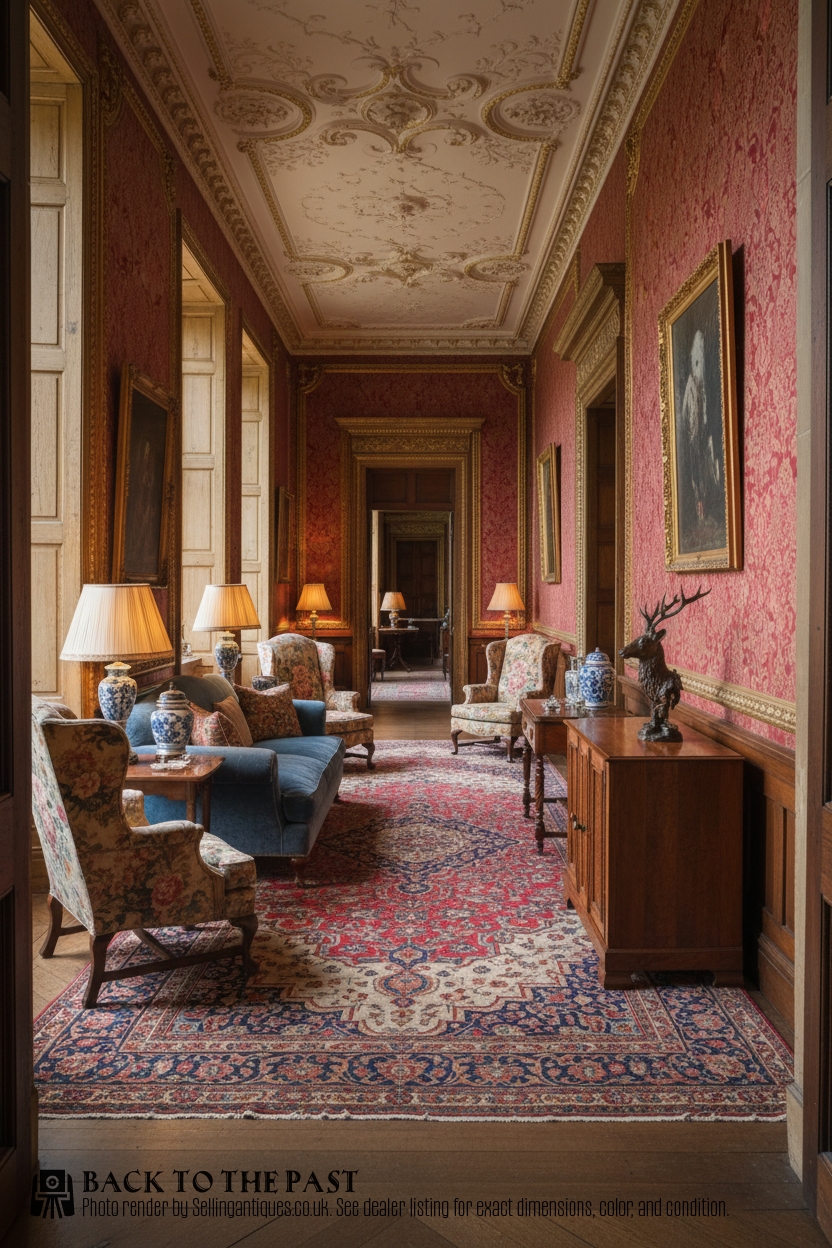
Materials and construction
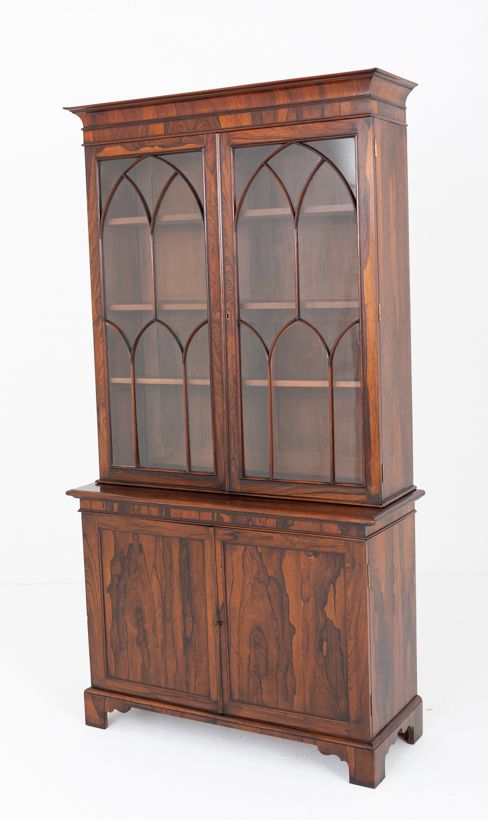
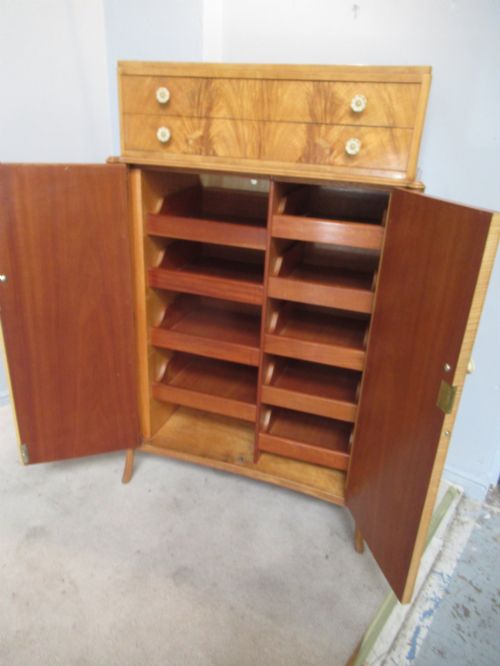
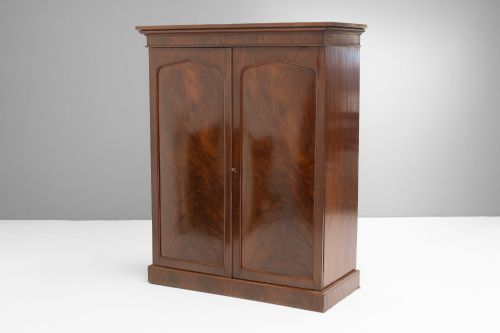
Cabinet makers utilised solid woods like oak and pine alongside decorative veneers such as Hungarian ash, flame mahogany, and walnut. Carved details, parquetry, and banded inlays frequently decorate the exterior surfaces.
Internal configurations incorporate fixed or removable shelving, drawers, and panelled doors. Structural elements range from heavy continental joinery to refined Georgian proportions and industrial utility builds.
Retail Price Guide 2026
Typical UK retail prices for two door cupboard, calculated from the Sellingantiques database of over a million retail prices indexed since 2003. This retail price guide relies exclusively on Sellingantiques data; no external sources or auction records are used, so the figures do not describe the wider market.
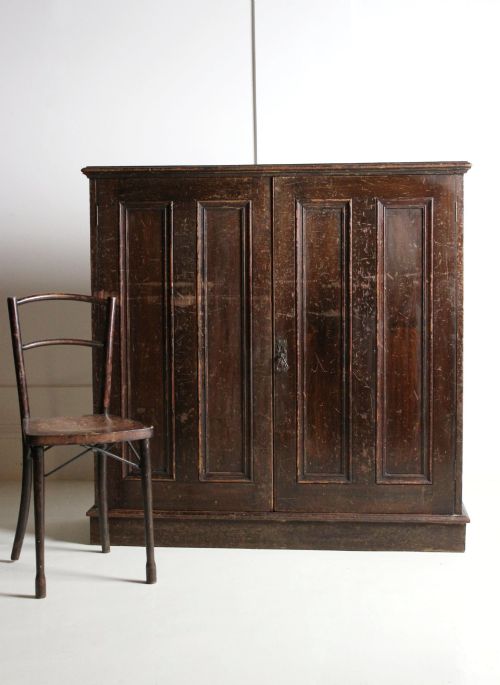
Several pine cupboards retain their original paint, preserving centuries of domestic history beneath successive layers.
What sets examples apart
Quality rests on the selection of timber figures, from plain utility pine to highly figured flame mahogany and Hungarian ash. The precision of the joinery, the retention of original paint surfaces, and the integrity of brass fittings elevate specific pieces.
Proportion and scale dictate utility, where smaller dwarf cupboards contrast with large housekeeper wardrobes. Refined details like arcaded door panels and turned peg feet separate standard storage from finer cabinet work.
The Two Door Cupboard Glossary
- Dwarf cupboard
- A low-standing cabinet designed for auxiliary storage. These compact units often double as sideboards.
- Housekeeper cupboard
- A large storage piece traditionally used for linens and provisions. These substantial units frequently feature pine or oak construction.
- Parquetry
- Geometric wood mosaic work used for decorative surface patterns. This technique appears on nineteenth-century statement pieces.
- Flame mahogany
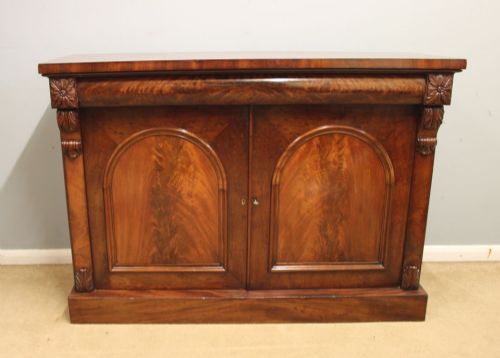
- A veneer cut from the fork of the mahogany tree to create a distinctive flickering flame grain pattern. It signals finer cabinet work.
- Chiffonier
- A low sideboard fitted with enclosed storage beneath a flat top. Examples often incorporate marble tops or gallery rails.
Frequently Asked Questions
What rooms suit a two door cupboard?
These cabinets adapt well to living spaces, dining rooms, and hallways for general storage.
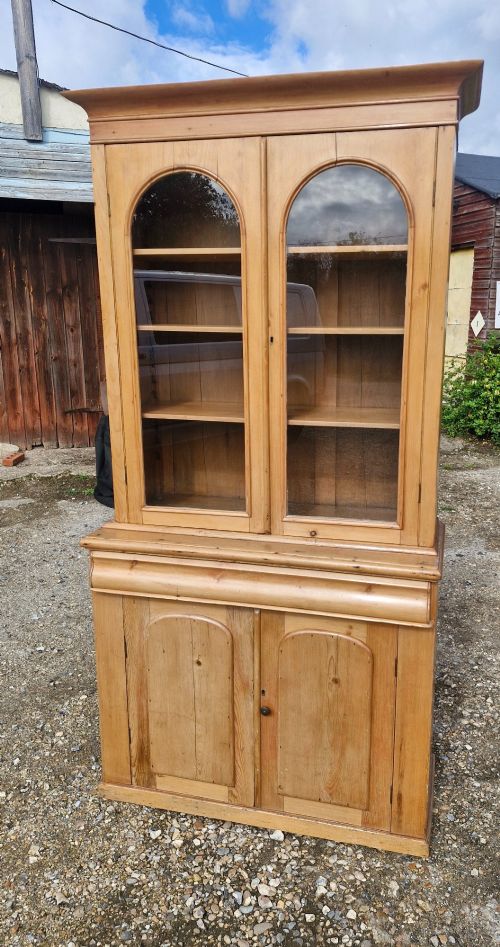
Smaller dwarf versions serve as sideboards, while larger pine units function as pantry or linen storage.
How do I date a wooden cupboard?
Dating relies on timber choices, construction techniques, and hardware styles across periods like the Georgian and Victorian eras.
Earlier pieces from seventeen hundred often show heavy oak framing, whereas later nineteenth-century items utilise mahogany and pine.
Are shelves adjustable in these cupboards?
Many historical cabinets feature fixed internal shelving or simple removable boards rather than modern adjustable tracks.
Larger library and pantry variants were built with specific storage needs in mind.
What is the difference between pine and mahogany models?
Pine cupboards typically offer a rustic or painted utility aesthetic suitable for country interiors.
Mahogany and walnut variations present formal, polished finishes intended for principal reception rooms.