

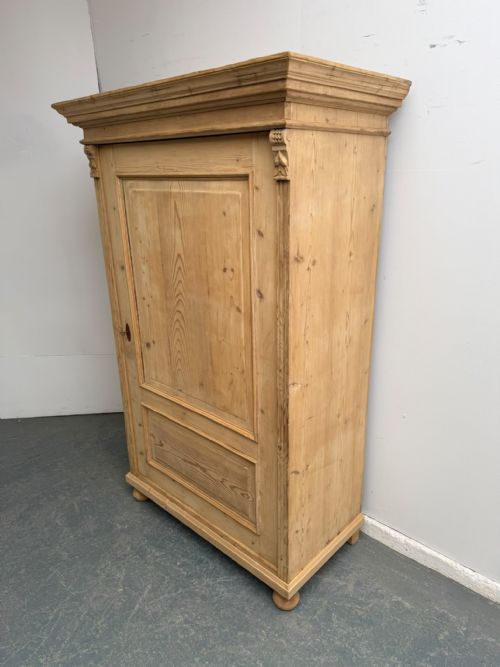
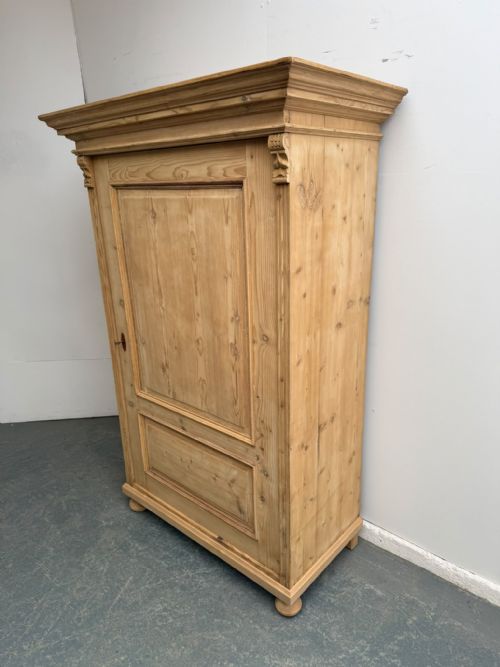


Fielded Panel Cupboard
A fielded panel cupboard offers robust timber storage, bringing substantial period character and traditional craftsmanship into any room.

What a fielded panel cupboard is
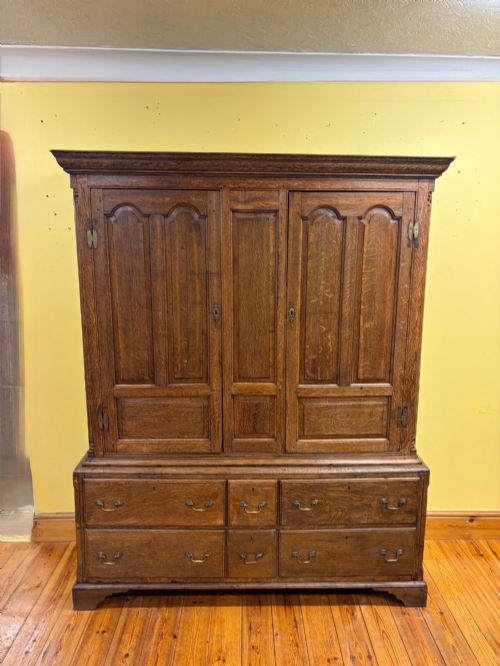
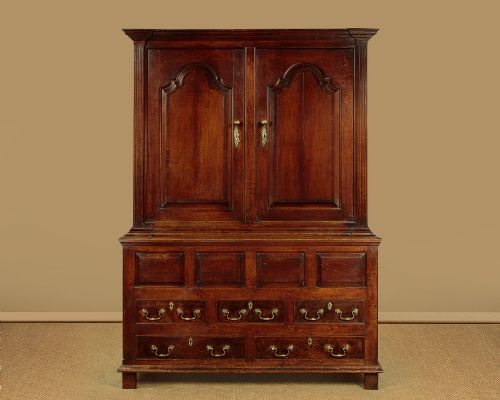
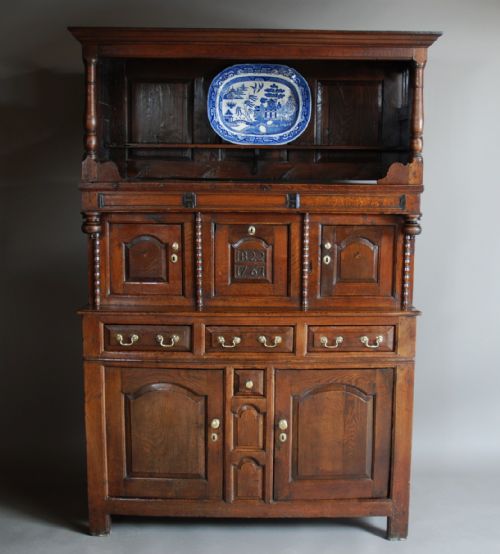
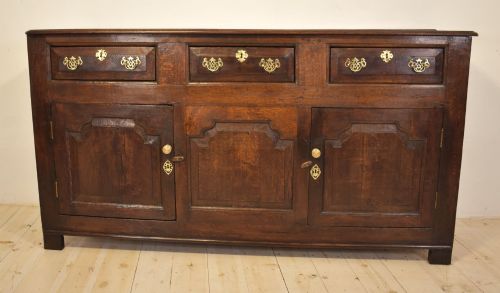
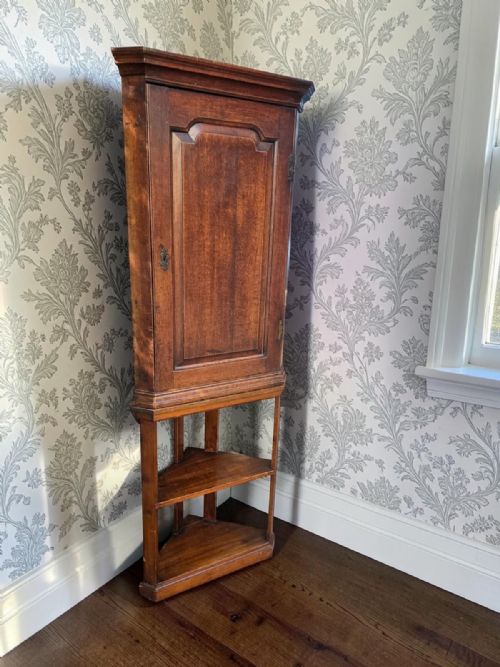
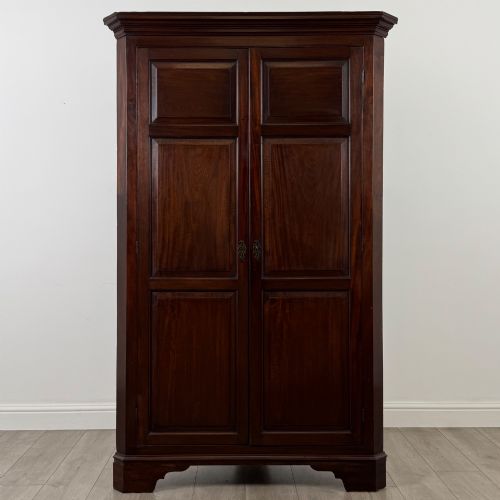
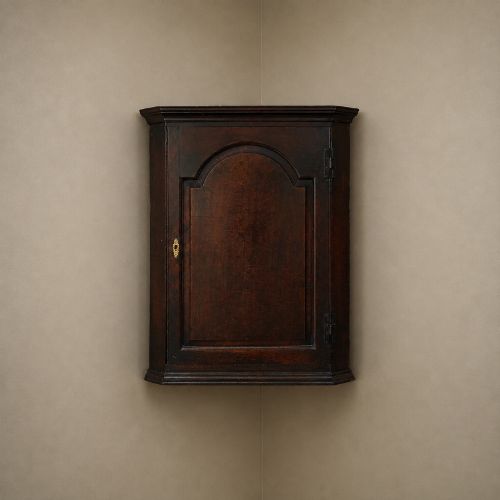
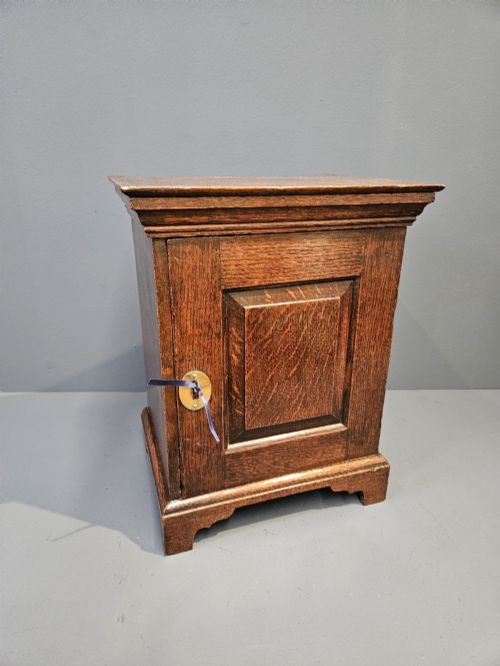
When you search for a fielded panel cupboard, you encounter substantial storage pieces built primarily from oak, pine, and yew wood. These items serve varied functions as corner cabinets, standing storage units, armoires, wardrobes, dressers, and sideboards.
The pieces on this page span the 18th century, the Georgian era, and the Victorian period, reflecting centuries of domestic utility. You are most likely to meet oak and pine examples configured as single or double door storage cupboards and corner cabinets.
Georgian country styles and traditional English designs dominate the selection, highlighting vernacular woodworking traditions. Each cabinet displays the characteristic recessed panel geometry that defines the type.
How they were made
Constructed predominantly from native hardwoods and softwoods like oak, pine, and yew, these cupboards rely on sturdy timber framing. Makers utilised seasoned boards to build durable carcases capable of withstanding decades of daily use.
Hardware elements such as brass and iron provide structural reinforcement and functional closure for doors and hinges. Surfaces are finished to showcase the natural grain of the wood, often prepared for traditional wax applications.
Retail Price Guide 2026
Typical UK retail prices for fielded panel cupboard, calculated from the Sellingantiques database of over a million retail prices indexed since 2003. This retail price guide relies exclusively on Sellingantiques data; no external sources or auction records are used, so the figures do not describe the wider market.
Some cupboards carry the subtle ghost marks of ancient iron hinges that have outlived three different kings.
What varies in quality
The calibre of a fielded panel cupboard rests on the selection of timber and the precision of the joinery. Superior examples demonstrate thoughtful alignment of grain and well-proportioned panels that accommodate natural wood movement over time.
Hardware integration and the condition of original brass or iron fixtures distinguish finer pieces from simpler utility builds. The integrity of the structural frame and the preservation of early surface treatments define the standing of each cabinet.
The Fielded Panel Cupboard Glossary
- Fielded panel
- A central wooden panel with bevelled edges that fit into a surrounding groove in the frame, reducing the risk of splitting as the wood expands and contracts. This technique adds depth and shadow lines to the cabinet facade.
- Corner cabinet
- A storage piece specifically designed to fit snugly into a room angle, maximising floor space while offering display or shelving capacity. These are frequently built with panelled doors.
- Carcase
- The main body or skeletal framework of a piece of furniture before drawers, doors, and decorative mouldings are attached. Its construction quality dictates the overall stability of the cupboard.
- Vernacular furniture
- Domestic items made by local craftspeople using regional materials and traditional methods, rather than following high-style metropolitan fashions. These pieces often feature honest construction and practical forms.
Frequently Asked Questions
Where do I put a corner cabinet?
A corner cabinet fits neatly into empty room angles, turning neglected junctions into functional storage space. They work effectively in dining rooms, hallways, or living areas.
Ensure the dimensions match the specific wall angles of your room before placement to achieve a balanced look.
How do I clean an oak cupboard?
Dust regularly with a soft, dry cloth to prevent dirt accumulation on the timber surface. Avoid modern chemical sprays that can strip traditional finishes.
Apply a quality beeswax periodically to nourish the oak and maintain a soft, protective sheen.
Can I paint a pine cupboard?
Many pine cupboards are prepared for waxing or painting, allowing you to adapt the finish to your interior decor. Traditional breathable paints suit older timbers best.
Preparation involves gentle cleaning and appropriate priming to ensure the paint adheres well to the wood grain.
What is the difference between oak and pine?
Oak is a dense hardwood known for its strength, distinctive grain patterns, and heavy weight. It has historically been used for high-status furniture and structural longevity.
Pine is a more pliable softwood that offers a lighter appearance and was traditionally favoured for painted or simpler country utility pieces.