

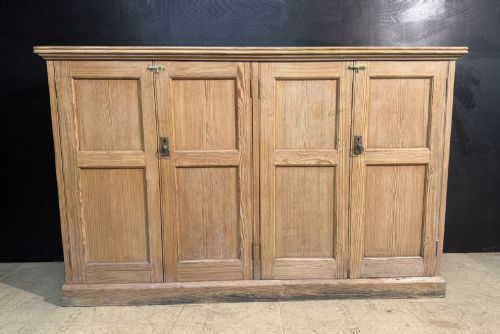
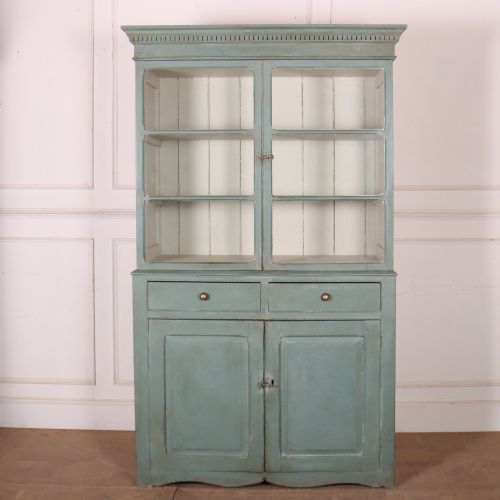
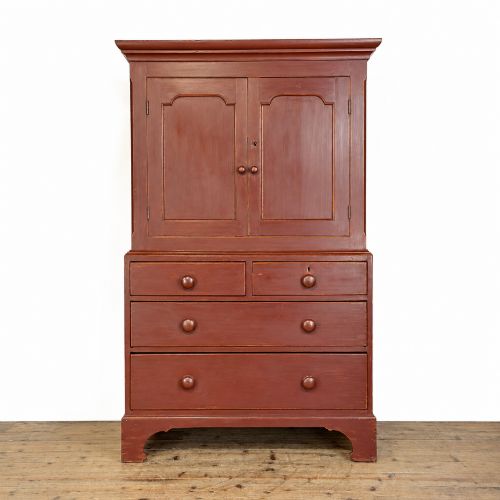

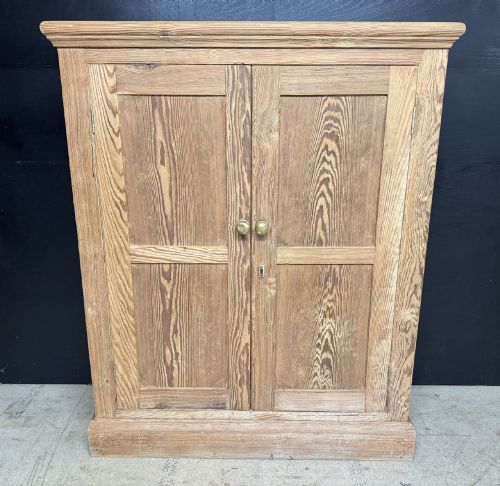

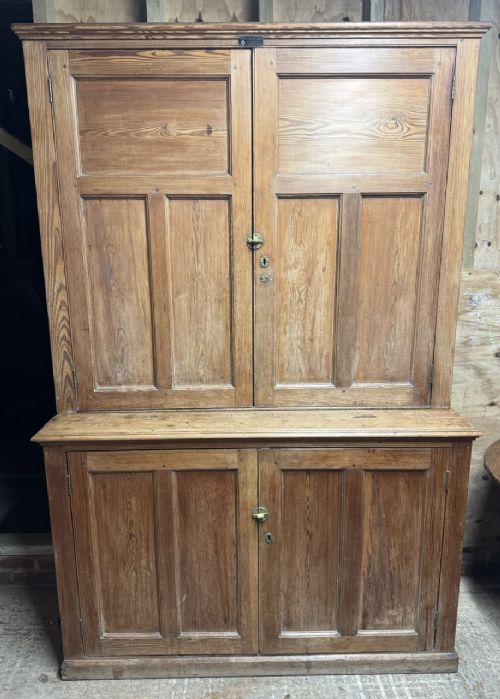

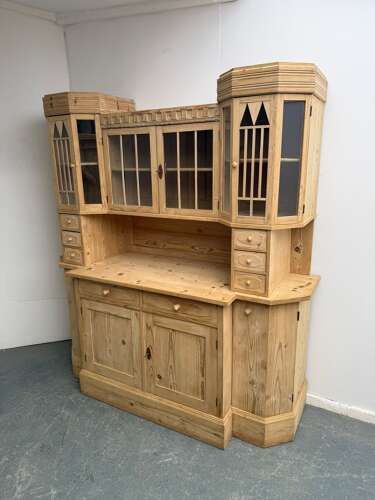
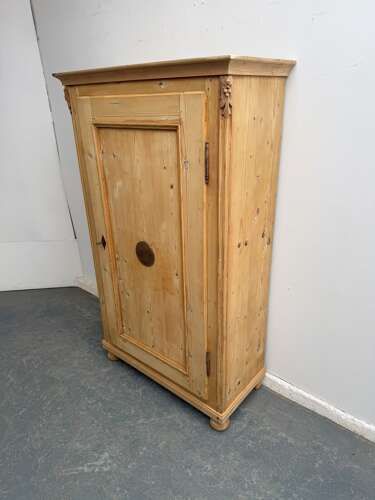
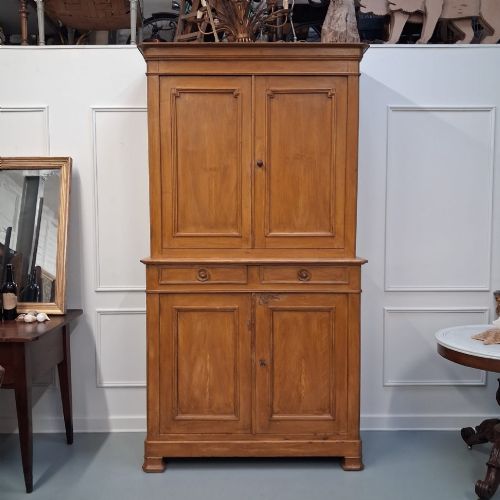
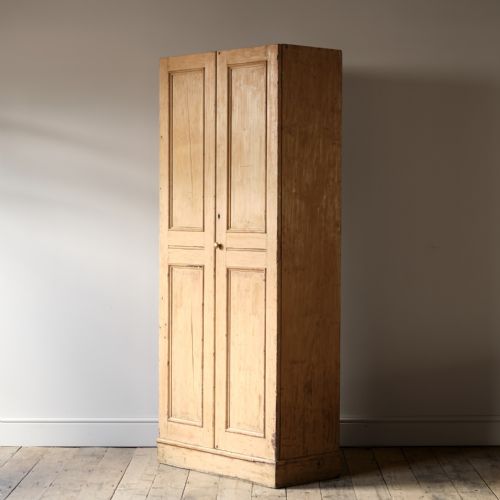
Pine Larder Cupboard
When you search for a pine larder cupboard, you find robust domestic storage built to keep provisions cool and organised in country kitchens.
Pine Larder Cupboard
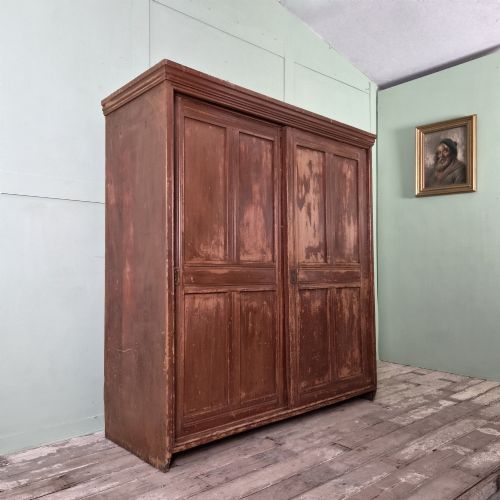
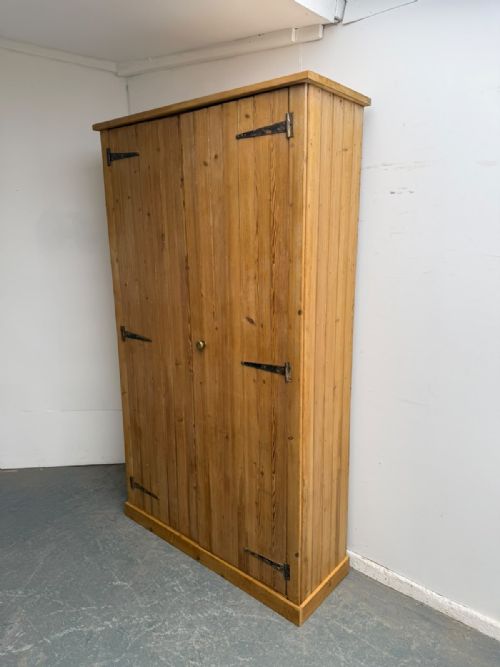
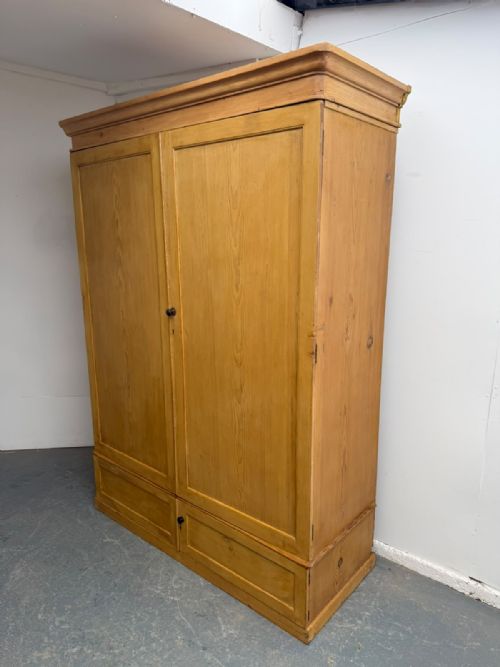
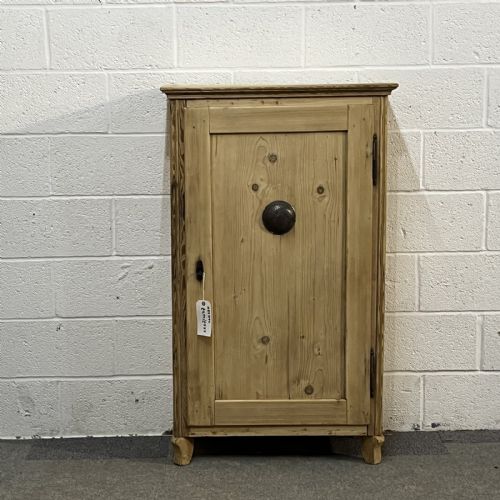
A pine larder cupboard serves as a substantial storage unit designed historically for food preservation and kitchen organisation. These pieces range from tall single-door formats to expansive multi-door cabinets fitted with interior shelving and drawers.
Most examples encountered on this page date from the Victorian period and the nineteenth century, reflecting both English country workshops and continental traditions. Buyers frequently select these cupboards to anchor a farmhouse kitchen aesthetic while providing practical daily storage.
The form often overlaps with housekeeper cupboards, kitchen dressers, and pantry bases, sharing utilitarian origins and sturdy carcass construction. Variations include glazed display doors, ventilated mesh panels for airflow, and original or later painted surfaces.
Materials and construction methods
Cabinet makers relied primarily on solid pine for the main carcass, shelves, and doors, choosing timber for its abundance and workability. Iron and brass hardware, including hinges, latches, and drawer pulls, provided durable functional support for heavy daily use.
Surfaces were frequently finished with coats of paint, wax, or left in a stripped raw state depending on regional domestic fashions. Ventilation was often integrated using pierced metal or wire mesh panels to circulate air around perishable goods stored inside.
Pine Larder Cupboard Retail Price Guide 2026
Typical asking prices for pine larder cupboard among the pieces listed under this phrase on Sellingantiques today, from the lower quarter to the upper quarter. They describe what is for sale here now, not the wider market.
Materials recorded across the inventory include solid pine, iron hardware, brass fixtures, glass panels, and various painted wooden finishes.
Determinants of quality and build
Superior pieces display thoughtful proportions, such as slender tall formats or well-balanced multi-door configurations, combined with sound timber selection. Joinery details like dovetailed drawers and neatly fitted panelled doors distinguish high-grade workshop execution from simpler utility items.
The integrity of the original hardware, hinges, and interior shelving configurations influences the overall merit of a piece. Surviving early paint finishes or dry-scraped surfaces add considerable interest compared to later, unsympathetic modern coatings.
The Pine Larder Cupboard Glossary
- Fielded
- A panel with bevelled or recessed edges designed to fit securely within a sturdier door frame. This technique accommodates wood movement while adding depth to the furniture face.
- Housekeeper cupboard
- A large storage cabinet traditionally used by domestic staff for linens, dry goods, and provisions. These units often feature a combination of deep cupboards and internal drawer banks.
- Vented
- Fitted with perforated metal or wire mesh inserts to permit air circulation inside the cabinet. This design kept stored food items cool and fresh before mechanical refrigeration.
- Waxed
- Treated with protective wax polish to nourish the timber grain and impart a soft sheen. This finish highlights knots and natural variations in the pine surface.
- Dry scraped
- A conservation method where later layers of paint are carefully removed to reveal original underlying colour schemes. This process uncovers authentic historical patination.
Pine Larder Cupboard: Frequently Asked Questions
How do I use a larder cupboard in a modern kitchen?
These cabinets offer deep vertical storage that works well for pantry items, crockery, or everyday kitchen equipment. Interior shelves accommodate jars and dry goods while lower drawers sort smaller utensils.
Positioning the cupboard against a dining room or kitchen wall establishes a focal point with practical daily capacity. Proper clearance around doors ensures smooth access to contents.
What is the difference between a larder cupboard and a dresser?
A larder cupboard primarily encloses storage behind solid or panelled doors to protect provisions from light and pests. Dressers often incorporate open plate racks or display shelving on the upper section.
Both forms share similar nineteenth-century country origins and pine construction materials. Choosing between them depends on whether you prefer concealed storage or visible display space.
How can I tell the age of a pine cupboard?
Examination of construction marks, nail types, and backboards helps determine the period of manufacture. Hand-cut dovetails and pegged joints typically point towards nineteenth-century craftsmanship.
Surface patination and wear patterns around handles offer further clues regarding age. Later twentieth-century reproductions generally display uniform machine milling and modern fixings.
Should I strip or paint my pine cupboard?
Deciding on a finish depends on the current state of the timber and existing historical paint layers. Pieces with remnants of original or early paint benefit from preservation rather than aggressive stripping.
Unpainted or later painted examples can be waxed to reveal the natural grain or repainted to suit interior schemes. Consulting the listed surface condition helps guide your approach.