




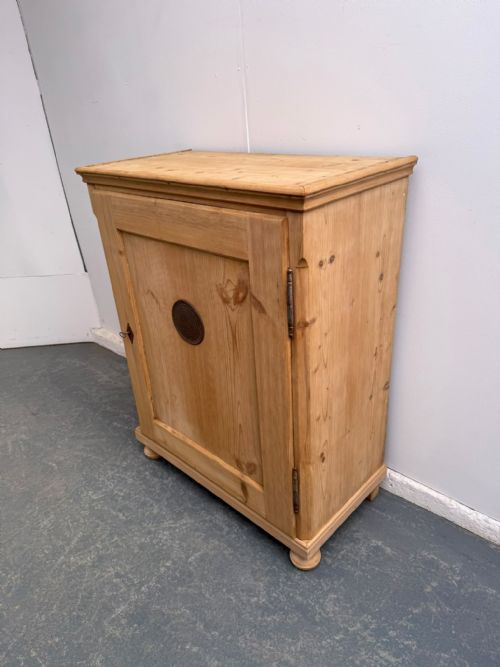
Victorian Pine Larder
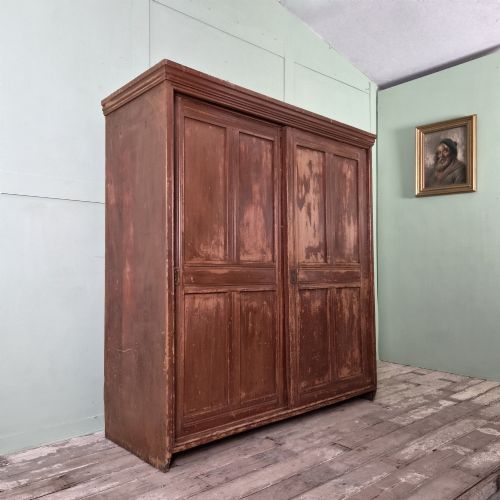
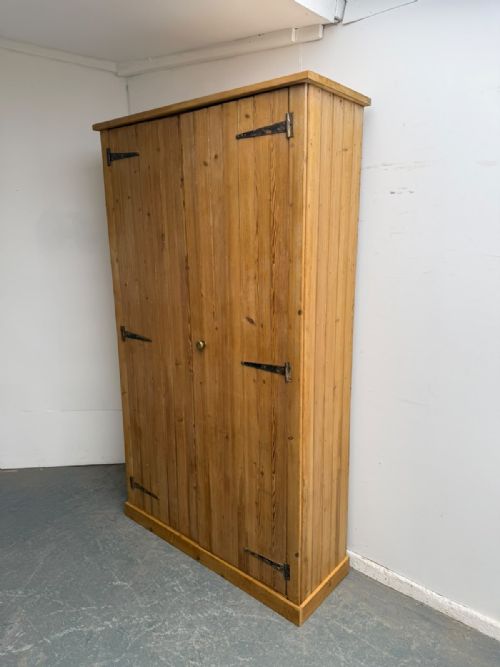
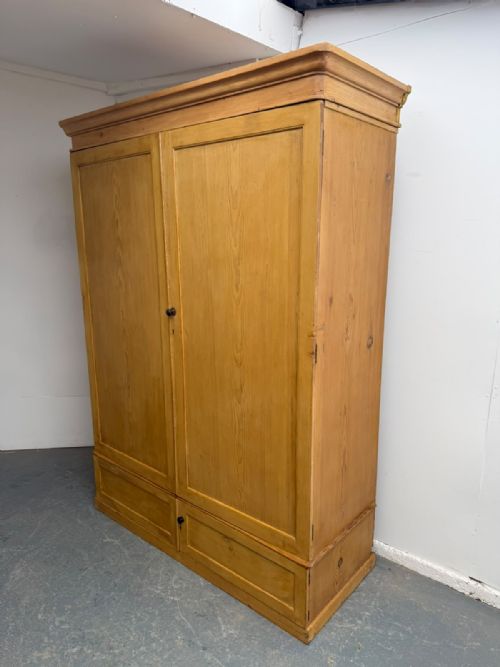
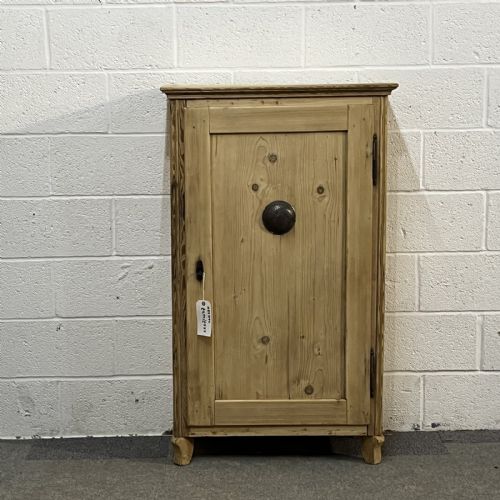
A victorian pine larder brings honest utility to a kitchen, offering generous shelving for provisions inside solid timber doors.
Victorian Pine Larder
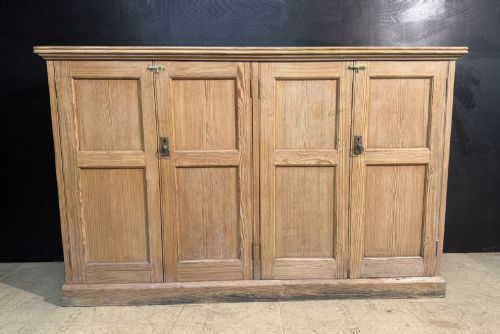
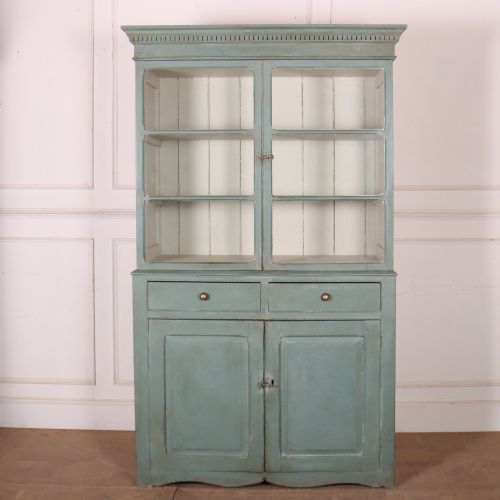
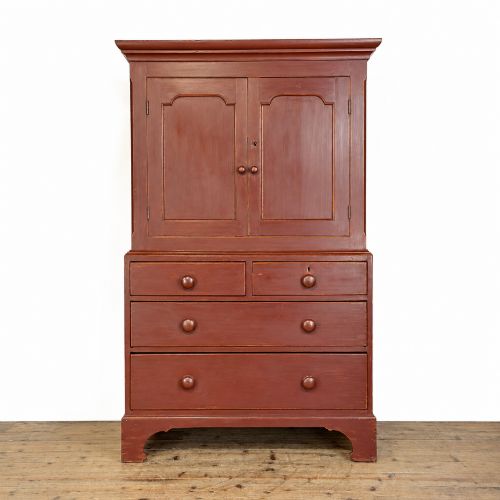
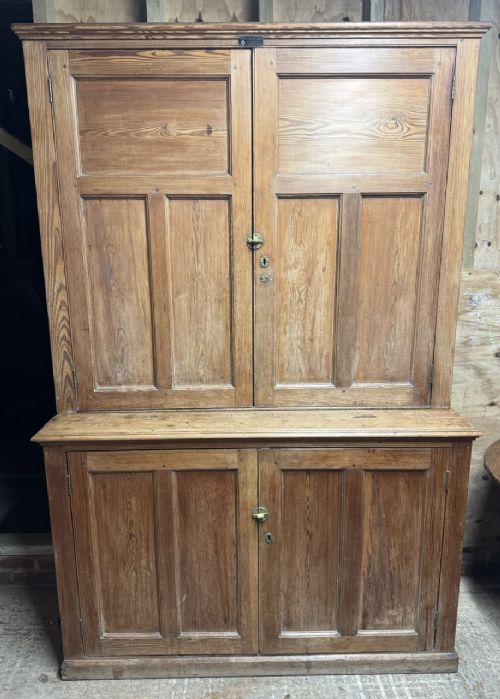
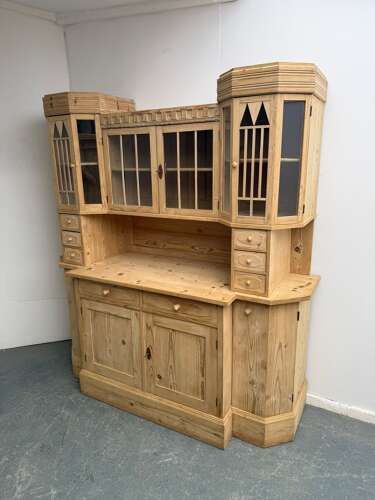
A victorian pine larder encompasses large storage cupboards, housekeeper's cupboards, and kitchen dressers designed to store food and household provisions. These pieces originate primarily from the nineteenth century, including Edwardian examples, and span regional styles such as English, Scottish, and French country. Buyers most frequently encounter tall single or multi-door configurations, often featuring vented panels for air circulation or glazed sections for display. The construction ranges from simple utilitarian storage to grander two-part dressers and school or chapel cabinets adapted for domestic use.
The materials recorded across these pieces combine solid pine carcasses with iron and brass hardware, occasionally supplemented by glass in cabinet doors. Many surfaces retain layers of old paint or historic finishes, while others are offered stripped and waxed.
Materials and construction
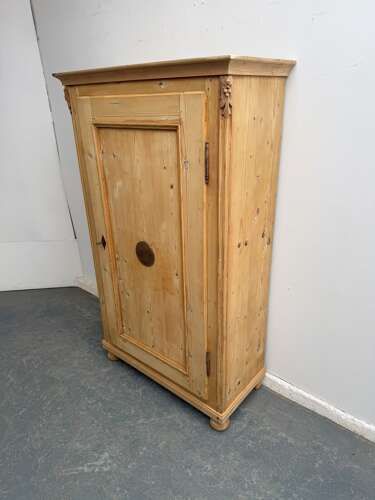
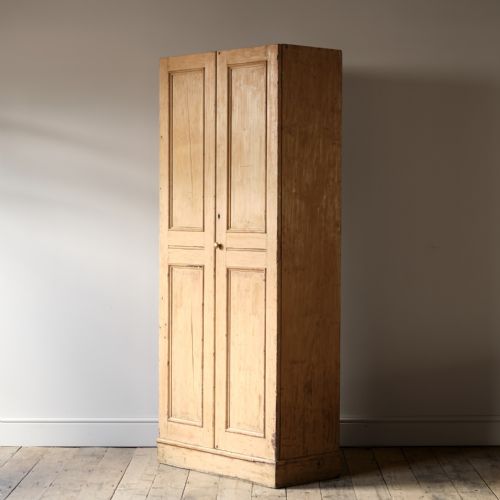
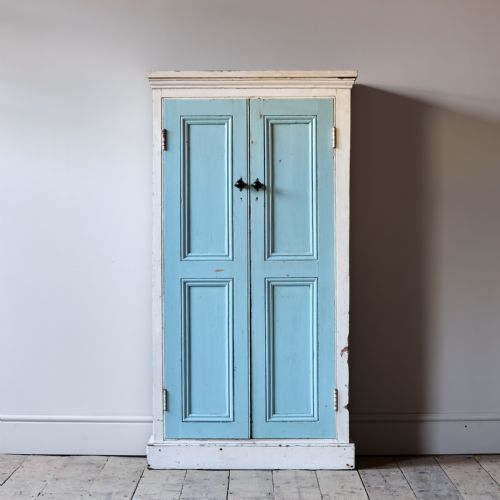
Carpenters built these larders using solid pine planks assembled with traditional joinery, often incorporating fielded panels and beaded mouldings to give structure to large doors. Iron hinges and brass latches secure the openings, while ventilation holes or wire mesh panels were integrated into specific food cupboards to keep provisions cool and fresh. Surfaces often display the marks of long utility, with original paint finishes applied to protect the soft timber. Many pieces show evidence of subsequent stripping, allowing buyers to choose between painted exteriors and waxed natural wood.
Victorian Pine Larder Retail Price Guide 2026
Typical asking prices for victorian pine larder among the pieces listed under this phrase on Sellingantiques today, from the lower quarter to the upper quarter. They describe what is for sale here now, not the wider market.
Listings feature nineteenth-century and Edwardian pieces constructed from pine, often accented with iron and brass hardware.
Distinguishing quality
Quality in a victorian pine larder is defined by the integrity of its proportions, the retention of original hardware, and the character of its surface finish. Pieces that preserve their early or original paint layers command particular interest compared to those with modern alterations. Internal arrangement also separates standard utilitarian cupboards from finer housekeeper's variants, with well-configured shelving and original drawers reflecting superior domestic craftsmanship. The thickness of the timber and the subtlety of mouldings further distinguish regional country pieces from standard workshop production.
The Victorian Pine Larder Glossary
- Fielded panel
- A central wooden section within a door frame with bevelled edges that fit into a groove, allowing the wood to expand and contract without splitting.
- Housekeeper's cupboard
- A large storage piece, traditionally used for linen or dry goods, typically featuring multiple doors and internal shelving.
- Vented cupboard
- A storage unit incorporating pierced panels, mesh, or drilled holes to permit airflow, essential for preserving food before refrigeration.
- Dry scraped
- A conservation technique that removes modern overpaint to reveal earlier or original decorative schemes beneath.
- Two-part dresser
- A piece constructed in separate upper and lower sections, combining a base cabinet with an upper display or storage cabinet.
Victorian Pine Larder: Frequently Asked Questions
What is a victorian pine larder?
A victorian pine larder is a large wooden storage cabinet built in the nineteenth century to store food, provisions, and household goods. These pieces typically feature solid pine construction with internal shelving and sturdy doors.
They served as the main food storage before modern refrigeration, utilising deep cabinets to keep perishables cool and organised.
Should I choose painted or waxed pine?
The choice between painted and waxed pine depends on the existing finish preserved on the piece. Many larders retain historic layers of paint, while others have been stripped down to show the natural grain of the soft timber.
Both finishes are historically valid, though original paint provides a more authentic record of the cabinet's domestic history.
How do I fit a larder into a modern kitchen?
These larders function as freestanding pantry units, offering extensive vertical storage without requiring fitted cabinetry. Their generous internal shelving accommodates dry goods, crockery, and kitchenware.
Measuring the ceiling height and floor space carefully is essential, as nineteenth-century dimensions and proportions often exceed standard modern furniture.