

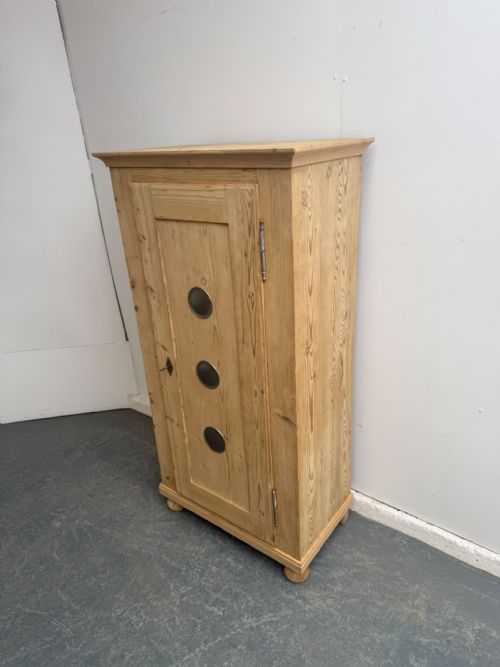
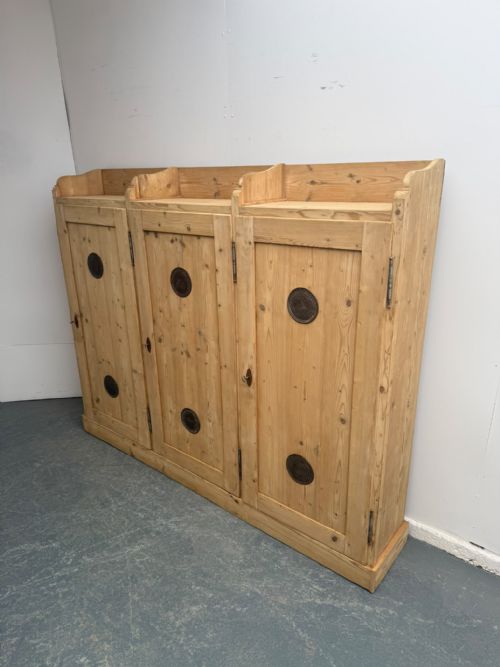
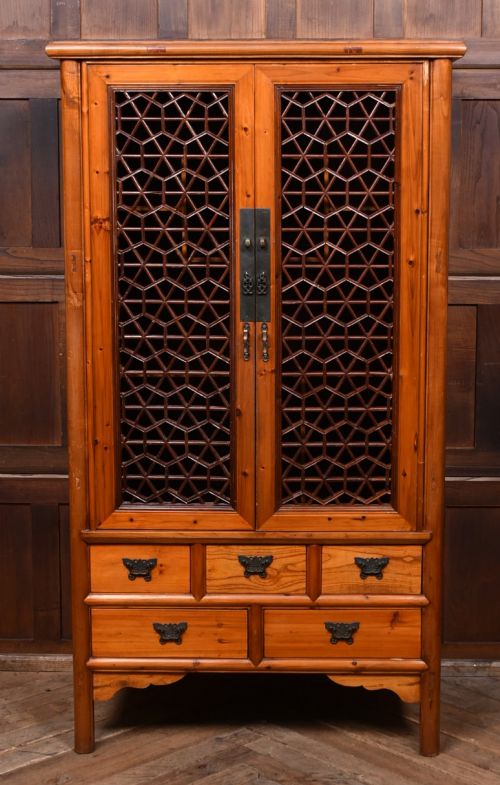


Natural Pine Food Safe
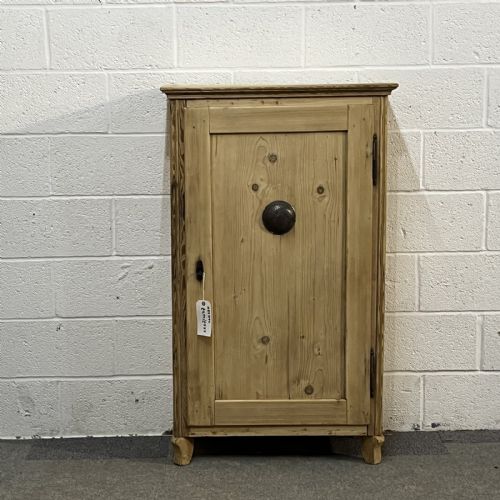
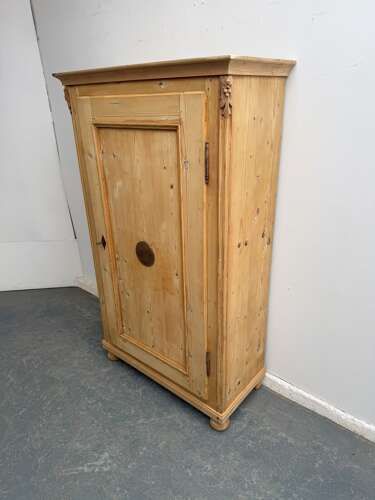
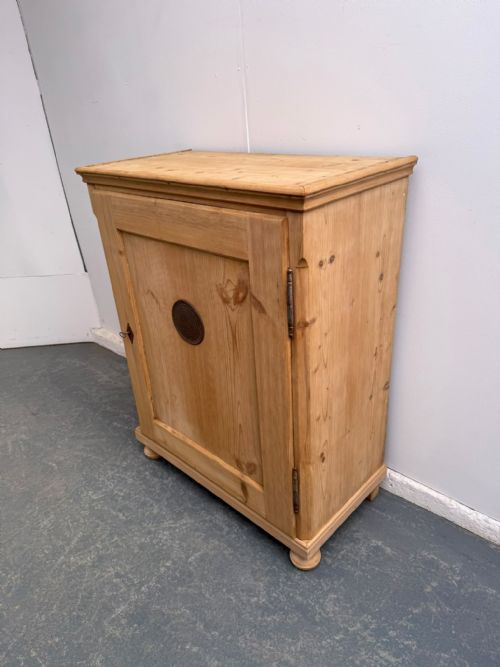
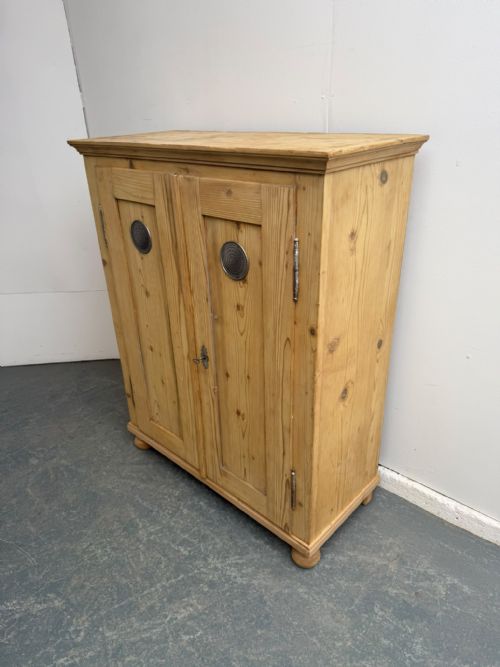
A natural pine food safe is a practical timber cupboard designed to store provisions, bringing honest utility and period character to any kitchen.
Natural Pine Food Safe
When you search for a natural pine food safe, you encounter robust storage cupboards originating from various historical eras including the Georgian and Victorian periods, alongside nineteenth-century examples. These items serve as functional larders and pantries designed to hold kitchen provisions securely.
Many examples arrive ready to wax or paint, allowing buyers to finish the timber according to their interior preference. Vented doors appear frequently across the Victorian selection, indicating their original purpose for perishable storage before mechanical refrigeration.
How they were made
Construction relies primarily on solid pine timber, selected for its accessibility and workability in country workshops. Iron and brass hardware such as hinges, handles and ventilation grilles are integrated to secure the doors and protect contents.
Makers utilised traditional joinery techniques suitable for utilitarian furniture, building sturdy carcases designed to withstand daily domestic use. Ventilation panels incorporate pierced metal or perforated screens to permit airflow while keeping pests away from food stores.
Natural Pine Food Safe Retail Price Guide 2026
Typical asking prices for natural pine food safe among the pieces listed under this phrase on Sellingantiques today, from the lower quarter to the upper quarter. They describe what is for sale here now, not the wider market.
Many Victorian cupboards were built with perforated metal panels just so the cheese could breathe without the flies joining in.
What varies in quality
Quality in these cupboards rests on the integrity of the original timber frame and the proportion of the piece. Well-proportioned examples with balanced door and drawer arrangements show greater harmony than utilitarian utility builds.
The preservation of original hardware, functional ventilation panels and uncompromised structural pine elevates an item above standard workshop alterations. Finer pieces retain their authentic surface texture, providing a clearer record of their period origin.
The Natural Pine Food Safe Glossary
- Food safe
- A ventilated cupboard specifically designed to store perishable food items securely away from insects and domestic animals. These cabinets often feature perforated metal or mesh panels in the doors for air circulation.
- Vented
- Fitted with pierced panels, grilles or wire mesh to allow continuous airflow through the cabinet interior. This design prevents moisture accumulation around stored provisions.
- Larder cupboard
- A tall storage unit traditionally utilised for keeping dry goods, dairy and meats cool before the advent of domestic refrigeration. They often incorporate multiple internal shelves and drawers.
- Pine
- A softwood commonly used for vernacular and country furniture throughout the Georgian and Victorian eras. It takes wax finishes well and provides a sturdy carcase for domestic storage.
- Meiji
- A Japanese historical period spanning from eighteen sixty-eight to nineteen twelve, during which distinct cabinetry styles developed. Pieces from this era reflect traditional Eastern craftsmanship adapted for storage.
Natural Pine Food Safe: Frequently Asked Questions
What is a natural pine food safe?
A natural pine food safe is a utilitarian storage cupboard built to keep kitchen provisions fresh before modern refrigeration existed. They rely on timber construction and ventilated panels to circulate air.
These cabinets appear in various regional styles, including Georgian and Victorian country pieces, alongside nineteenth-century international examples like Japanese Meiji larder cupboards.
How were these cupboards used?
Families used these cupboards to store food items safely away from pests while allowing air to circulate through vented doors. They functioned as the central pantry furniture in kitchens before built-in cabinetry became standard.
Over time, many of these utility cabinets transitioned into general storage cupboards for linens, crockery, or dry goods in domestic settings.
How do I date a pine food safe?
Dating relies on examining construction methods, hardware types, and stylistic indicators associated with periods like the Georgian or Victorian eras. Details such as drawer dovetailing and the design of iron or brass fittings help establish the age.
Specific listings also point to exact manufacture years or broader regional traditions, such as nineteenth-century Eastern European folk styles, to provide historical context.
How do I care for antique pine furniture?
Maintaining antique pine involves keeping the timber away from direct heat sources and sudden humidity changes that cause wood to split. Many pieces are supplied ready to wax or paint, allowing you to nourish the wood surface appropriately.
Regular application of traditional beeswax preserves the natural grain and protects the pine without sealing the timber beneath synthetic layers.