

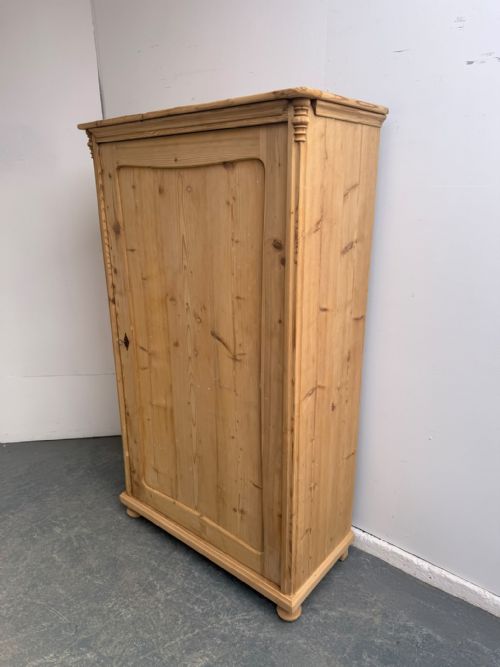

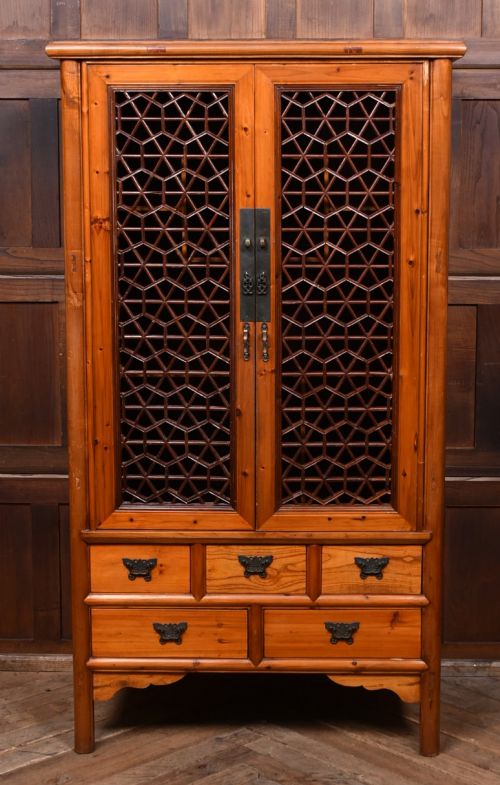


Freestanding Pine Pantry
A freestanding pine pantry offers substantial utility and rustic charm, bringing historic storage straight into the modern kitchen.
Freestanding Pine Pantry
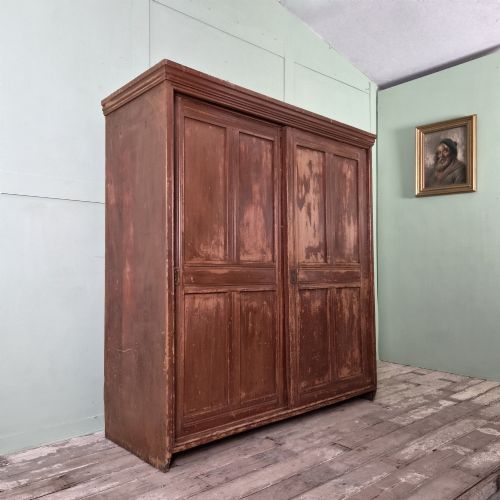
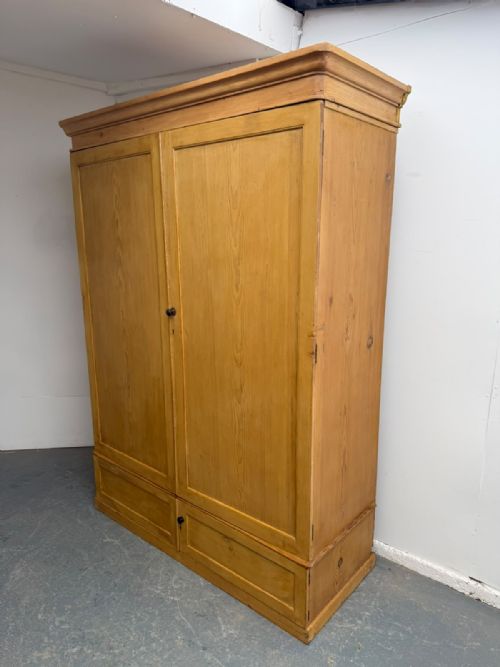
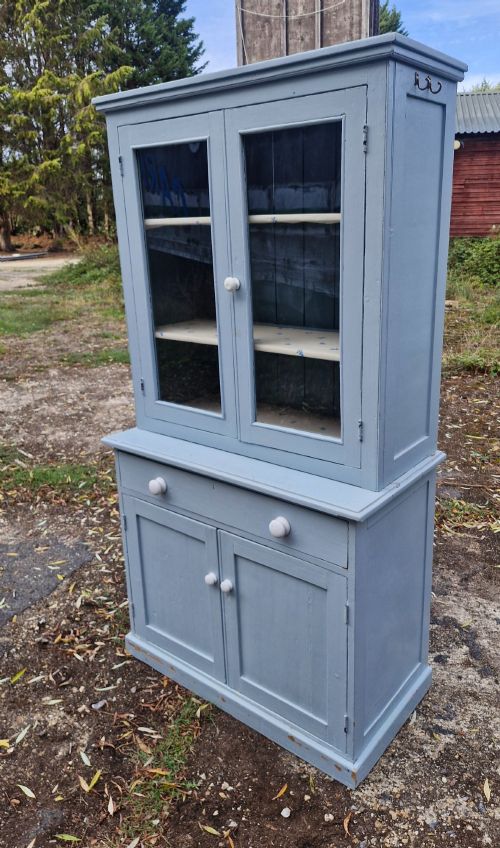
A freestanding pine pantry provides versatile kitchen storage, encompassing larder cupboards, housekeepers cupboards, and kitchen dressers. These pieces emerge predominantly from the nineteenth century and the Victorian era, showcasing domestic utility from earlier times.
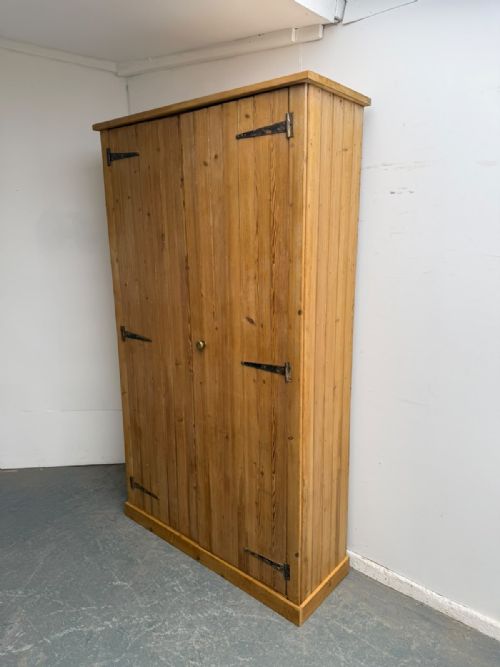
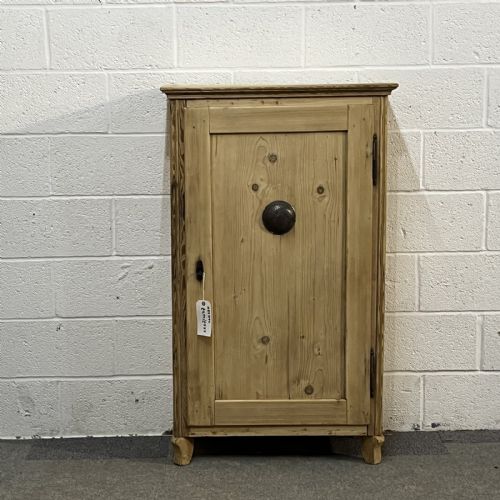
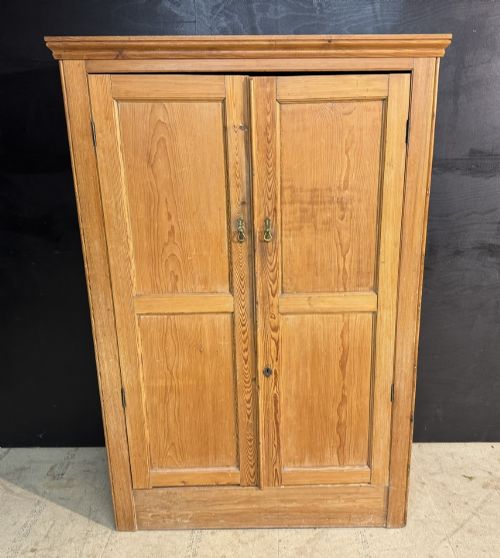
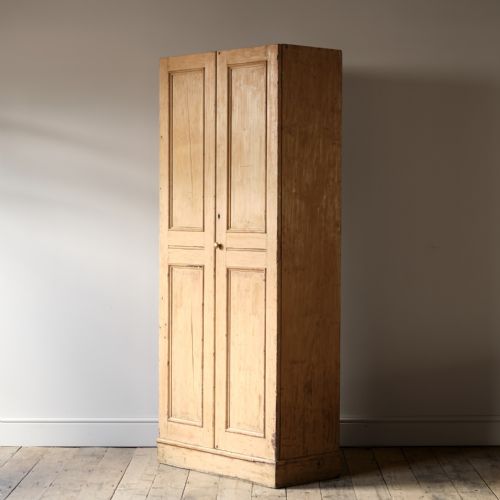
Buyers frequently encounter varieties finished in original paint, or prepared for waxing and painting according to preference. Forms range from compact single door vented cupboards to expansive four door and two part kitchen cupboards.
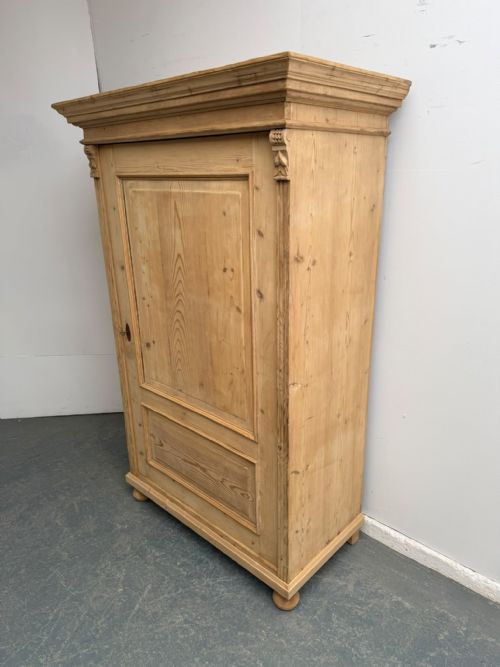
Regional and international influences appear across the selection, including English country examples, Welsh vernacular pieces, and Eastern European folk storage. Each variant serves the primary domestic purpose of food and linen storage with distinct regional joinery.
Materials and construction methods
Construction relies primarily on solid pine, frequently accented with iron hinges, brass fixtures, and occasionally glass elements. These materials ensure robust everyday function while maintaining the characteristic warmth of softwoods.
Surface treatments vary between historic painted finishes, such as original paint on housekeeper cupboards, and bare wood ready for waxing. Joinery techniques reflect traditional vernacular woodworking, utilising fielded panels, beaded details, and functional ventilation.
Freestanding Pine Pantry Retail Price Guide 2026
Typical asking prices for freestanding pine pantry among the pieces listed under this phrase on Sellingantiques today, from the lower quarter to the upper quarter. They describe what is for sale here now, not the wider market.
Bread and cheese found their very own dedicated cupboards, proving that historic households took their snack storage remarkably seriously.
Assessing quality in antique storage
Quality reveals itself through the integrity of the timber, the preservation of original surface finishes, and the structural soundness of the frame. Pieces retaining their early paintwork or untouched patination command greater interest among collectors.
Proportion and scale distinguish finer vernacular pieces from standard utilitarian units. Superior examples exhibit thoughtful detailing such as beaded doors, fielded panels, and balanced hardware that reflect the maker's care.
The Freestanding Pine Pantry Glossary
- Fielded panel
- A wooden panel with thinned edges designed to fit snugly into a grooved frame while allowing for natural wood movement. This technique adds depth and visual interest to cupboard doors.
- Housekeeper's cupboard
- A large storage piece traditionally used in country houses for linens, dry goods, and provisions. These multi-door units often feature deep shelving and internal compartments.
- Larder cupboard
- A tall storage unit originally designed for food preservation and cool storage before domestic refrigeration. They frequently incorporate ventilated panels to encourage air circulation.
- Vernacular furniture
- Domestic objects made by local craftsmen using regional materials and traditional techniques, prioritising utility over high-style academic design. These pieces tell the story of everyday regional life.
Freestanding Pine Pantry: Frequently Asked Questions
What is a freestanding pine pantry?
A freestanding pine pantry is a movable storage unit designed for kitchen provisions, dry goods, or household linens. These pieces stand independently without the need for fitted installation.
They appear in various historic forms, including larder cupboards, housekeeper cupboards, and kitchen dressers, mostly dating from the eighteenth and nineteenth centuries.
How were these pantries originally used?
These cupboards served as the central storage hub for domestic food preservation, dry goods, and household linens before modern refrigeration. Households relied on them to keep provisions organised and protected from pests.
Many incorporated vented panels or specialised compartments for items like bread and cheese, ensuring proper airflow around perishable goods.
How do I care for a painted pine cupboard?
Caring for a painted pine cupboard involves keeping it away from direct heat sources and dramatic humidity fluctuations that cause the wood to warp. Regular dusting with a soft, dry cloth preserves the historic surface.
Avoid harsh chemical cleaners, especially on pieces retaining their original paint finishes, to protect the fragile historic patination.
How can I tell the age of a pine pantry?
Dating a pine pantry involves examining the construction methods, nail types, hinge styles, and overall wear patterns. Hand-cut nails and traditional joinery point towards earlier Georgian and nineteenth-century origins.
Stylistic cues, such as Victorian beadwork or vernacular regional quirks, further narrow down the period of manufacture.