


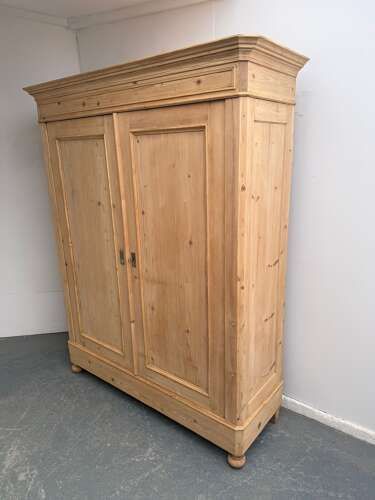
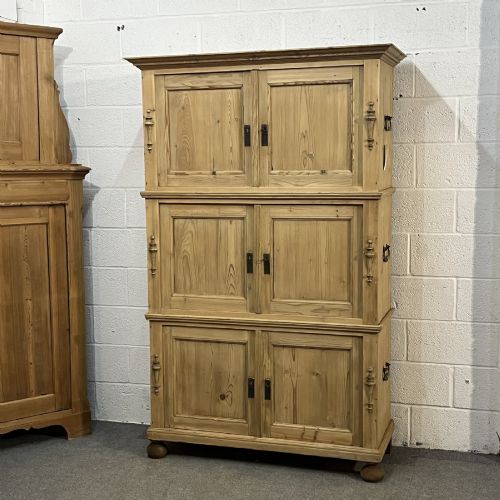

Natural Pine Cabinet
Natural pine cabinet pieces are honest utility items built for storage, offering practical room utility through straightforward timber construction.
Natural Pine Cabinet
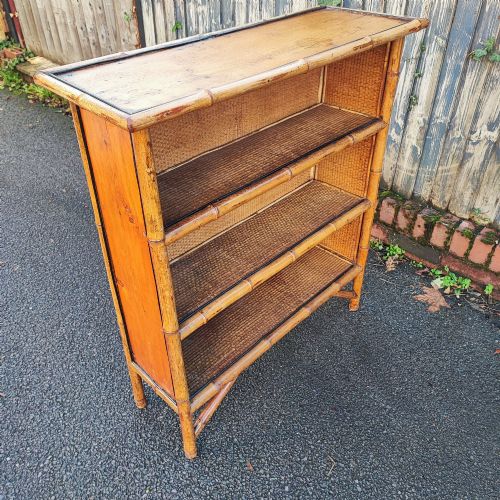
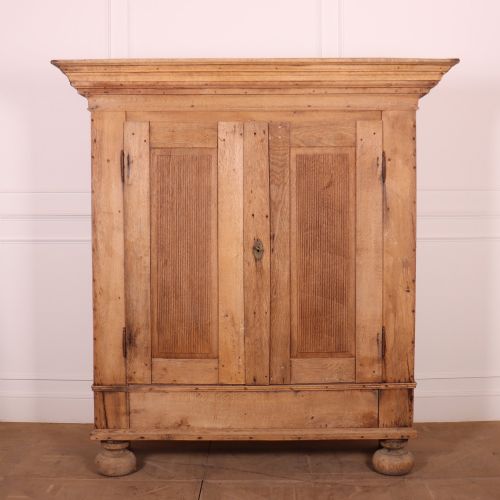
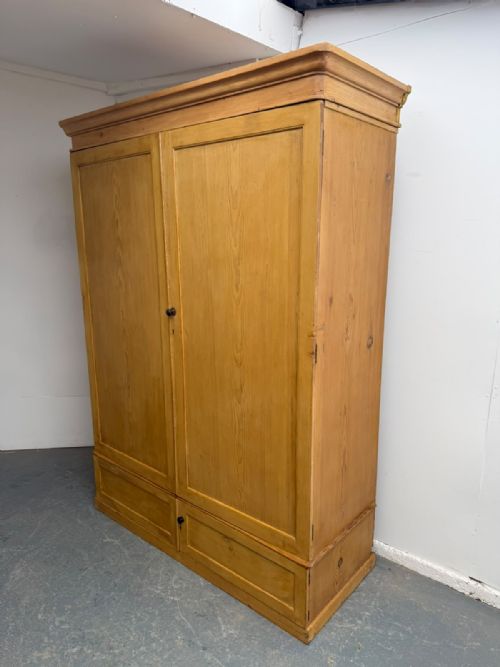
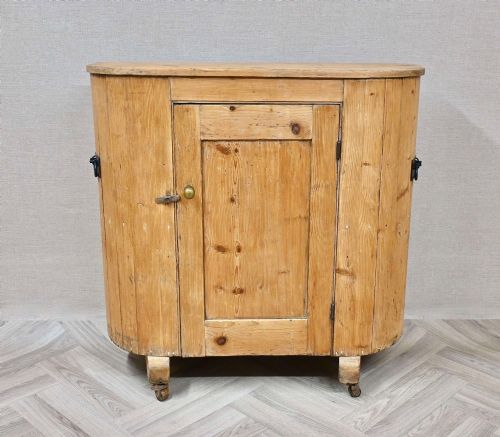
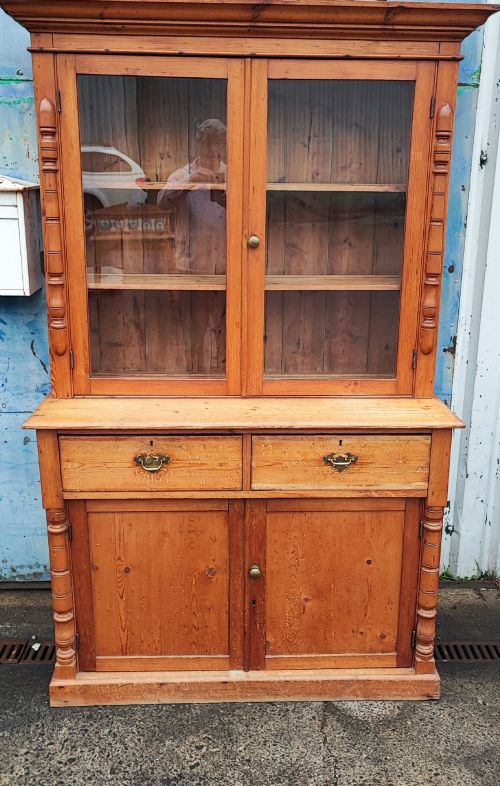
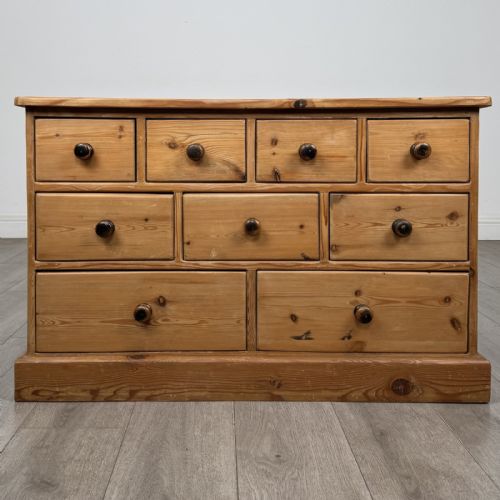
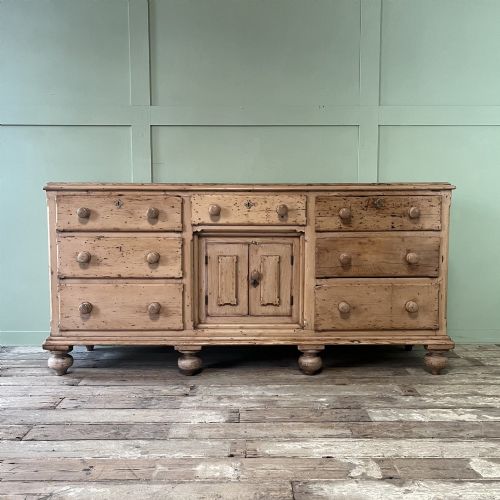
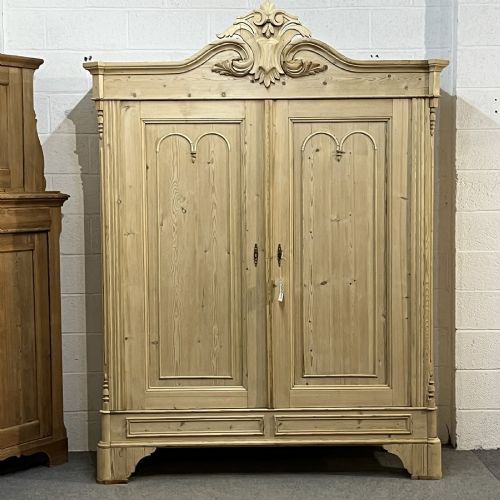
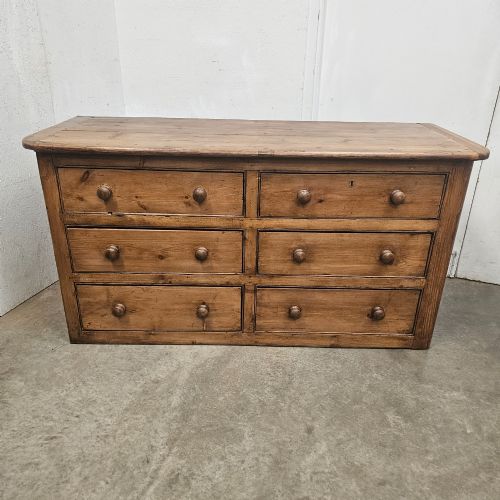
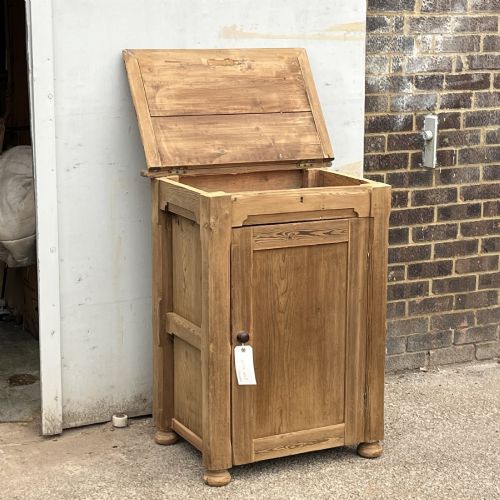
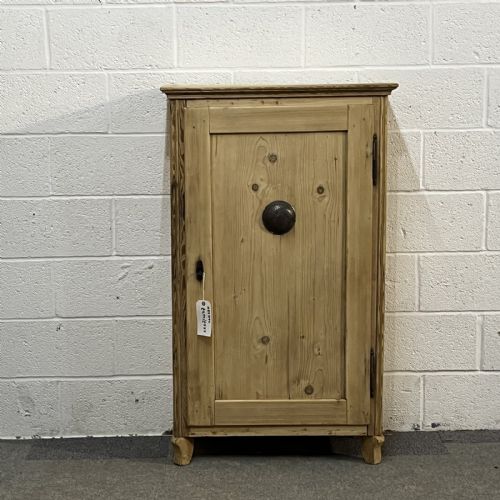
A natural pine cabinet encompasses a wide range of utility furniture, stretching from larder cupboards and kitchen dressers to wardrobes, bookcases and corner units.
Buyers browsing this selection will frequently encounter Victorian pieces, alongside examples from the Georgian era, nineteen hundred, and nineteen ten.
The assortment includes regional forms such as French provincial and rustic farmhouse styles alongside standard British vernacular designs.
Materials and Construction
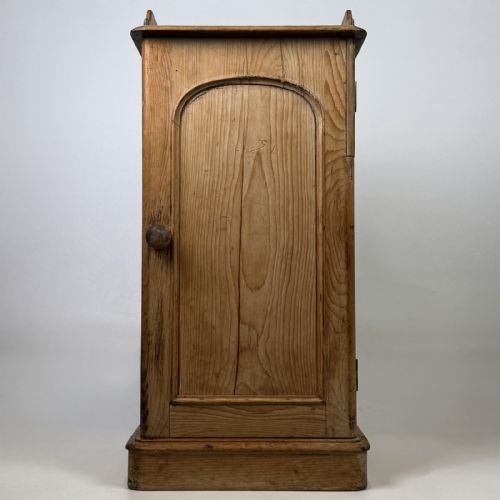
Makers utilised primary timbers of pine and pitch pine, occasionally pairing them with ash for specific furniture types like bedside cabinets.
Hardware components incorporate iron, brass, and metal hinges, handles, and fixings to secure doors and drawers.
Surfaces frequently show evidence of historical wax finishes, unpainted stripped timber, or painted elements alongside glazed glass doors.
Natural Pine Cabinet Retail Price Guide 2026
Typical asking prices for natural pine cabinet among the pieces listed under this phrase on Sellingantiques today, from the lower quarter to the upper quarter. They describe what is for sale here now, not the wider market.
Listings span periods from the Georgian era through the Victorian epoch and into the early twentieth century, incorporating ash, glass, and brass elements.
Evaluating Quality
Structural integrity separates basic utility boxes from finer domestic furniture, determined by the original joinery methods and the thickness of the timber boards.
Proportion and scale dictate visual success, where well-balanced cornices, panelled doors, and original hardware elevate simpler vernacular pieces.
The handling of the timber surface, whether left in a clean stripped state or retaining honest traces of historic paint and wax, defines the character of each piece.
The Natural Pine Cabinet Glossary
- Knockdown
- A piece of furniture designed to be dismantled into sections for ease of transport and installation. This construction method was particularly common for large wardrobes.
- Dresser base
- The lower section of a kitchen dresser, usually comprising cupboards and drawers beneath a flat top surface. It often functions independently as a sideboard.
- Larder cupboard
- A tall storage piece originally intended for food preservation and kitchen provisions. These typically feature panelled or vented doors for ventilation.
- Upstand
- A vertical extension rising above the top surface of a piece of furniture, such as a bedside cabinet. It prevents items from sliding off the back.
- Faux bamboo
- A decorative technique where timber is turned and carved to imitate natural bamboo stalks. This style appeared on mid-nineteenth-century items.
Natural Pine Cabinet: Frequently Asked Questions
What is a natural pine cabinet?
A natural pine cabinet is a functional storage item made from softwood timber, encompassing wardrobes, cupboards, and dressers.
These items range from simple domestic utility pieces to more decorative examples shaped by Victorian and Georgian furniture traditions.
How do I date a pine cabinet?
Dating relies on observing construction methods, handle types, and overall design characteristics linked to periods such as the nineteenth century.
Victorian and Georgian pieces often display specific proportions, timber patination, and joining techniques that distinguish them from later twentieth-century items.
Are these cabinets painted or stripped?
Many items retain their historic painted surfaces or are offered in a stripped wax finish that exposes the grain.
Buyers often select pieces depending on whether they prefer the raw timber look or traditional painted farmhouse aesthetics.
How were knockdown wardrobes assembled?
Knockdown wardrobes utilise modular panels and internal bolts or wedges that allow the main frame to separate into flat sections.
This practical design enabled large bedroom furniture to be moved easily between rooms and up narrow staircases.