

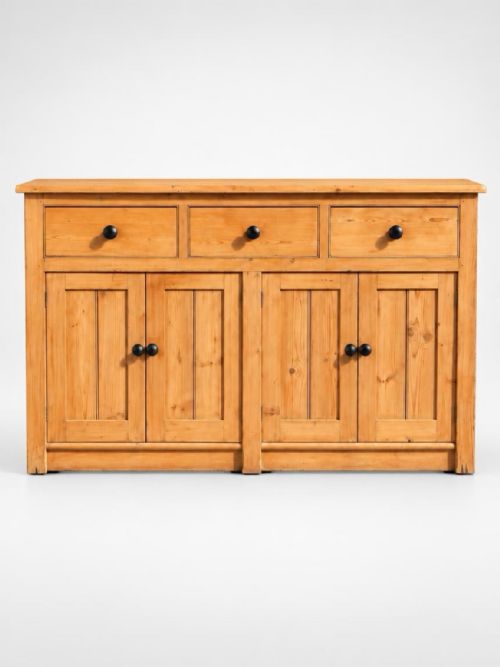
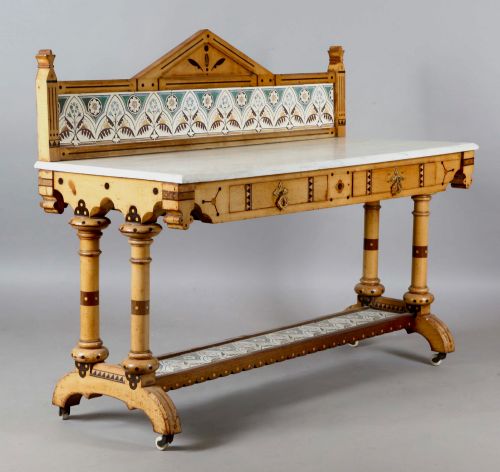

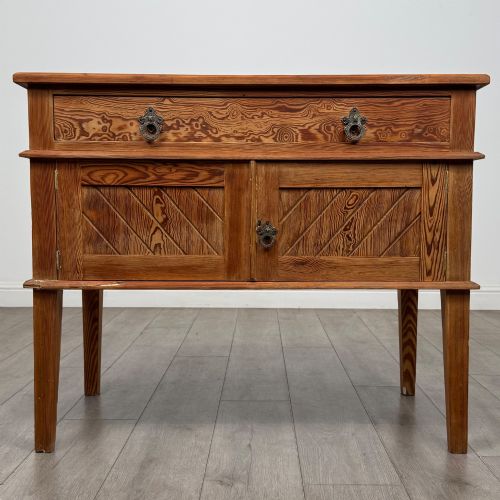
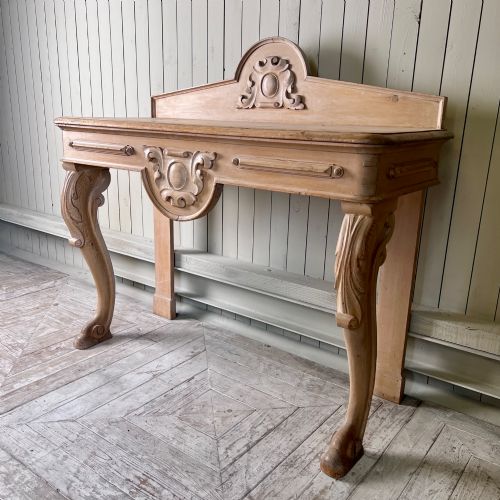


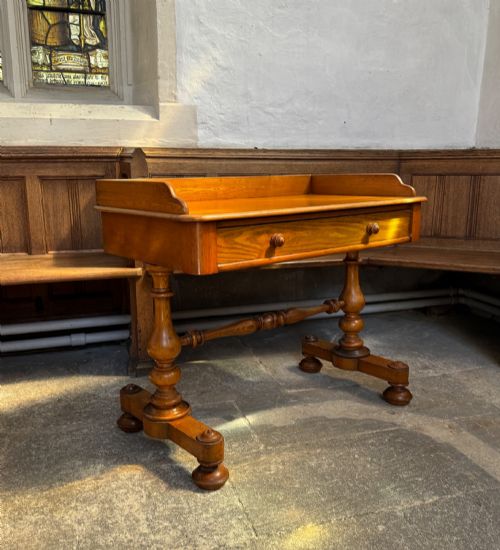
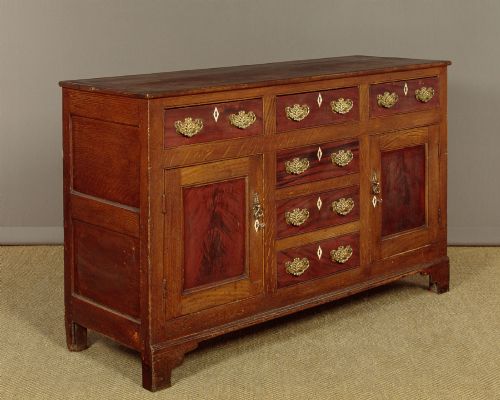

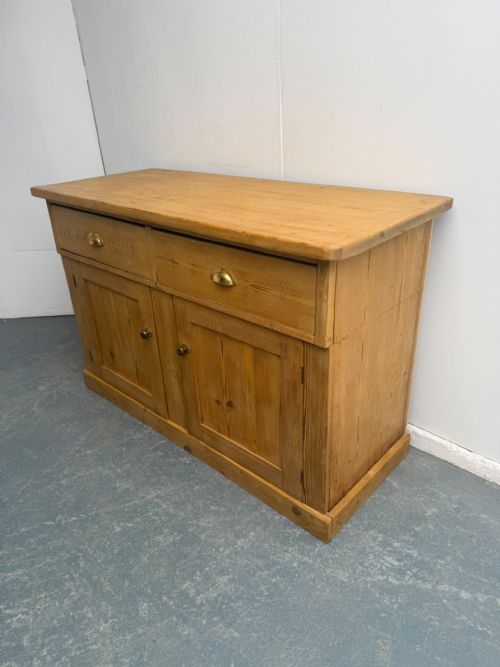

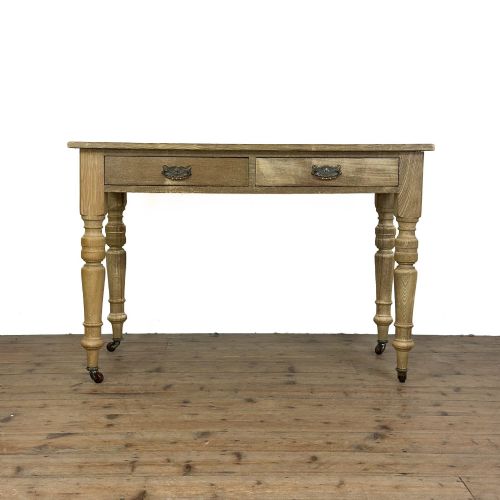
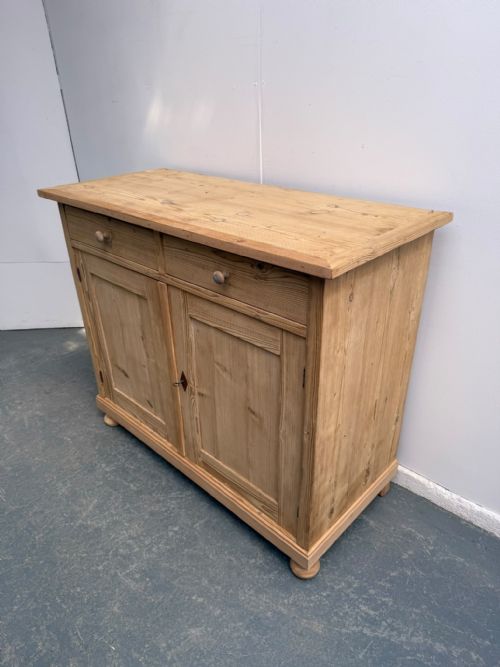
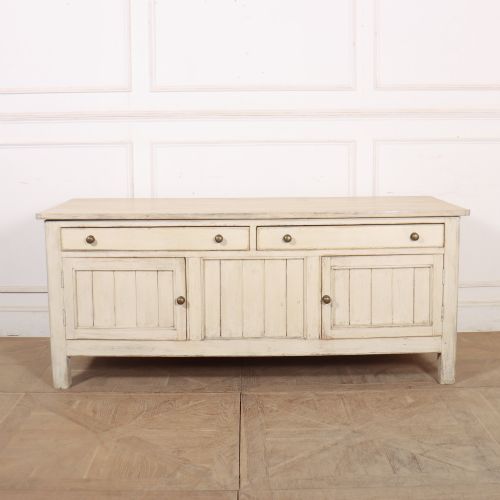
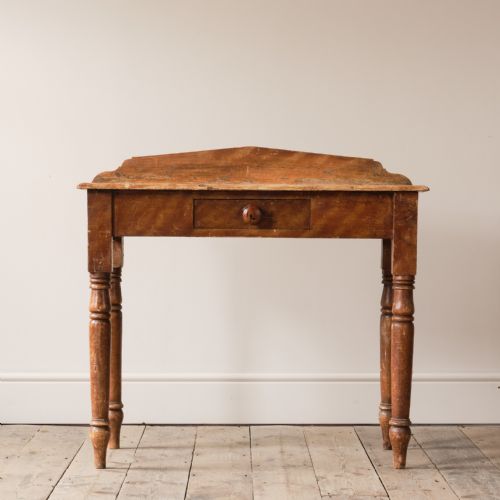
Victorian Pine Server
These Victorian pine servers are hardworking utility pieces that bring practical surface area and honest storage into a modern kitchen or dining room.
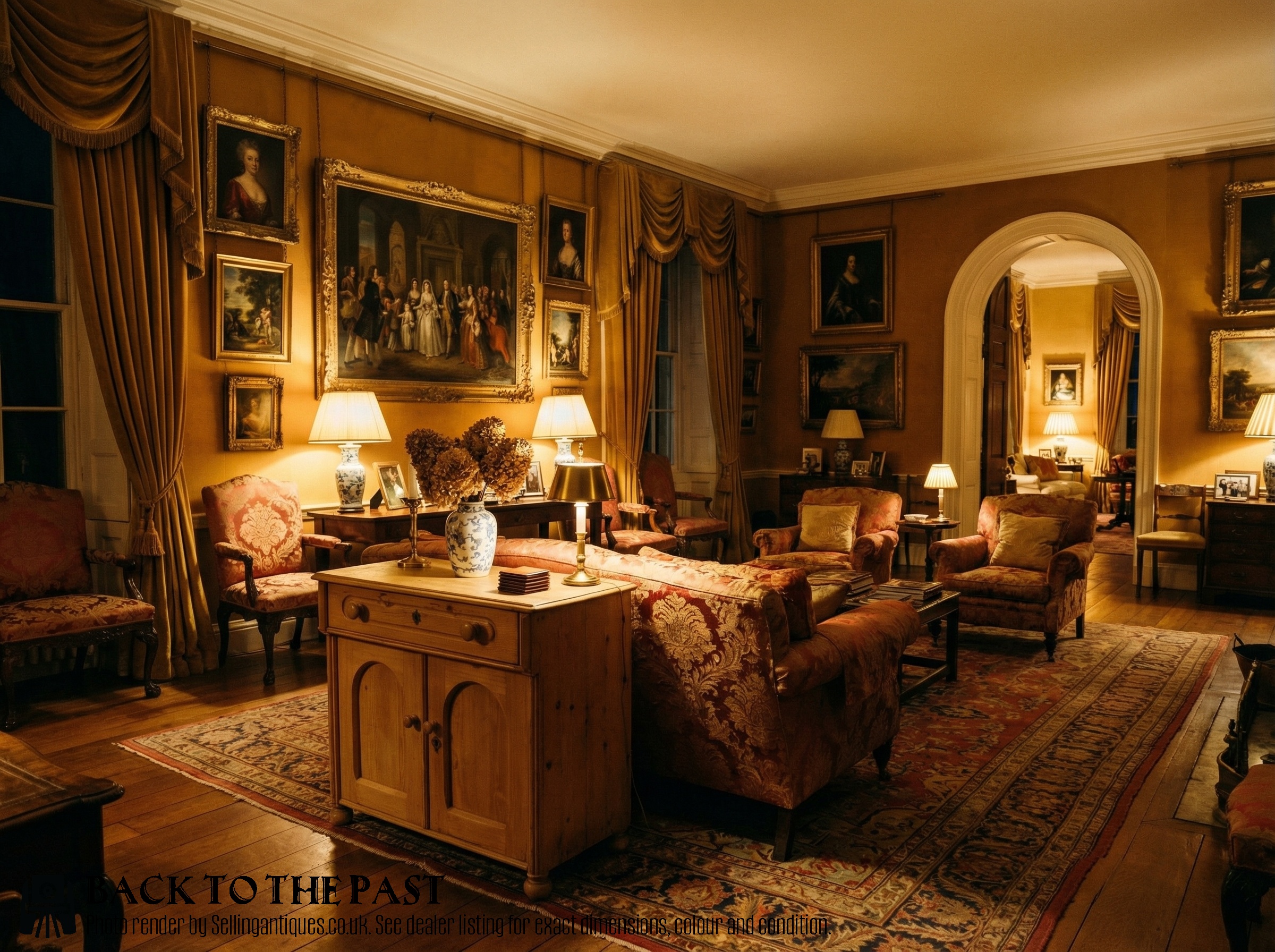
Victorian Pine Server
A Victorian pine server provides sturdy wooden surface space alongside drawers or cupboards, originating from utility rooms and farmhouse kitchens. When searching for a Victorian pine server, buyers encounter forms that double as sideboards, dresser bases, and washstands.
The material palette focuses on solid timber, with items appearing in standard pine, pitch pine, and occasionally finished with paint or a scumbled surface. These pieces span the nineteenth century, including early Victorian examples designed for demanding domestic service.
Most pieces display straightforward utilitarian design rooted in Victorian country and rustic farmhouse aesthetics. Their proportions suit contemporary homes looking for functional surface space with genuine age.

Materials and construction
Construction relies heavily on solid pine and pitch pine timbers selected for strength and daily use. Workshops built these items to endure heavy kitchen labour using traditional joinery methods suited to utilitarian furniture.
Metal hardware incorporates brass and iron for drawer pulls, hinges, and structural reinforcement. Surfaces frequently feature historic treatments including wax polish, paint, or decorative scumbling applied over the wood.
Victorian Pine Server Retail Price Guide 2026
Typical asking prices for victorian pine server among the pieces listed under this phrase on Sellingantiques today, from the lower quarter to the upper quarter. They describe what is for sale here now, not the wider market.
Some kitchen servers retain stubborn flour dust tucked deep inside their dovetail joints from decades of past pie-making.
Judging quality and character
Quality rests in the integrity of the timber, the depth of patination accumulated through use, and the survival of original surface finishes. Pieces retaining their early paint or scumbled decoration sit distinctly apart from later stripped examples.
Proportion and functional restraint separate standard utility items from more refined country pieces. The better examples show considered drawer construction and balanced proportions without relying on applied ornamentation.
The Victorian Pine Server Glossary
- Scumble
- A paint technique involving a translucent top layer dragged or brushed over a lighter base to imitate the grain of more expensive hardwoods. It was popular in nineteenth-century kitchens for decorative effect.
- Pitch pine
- A dense, resinous softwood sourced mainly from North America, known for its pronounced grain pattern and durability. It provides a harder wearing surface than standard white pine.
- Dresser base
- The lower section of a kitchen dresser featuring cupboards and drawers, commonly used independently as a serving table or sideboard. These items form a large portion of available servers.
- Washstand
- A utilitarian bedroom or dressing room table featuring a surface designed to hold washing basins and jugs. Many examples now function successfully as hallway servers or side tables.
Victorian Pine Server: Frequently Asked Questions
How were pine servers used originally?
These pieces served in nineteenth-century kitchens, sculleries, and dining spaces as stable surfaces for food preparation and serving meals. Their drawers and cupboards held linens, dry goods, and kitchen utensils.
Over time, many transitioned from working domestic roles into secondary living spaces and hallways where their surface area remained useful for everyday storage.
How do I clean a waxed pine surface?
Maintain waxed pine by gently dusting with a soft, dry cloth to prevent grit accumulation. Apply a quality beeswax periodically to nourish the dry timber and preserve the historic sheen.
Avoid using modern silicone polishes or excess water, as moisture can penetrate the grain and damage older finishes or lift the historic wax.
What is the difference between pine and pitch pine?
Standard pine refers to lighter softwoods commonly used for painted or domestic kitchen furniture throughout the nineteenth century. It has a relatively subtle grain and a pale, warm tone.
Pitch pine contains a higher resin content, resulting in a heavier, harder timber with a distinctively bold, dark grain pattern. It resists knocks well and often appears in more robust utility furniture.
How do I identify a scumbled finish?
A scumbled finish appears as a patterned, semi-transparent top coat of paint manipulated with combs or rags to simulate wood grain. It protected cheaper pine while offering a decorative appearance.
Close inspection reveals brush or tool marks trapped beneath the hardened top coat where the artisan shaped the decorative glaze over a pale ground.