

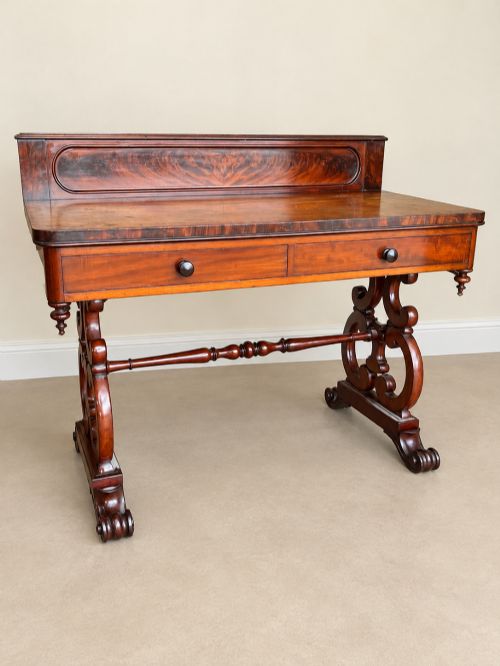
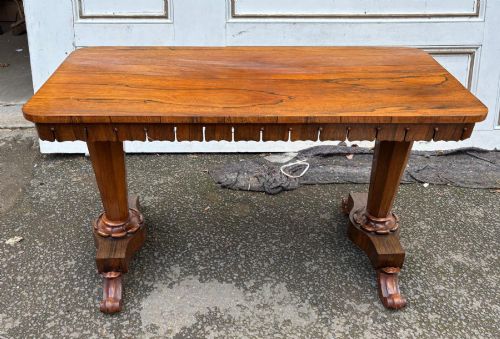
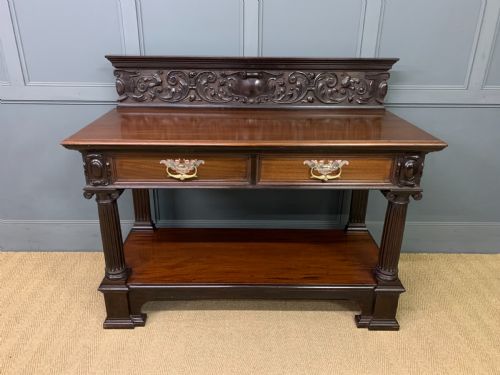

Victorian Carved Console Table
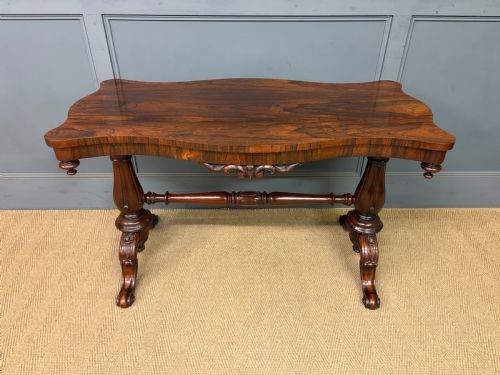
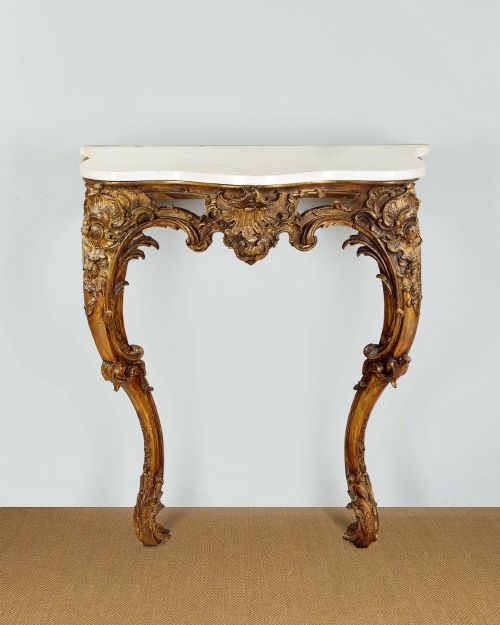
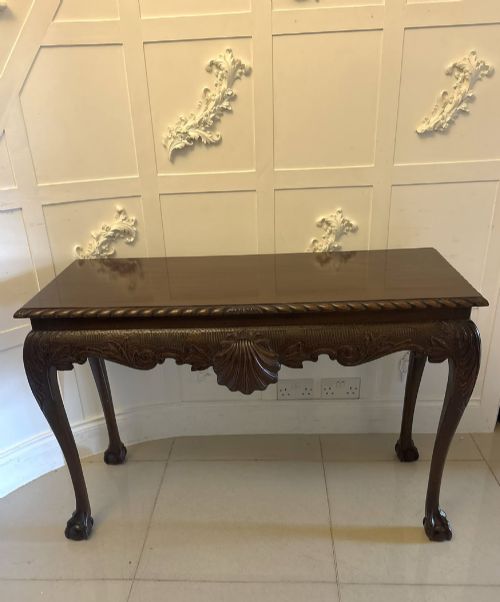
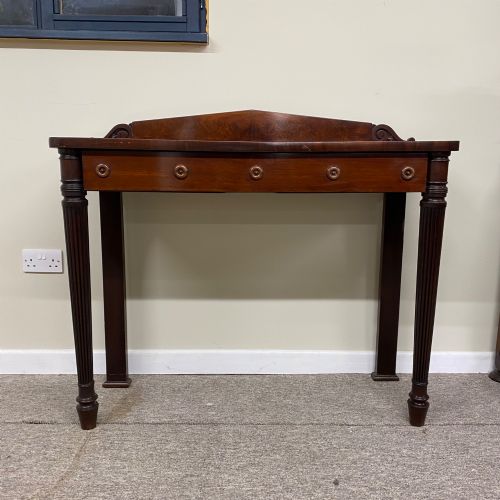
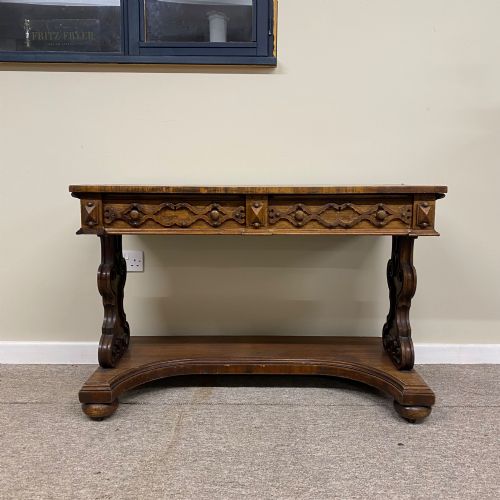
A victorian carved console table brings architectural presence to a hallway or reception room through substantial timber and confident nineteenth-century ornamentation.
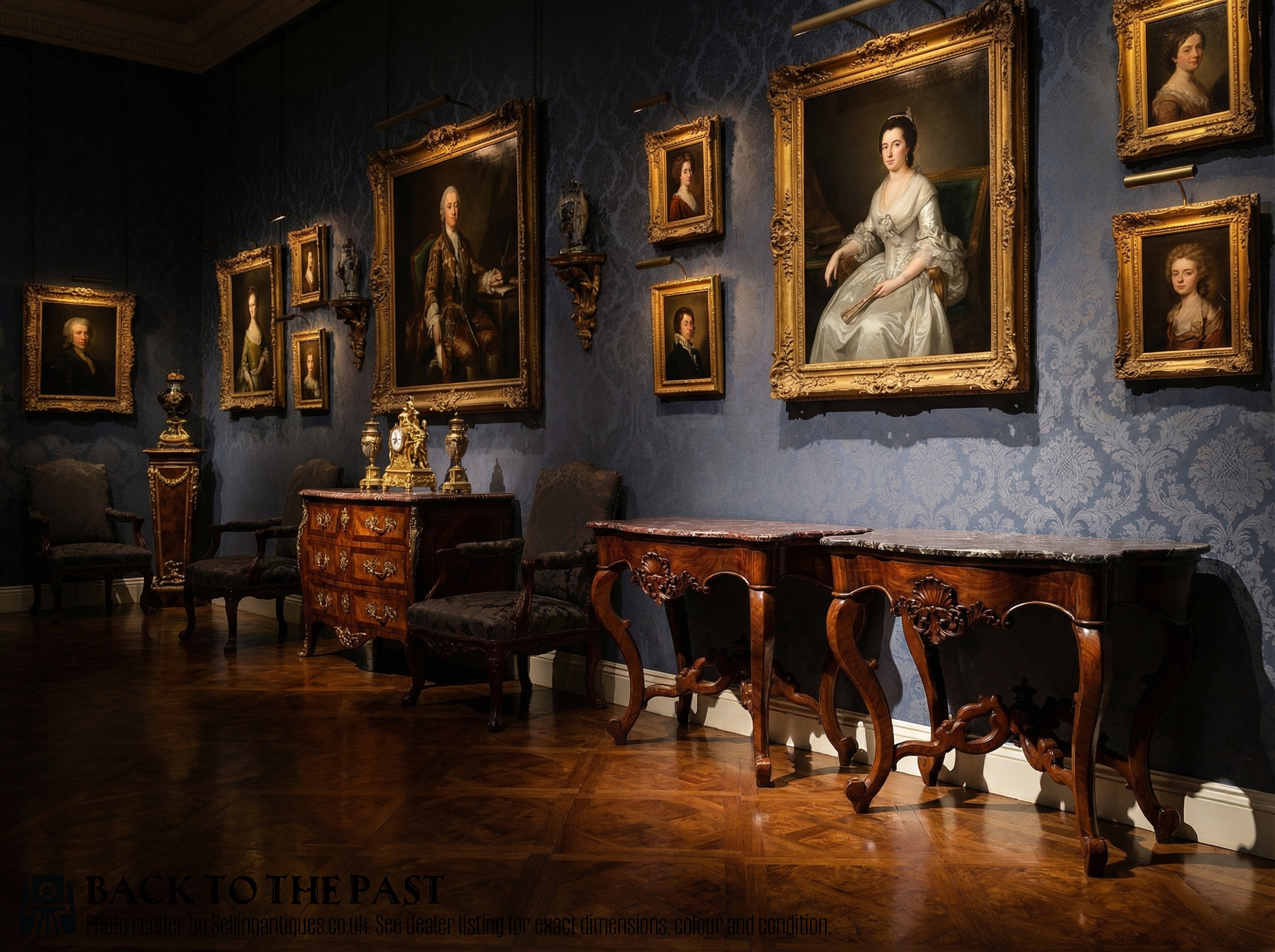
Victorian Carved Console Table
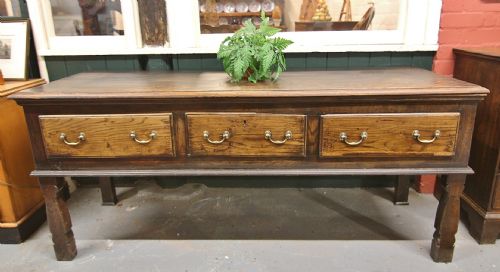
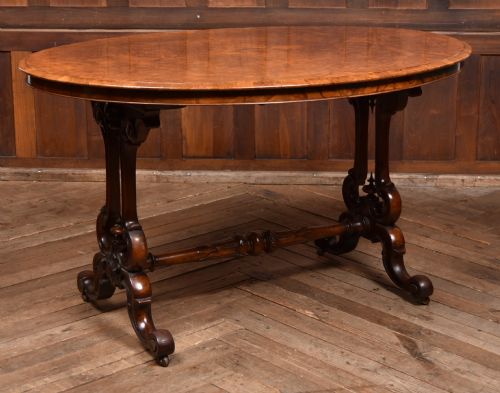
A victorian carved console table generally takes the form of a wall-mounted or freestanding ledge designed to anchor a room, often appearing alongside related serving tables, card tables, and occasional furniture from the nineteenth century.
The material palette recorded across these examples leans heavily toward richly grained timbers like mahogany, walnut, and oak, frequently paired with marble tops or brass accents.
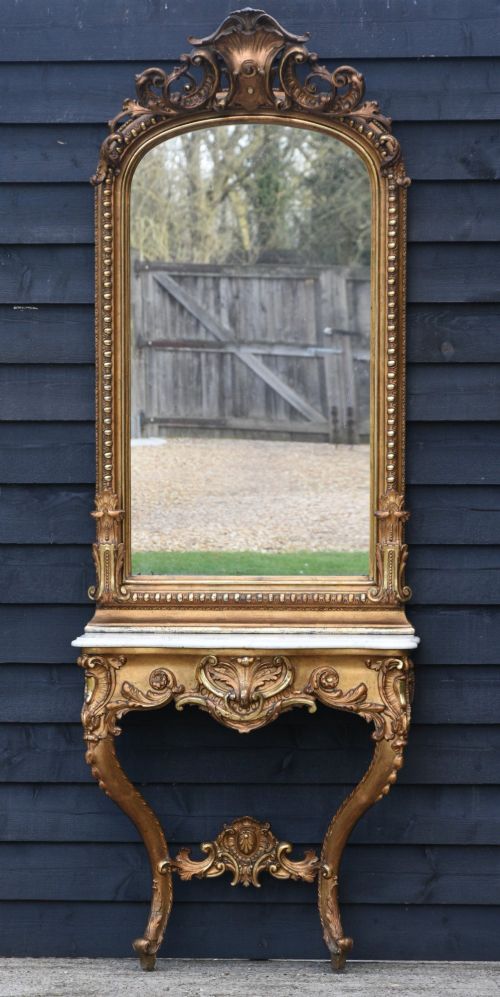
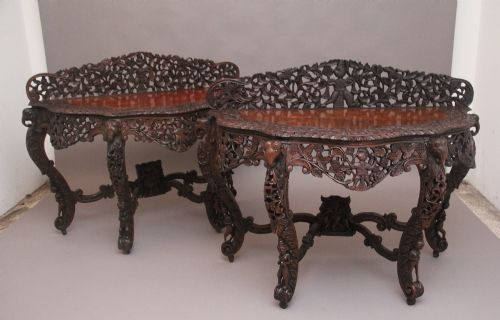
Pieces frequently show stylistic influences ranging from straightforward Victorian utility to Gothic Revival, French Rococo Revival, and Grand Regency interpretations.

Materials and Construction
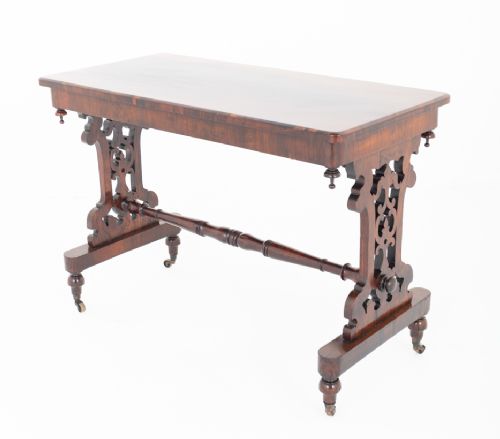
Cabinet makers utilised dense hardwoods such as mahogany, oak, and burr walnut as the structural foundation for these heavy tables, often selecting figured veneers to create visual depth on top surfaces.
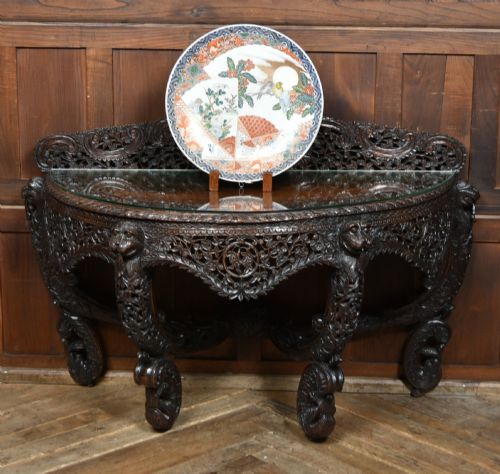
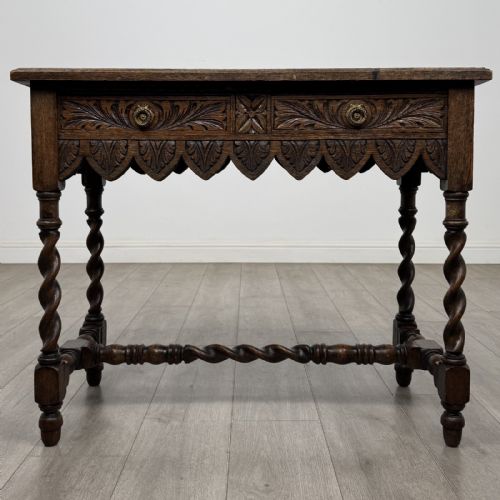
Carving was executed by hand directly into the solid timber or applied framing, producing deep relief motifs like foliage, scrolls, and occasional figural elements.
Marble inserts were selected to provide a cool, durable surface for serving or display, while secondary timbers and hand-cut joints secured the frame beneath.
Victorian Carved Console Table Retail Price Guide 2026
Typical asking prices for victorian carved console table among the pieces listed under this phrase on Sellingantiques today, from the lower quarter to the upper quarter. They describe what is for sale here now, not the wider market.
Green Man masks occasionally peer out from nineteenth-century oak carvings, keeping a watchful wooden eye over the hallway.
Evaluating the Make
Quality rests in the crispness and depth of the timber carving, where deeper, sharper hand-chiseled relief distinguishes standard production from ambitious exhibition pieces.
The selection of timber grain, particularly figured walnut or matched mahogany veneers, dictates the visual impact of the top surface.
Structural integrity depends on the weight of the timber and the rigidity of the joints, preventing the wobble common in tables supporting heavy marble slabs.
The Victorian Carved Console Table Glossary
- Console table
- A side table designed to stand against a wall, traditionally fixed with brackets or resting on front legs.
- Burr walnut
- A prized timber veneer showing swirling, knotty grain patterns harvested from tree growths.
- Demilune
- A half-moon shape used to describe tables with a semicircular front and flat back against the wall.
- Frieze
- The horizontal band running directly beneath the tabletop, frequently housing drawers or carved decoration.
- Gothic Revival
- An architectural and decorative style drawing on medieval pointed arches, tracery, and heavy oak.
Victorian Carved Console Table: Frequently Asked Questions
Where should I place a console table?
These tables suit narrow hallways, entrance passages, or reception rooms where floor space is limited yet surface area is required for lamps or decorative objects.
Because many examples were built to stand flat against a wall or feature finished backs for freestanding placement, they integrate easily into various room layouts.
How do I care for a marble top?
Marble surfaces require gentle cleaning with mild, non-acidic soap and water to preserve the polished finish without etching the stone.
Using coasters and mats protects the porous material from moisture rings and staining over time.
Are these tables sturdy enough for daily use?
Solid hardwood construction and heavy frames provide the necessary stability for holding lamps, books, or serving items.
Tables featuring marble slabs rely on their substantial weight to remain secure against the wall.
How can I tell the period?
Stylistic clues such as Gothic Revival tracery, French Rococo curves, or heavy Victorian oak carving point directly to nineteenth-century workshop practices.
Examining the construction methods, secondary timbers, and wear patterns helps confirm the age of the piece.