



Traditional Entry Table
A traditional entry table welcomes visitors into a hall while keeping surface space clear for post and keys.
Traditional Entry Table
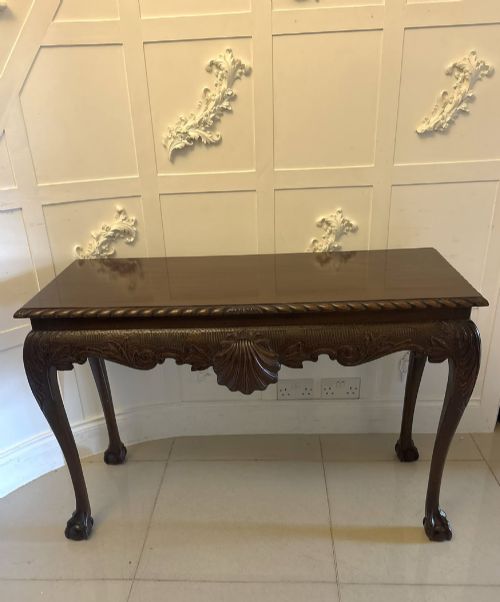
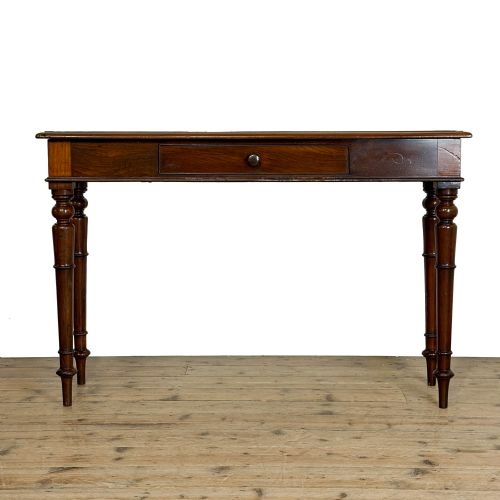
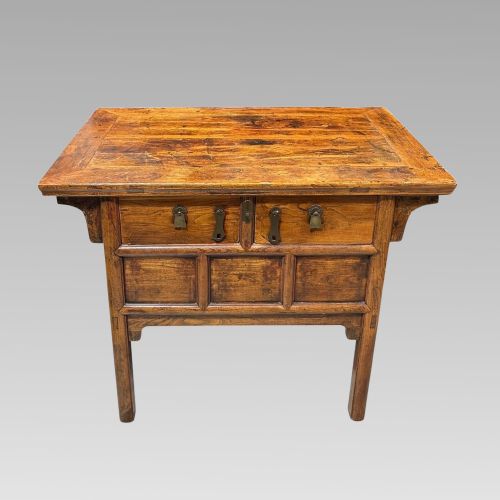
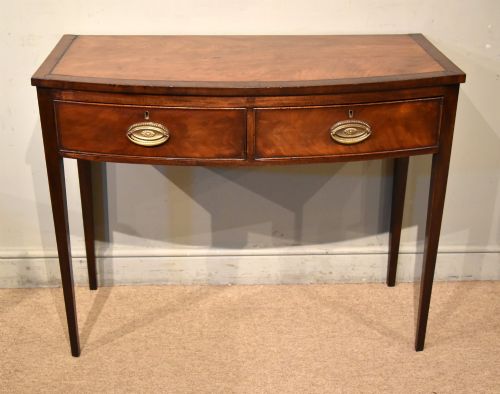
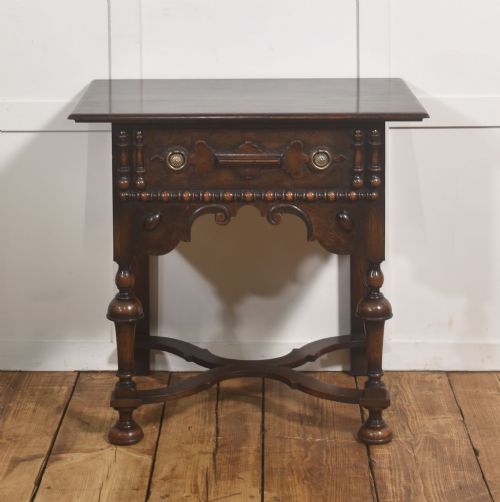
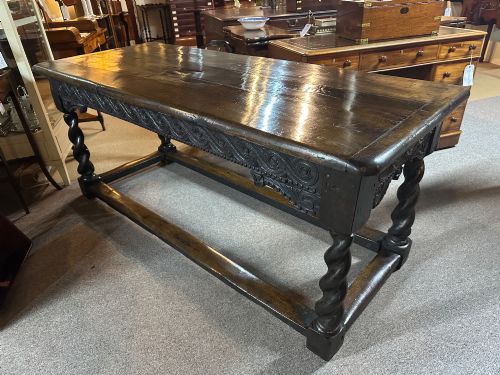
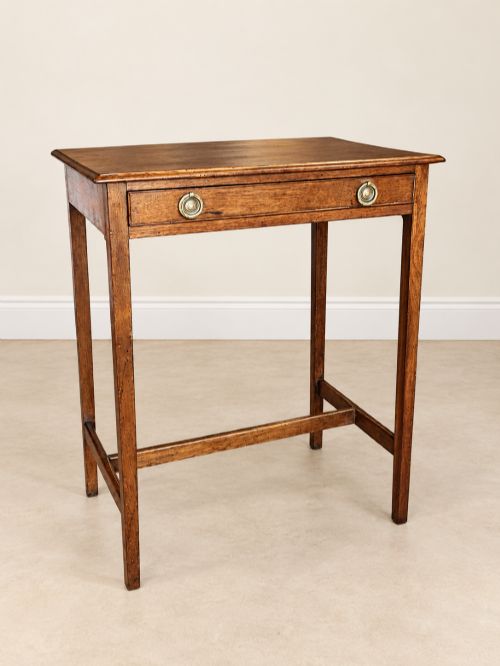
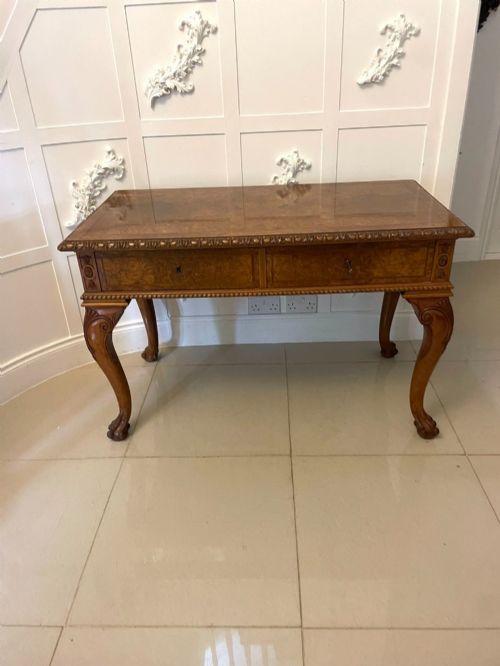
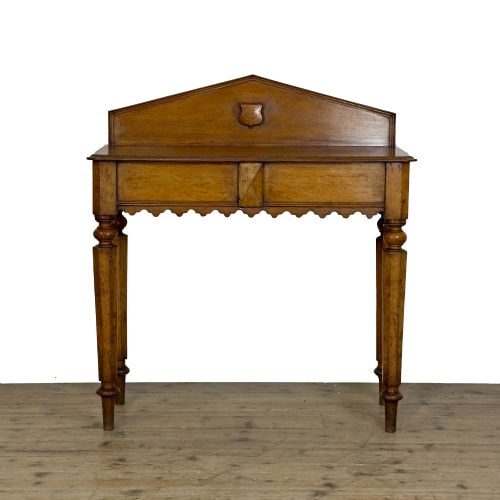
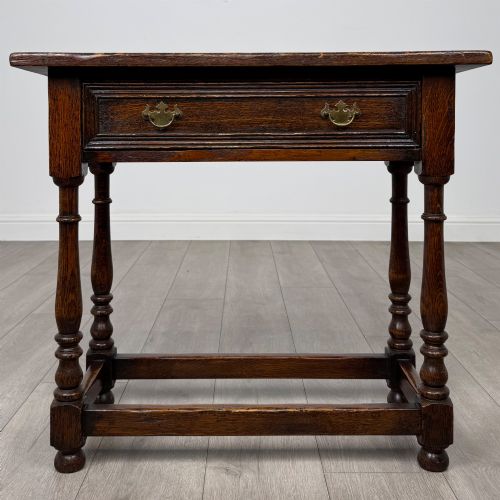
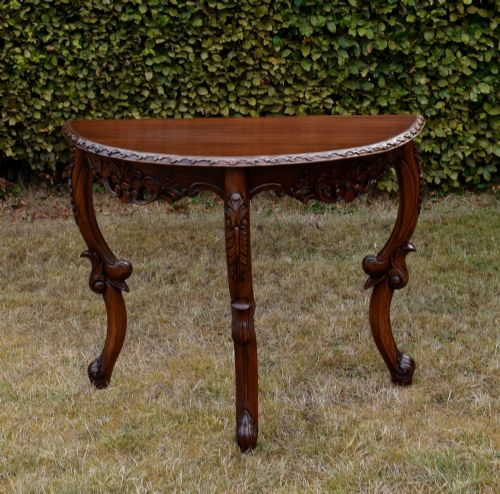
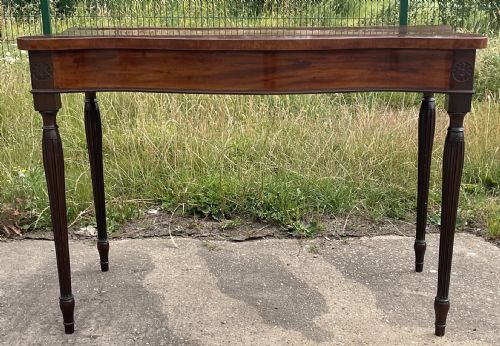
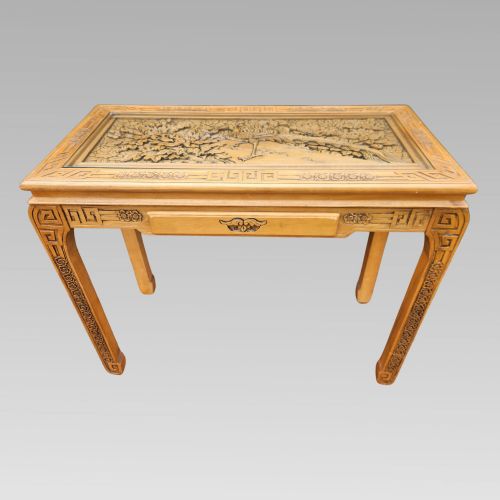
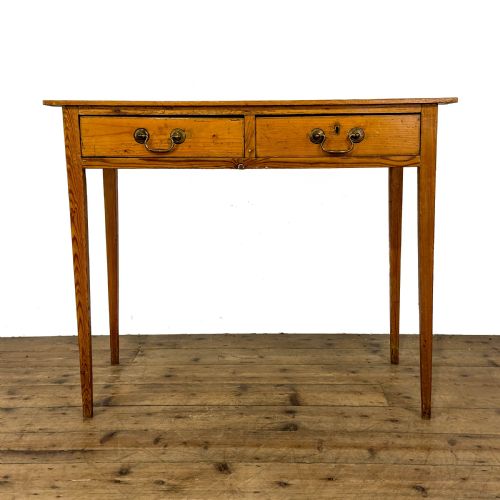
A traditional entry table serves as the primary surface in a hallway, vestibule or reception space. The selection spans console tables, narrow side tables, hall stands, lowboys and altar tables designed to sit flush against a wall.
The materials reflect domestic utility and formal reception rooms alike, utilising timbers such as mahogany, oak, burr walnut, elm, pine and brass hardware. Pieces emerge from periods ranging through the Victorian era, the Edwardian years and the 1920s and 1930s, alongside Chinese export designs.
Revival styles dominate the selection, showing Georgian, Queen Anne, Jacobean and Grand Regency influences alongside Qing Dynasty and Chinese traditional forms. Form follows function with narrow profiles, demi lune shapes and serpentine fronts built to occupy transitional spaces without impeding movement.
Materials and construction methods
Carpenters relied upon dense hardwoods like mahogany, walnut and oak for structural integrity and polished surfaces, often selecting burr veneers to create striking grain patterns on table tops. Elm, pine and softer woods provided the framing and carcase work for side tables and painted furniture.
Joinery methods combined traditional mortise and tenon framing with hand-cut dovetails for drawers, ensuring stability in high-traffic hallway environments. Carved ornamentation, lacquered finishes and brass fixtures completed the decorative scheme across both British revival pieces and imported oriental designs.
Traditional Entry Table Retail Price Guide 2026
Typical asking prices for traditional entry table among the pieces listed under this phrase on Sellingantiques today, from the lower quarter to the upper quarter. They describe what is for sale here now, not the wider market.
Several pieces double as seating, allowing homeowners to sit while changing shoes before folding the bench back into a table.
Distinguishing quality in construction and finish
The standard of timber selection sets individual pieces apart, particularly where figured mahogany, burr walnut or select oak display deliberate grain matching across the top. Secondary timbers used in drawer linings and internal framing reveal the care taken by the workshop.
Hand-carved detailing on friezes, legs and aprons shows the hand of a skilled artisan rather than mechanical replication. The depth of polish, the preservation of original lacquered finishes and the crispness of revival styling dictate the standing of each console or hall table.
Epstein and Co
The Traditional Entry Table Glossary
- Console table
- A table designed to stand against a wall, frequently supported by wall brackets or decorative legs in a hallway or reception room.
- Lowboy
- A small dressing table or side table featuring one or more rows of drawers beneath the working surface, standing on relatively tall legs.
- Altar table
- A traditional Chinese table form with an elongated rectangular top, often featuring upturned ends or carved spandrels beneath the frame.
- Demi lune
- A half-moon shape used for table tops and console designs intended to fit compactly against a hallway wall.
- Monks bench
- A convertible hallway seat with a hinged back that folds down to transform the settle into a table.
Traditional Entry Table: Frequently Asked Questions
Where should I place a traditional entry table?
Position your table in a hallway, corridor or landing where floor space is narrow and surface area is required for everyday items.
The shallow depth of these tables ensures they do not obstruct foot traffic while providing a focal point near the front door.
How do I care for a polished wood surface?
Dust the timber regularly with a soft, dry cloth and avoid placing the furniture in direct sunlight or beside heat sources.
Apply traditional beeswax periodically to nourish the grain and maintain the natural lustre of mahogany, walnut or oak.
What is the difference between a console and a side table?
Console tables are specifically designed to stand against a wall, historically supported by brackets or architectural legs.
Side tables are generally freestanding pieces with four legs that can be moved around a room more easily.
Are Chinese altar tables suitable for modern hallways?
Chinese altar tables offer a remarkably narrow profile and striking timber grain that suits contemporary and traditional interiors alike.
Their elongated proportions make them ideal for displaying ceramics or lamps in restricted entry spaces.