
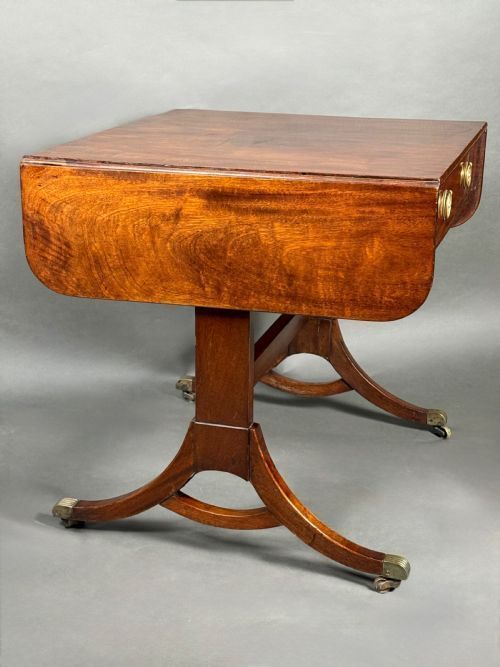
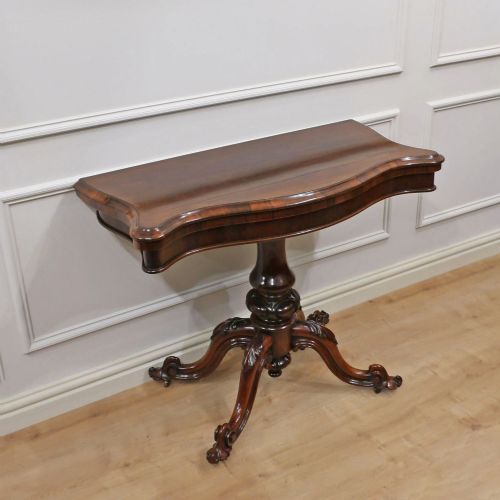
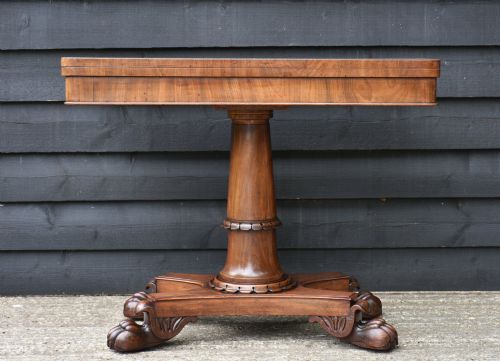
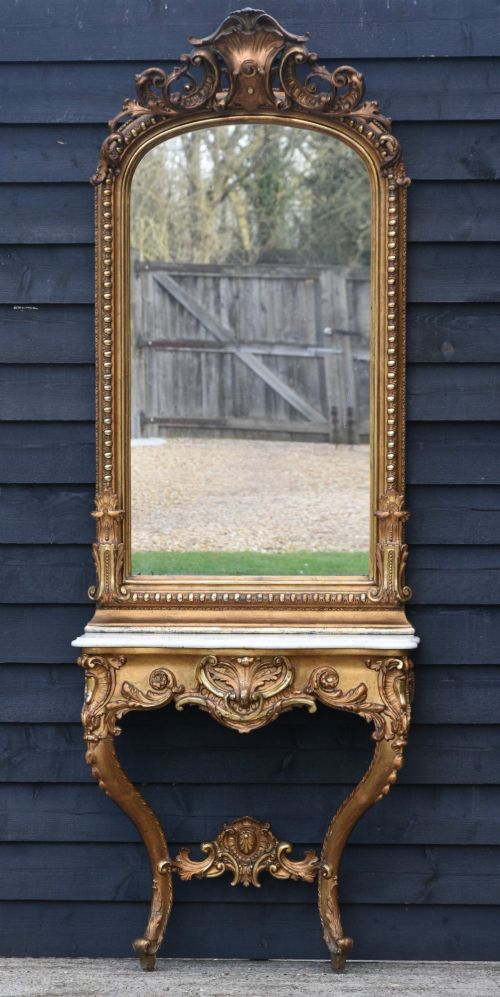
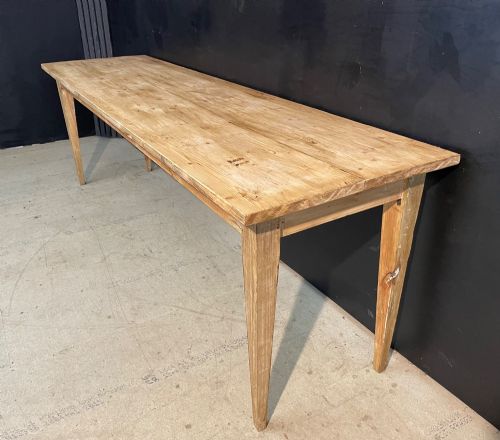
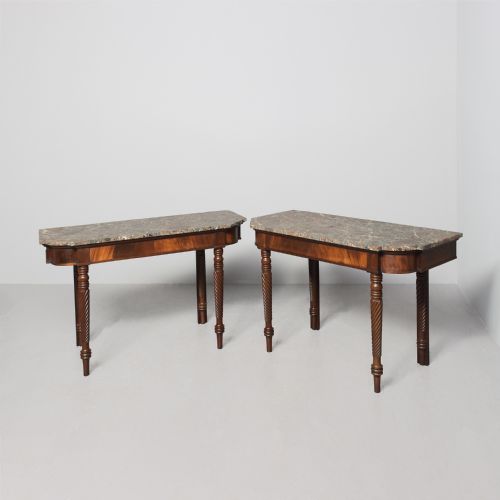
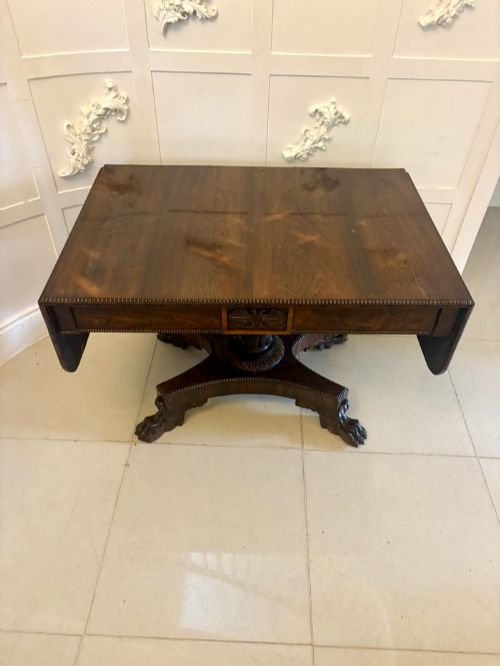
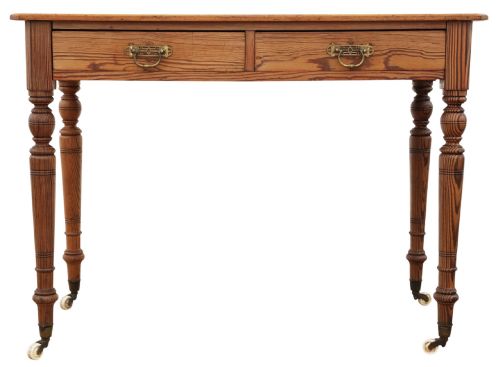
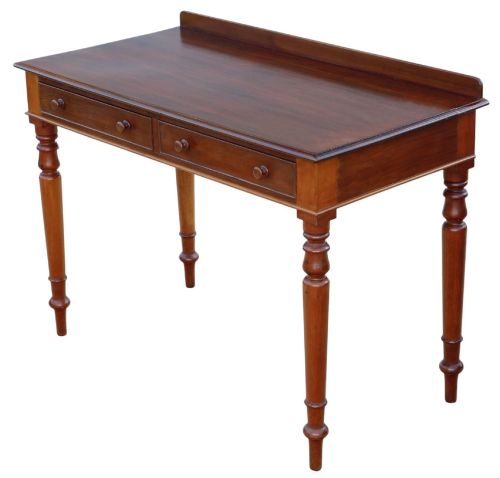
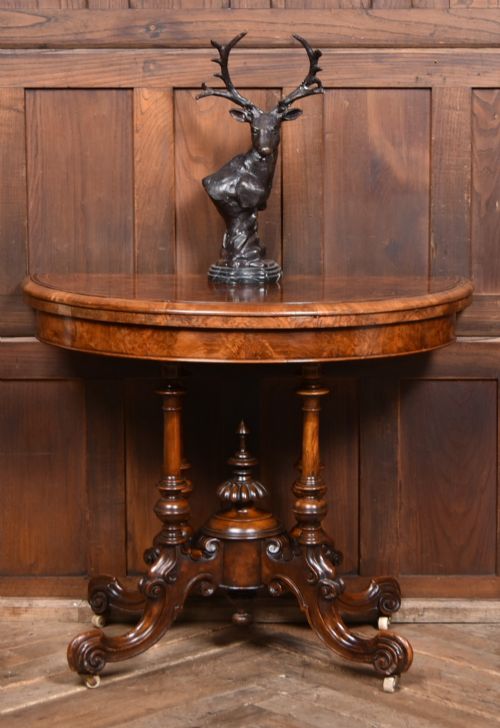
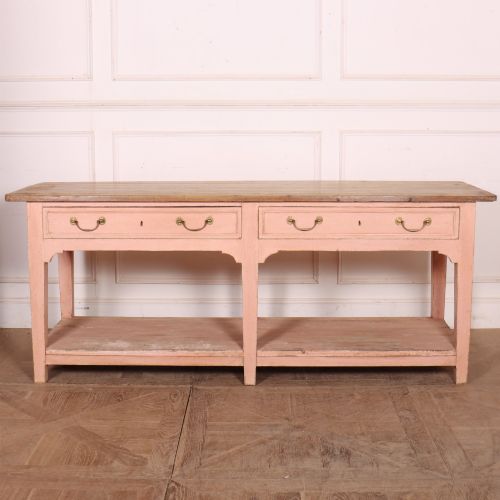
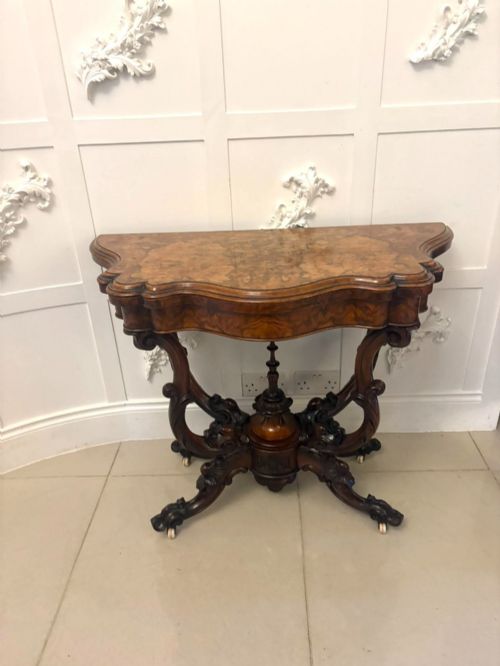
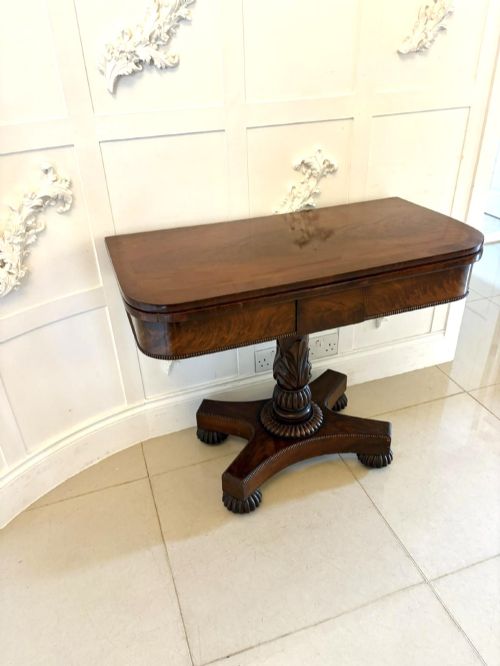
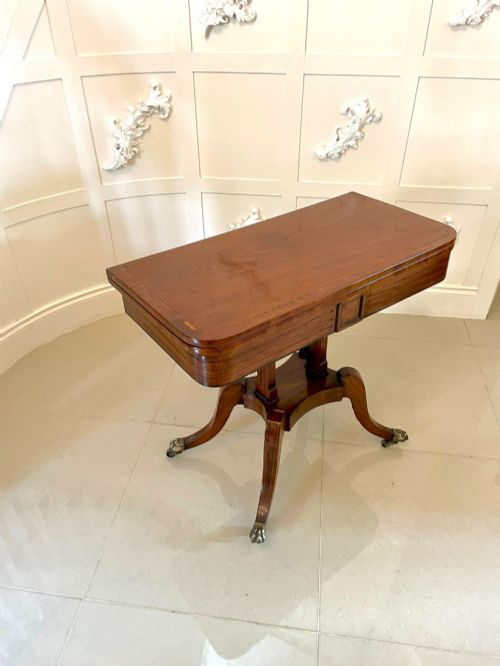
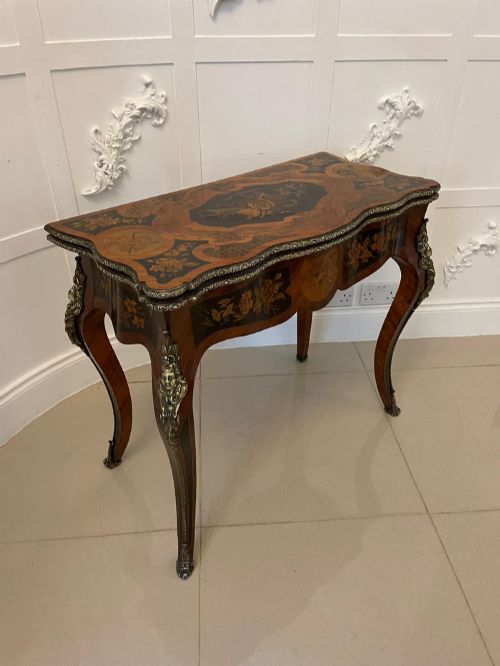
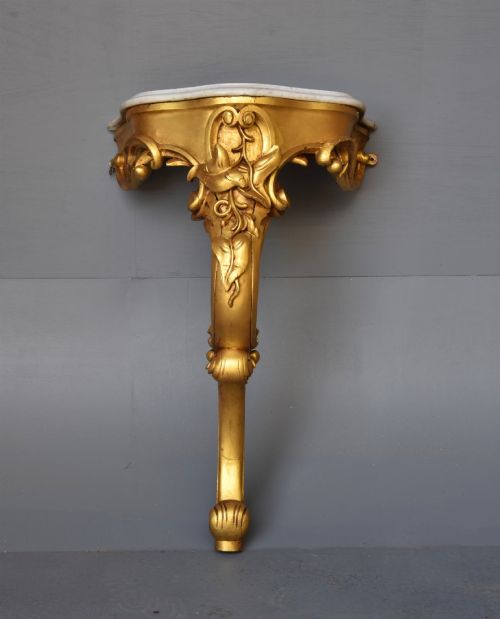
19th Century Console Tables
These 19th century console tables combine architectural presence with practical surface space, offering period character to ground an interior wall.
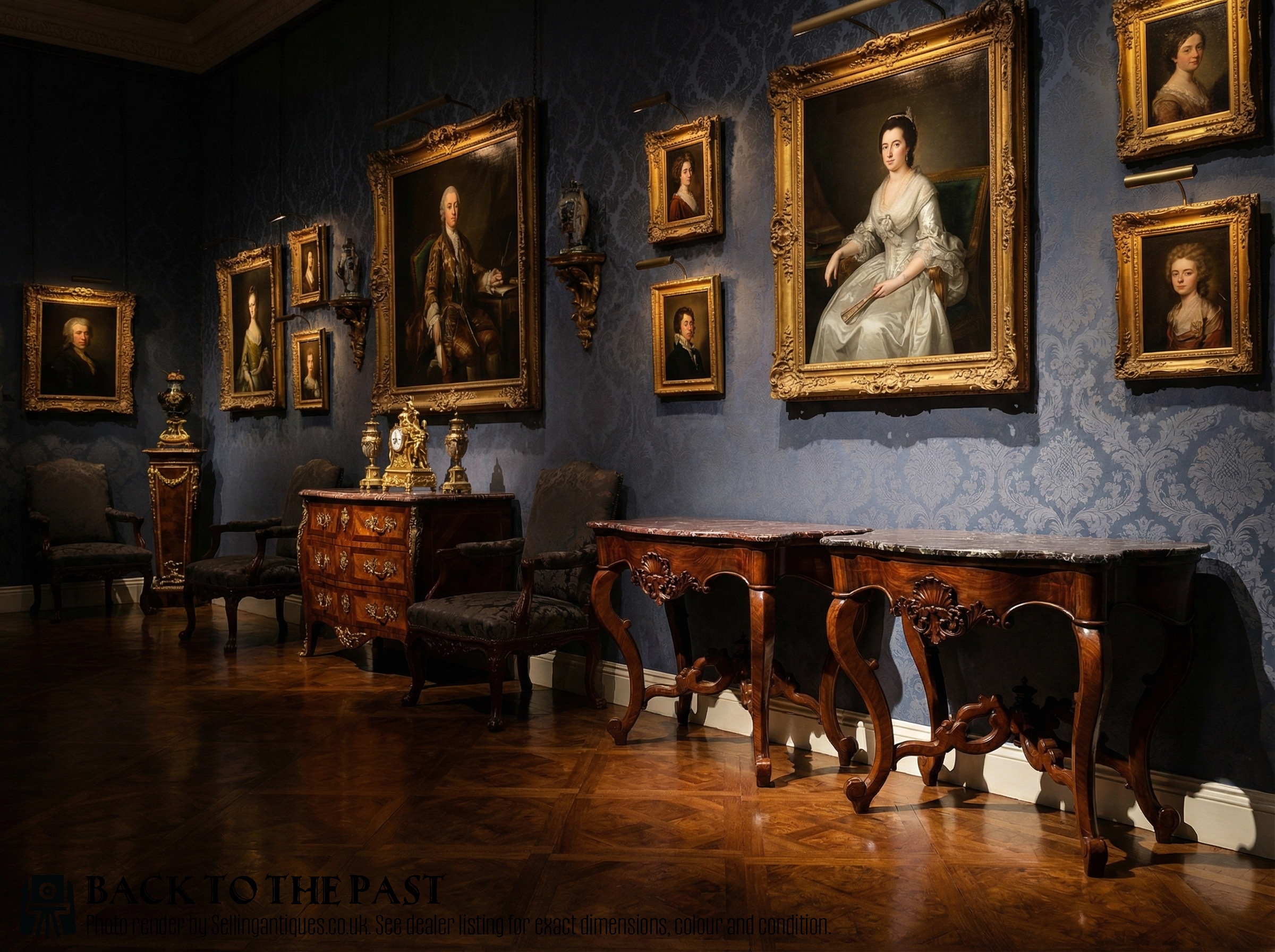
Understanding 19th century console tables
When you search for 19th century console tables, you encounter architectural ledges designed to stand against a wall, frequently supplied as matched pairs. The form spans the Regency, William IV, Victorian, and French Empire periods, with many pieces taking a semi-circular or demi-lune footprint.
The archive shows frequent examples featuring mahogany and walnut timbers, alongside painted finishes, ebonised wood, and Chinese hardwoods. Formats range from simple D-shaped side pieces to elaborate gilt-wood constructions integrated with matching wall mirrors.
Italian, French, and English workshops all contributed to the surviving supply, incorporating regional timber choices such as satinwood, amboyna veneer, and burr yew. Marble tops appear regularly, paired with stone or wooden bases for formal reception rooms.
Materials and construction
Cabinet makers utilised dense hardwoods like mahogany, walnut, and oak for the primary framework, often applying contrasting veneers such as satinwood and amboyna over secondary pine or oak carcases. Surface enrichment relied on hand-carved gesso, gilt-wood, and marquetry inlay depicting neoclassical motifs.
Heavy slabs of marble, including Carrara varieties, were fitted directly to the structural timber girders to provide durable, cool surfaces. Metal elements such as ormolu mounts and brass details were cast and chased to accentuate the corners and friezes of French Empire and Regency designs.
Retail Price Guide 2026
Typical UK retail prices for 19th century console tables, calculated from the Sellingantiques database of over a million retail prices indexed since 2003. This retail price guide relies exclusively on Sellingantiques data; no external sources or auction records are used, so the figures do not describe the wider market.
Several tables include hidden folding card tops, proving that historical guests required entertainment surfaces disguised as polite wall furniture.
Distinctions in craftsmanship
Quality rests in the precision of the timber matching and the depth of the carved enrichment on the friezes and legs. Pieces featuring integrated porcelain plaques, intricate marquetry, or fire-gilt ormolu demonstrate higher workshop investment than plain structural frames.
The choice of top material also defines the tier of the piece, with thick slab marble and figured burr veneers marking out formal pieces intended for principal drawing rooms.
The 19th Century Console Tables Glossary
- Demi-lune
- A half-moon shape used for the footprint of console tables designed to sit flat against a wall. This profile became standard for neoclassical and Georgian dining and reception rooms.
- Ormolu
- Gilt bronze mounted onto furniture frames as decorative enrichment. The technique involves applying a mercury and gold amalgam to cast bronze.
- Gesso
- A plaster mixture spread over wood before gilding or painting. It provides a smooth base that takes fine carved detail.
- Marquetry
- Inlays of different coloured woods arranged in geometric or pictorial patterns across the surface. It requires precise cutting of veneer sheets.
- Ebonised
- Timber treated with a chemical stain or black finish to imitate ebony. This dark treatment was common during the Victorian and Regency eras.
Frequently Asked Questions
Where did these tables stand?
These tables were positioned against walls in entrance halls, formal reception rooms, and long galleries where depth was restricted. They often sat beneath large wall mirrors to multiply light and reflect the room.
In many cases, pairs were arranged symmetrically on either side of a fireplace or between tall windows to balance the interior architecture.
How do I spot a Regency piece?
Regency examples typically display clean architectural lines influenced by classical antiquity, utilising dark mahogany with brass inlay or restrained ormolu mounts. The legs often take sabre or reeded forms rather than heavy carved flourishes.
Proportions remain precise and balanced, reflecting the early nineteenth-century taste for archaeological accuracy in interior furnishings.
Are marble tops original?
Heavy marble slabs were standard inclusions for many formal console tables, particularly those of French, Italian, or grand English manufacture. The stone provided a stable, cool surface for decorative objects and matched the weight of the timber base.
Examination of the rebate beneath the top reveals whether the timber frame was built specifically to bear the heavy stone weight.
How do I care for polished mahogany?
Polished mahogany surfaces respond best to regular dusting with a soft, dry cloth and occasional application of pure beeswax to nourish the grain. Avoid placing pieces in direct sunlight or near heat sources to prevent timber shrinkage and veneer lifting.
Moisture should be kept away from the timber, and felt pads placed beneath any decorative objects resting on the polished surface.